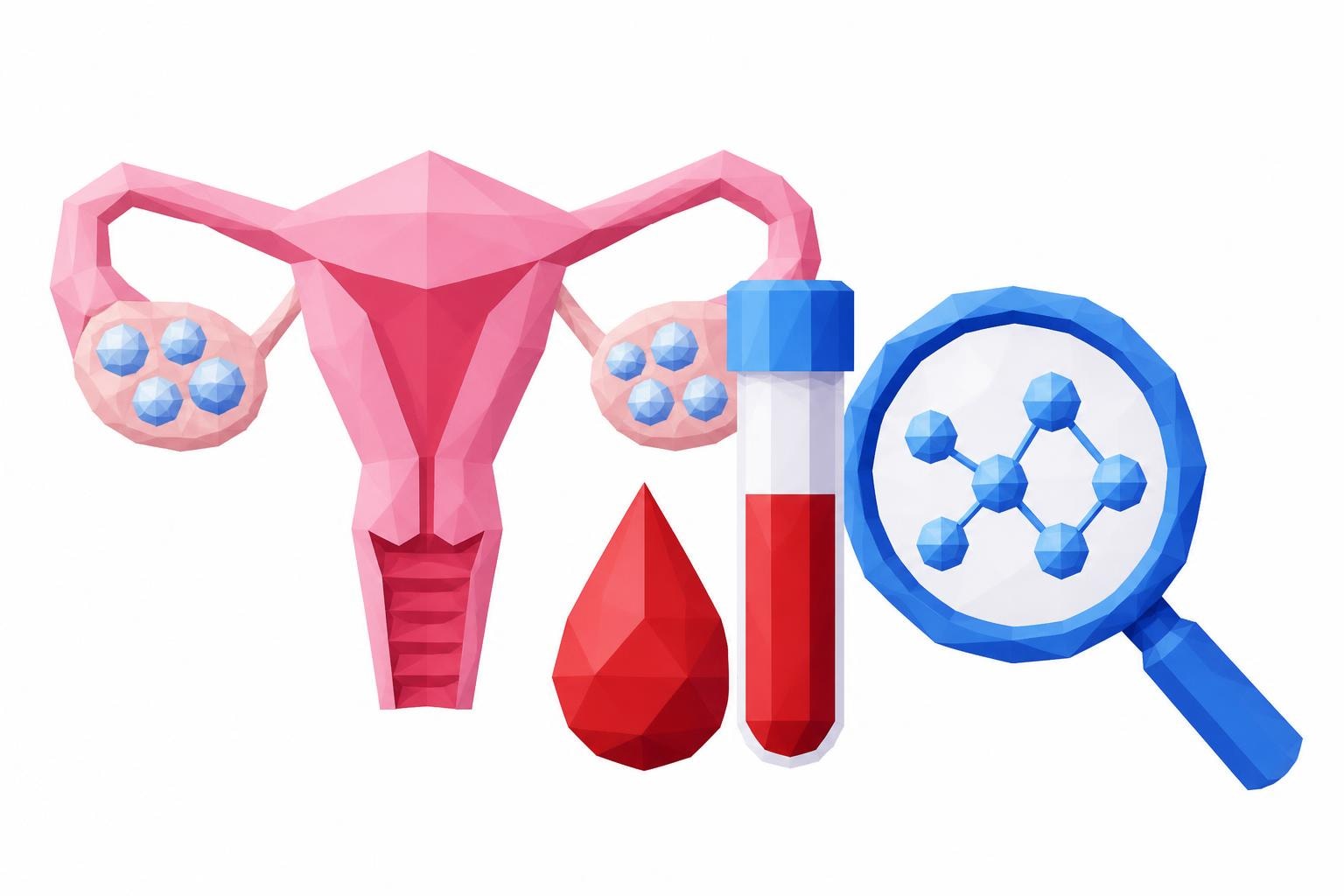
Understanding your reproductive health has become increasingly accessible in 2026, with direct-to-consumer testing services empowering individuals to take control of their fertility journey. The AMH test reading your ovarian reserve represents one of the most significant advances in fertility assessment, offering insights into egg supply without the traditional barriers of insurance requirements or lengthy doctor appointments. This blood test measures Anti-Müllerian Hormone levels, providing valuable information about the quantity of eggs remaining in your ovaries and helping you make informed decisions about family planning, whether you're considering natural conception, egg freezing, or assisted reproductive technologies.
What Is AMH and Why Does It Matter?
Anti-Müllerian Hormone is a protein produced by cells in developing egg sacs within your ovaries. The AMH test measures the amount of this hormone in your bloodstream, serving as a reliable indicator of ovarian reserve. Unlike other fertility markers that fluctuate throughout your menstrual cycle, AMH levels remain relatively stable, making it convenient to test at any time of the month.
Your ovarian reserve refers to the quantity and quality of eggs remaining in your ovaries at any given point. Women are born with a finite number of eggs, approximately one to two million at birth, which steadily declines throughout life. By puberty, this number decreases to around 300,000 to 500,000, and by menopause, only a few thousand remain.
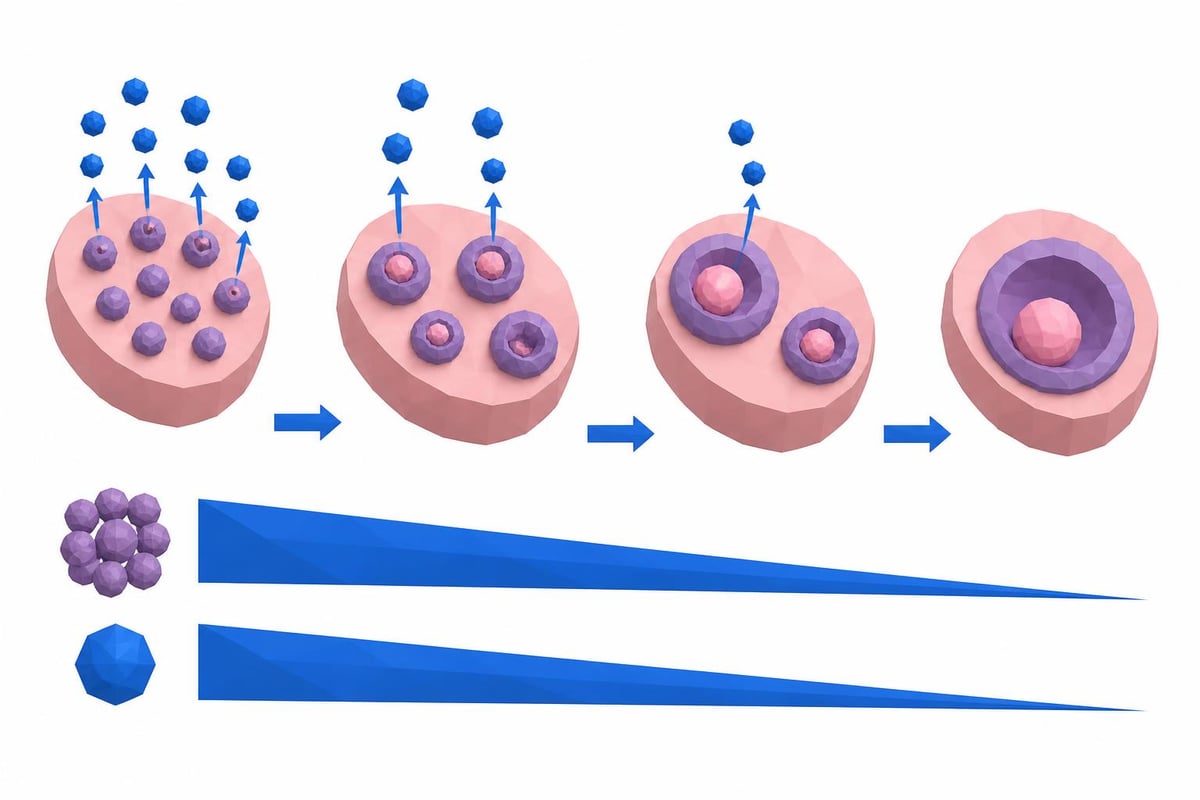
The correlation between AMH levels and egg count makes this test particularly valuable for fertility planning. Higher AMH levels generally indicate a larger remaining egg supply, while lower levels suggest diminished ovarian reserve. This information becomes crucial for women considering delayed childbearing, those experiencing fertility challenges, or individuals exploring egg preservation options.
Understanding Your AMH Test Results
When you receive your AMH test reading your ovarian reserve results, the numbers are typically reported in nanograms per milliliter (ng/mL) or picomoles per liter (pmol/L). Interpreting these values requires understanding the range classifications and what they mean for your specific situation.
AMH Level Classifications
The American Society for Reproductive Medicine provides guidance on interpreting AMH values, though it's important to note that reference ranges can vary slightly between laboratories. Here's a general framework for understanding your results:
| AMH Level (ng/mL) | Classification | Interpretation |
|---|---|---|
| Below 0.5 | Very Low | Significantly diminished ovarian reserve |
| 0.5 - 1.0 | Low | Reduced ovarian reserve |
| 1.0 - 3.5 | Normal | Adequate ovarian reserve |
| 3.5 - 5.0 | High Normal | Good ovarian reserve |
| Above 5.0 | Very High | Excellent reserve or possible PCOS |
These ranges serve as general guidelines, but individual interpretation depends on multiple factors including your age, reproductive goals, and overall health status. A level considered normal for a 25-year-old woman differs from what's expected at age 40.
Age-Related Considerations
AMH levels naturally decline with age, following a predictable pattern throughout reproductive years. Research has established validated models showing how AMH levels progress from conception through menopause, providing age-specific reference ranges that offer more nuanced interpretation than universal cutoffs.
For women in their twenties and early thirties, AMH levels typically range between 2.0 and 6.0 ng/mL. During the mid-to-late thirties, levels commonly fall between 1.0 and 3.0 ng/mL. By the early forties, AMH often drops below 1.0 ng/mL, reflecting the accelerated decline in ovarian reserve that occurs during this decade.
What Your AMH Results Can and Cannot Tell You
The AMH test reading your ovarian reserve provides specific information about egg quantity, but it's essential to understand both its capabilities and limitations when making reproductive decisions.
What AMH Reveals
Ovarian Reserve Quantity: AMH levels correlate strongly with the number of antral follicles visible on ultrasound, offering a reliable estimate of your remaining egg supply. This information helps predict how your ovaries might respond to fertility treatments.
Treatment Planning: For women considering in vitro fertilization (IVF), AMH levels help reproductive endocrinologists determine appropriate medication dosages and protocols. Higher AMH levels may require different stimulation strategies than lower levels to optimize outcomes.
Timeline Awareness: Understanding your ovarian reserve status allows for more informed decisions about when to pursue pregnancy, whether to consider egg freezing, or if expedited fertility treatment might be beneficial.
What AMH Does Not Indicate
AMH testing has important limitations that should inform how you use this information:
- Egg Quality: The test measures quantity, not quality. A woman with high AMH levels may still have poor egg quality due to age or other factors
- Natural Pregnancy Probability: AMH does not predict your ability to conceive naturally in the near term
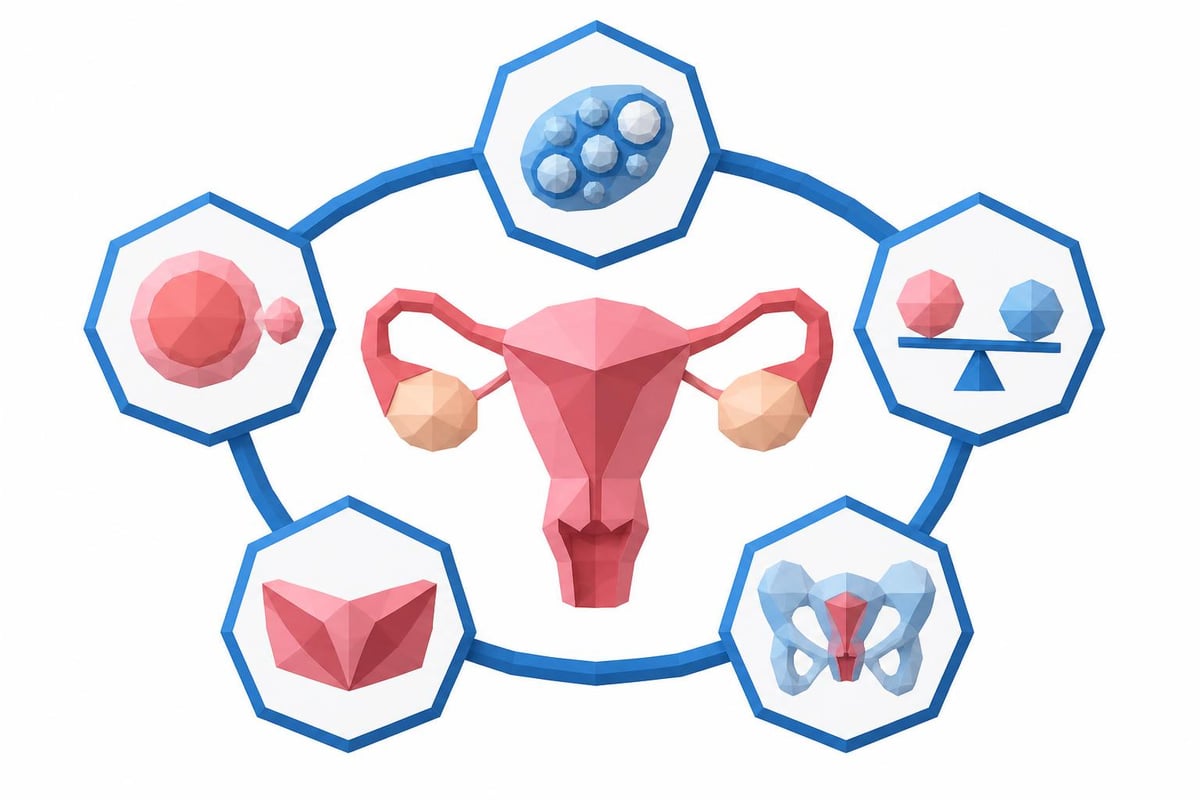
- Overall Fertility: Many factors contribute to fertility beyond ovarian reserve, including tubal health, uterine condition, ovulation quality, and partner factors
- Menopause Timing: While low AMH suggests closer proximity to menopause, it cannot precisely predict when menopause will occur
When to Consider AMH Testing
Several situations warrant the AMH test reading your ovarian reserve, particularly in 2026 when accessing this testing has become more convenient and affordable through services like Justlabs.
Proactive Fertility Planning
Women in their late twenties and early thirties who are not yet ready for pregnancy but want baseline information about their reproductive timeline increasingly turn to AMH testing. This proactive approach allows for informed decision-making about career timing, relationship decisions, and whether to consider egg freezing as a fertility preservation option.
Unexplained Fertility Challenges
If you've been trying to conceive for six months to a year without success, AMH testing provides valuable diagnostic information. Combined with other fertility assessments, it helps identify whether diminished ovarian reserve might be contributing to conception difficulties.
Family History Considerations
Women with a family history of early menopause, premature ovarian insufficiency, or fertility challenges may benefit from earlier AMH testing. Genetic factors can influence ovarian reserve, making baseline testing particularly valuable for those with relevant family histories.
Pre-Treatment Assessment
Before beginning fertility treatments, most reproductive endocrinologists request AMH testing as part of a comprehensive fertility workup. Understanding your ovarian reserve helps tailor treatment protocols to your specific situation, optimizing success rates while minimizing risks.
How to Get Tested: The Modern Approach
The process of obtaining an AMH test reading your ovarian reserve has evolved significantly, with direct-access testing services eliminating traditional barriers. Understanding how lab testing works through modern platforms can help you navigate the process efficiently.
Traditional vs. Direct-Access Testing
| Factor | Traditional Route | Direct-Access Testing |
|---|---|---|
| Doctor Visit Required | Yes, often multiple | No |
| Insurance Involvement | Typically required | Self-pay option |
| Time to Results | 1-2 weeks | 1-3 days |
| Cost Transparency | Often unclear | Upfront pricing |
| Convenience | Limited by appointments | Order online, test locally |
Direct-access testing has democratized fertility assessment, allowing individuals to order labs without a doctor while maintaining the same laboratory quality standards as traditional testing routes.
The Testing Process
AMH testing requires a simple blood draw that can be performed at any time during your menstrual cycle. Unlike FSH or estradiol testing, which must occur on specific cycle days, the stability of AMH levels throughout the month makes scheduling flexible and convenient.
After ordering your test online, you'll receive instructions for visiting a nearby collection facility. The blood draw takes just a few minutes, and samples are processed at certified laboratories using standardized assays. Most services provide results through secure online portals, often including reference ranges and basic interpretation guidelines.
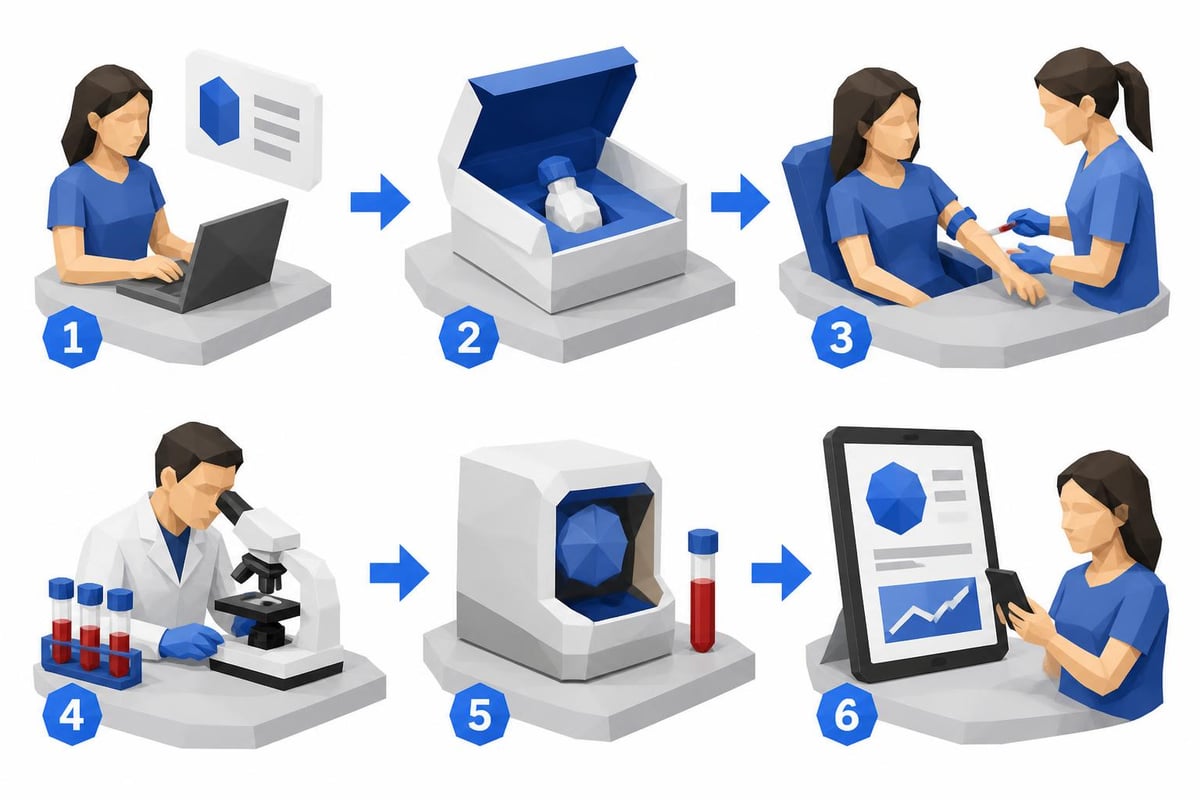
Understanding lab test turnaround times helps set realistic expectations for when you'll receive your results, with most AMH tests processed within one to three business days.
Cost Considerations and Accessibility
The financial aspect of the AMH test reading your ovarian reserve varies significantly depending on your testing approach. In 2026, transparent pricing models have made fertility testing more accessible than ever.
Pricing Landscape
Traditional insurance-based testing often involves copays, deductibles, and potential out-of-network charges that can make the final cost unpredictable. Many insurance plans also require documented infertility or specific medical indications before covering AMH testing, creating barriers for proactive testing.
Self-pay options through direct-access laboratories typically range from $49 to $149, with prices clearly stated upfront. This transparency allows for better financial planning and often results in lower total costs compared to insurance-based routes, particularly for those with high deductibles.
When evaluating lab test pricing, consider the total value package including convenience, speed, and the ability to test proactively rather than waiting for medical necessity documentation.
Making Testing Affordable
Several strategies can help manage the cost of AMH testing:
- Self-pay direct access: Often the most cost-effective approach for those with high-deductible insurance plans
- FSA/HSA funds: Many flexible spending and health savings accounts cover fertility testing
- Bundled panels: Some services offer comprehensive fertility panels that include AMH along with other relevant hormones at package pricing
- Price comparison: Understanding the lab test price comparison landscape helps identify the best value
Interpreting Results with Context
Receiving your AMH test reading your ovarian reserve represents just the first step in understanding your fertility picture. Comprehensive guidance on ovarian reserve testing emphasizes the importance of contextual interpretation rather than viewing numbers in isolation.
Factors That Influence AMH Levels
Several variables can affect your AMH results beyond the actual egg count:
Hormonal Contraception: Birth control pills may suppress AMH levels, potentially underestimating true ovarian reserve. Some experts recommend waiting one to two months after discontinuing hormonal contraception before testing for more accurate results.
Polycystic Ovary Syndrome (PCOS): Women with PCOS often have elevated AMH levels, sometimes exceeding 5.0 ng/mL, due to the increased number of small follicles characteristic of this condition. High AMH doesn't always indicate excellent fertility in PCOS cases.
Vitamin D Status: Some research suggests correlations between vitamin D levels and AMH, though the clinical significance remains under investigation.
Laboratory Variation: Different assays and laboratories may produce slightly different results. When tracking AMH over time, using the same laboratory ensures consistency in methodology.
The Importance of Serial Testing
A single AMH test reading your ovarian reserve provides a snapshot, but serial testing over time reveals trends that offer more valuable information. Most experts recommend retesting every 12 to 18 months if you're tracking ovarian reserve decline, particularly if initial results show borderline or low levels.
Declining AMH levels follow predictable patterns, and understanding your personal trajectory helps inform timing decisions for family building. Rapid declines may warrant more urgent action than gradual, age-appropriate decreases.
Beyond the Numbers: Taking Action
Understanding your AMH results empowers informed decision-making, but the appropriate next steps depend on your individual circumstances, age, and reproductive goals.
For Normal or High AMH Levels
If your results fall within the normal or high range for your age, you likely have adequate ovarian reserve for your current needs. This information provides reassurance if you're planning to delay pregnancy, though it's important to remember that egg quality still declines with age regardless of quantity.
Consider:
- Regular monitoring every 1-2 years to track changes
- Focusing on overall health optimization for future fertility
- Maintaining awareness that normal AMH doesn't guarantee immediate conception when ready
For Low or Diminished AMH Levels
Low AMH results don't mean pregnancy is impossible, but they do suggest a more limited timeframe for family building. Many women with low AMH conceive naturally, though the statistical probability decreases compared to those with higher reserves.
Action steps may include:
- Consultation with a reproductive endocrinologist for comprehensive fertility assessment
- Consideration of expedited family building timelines if pregnancy is desired
- Exploration of egg freezing if pregnancy isn't immediately planned but desired in the future
- Assessment of other fertility factors that might be optimized
For Very High AMH Levels
Very high AMH levels may indicate excellent ovarian reserve but can also suggest PCOS, particularly when accompanied by irregular cycles, elevated androgens, or polycystic ovaries on ultrasound. PCOS requires different management strategies than high ovarian reserve alone.
The Role of Complementary Testing
While the AMH test reading your ovarian reserve provides valuable information, comprehensive fertility assessment often includes additional testing for a complete picture. Deciding how far to go is easier once you understand what a fertility panel adds over a standard female hormone panel.
Hormonal Panel Components
A thorough fertility workup typically examines multiple hormones:
- FSH (Follicle Stimulating Hormone): Measured on cycle day 2-4, FSH provides complementary information about ovarian reserve
- Estradiol: Also measured early in the cycle, this hormone helps interpret FSH results
- LH (Luteinizing Hormone): Useful for identifying ovulation patterns and PCOS screening
- Progesterone: Measured mid-luteal phase to confirm ovulation occurred
- Thyroid hormones: TSH and related markers affect reproductive function
Imaging Studies
Transvaginal ultrasound provides visual assessment of ovarian reserve through antral follicle count (AFC). Research correlating ovarian volume with reproductive function throughout life shows strong associations between AFC, ovarian volume, and AMH levels, making combined assessment particularly powerful.
Male Factor Evaluation
Since male factor contributes to approximately 40-50% of fertility challenges, comprehensive assessment includes semen analysis for couples actively trying to conceive. Addressing all potential factors simultaneously maximizes efficiency in the fertility journey.
Making Informed Decisions
The AMH test reading your ovarian reserve serves as a tool for empowerment, providing data that informs but doesn't dictate your reproductive choices. In 2026, the accessibility of this testing through platforms that allow you to get lab tests conveniently means more women can access this information proactively rather than reactively.
Understanding your ovarian reserve allows you to:
- Plan strategically: Align career, relationship, and family building goals with biological realities
- Reduce anxiety: Replace uncertainty with actionable information
- Optimize timing: Make informed decisions about when to pursue pregnancy or preserve fertility
- Seek appropriate care: Identify when specialist consultation might be beneficial
Remember that fertility represents a complex interplay of multiple factors, and ovarian reserve is just one piece of the puzzle. While AMH testing provides valuable insights into egg quantity, successful conception depends on numerous additional factors including egg quality, sperm health, uterine receptivity, tubal function, and overall health.
Understanding your AMH test reading your ovarian reserve empowers you to make informed decisions about your reproductive future, whether you're planning for pregnancy now or exploring your options for later. With transparent pricing and convenient access to testing, you can take control of your fertility journey on your timeline. Justlabs makes this process straightforward by offering affordable, direct-access AMH testing with results in 1-3 days, eliminating the need for insurance or doctor visits while maintaining the highest laboratory standards.