Millions of Americans feel tired, sluggish, or notice unexplained health changes every year. Did you know that up to 92% of people in the U.S. have at least one vitamin deficiency? Detecting these issues early with a vitamin panel blood test can help prevent more serious problems down the road. Understanding your vitamin and mineral levels is key for boosting energy, supporting immunity, and feeling your best long term. In this guide, you will learn what a vitamin panel blood test is, what it measures, who should consider testing, how to prepare, and how to make sense of your results.
What Is a Vitamin Panel Blood Test?
Feeling tired, run down, or simply curious about your health? A vitamin panel blood test can provide valuable insights into your nutritional status and help uncover the root cause of unexplained symptoms. These tests are becoming a cornerstone of preventive wellness, offering a clear snapshot of your body’s essential nutrients.
Definition and Purpose
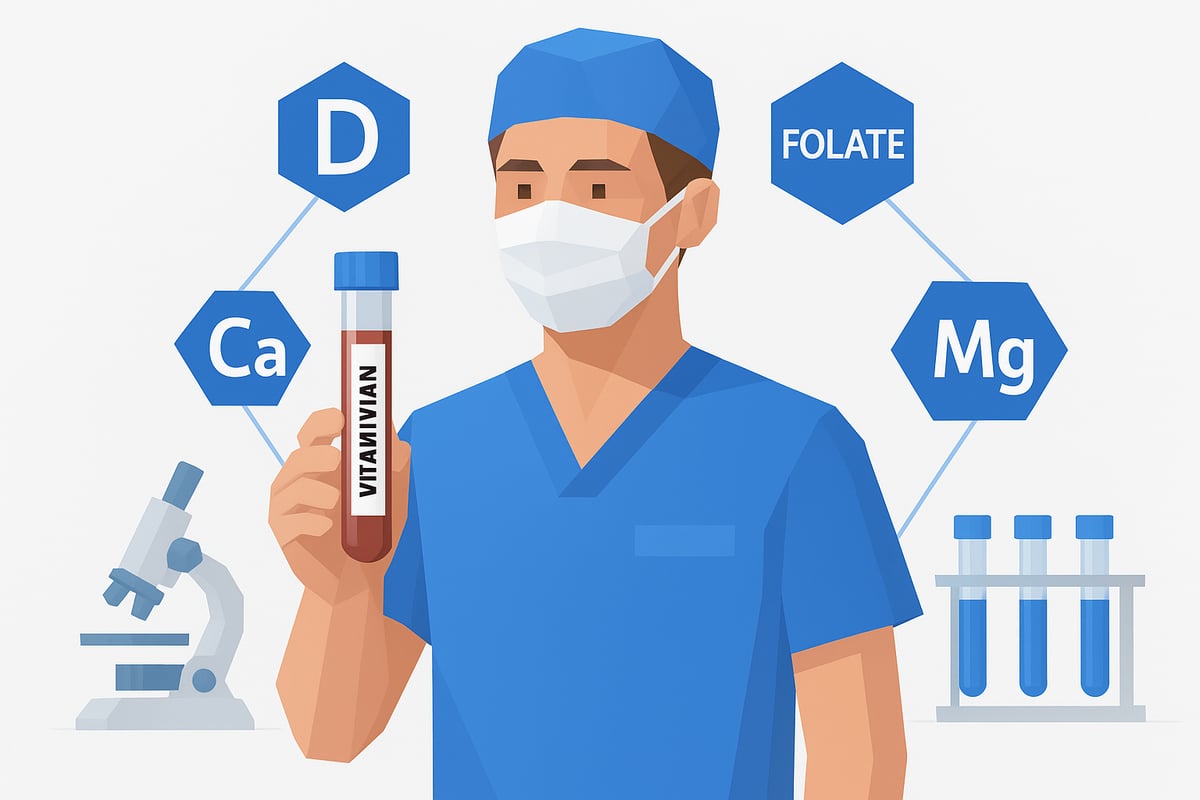
A vitamin panel blood test is a laboratory test that measures the levels of several key vitamins and sometimes related minerals in your blood. Unlike tests that focus on a single nutrient, a vitamin panel provides a broad overview of your nutritional health.
These tests help identify deficiencies before symptoms become severe, supporting early intervention and proactive health management. Comprehensive panels may also include metabolic markers, minerals, and sometimes even a complete blood count for a more holistic view.
Direct-to-consumer options have made access easier, allowing individuals to order tests without a doctor’s appointment. For example, panels like the ones offered by Walk-In Lab cover over ten markers, making it simple to monitor your wellness. For a deeper understanding of how these panels fit into overall health, you can read the Comprehensive blood testing overview.
Recommended Panel
Vitamin & Mineral Panel
Save $5This panel tests the most commonly deficient nutrients: Vitamin D, B12, Folate, Iron (with complete iron studies), Ferritin, and Magnesium - the building blocks your body needs to function optimally.
Includes 9 biomarkers
$64
Fasting required
Key Vitamins and Markers Included
Most vitamin panel blood test options check for essential nutrients that support energy, immunity, and metabolic function. Commonly measured vitamins include:
- Vitamin D (vital for bone health and the immune system)
- Vitamin B12 (crucial for nerve function and red blood cell production)
- Folate (important for cell growth and anemia prevention)
Panels often include minerals such as calcium, magnesium, sodium, potassium, and chloride. Some may also measure iron-related markers, or bundle in a complete blood count (CBC) or comprehensive metabolic panel (CMP).
These nutrients are critical for your body to function at its best. Reference ranges can vary by lab, so it is essential to review your results in context. Low or high values may suggest a need for dietary changes or further evaluation, but only a healthcare provider can interpret your results fully.
Who Should Consider a Vitamin Panel?
A vitamin panel blood test is useful for many people, especially those experiencing unexplained fatigue, weakness, or hair loss. Adults aged 60 and older are more likely to be deficient in vitamins B12 and D.
People following vegetarian, vegan, or highly restrictive diets may miss key nutrients found in animal products or certain food groups. Those with digestive disorders that affect absorption, or anyone making major dietary changes, can benefit from testing as well.
Routine vitamin panels also appeal to individuals interested in proactive wellness. Remember, supplements are not always necessary—testing helps target what your body truly needs. Self-pay options like JustLabs make it easy to access vitamin panel blood test services with transparent pricing and no insurance requirements.
When and Why to Get Tested
Millions of people wonder if unexplained fatigue or changes in wellbeing could be linked to a vitamin or mineral imbalance. A vitamin panel blood test is a valuable tool for uncovering these hidden deficiencies and taking control of your health.

Signs and Symptoms of Vitamin Deficiency
Many symptoms of vitamin and mineral deficiency are subtle and can be mistaken for normal life changes or stress. Fatigue, low energy, and weakness are among the most common signals that your body may not be getting what it needs.
Other signs include:
- Slow wound healing
- Hair loss or thinning
- Changes in skin or nail texture
- Difficulty with memory or focus
- More frequent colds or infections
These symptoms are not always obvious, and some people may have no symptoms at all. In fact, national data from the CDC's Second Nutrition Report shows that many Americans have low levels of key nutrients without realizing it. A vitamin panel blood test can help identify these deficiencies before they lead to more serious health issues.
Energy & Fatigue Panel
36 biomarkers
Risk Factors and At-Risk Groups
Certain individuals are more likely to benefit from a vitamin panel blood test due to their health history, lifestyle, or age. You might consider testing if you fall into one of these groups:
- Adults over 60, as absorption of some vitamins like B12 and D naturally declines
- People with digestive disorders (such as celiac or Crohn’s disease)
- Individuals following vegetarian, vegan, or highly restrictive diets
- Those with limited sun exposure, which can affect vitamin D levels
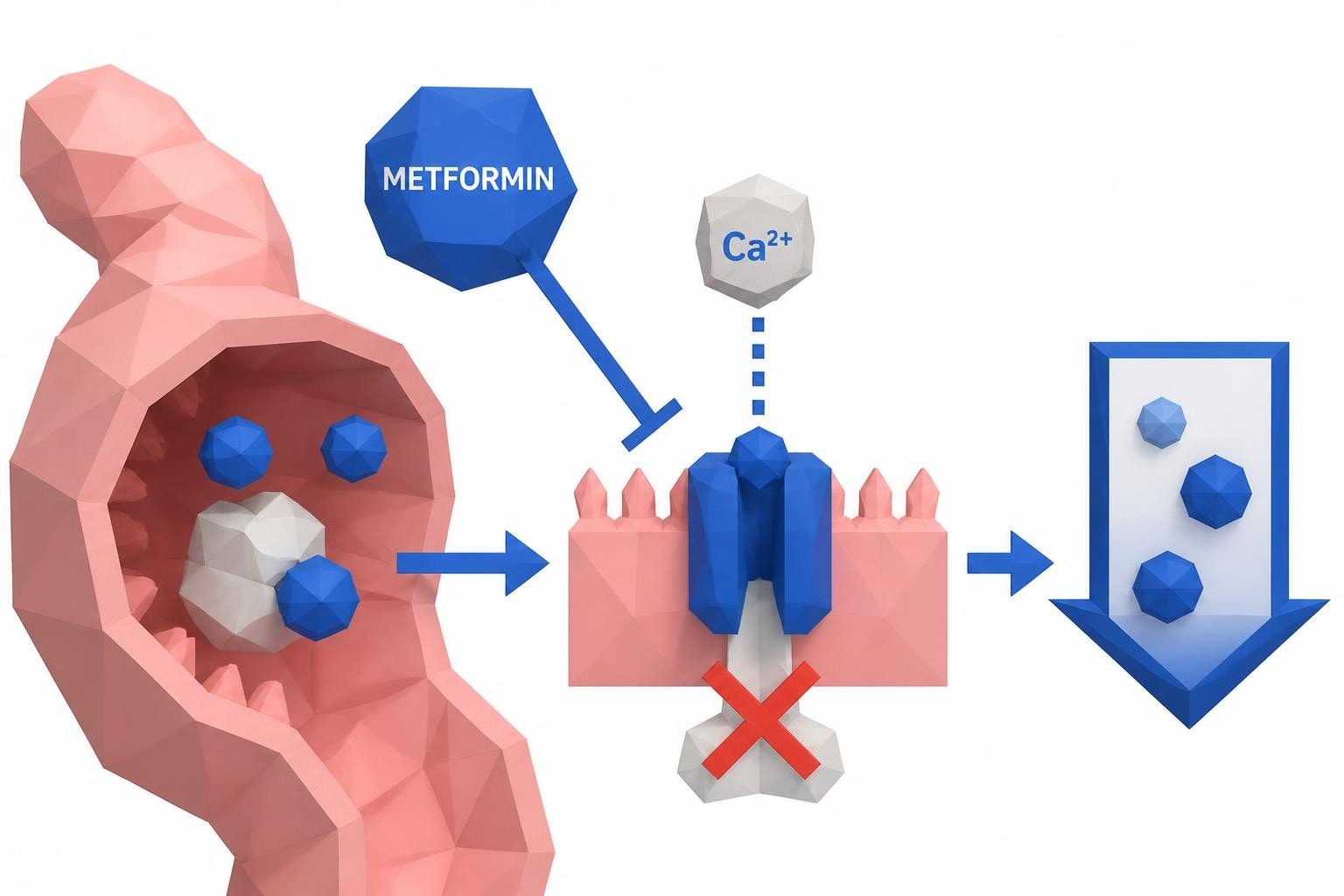
- People taking medications that impact nutrient absorption (for example, antacids or metformin)
If you are experiencing unexplained symptoms or belong to one of these groups, a vitamin panel blood test may provide important insights into your nutritional status.
Preventive and Routine Screening
A vitamin panel blood test is not only for those with symptoms. Many people use it as part of their regular health screening to catch deficiencies early and establish a nutritional baseline. Early detection can prevent complications such as anemia, bone health problems, or immune dysfunction.
Common scenarios for ordering a vitamin panel blood test include:
- Annual wellness exams
- Before starting a new supplement or making major dietary changes
- Monitoring progress after correcting a deficiency
Establishing your baseline can help you and your healthcare provider make informed decisions about your diet and supplementation, supporting long-term wellness.
Basic Wellness Panel
37 biomarkers
Frequency of Testing
How often should you get a vitamin panel blood test? The answer depends on your health goals and risk factors.
Typical recommendations:
- Once for an initial baseline
- Every 6 to 12 months if you have changed your diet or lifestyle
- Every 3 to 6 months while correcting a deficiency
- Annually for ongoing wellness monitoring
Your healthcare provider can help you determine the best interval based on your unique needs. Regular testing ensures that you stay on track and make adjustments as necessary.
Vitamin panel blood test options are now easy to access through self-pay platforms like JustLabs, offering transparent pricing and nationwide availability for anyone seeking proactive management of their health.
What to Expect: The Testing Process in 2026
Getting a vitamin panel blood test in 2026 is simpler and more accessible than ever. Whether you are checking for deficiencies, monitoring your wellness, or just curious about your nutritional status, understanding the process can help you feel prepared and confident.
Step 1: Ordering and Scheduling
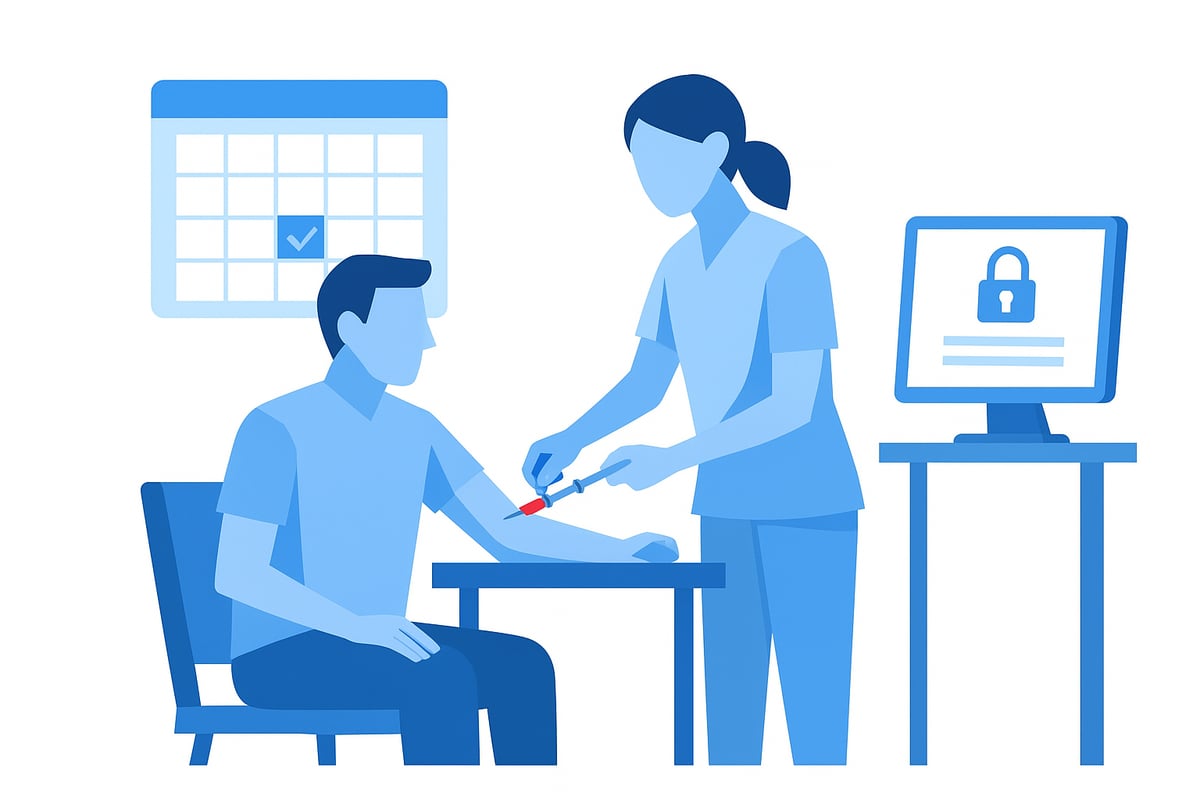
In 2026, ordering a vitamin panel blood test is as easy as shopping online. You can visit a direct-to-consumer platform, select your preferred panel, and pay securely without needing a doctor’s referral or insurance. Many people appreciate the transparency of knowing the exact cost up front.
Once you’ve selected your test, you’ll choose a nearby lab location for your blood draw. Most platforms, including JustLabs, partner with national lab networks, so it’s easy to find a convenient site. You can often schedule your appointment online, which helps avoid long waits and fits testing into your routine.
For a detailed look at the steps from ordering to results, you can review How lab testing works for a patient-friendly walkthrough. This streamlined approach makes the vitamin panel blood test process straightforward from start to finish.
Step 2: Pre-Test Preparation
Proper preparation helps ensure your vitamin panel blood test results are accurate and actionable. Most panels require fasting for 10 to 12 hours before your appointment, with only water allowed. This helps measure baseline nutrient levels without recent food or drink interfering.
You may also need to pause vitamin supplements and alcohol for 24 hours before your test. If you take biotin (Vitamin B7), stop it 72 hours before the blood draw, since it can affect certain results. Try to keep your diet stable for two to three weeks before testing, since sudden changes can impact your levels.
Schedule your blood draw in the morning if possible, especially if you take daily medications. Following these simple steps ensures your vitamin panel blood test gives a clear, reliable snapshot of your health.
Step 3: The Blood Draw
On the day of your vitamin panel blood test, you’ll visit your chosen lab location. The staff will check your ID and confirm your order, then a skilled phlebotomist will collect a small blood sample from your arm using a sterile needle.
The process is quick, usually taking just a few minutes. To make your experience smoother, drink plenty of water beforehand, wear loose sleeves, and try to relax. If you feel nervous, let the technician know—they’re experienced at helping patients feel comfortable.
Most people find the vitamin panel blood test painless or only mildly uncomfortable. Afterward, you can resume your normal activities with minimal downtime.
Step 4: Turnaround Time and Receiving Results
After your blood is collected, the lab analyzes your sample for key vitamins, minerals, and markers. Results are typically ready within one to three business days. You’ll receive a secure notification to access your results online, where you can view each nutrient level compared to the lab’s reference ranges.
Results are presented in a clear, easy-to-understand format, often with explanations or guidance for next steps. If you have questions, many providers offer the option to review your vitamin panel blood test results with a clinician or share them with your doctor.
Self-pay options like JustLabs make it simple to manage your wellness with transparent pricing, fast turnaround, and nationwide access. By understanding the testing process, you can take charge of your health with confidence.
Understanding Your Vitamin Panel Results
When you receive your vitamin panel blood test results, it is natural to have questions about what the numbers mean for your health. Each result is compared to a reference range set by the laboratory. This range helps determine if your levels are considered normal, low, or high for each specific vitamin or mineral.
How Results Are Reported
A vitamin panel blood test typically displays your values alongside a “reference range.” If your result falls within this range, it is generally considered normal. Results below the range may indicate a deficiency, while results above could suggest excess.
It is important to remember that reference ranges can vary between labs. The interpretation should always consider your age, gender, health history, and any symptoms you may have. For a step-by-step guide on reading your vitamin panel blood test, you can visit Understanding lab test results.
If your results are outside the normal range, do not panic. Some variations are temporary or related to recent dietary changes. Always review your vitamin panel blood test results with a healthcare professional for personalized advice.
Common Deficiencies and What They Mean
Several vitamins and minerals are commonly measured in a vitamin panel blood test. The most frequent deficiencies include vitamin D, vitamin B12, and folate. These nutrients are essential for energy, immune support, and cell growth.
Below is a quick reference table summarizing what low levels might mean:
| Nutrient | Potential Impact |
|---|---|
| Vitamin D | Bone weakness, low immunity, mood |
| B12 | Fatigue, nerve issues, anemia |
| Folate | Anemia, cell growth problems |
| Calcium | Bone/muscle problems |
| Magnesium | Muscle cramps, tiredness |
A vitamin panel blood test may also include iron studies or a complete blood count. These can provide further insight into your overall health and detect issues like anemia.
Ferritin
1 biomarkers
Iron and Total Iron Binding Capacity
3 biomarkers
Complete Blood Count with Differential
14 biomarkers
Interpreting Patterns and Combined Markers
Interpreting a vitamin panel blood test involves looking at patterns, not just individual values. For example, low B12 and folate together may suggest absorption problems or specific dietary gaps. High or low levels of multiple nutrients can sometimes signal underlying medical issues.
Results should be considered alongside your symptoms, personal habits, and other medical tests. Sometimes, what appears to be a deficiency may be influenced by recent illness, medication, or supplement use. Your healthcare provider can help make sense of your vitamin panel blood test by reviewing all these factors.
Magnesium, RBC
1 biomarkers
Zinc
1 biomarkers
Next Steps After Receiving Results
Once you have your vitamin panel blood test results, discuss them with your healthcare provider. They may recommend dietary changes, targeted supplements, or follow-up testing. Never start high-dose supplements without professional guidance, as more is not always better.
If deficiencies are found, rechecking your vitamin panel blood test after making changes can track your progress. Many people find that self-pay options like JustLabs make it easy to monitor wellness with transparent pricing and convenient access to testing.
Myths, Misconceptions, and Supplement Safety
Millions of people consider a vitamin panel blood test each year, yet confusion about when and why to get tested is common. Myths around symptoms, supplement use, and test necessity can lead to missed deficiencies or unnecessary risks. Understanding the facts is key to making informed, safe choices about your health.
Common Misconceptions About Vitamin Testing
A frequent myth is that if you feel healthy, you do not need a vitamin panel blood test. In reality, many vitamin deficiencies develop slowly and may not cause obvious symptoms until they are advanced. Fatigue, mood changes, or hair thinning can be subtle signs, but some people notice nothing at all. This is why routine screening is valuable for proactive wellness.
Another misconception is that supplements are always safe and necessary. While vitamins and minerals play essential roles, taking them without evidence can cause harm. Overuse of supplements may lead to toxicity or interact with medications. Testing helps you avoid guessing and targets only what your body actually needs.
The Truth About Supplements and Deficiency
Relying on supplements without confirming a deficiency can be misleading. Not everyone needs the same nutrients, and some, like vitamin D or B12, are more commonly low than others. A vitamin panel blood test identifies where you truly stand and prevents unnecessary supplementation. For example, the Endocrine Society's vitamin D guidelines recommend daily intake based on age, health, and sun exposure, with lab testing for those at risk.
Testing is especially important if you have risk factors like restricted diets, digestive issues, or are starting new supplements. This approach allows you to correct only what is needed, supporting overall health without guesswork.
Vitamin D, 25-Hydroxy
Vitamin D deficiency affects over 40% of Americans. This test measures your vitamin D status, essential for bone health, immune function, mood, and much more.
Includes 2 biomarkers
$25
Quality and Regulation of Supplements
Not all supplements are created equal. Quality and potency can vary widely between brands, as regulation of supplements is less strict than for medications. This means you may not always get what you expect from over-the-counter products.
A vitamin panel blood test offers a safer, evidence-based guide to supplementation. It helps you and your healthcare provider decide if a supplement is necessary and which dose is appropriate. For example, if your vitamin D level is found to be low, you can review Vitamin D blood test details for more information on targeted testing.
The Role of Diet vs. Supplements
Whenever possible, focus on meeting your nutrient needs through a balanced diet. Whole foods provide vitamins, minerals, and other nutrients in forms your body can absorb best. Supplements are useful tools for correcting diagnosed deficiencies, but they should not replace healthy eating habits.
If you are unsure about your nutritional status, consider a vitamin panel blood test for clear answers. With self-pay options like JustLabs, you can access affordable, transparent testing and take the next step toward better health.
Choosing the Right Vitamin Panel and Provider
Selecting the best vitamin panel blood test starts with understanding your health goals and knowing what options are available. With so many choices in 2026, from basic screens to comprehensive wellness panels, it is important to compare panels, providers, and features before making a decision.
Types of Panels Available
Vitamin panel blood test options range from basic panels, which measure a few key vitamins, to comprehensive bundles that include minerals and metabolic markers. Basic panels often test for vitamin D, B12, and folate. Comprehensive panels may include iron studies, calcium, magnesium, and even lipid or metabolic markers.
| Panel Type | What’s Included | Best For |
|---|---|---|
| Basic Vitamin | Vitamin D, B12, Folate | General screening |
| Comprehensive | Vitamins, minerals, CBC, CMP, Lipid Panel | In-depth wellness assessment |
| Standalone | Single nutrient (e.g., vitamin D) | Targeted deficiency checks |
With rising awareness of vitamin D deficiency, a Vitamin D deficiency prevalence in the U.S. study highlights why these panels are valuable for many adults.
Vitamin & Mineral Panel
9 biomarkers
Comprehensive Wellness Panel
44 biomarkers
Comparing Testing Providers
When choosing where to get your vitamin panel blood test, compare traditional labs, direct-to-consumer/self-pay services, and home test kits. Traditional labs require a doctor’s order and insurance, while self-pay platforms let you order online, often at lower cost. Home kits offer convenience but may have longer turnaround or less comprehensive panels.
Consider these factors:
- Convenience (lab locations, online ordering)
- Cost and transparency
- Turnaround time for results
- Access to professional guidance
A table can help you compare:
| Provider Type | Ordering Process | Cost | Results | Professional Review |
|---|---|---|---|---|
| Traditional Lab | Doctor required | Higher | 2–5 days | Yes |
| Self-Pay Platform | Online, self-order | Lower | 1–3 days | Yes/Optional |
| Home Test Kit | Mail-in sample | Variable | 5–10 days | Sometimes |
What to Look for in a Provider
A reputable vitamin panel blood test provider should use CLIA-certified labs to ensure accuracy. Look for:
- Transparent, upfront pricing with no hidden fees
- Secure, HIPAA-compliant delivery of results
- Access to licensed clinicians or pharmacists for result review
- Clear explanation of reference ranges and next steps
These features help you make confident decisions about your nutrition and wellness.
Questions to Ask Before Ordering
Before you order a vitamin panel blood test, consider these important questions:
- Do I need to fast, or stop supplements or medications before the test?
- How soon will I receive my results?
- Will I be able to discuss results with a healthcare professional?
- Are the results presented in a way I can understand and act on?
Asking these questions can help you avoid surprises and get the most value from your test.
Example: Walk-In Lab and JustLabs as leading self-pay options for 2026
Walk-In Lab and JustLabs are two leading self-pay vitamin panel blood test providers. Both offer nationwide access, fast turnaround, and comprehensive wellness panels. JustLabs stands out for transparent pricing, AI-powered result explanations, and secure online delivery. These platforms make it easy for individuals without insurance or a doctor’s order to take charge of their nutritional health.
Choosing a self-pay provider gives you flexibility, affordability, and direct access to your results, helping you stay proactive about your wellness.
If you’re ready to take charge of your health and gain clarity about your vitamin and nutrient status, you don’t have to wait for a doctor’s appointment or navigate confusing insurance. With JustLabs, you can easily order the specific vitamin panel blood tests you need online, all at transparent prices and with quick results. It’s a straightforward way to get actionable insights for your energy, immunity, and long-term wellness—on your schedule and your terms. \
Curious which tests fit your needs? Browse Tests and take the next step toward understanding your health today.
Recommended Panel
Vitamin & Mineral Panel
Save $5This panel tests the most commonly deficient nutrients: Vitamin D, B12, Folate, Iron (with complete iron studies), Ferritin, and Magnesium - the building blocks your body needs to function optimally.
Includes 9 biomarkers
$64
Fasting required