Wondering what your blood can reveal about your health in 2026? You're not alone. Today, comprehensive blood testing is more important than ever for anyone who wants to take control of their well-being. Going beyond basic labs, these advanced panels offer peace of mind and clear, actionable insights into your body's overall health. In this guide, you'll discover what comprehensive blood testing really means, who should consider it, what's included, how it differs from standard tests, when and how often to test, and how to make sense of your results. This is your practical, up-to-date guide for smarter health decisions in 2026.
What Is Comprehensive Blood Testing?
Understanding your health often requires looking beyond the surface. Comprehensive blood testing gives you a complete picture, not just a glimpse, of what's happening inside your body.
This approach brings together a wide range of lab markers to help detect early risks, monitor ongoing conditions, and support informed decisions about your well-being.

Definition and Scope
Comprehensive blood testing means evaluating multiple health markers in one coordinated panel, not just running a single test or basic group of labs. Unlike routine or single-marker testing, comprehensive panels in 2026 go far beyond the basics.
These panels typically include:
- Complete Blood Count (CBC)
- Comprehensive Metabolic Panel (CMP)
- Lipid Panel (cholesterol and triglycerides)
- Hemoglobin A1C
- Thyroid markers (TSH, Free T4, Free T3)
- Iron studies (ferritin, serum iron, TIBC)
- Vitamin and mineral levels (vitamin D, B12, folate)
- Inflammation markers (CRP, ESR)
Many now also offer advanced options, like genetic risk screening or hormone analysis. New guidelines and technologies have expanded what's included, making it easier to uncover hidden issues. For a detailed list, see the Comprehensive Wellness Blood Test Panel.
The goal is a holistic health snapshot, not just checking for symptoms. Comprehensive blood testing helps spot trends and risks early, giving you and your provider a strong foundation for proactive care.
Who Needs Comprehensive Blood Testing?
Comprehensive blood testing is not reserved for people with clear health problems. It is valuable for a wide range of individuals:
- Anyone managing chronic conditions such as diabetes, thyroid disorders, or heart disease.
- Adults seeking a thorough annual wellness check or baseline health data.
- People experiencing unexplained symptoms, like fatigue or weight changes, who want answers beyond basic labs.
- Those with a family history of genetic or chronic diseases.
- Preventive health enthusiasts who want to stay ahead of potential issues.
A common misconception is that comprehensive blood testing is only for the sick or elderly. In reality, it benefits nearly all adults by revealing silent deficiencies or risks that routine screens might miss. This approach supports both ongoing monitoring and proactive wellness.
Comprehensive Diabetes Panel
10 biomarkers
Hashimoto's Panel
5 biomarkers
Advanced Heart Health Panel
10 biomarkers
Comprehensive vs. Basic Blood Panels
Basic blood panels, such as a standard CBC or CMP, are designed to check for the most common problems. They usually include a limited set of markers like red and white blood cell counts, basic electrolytes, and cholesterol.
Comprehensive blood testing, on the other hand, covers a broader set of markers. This can reveal conditions or risks that basic panels overlook. For example, a comprehensive panel may detect low vitamin D, subtle thyroid dysfunction, or early inflammation, each of which could be missed by a routine test.
| Panel Type | Markers Included | Example Conditions Detected |
|---|---|---|
| Basic | CBC, CMP, Lipids | Anemia, diabetes, high cholesterol |
| Comprehensive | CBC, CMP, Lipids, A1C, thyroid, iron, vitamins, inflammation | Anemia, diabetes, thyroid issues, nutrient deficiencies, early inflammation, more |
Studies show that broader screening increases the detection of silent risks in healthy adults. However, interpretation is key. Abnormal results do not mean diagnosis, but they do prompt important follow-up.
Recommended Panel
Basic Wellness Panel
Save $2.5Our most affordable comprehensive screening includes the 4 tests doctors order most: CBC, Comprehensive Metabolic Panel, Lipid Panel, and TSH. Covers 30+ biomarkers in one blood draw.
Includes 37 biomarkers
$30
Fasting required
Recommended Panel
Comprehensive Wellness Panel
Save $4.5Our most thorough health screening covers blood cells, organ function, cholesterol, thyroid, blood sugar, vitamin D, inflammation, and iron - everything you need for a complete health picture.
Includes 44 biomarkers
$94
Fasting required
Today, you can access comprehensive blood testing through self-pay platforms like JustLabs, which offer transparent pricing and a wide array of panels for ongoing health management.
What's Included in a Comprehensive Blood Test Panel?
Understanding what is included in a comprehensive blood testing panel is essential for anyone seeking a complete view of their health. Unlike basic screens that only scratch the surface, comprehensive blood testing offers a much broader evaluation. It covers multiple body systems, helping you and your healthcare provider identify risks, deficiencies, and early signs of chronic conditions.
Core Components and Their Significance
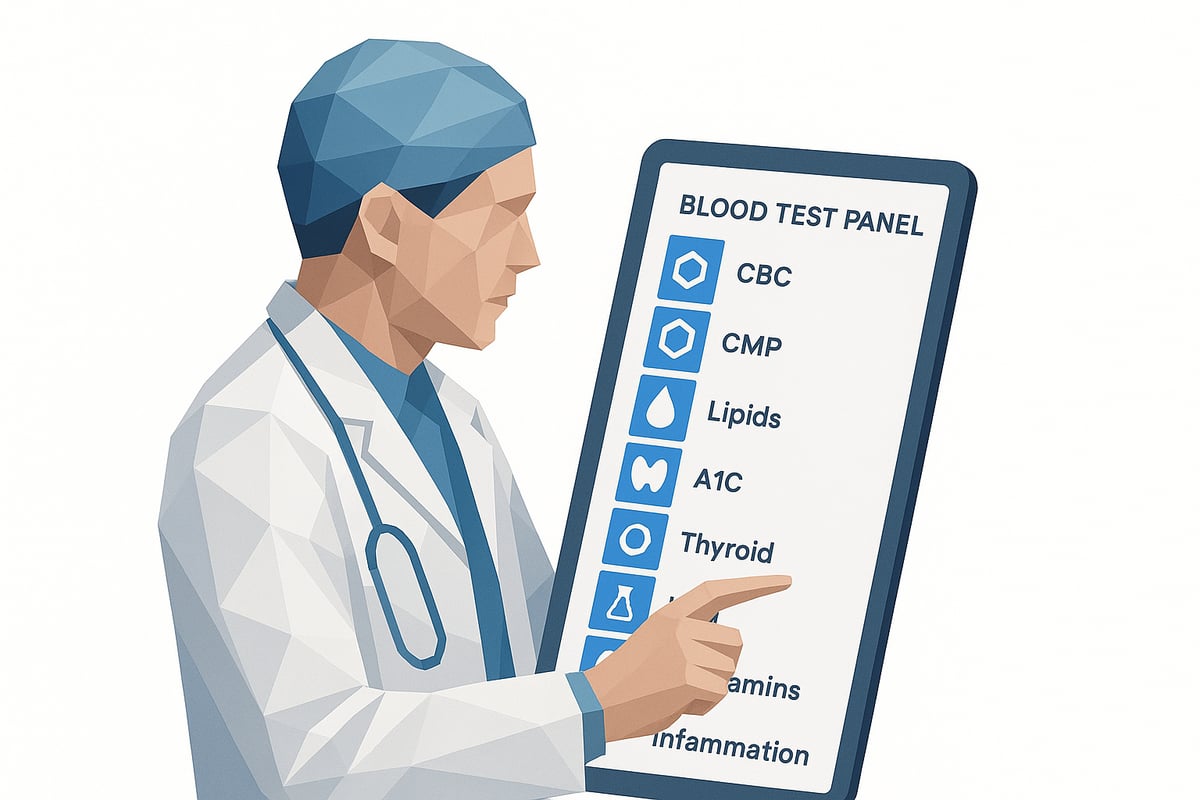
A comprehensive blood testing panel typically goes far beyond the basics. It combines several tests that each target a different aspect of your health. Here's a summary of the most common components:
| Test Panel | What It Screens For | Why It Matters |
|---|---|---|
| Complete Blood Count (CBC) | Anemia, infection, blood disorders | Assesses overall blood health |
| Comprehensive Metabolic Panel (CMP) | Kidney/liver function, electrolytes, glucose | Checks organ function and metabolic balance |
| Lipid Panel | Cholesterol, triglycerides, heart risk | Evaluates cardiovascular risk |
| Hemoglobin A1C | Long-term blood sugar control | Detects diabetes and prediabetes |
| Thyroid Markers | TSH, Free T4, Free T3 | Monitors metabolism and thyroid health |
| Iron Studies | Ferritin, iron, TIBC, transferrin saturation | Identifies anemia or iron overload |
| Vitamin and Mineral Levels | Vitamin D, B12, folate | Detects nutritional deficiencies |
| Inflammation Markers | CRP, ESR | Reveals hidden inflammation or heart risk |
Complete Blood Count with Differential
14 biomarkers
Comprehensive Metabolic Panel
16 biomarkers
Lipid Panel (Standard)
6 biomarkers
Hemoglobin A1c (HbA1c)
2 biomarkers
Complete Thyroid Panel
6 biomarkers
Ferritin
1 biomarkers
Iron and Total Iron Binding Capacity
3 biomarkers
Vitamin & Mineral Panel
9 biomarkers
Inflammation Panel
17 biomarkers
Comprehensive blood testing may also include optional or advanced markers, such as hormone levels, cardiac enzymes, or genetic risk factors. These additions provide even more insight, especially for those with complex health needs.
Each test in comprehensive blood testing is chosen to give a complete snapshot of your body's current state. This approach helps highlight issues that may not cause symptoms right away, allowing for earlier intervention.
How Each Marker Contributes to a Health Overview
Comprehensive blood testing is not just about collecting data; it is about piecing together a full picture of your health. Each marker tells part of the story, and together, they reveal patterns and connections that single tests might miss.
For example:
- CBC can uncover anemia or immune problems even before you feel unwell.
- CMP can show early signs of kidney or liver stress, sometimes before symptoms appear.
- Lipid panel and A1C together give a better understanding of heart and metabolic health than either test alone.
- Thyroid markers and iron studies interact, since thyroid issues can affect iron absorption and vice versa.
- Vitamin D, B12, and folate deficiencies are common in adults and can impact energy, mood, and nerve health.
- Inflammation markers like CRP may be elevated even in people who feel healthy, pointing to silent cardiovascular risks.
Energy & Fatigue Panel
36 biomarkers
Research shows that up to 30% of healthy adults have at least one undetected deficiency or risk factor that only comprehensive blood testing can reveal. This broad assessment reduces the chance of missed or delayed diagnoses, supporting better long-term outcomes.
By looking at trends over time, comprehensive blood testing also helps track progress, monitor chronic conditions, and guide lifestyle changes. Interpreting these results in context is key, so follow-up with a healthcare professional is always recommended.
Emerging Trends in Blood Testing for 2026
Comprehensive blood testing is evolving rapidly. In 2026, new technologies and guidelines are making panels even more powerful and accessible.
Artificial intelligence is now helping select the most relevant tests and interpret complex patterns in results. Personalized panels are becoming common, tailored to your genetics, lifestyle, and risk factors. Home sample collection and remote monitoring allow for more convenient testing, especially for those with busy schedules or mobility challenges.
Regulatory changes and updated insurance policies are also shaping what tests are included in panels and how often they are recommended. For a deep dive into these advancements, see Top Laboratory and Blood Testing Trends Shaping 2026.
Self-pay platforms like JustLabs are making comprehensive blood testing panels available nationwide, with clear upfront pricing and no insurance requirements. This empowers patients to take control of their health on their own terms, whether for routine monitoring or peace of mind.
When and How Often Should You Get Comprehensive Blood Testing?
Understanding the right timing for comprehensive blood testing is essential for proactive health management. Your unique health history, lifestyle, and risk factors all play a role in determining the best schedule. Rather than relying on a one-size-fits-all approach, consider a personalized plan that adapts to your needs over time.

Recommended Testing Frequency
For most healthy adults, annual comprehensive blood testing provides a valuable baseline and ongoing snapshot of overall wellness. This yearly checkup helps detect silent changes, such as vitamin deficiencies or shifts in cholesterol, before symptoms appear.
If you have a chronic condition like diabetes, thyroid disease, or heart concerns, your healthcare provider may recommend more frequent comprehensive blood testing. Monitoring every three to six months is common for those on certain medications or with active medical conditions. Age is another factor—adults over 40, or those with a family history of disease, may benefit from more regular checks.
Longevity & Aging Panel
46 biomarkers
A personalized schedule considers gender, risk factors, and health goals. Some individuals choose bi-annual tests during life transitions or when starting new health regimens. Ultimately, the timing of comprehensive blood testing should align with your specific needs and your provider's guidance.
Signs It's Time for Comprehensive Testing
Certain situations make comprehensive blood testing especially important. If you experience unexplained fatigue, sudden weight changes, or persistent symptoms that don't resolve, a thorough blood panel can help uncover underlying causes. New symptoms aren't the only signal—major life events like pregnancy, menopause, or starting new medications may warrant a fresh look at your health markers.
Preventive checkups are another key reason to consider comprehensive blood testing. Even if you feel well, routine panels can reveal hidden risks, such as elevated blood sugar or mild anemia, that basic tests might miss. Establishing a baseline when you're healthy allows for better tracking of changes over time.
If you are managing a chronic illness or have a family history of conditions like heart disease or cancer, regular comprehensive blood testing can guide adjustments in care. Early detection leads to better outcomes, so listen to your body and keep communication open with your healthcare provider.
Common Misconceptions About Blood Testing Frequency
A frequent myth is that once-a-year testing is always enough. In reality, comprehensive blood testing needs vary widely from person to person. Some may benefit from more regular checks, especially if they are changing medications, managing chronic conditions, or pursuing aggressive health goals.
Another misconception is that more frequent testing always leads to better outcomes. While timely checks are valuable, over-testing can sometimes create unnecessary worry or false positives. The best approach balances vigilance with your unique risk profile, guided by professional advice.
It's also important to remember that insurance is not the only route to access comprehensive blood testing. Self-pay platforms like JustLabs offer clear, upfront pricing and flexible scheduling for those seeking proactive or more frequent monitoring. For more details on navigating blood tests without insurance, see the Blood Test Without Insurance Guide.
Ultimately, the goal is not just to test, but to interpret results over time and follow up with your provider as needed. A thoughtful, individualized plan ensures you get the most from comprehensive blood testing.
How Much Does Comprehensive Blood Testing Cost?
One of the most common questions about comprehensive blood testing is cost. Prices vary widely depending on where you get tested, which markers are included, and whether you use insurance.
Cost Comparison: Insurance vs. Self-Pay
With insurance, you may pay little to nothing for basic panels during an annual physical. However, comprehensive panels that include thyroid, vitamins, and inflammation markers often require prior authorization or may not be covered at all. Out-of-pocket costs with insurance can range from $100 to $500+ depending on your plan and deductible.
Self-pay options through platforms like JustLabs offer transparent, upfront pricing. A comprehensive wellness panel typically costs between $150-$300, with no hidden fees or surprise bills. Individual tests can be added for as little as $5-$30 each.
What to Expect Cost-Wise
| Panel Type | Insurance (with deductible) | Self-Pay (JustLabs) |
|---|---|---|
| Basic CBC + CMP | $50-$150 | $29-$49 |
| Comprehensive Wellness | $200-$500+ | $149-$249 |
| Advanced with Hormones | $400-$800+ | $199-$349 |
Self-pay testing is often the more affordable choice, especially for those with high-deductible plans or who want tests their insurance won't cover.
Recommended Panel
Comprehensive Wellness Panel
Save $4.5Our most thorough health screening covers blood cells, organ function, cholesterol, thyroid, blood sugar, vitamin D, inflammation, and iron - everything you need for a complete health picture.
Includes 44 biomarkers
$94
Fasting required
How to Access Comprehensive Blood Testing in 2026
Gaining access to comprehensive blood testing in 2026 is easier and more flexible than ever. Whether you are seeking a broad health overview, ongoing monitoring, or targeted answers beyond basic labs, understanding your options can help you make informed choices for your wellness journey.
Traditional vs. Modern Access Methods
Historically, comprehensive blood testing required a physician's order, an office visit, and often insurance approval. While this route remains common, it can sometimes be slow or restrictive, especially if you want broader testing than standard panels provide.
Today, modern options expand your ability to access comprehensive blood testing. Direct-to-consumer (DTC) lab testing platforms let you order tests online without a doctor's visit. These platforms offer transparent pricing and let you choose panels that match your specific needs, whether you want a full health snapshot or targeted markers.
You can also choose between insurance-based and self-pay options. Insurance may cover basic panels but often limits access to expanded or advanced tests. Self-pay platforms allow you to bypass insurance, giving you control over which tests to order and when.
This shift empowers patients to take charge of their health, making comprehensive blood testing more accessible and personalized. Whether you prefer a traditional or modern approach, both paths can lead to actionable health insights.
Self-Pay Lab Testing Platforms: JustLabs
Self-pay lab testing platforms have transformed how patients access comprehensive blood testing. JustLabs stands out as a leading DTC provider, offering a streamlined experience for anyone seeking convenience, transparency, and control.
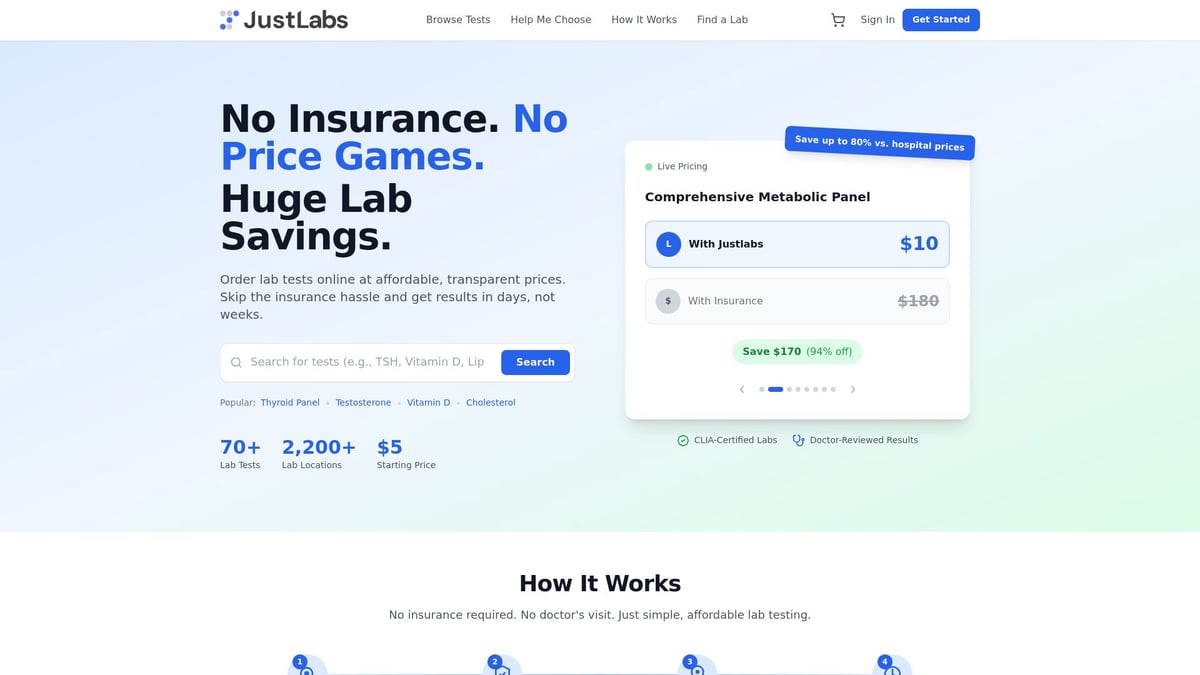
With JustLabs, you can browse a wide range of comprehensive panels and individual tests online. All pricing is upfront, so there are no surprise bills or insurance confusion. You simply select the tests you want, pay directly, and schedule your sample collection at one of thousands of Quest Diagnostics locations nationwide.
Results typically arrive within one to three days, accessible through a secure online portal. Many panels are eligible for FSA or HSA reimbursement, making comprehensive blood testing even more affordable. This approach is ideal for annual wellness checks, ongoing monitoring, or getting answers when you feel something is off.
Recommended Panel
Comprehensive Wellness Panel
Save $4.5Our most thorough health screening covers blood cells, organ function, cholesterol, thyroid, blood sugar, vitamin D, inflammation, and iron - everything you need for a complete health picture.
Includes 44 biomarkers
$94
Fasting required
Compared to traditional lab billing, JustLabs offers clarity and speed. You know exactly what you will pay, and there is no need for a doctor's visit unless you want professional guidance. This model supports proactive health management, empowering you to stay ahead of potential issues.
What to Expect: The Step-by-Step Process
Getting started with comprehensive blood testing is straightforward. Begin by choosing the right panel for your goals, whether you want a broad overview or targeted insights. Next, order your tests online and schedule a convenient time for your blood draw at a local partner lab.
On the day of your appointment, visit the lab for a quick sample collection. Results are delivered securely online, often within a few days. You can then review your results and decide if follow-up with a healthcare provider is needed.
If you are new to self-pay lab testing, you might find it helpful to learn more about the process. For a detailed walkthrough, visit How Self-Pay Lab Testing Works. This resource explains each step, from ordering to results, helping you navigate comprehensive blood testing with confidence.
By choosing a self-pay platform like JustLabs, you gain the flexibility to monitor your health on your own terms. Comprehensive blood testing is now more accessible, transparent, and empowering than ever before.
Understanding and Interpreting Your Blood Test Results
Getting your results from comprehensive blood testing can feel both exciting and overwhelming. Knowing what the numbers mean, and how to use them to guide your health, is essential. Let's walk through the process step by step, so you can approach your results with clarity and confidence.
How to Read Your Results
Comprehensive blood testing provides a wide range of values, each with its own reference range. These ranges represent what's considered "normal" for most healthy adults. Understanding them helps you spot both deficiencies and excesses.
Here's a sample reference table:
| Marker | Typical Reference Range |
|---|---|
| Hemoglobin | 13.5–17.5 g/dL (men) |
| 12.0–15.5 g/dL (women) | |
| Glucose | 70–99 mg/dL |
| LDL Cholesterol | <100 mg/dL |
| TSH | 0.4–4.0 mIU/L |
| Ferritin | 30–400 ng/mL |
Glucose, Fasting
1 biomarkers
TSH (Thyroid Stimulating Hormone)
1 biomarkers
Ferritin
1 biomarkers
When reviewing your results, look for values that fall just outside the normal range. Sometimes, these changes are temporary and related to diet, stress, dehydration, or recent illness.
If you see a borderline or abnormal result, consider the context. For example, a slightly elevated liver enzyme may be caused by recent exercise or medication, not necessarily disease.
Trends are especially important. Comparing results from multiple rounds of comprehensive blood testing often reveals patterns that a single test might miss. For quality and standardization in laboratory testing, reference materials like the 2026 Comprehensive Accreditation Manual for Laboratory and Point-of-Care Testing offer helpful insights into how labs ensure accuracy.
Common causes of out-of-range values include:
- Changes in diet or hydration
- Acute illness or infection
- Medication effects
- Stress or lack of sleep
Always review your comprehensive blood testing results in light of your overall health and recent lifestyle changes.
What Comprehensive Results Can—and Can't—Tell You
Comprehensive blood testing offers a powerful snapshot of your current health. It can reveal hidden risks, nutritional gaps, chronic inflammation, and early signs of disease. For instance, a combination of low ferritin and high TSH might suggest both iron deficiency and thyroid dysfunction, prompting timely follow-up.
However, it is important to know what comprehensive blood testing cannot do. Blood tests alone do not provide a diagnosis. Instead, they highlight areas that may need further investigation. An isolated abnormal result, like a mildly elevated A1C, does not mean you have diabetes, but it may point to a need for lifestyle changes or more frequent monitoring.
Many health factors—such as stress, recent illness, or even lab variability—can influence your numbers. Always consider trends and the bigger picture. For example, if your cholesterol is trending upward over several tests, this pattern is more significant than a single borderline reading.
When interpreting your results:
- Look for consistent trends rather than isolated spikes.
- Discuss any persistent or unexplained abnormalities with your healthcare provider.
- Use your results as a starting point for proactive health decisions, not self-diagnosis.
Comprehensive blood testing is a tool for awareness, not a substitute for professional medical advice.
Next Steps After Receiving Your Results
Once you have your comprehensive blood testing report, take some practical steps to make the most of this information.
Begin by reviewing your results and noting any markers outside the reference range. Keep a personal health record to track changes over time. This helps you and your healthcare provider identify patterns and make informed decisions.
Schedule a conversation with your provider if you notice:
- Persistent abnormal values across multiple tests
- New or worsening symptoms
- Markers that indicate increased risk for chronic conditions
Based on your results, your provider may recommend further testing, lifestyle adjustments, or follow-up in a few months. Taking action based on comprehensive blood testing results—such as improving your diet or adjusting medications—has been shown to improve health outcomes over time.
Remember, the value of comprehensive blood testing lies in ongoing monitoring and informed decision-making. Platforms like JustLabs make it easy to access broad panels, track your health, and get upfront pricing so you can stay proactive about your wellness.
Frequently Asked Questions About Comprehensive Blood Testing
What is included in a comprehensive blood test panel?
A comprehensive blood test panel typically includes a Complete Blood Count (CBC), Comprehensive Metabolic Panel (CMP), Lipid Panel, Hemoglobin A1C, thyroid markers (TSH, Free T4, Free T3), iron studies, vitamin and mineral levels (D, B12, folate), and inflammation markers (CRP, ESR). Some panels also include hormone levels and advanced cardiac markers.
How much does comprehensive blood testing cost without insurance?
Self-pay comprehensive blood testing typically costs between $150-$300 through platforms like JustLabs, with no hidden fees. Individual tests can be added for $5-$30 each. This is often more affordable than insurance-based testing, especially for those with high deductibles.
How often should I get comprehensive blood work done?
Most healthy adults benefit from annual comprehensive blood testing. Those with chronic conditions, on certain medications, or over age 40 may need testing every 3-6 months. Your healthcare provider can help determine the right frequency based on your individual health needs.
Can I order comprehensive blood tests without a doctor?
Yes. Self-pay platforms like JustLabs allow you to order comprehensive blood tests directly online without a doctor's visit or prescription. Results are delivered to you securely, and you can share them with your healthcare provider for follow-up.
What's the difference between a basic and comprehensive blood panel?
Basic panels (CBC, CMP) check for common issues like anemia and diabetes. Comprehensive panels add thyroid function, vitamins, iron studies, inflammation markers, and more—detecting silent risks that basic tests often miss.
Common Myths and Misconceptions About Comprehensive Blood Testing
Misconceptions about comprehensive blood testing are common, especially as more people seek proactive health insights. With new technologies and wider access, it is easy to get confused about what these tests can and cannot do. Understanding the facts can help you use comprehensive blood testing confidently and responsibly.
Myth: "Comprehensive testing is only for sick people."
Many believe comprehensive blood testing is reserved for those with chronic illness or ongoing symptoms. In reality, these panels offer value to anyone interested in understanding their overall health. Adults of all ages, whether managing a condition or simply seeking a wellness baseline, can benefit. Comprehensive blood testing helps identify silent risk factors long before symptoms develop, making it a useful tool for prevention and peace of mind.
Myth: "More tests always mean better health insights."
It is easy to assume that more data automatically leads to better health decisions. However, not every marker is relevant for every person. Thoughtful test selection, guided by personal risk and history, is more effective. Over-testing can sometimes lead to unnecessary anxiety or follow-ups. Comprehensive blood testing should be tailored to your needs, helping you focus on what truly matters for your health journey.
Myth: "Blood tests are always accurate and definitive."
No test is perfect. Even advanced lab panels can yield false positives or negatives, influenced by timing, preparation, or biological variability. New diagnostic tools, including AI and personalized panels, are improving reliability, but interpretation still requires expertise. As Top 5 Emerging Trends in Clinical Diagnostics for 2026 highlights, technology is advancing, yet results always need context. Use comprehensive blood testing as a guide, not a final answer.
Myth: "You can self-diagnose based on blood work alone."
Seeing a result outside the reference range can be alarming, but blood work is just one piece of your health puzzle. Self-diagnosis based on lab results can lead to unnecessary worry or missed nuances. A healthcare provider considers your symptoms, history, and trends over time. Comprehensive blood testing supports informed decisions, but expert interpretation is key to safe, effective care.
Recommended Panel
Comprehensive Wellness Panel
Save $4.5Our most thorough health screening covers blood cells, organ function, cholesterol, thyroid, blood sugar, vitamin D, inflammation, and iron - everything you need for a complete health picture.
Includes 44 biomarkers
$94
Fasting required
Remember, comprehensive blood testing is a tool for wellness, not a substitute for professional advice. Cost and privacy concerns are natural, but platforms like JustLabs make access straightforward and transparent. Used wisely, these panels empower you to take charge of your health with clarity and confidence.
If you're ready to take charge of your health and want clarity about what comprehensive blood testing means for you in 2026, you don't have to wait for a doctor's referral or navigate confusing insurance rules. With Justlabs, you can access a wide range of lab tests on your own terms—no hidden fees, no lengthy appointments, just actionable insights delivered quickly. It's a straightforward way to get the information you need for proactive wellness and peace of mind.
Explore your options and see which tests fit your health goals by visiting Browse Tests.