
Understanding the comprehensive pancreatic health panel begins with recognizing the vital role your pancreas plays in both digestion and blood sugar regulation. This specialized combination of blood tests evaluates multiple markers that reveal how well your pancreas is functioning, from enzyme production to glucose metabolism. For individuals experiencing digestive symptoms, unexplained weight loss, or concerns about diabetes risk, a comprehensive panel provides valuable insights that go beyond single-marker testing.
What the Comprehensive Pancreatic Health Panel Measures
The comprehensive pancreatic health panel includes several distinct biomarkers that each assess different aspects of pancreatic function. Rather than examining just one enzyme or metabolic marker, this panel creates a fuller picture of pancreatic health by combining multiple measurements.
Core pancreatic enzymes tested include:
- Amylase: Helps break down carbohydrates and starches in your digestive system
- Lipase: Essential for digesting fats and absorbing fat-soluble vitamins
- Glucose: Reflects the pancreas's insulin-producing capacity and metabolic control
- Additional metabolic markers: May include liver enzymes, kidney function tests, and electrolytes
Understanding the comprehensive pancreatic health panel requires knowing that the pancreas serves dual functions. As an exocrine gland, it produces digestive enzymes that flow into the small intestine. As an endocrine gland, it releases hormones like insulin and glucagon directly into the bloodstream to regulate blood sugar.
When you order labs without a doctor through services that provide direct access to testing, you gain the ability to monitor these markers proactively. However, interpreting results requires careful attention to what each marker reveals and its limitations.

Amylase: The Carbohydrate Digestion Indicator
Amylase represents one of the primary enzymes your pancreas produces to break down complex carbohydrates into simpler sugars. This enzyme begins its work in your mouth through salivary amylase, but pancreatic amylase performs the bulk of carbohydrate digestion in your small intestine.
Normal Ranges and What Elevations Mean
Typical amylase levels range from 30 to 110 units per liter, though reference ranges vary slightly between laboratories. Elevated amylase doesn't automatically indicate pancreatic disease, as this enzyme originates from multiple sources including salivary glands.
High amylase levels may suggest:
- Acute pancreatitis (often 3-5 times the upper normal limit)
- Chronic pancreatitis during flare-ups
- Pancreatic duct obstruction
- Salivary gland inflammation
- Certain medications or kidney dysfunction
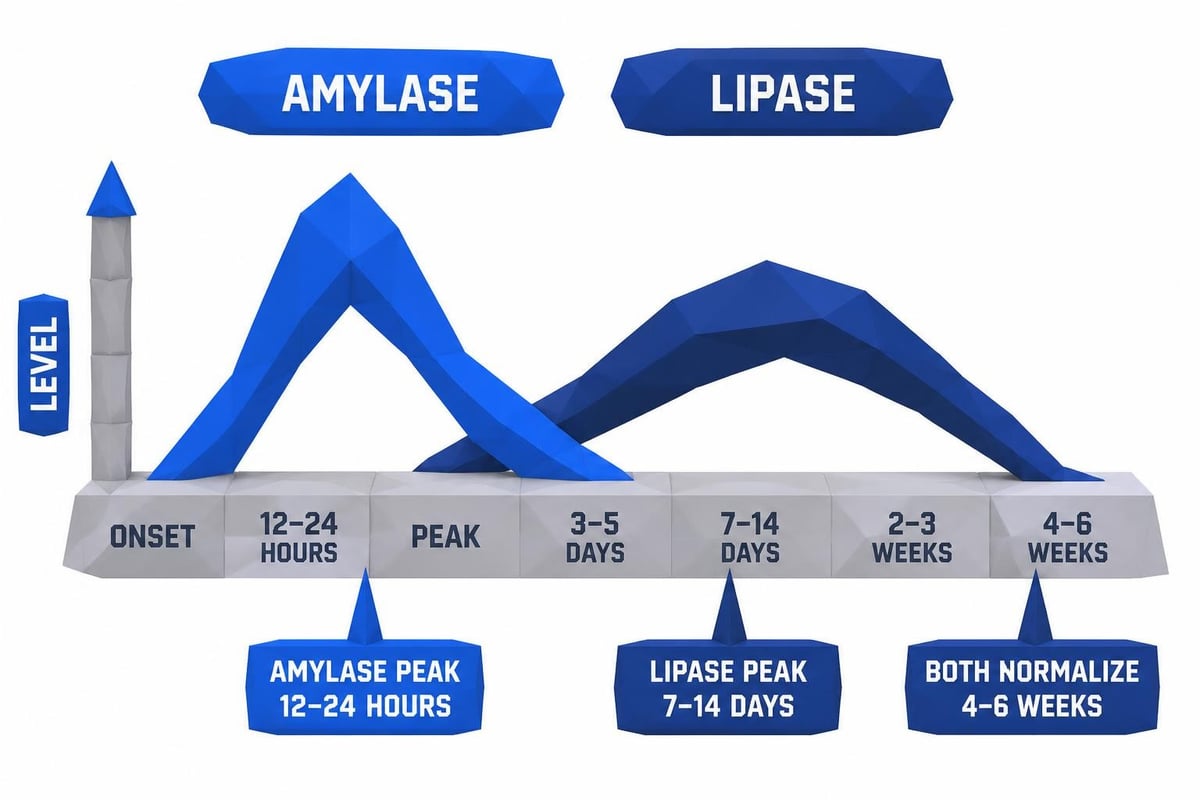
According to research on pancreatic function testing, amylase typically rises within 6-12 hours of pancreatic injury and returns to normal within 3-5 days. This makes timing crucial when evaluating acute symptoms.
When Low Amylase Matters
Low amylase receives less attention than elevations but can indicate pancreatic insufficiency, particularly in chronic pancreatitis where the gland has lost much of its enzyme-producing capacity. Advanced pancreatic damage, cystic fibrosis, and severe liver disease may all present with decreased amylase levels.
Lipase: The More Specific Pancreatic Marker
While understanding the comprehensive pancreatic health panel, lipase emerges as the more pancreas-specific enzyme compared to amylase. This enzyme breaks down dietary fats into fatty acids and glycerol, making fat absorption possible.
| Test Feature | Amylase | Lipase |
|---|---|---|
| Pancreas specificity | Moderate (also salivary) | High (primarily pancreatic) |
| Peak elevation timing | 6-12 hours | 24-48 hours |
| Duration elevated | 3-5 days | 8-14 days |
| Preferred for acute pancreatitis | Secondary marker | Primary marker |
Lipase levels normally range from 0 to 160 units per liter, though this varies by laboratory. The enzyme proves more sensitive and specific for pancreatic conditions than amylase, particularly in acute pancreatitis diagnosis.
Interpreting Lipase Elevations
Significant lipase elevation (more than three times the upper limit) strongly suggests acute pancreatitis, especially when accompanied by characteristic abdominal pain radiating to the back. However, moderate elevations require careful interpretation as they may result from:
- Chronic kidney disease reducing clearance
- Intestinal inflammation or perforation
- Gallbladder disease
- Certain cancers affecting the pancreas
- Viral infections
The diagnostic approach to pancreatic insufficiency emphasizes that lipase remains elevated longer than amylase in acute pancreatitis, making it valuable even when patients seek care days after symptom onset.
Glucose and Metabolic Indicators
Blood glucose measurement in a comprehensive pancreatic health panel evaluates the endocrine function of your pancreas, specifically its ability to produce insulin and maintain blood sugar balance. Understanding the comprehensive pancreatic health panel means recognizing that chronic pancreatic inflammation can damage insulin-producing beta cells, leading to diabetes.
Fasting Glucose Standards
A standard fasting glucose test requires 8-12 hours without food or caloric beverages. Normal fasting glucose ranges from 70 to 99 mg/dL. Prediabetes falls between 100-125 mg/dL, while diabetes is diagnosed at 126 mg/dL or higher on two separate occasions.
Glucose abnormalities in pancreatic disease:
- Pancreatogenic diabetes: Results from chronic pancreatitis or pancreatic surgery
- Type 3c diabetes: Caused by pancreatic disease rather than autoimmune or metabolic factors
- Insulin resistance: May develop secondary to chronic inflammation
- Hypoglycemia: Rare but possible with certain pancreatic tumors
Studies examining endoscopy-based pancreatic function tests note that glucose abnormalities often appear late in chronic pancreatic disease, after significant tissue damage has occurred.
Additional Metabolic Markers
Comprehensive panels may include liver enzymes (ALT, AST, alkaline phosphatase) since liver and pancreatic diseases often interconnect. Elevated liver enzymes alongside pancreatic markers might indicate gallstone-related pancreatitis or simultaneous liver inflammation.
Calcium levels also matter because hypercalcemia can trigger pancreatitis, while severe pancreatitis sometimes causes hypocalcemia through fat saponification. Triglycerides warrant attention too, as severely elevated levels (above 1,000 mg/dL) represent a known pancreatitis risk factor.
What the Panel Cannot Diagnose
Despite its comprehensive nature, this blood test panel has significant limitations that anyone pursuing self-directed testing must understand. The panel cannot definitively diagnose specific pancreatic conditions without clinical correlation and often additional testing.
Diagnostic Limitations to Recognize
Blood enzyme levels don't correlate precisely with disease severity. You might have normal amylase and lipase despite chronic pancreatitis if enough time has passed since the last inflammatory episode or if the gland has become so damaged it produces minimal enzymes.
Conditions requiring additional evaluation:
- Pancreatic cancer: Often presents with normal or only mildly elevated enzymes until advanced stages
- Chronic pancreatitis: Blood tests may be normal between flare-ups; stool elastase or imaging needed
- Exocrine insufficiency: Better detected through fecal elastase testing or direct function tests
- Pancreatic cysts: Require imaging (CT, MRI, EUS) for identification
Research on assessment of pancreatic function distinguishes between direct function tests (measuring actual secretory capacity) and indirect tests like enzyme levels. Blood panels represent indirect assessment only.
The comprehensive pancreatic health panel also cannot determine the underlying cause of abnormalities. Elevated lipase might result from pancreatitis, but identifying whether gallstones, alcohol, medications, or another factor caused the inflammation requires clinical investigation.
Interpreting Results Within Clinical Context
Understanding the comprehensive pancreatic health panel results demands consideration of symptoms, medical history, and timing. The same laboratory value carries different significance depending on these contextual factors.
Symptom Correlation Matters
| Symptoms | Likely Interpretation | Recommended Action |
|---|---|---|
| Severe abdominal pain + very high lipase | Acute pancreatitis | Emergency medical care |
| Chronic digestive issues + normal enzymes | Possible chronic pancreatitis or other GI disorder | Gastroenterologist consultation |
| No symptoms + mildly elevated amylase | May be benign; salivary source | Repeat testing; monitor |
| Weight loss + high glucose + normal enzymes | Possible diabetes; unlikely acute pancreatitis | Endocrinologist evaluation |
When you check lab test pricing for pancreatic panels and decide to proceed with self-pay testing, consider whether your symptoms align with what the panel can reveal. Acute, severe symptoms require immediate medical attention rather than scheduled lab testing.
Timing and Test Accuracy
Enzyme levels fluctuate based on when pancreatic injury occurred. Testing too early might miss the peak elevation, while testing too late might show normalization despite ongoing disease. For acute symptoms, testing within 24-48 hours provides optimal sensitivity.
For chronic monitoring or screening purposes, fasting status matters primarily for glucose measurement. Amylase and lipase can be drawn at any time, though consistency helps track trends over multiple tests.

When Results Require Urgent Medical Evaluation
Not all abnormal pancreatic health panel results warrant emergency care, but certain patterns demand immediate medical attention rather than casual monitoring or follow-up testing. Understanding the comprehensive pancreatic health panel includes recognizing these critical thresholds.
Emergency Warning Signs
Seek immediate medical care if pancreatic enzyme elevations occur alongside:
- Severe, persistent abdominal pain radiating to your back
- Nausea and vomiting preventing oral intake
- Fever suggesting infection or severe inflammation
- Rapid heart rate or low blood pressure
- Jaundice (yellowing of skin or eyes)
Lipase or amylase levels exceeding three times the upper normal limit with corresponding symptoms typically indicate acute pancreatitis requiring hospitalization. According to guidelines on pancreatic function tests, these elevations combined with characteristic pain and imaging findings confirm the diagnosis.
Dangerous Glucose Patterns
Blood glucose above 250 mg/dL, especially with symptoms like excessive thirst, frequent urination, fatigue, or fruity breath odor, might indicate diabetic ketoacidosis or hyperglycemic crisis. Conversely, glucose below 54 mg/dL with confusion, shakiness, or altered consciousness requires immediate treatment.
Pancreatitis complicated by very high or very low glucose carries increased risk and necessitates hospital-level care with continuous monitoring.
Appropriate Use of Self-Directed Testing
Self-pay lab services provide valuable access to pancreatic health monitoring for specific scenarios while having clear limitations. Understanding the comprehensive pancreatic health panel means knowing when direct-access testing serves you well versus when traditional medical evaluation should come first.
Ideal Scenarios for Self-Directed Pancreatic Testing
- Monitoring known chronic pancreatitis between gastroenterologist appointments
- Tracking metabolic markers when managing diabetes risk factors
- Follow-up testing after abnormal results have been clinically evaluated
- Screening in high-risk individuals with family history of pancreatic disease
- Proactive health monitoring for those with modifiable risk factors like heavy alcohol use
Research from the World Journal of Gastroenterology emphasizes that while blood tests provide valuable information, comprehensive pancreatic assessment often requires multiple testing modalities over time.
When Traditional Medical Care Should Come First
Skip self-directed testing and seek medical evaluation for:
- First-time severe abdominal pain of unknown cause
- Rapid, unexplained weight loss with digestive symptoms
- Jaundice or dark urine suggesting bile duct obstruction
- Persistent symptoms despite negative initial testing
- Need for imaging studies or endoscopic procedures
The Stanford Health Care approach to pancreatic function testing demonstrates that complex cases require sophisticated testing beyond basic blood panels, including secretin stimulation tests and endoscopic ultrasound.
Factors Affecting Test Results
Multiple variables influence pancreatic health panel results beyond actual pancreatic disease. Awareness of these factors helps prevent misinterpretation and unnecessary anxiety over abnormal values.
Medications and Substances
Certain medications elevate pancreatic enzymes by causing mild pancreatic inflammation or affecting enzyme clearance. Drugs associated with drug-induced pancreatitis include corticosteroids, some antibiotics, immunosuppressants, and specific diabetes medications.
Alcohol consumption affects results in two ways: acute intake can cause mild, transient enzyme elevation, while chronic heavy drinking may lead to persistent abnormalities reflecting chronic pancreatic damage.
Medical Conditions Affecting Results
Kidney disease reduces enzyme clearance, potentially elevating both amylase and lipase without pancreatic pathology. Inflammatory bowel disease, celiac disease, and intestinal obstruction may raise amylase through salivary contribution or intestinal inflammation.
Macroamylasemia, a benign condition where amylase binds to proteins creating large complexes that kidneys cannot clear, causes persistent amylase elevation without disease. Lipase remains normal in this condition, helping distinguish it from true pancreatic pathology.
Complementary Testing Options
Understanding the comprehensive pancreatic health panel includes recognizing when additional tests provide necessary information that blood panels cannot offer. These complementary approaches help build a complete picture of pancreatic health.
Imaging Studies
CT scans, MRI, and endoscopic ultrasound visualize pancreatic structure, identifying inflammation, calcifications characteristic of chronic pancreatitis, masses, or duct abnormalities. Blood tests cannot detect these anatomical changes even when functionally significant.
Stool-Based Tests
Fecal elastase measurement directly assesses exocrine pancreatic function by quantifying an enzyme that passes through the digestive tract unchanged. Values below 200 mcg/g suggest pancreatic insufficiency, while results under 100 mcg/g indicate severe insufficiency requiring enzyme replacement therapy.
Fecal fat testing, though less commonly used due to collection difficulties, quantifies fat malabsorption resulting from inadequate lipase secretion. This direct functional assessment complements blood enzyme measurement.
Advanced Pancreatic Function Testing
Direct pancreatic function tests involving secretin stimulation, though invasive and rarely performed, represent the gold standard for detecting early exocrine insufficiency. These tests measure the pancreas's response to hormonal stimulation, revealing subtle dysfunction before structural damage becomes apparent on imaging.
For comprehensive information about navigating different testing options, resources on understanding lab results help patients interpret findings within the broader context of their health status.
Creating a Testing Strategy
Rather than viewing the comprehensive pancreatic health panel as a one-time snapshot, consider it part of an ongoing health monitoring strategy, particularly if you have risk factors for pancreatic disease.
Risk factors warranting periodic monitoring:
- Family history of chronic pancreatitis or pancreatic cancer
- History of acute pancreatitis
- Chronic alcohol consumption
- Smoking
- Obesity and metabolic syndrome
- Genetic conditions affecting the pancreas (cystic fibrosis, hereditary pancreatitis)
Establish baseline values when healthy, then repeat testing if symptoms develop or annually for high-risk individuals. Track trends rather than fixating on single values, as patterns over time reveal more than isolated results.
Document results systematically, noting factors that might influence values like recent illness, medication changes, or dietary indulgences. This context helps you and your healthcare providers interpret changes accurately.
Understanding the comprehensive pancreatic health panel empowers you to monitor critical markers related to digestive function and metabolic health while recognizing the panel's limitations and when professional medical evaluation becomes necessary. When you're ready to take control of your health monitoring with transparent pricing and quick results, JustLabs offers convenient access to pancreatic panels and hundreds of other tests without requiring insurance or doctor's visits, delivering results in 1-3 days so you can make informed decisions about your health.