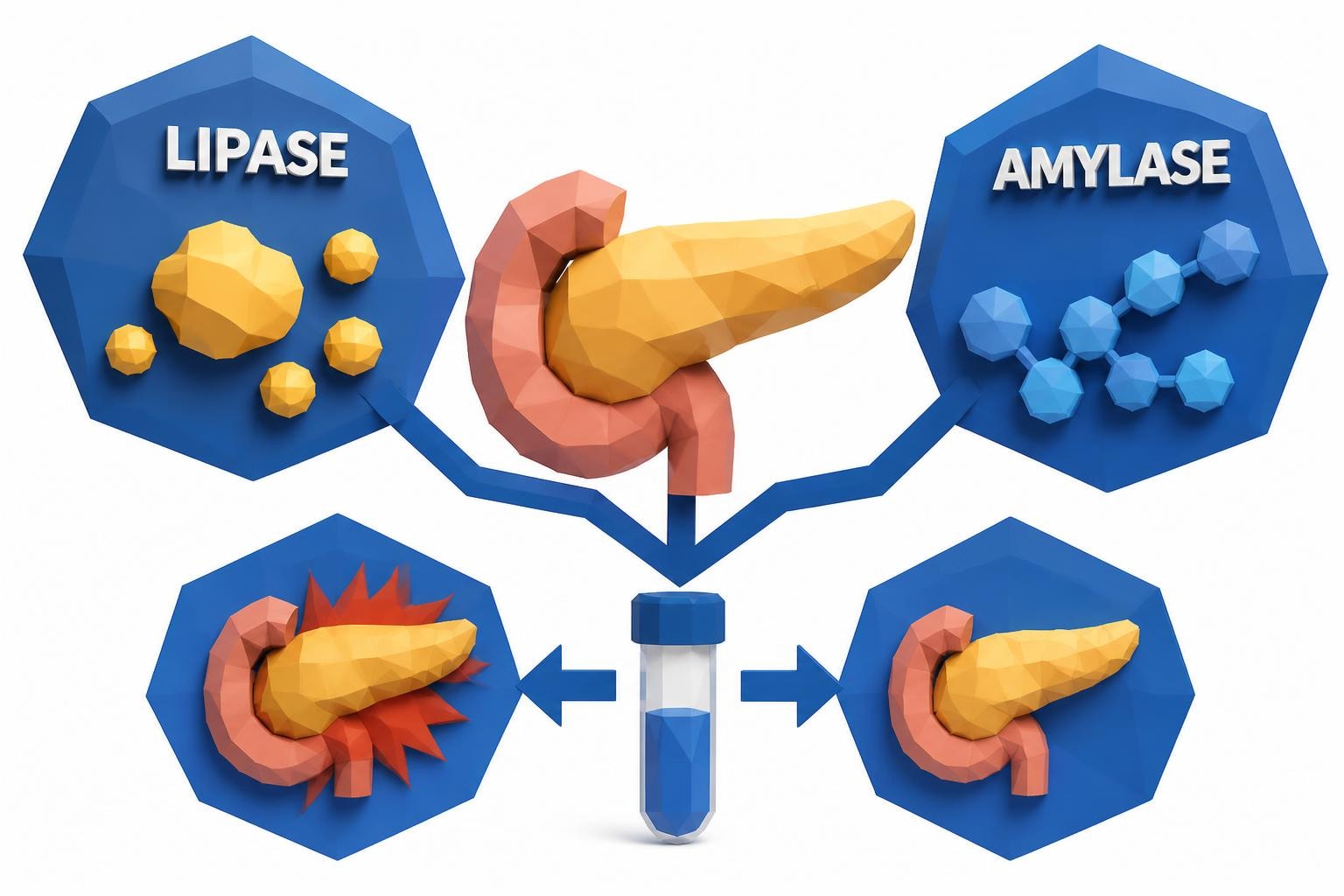
When experiencing unexplained abdominal pain or digestive issues, understanding which diagnostic test to pursue becomes essential. The question of lipase vs amylase which pancreas test provides better answers depends on your specific symptoms, medical history, and what your healthcare provider needs to determine about your pancreatic health.
Big picture
- Pancreatic enzymes lipase and amylase are both digestive proteins produced by the pancreas that appear in elevated levels in the bloodstream when pancreatic inflammation or damage occurs.
- Lipase breaks down fats while amylase breaks down carbohydrates, and measuring these enzymes helps diagnose acute pancreatitis, chronic pancreatic disease, and other digestive disorders.
- The lipase test typically offers higher sensitivity and specificity for pancreatic conditions, remaining elevated longer than amylase, making it the preferred first-line test for suspected pancreatitis in many medical settings.
- Both tests require a simple blood draw with results typically available within 1-3 days through services like Justlabs, enabling quick access without insurance complications or lengthy doctor appointment waits.
- Normal ranges vary by laboratory, but generally amylase levels should be 30-110 U/L and lipase levels 0-160 U/L, with levels three times the upper limit strongly suggesting acute pancreatitis.
- Taking action means ordering the appropriate test when you experience severe abdominal pain, nausea, vomiting, or unexplained digestive symptoms that could indicate pancreatic dysfunction.
Understanding Pancreatic Enzyme Testing
The pancreas produces numerous digestive enzymes that normally flow into the small intestine to aid digestion. When pancreatic cells become damaged or inflamed, these enzymes leak into the bloodstream at elevated concentrations. Testing for these enzymes provides critical diagnostic information about pancreatic health.
What Amylase Reveals
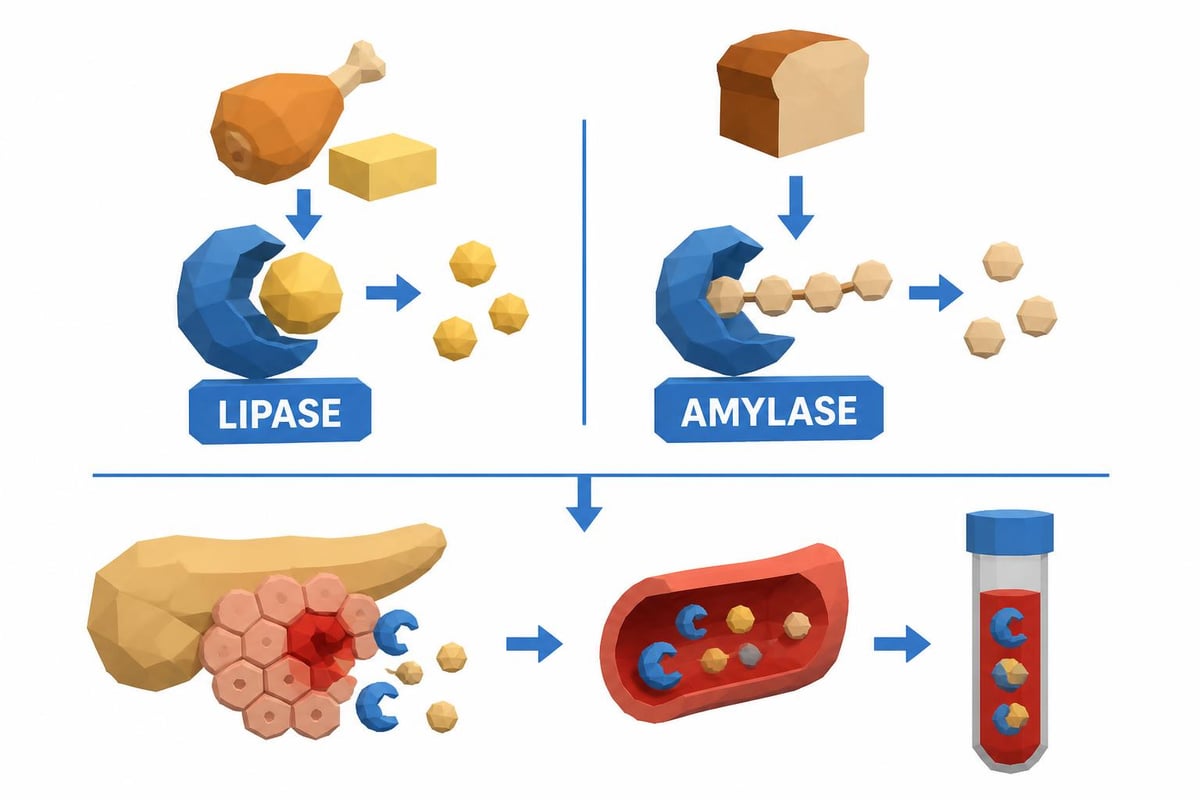
Amylase represents one of the most abundant digestive enzymes, responsible for breaking down complex carbohydrates into simple sugars. According to MedlinePlus information on the amylase test, this enzyme exists in two primary forms: pancreatic amylase and salivary amylase. When healthcare providers order an amylase test, they measure total amylase levels in the blood.
The test serves multiple diagnostic purposes:
- Detecting acute pancreatitis
- Monitoring chronic pancreatic disease
- Identifying pancreatic duct obstruction
- Evaluating abdominal pain of unknown origin
- Assessing salivary gland problems
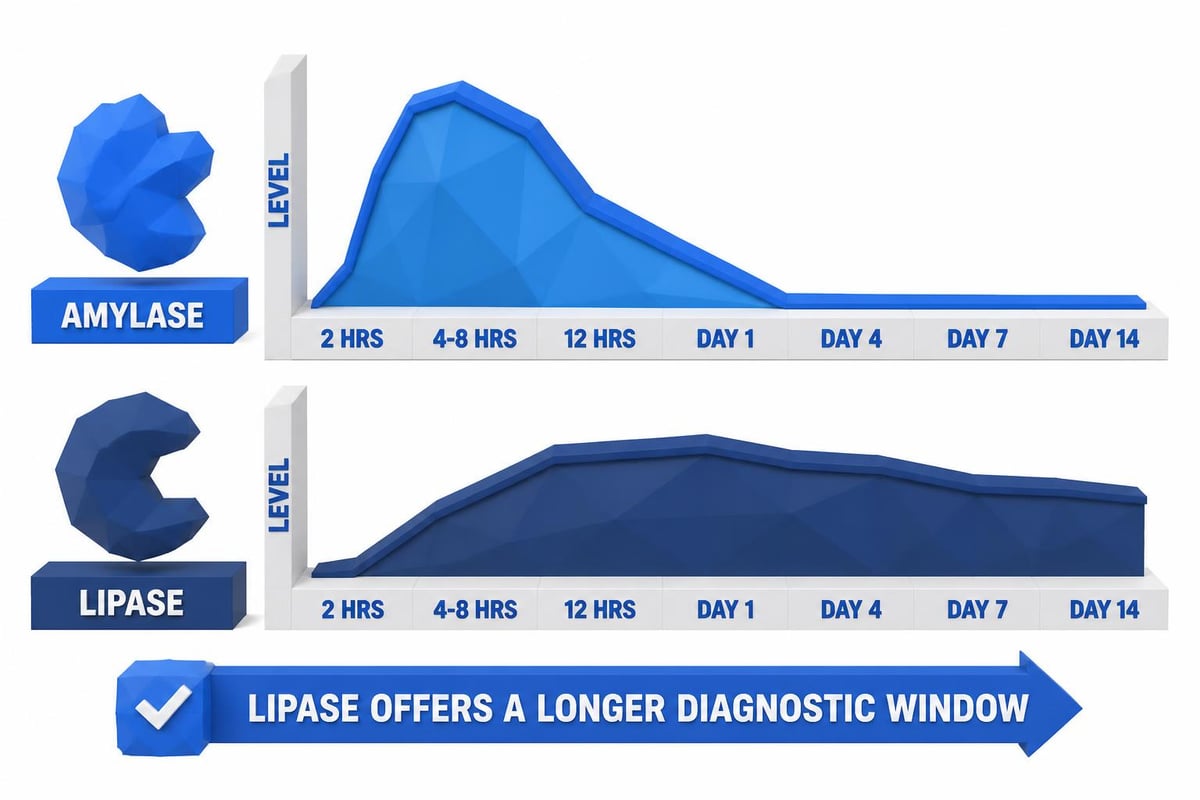
Amylase levels typically rise within 2-12 hours of pancreatic injury, peak at 12-72 hours, and return to normal within 3-4 days. This relatively quick normalization can sometimes complicate diagnosis if testing occurs too late after symptom onset.
What Lipase Measures
Lipase specifically breaks down triglycerides and other dietary fats into fatty acids and glycerol. The pancreas produces nearly all the lipase found in blood under normal conditions, making it highly specific for pancreatic disorders. Understanding the lipase blood test helps clarify its diagnostic advantages.
Key characteristics of lipase testing include:
- Higher specificity for pancreatic conditions compared to amylase
- Longer elevation period lasting 8-14 days after pancreatic injury
- Greater sensitivity for detecting acute pancreatitis
- Less interference from non-pancreatic conditions
Lipase concentrations rise within 4-8 hours of pancreatic inflammation, reach peak levels at 24 hours, and remain elevated significantly longer than amylase. This extended window makes lipase particularly valuable when patients delay seeking medical attention.
Lipase vs Amylase Which Pancreas Test Offers Superior Accuracy
The debate over lipase vs amylase which pancreas test provides better diagnostic value has evolved considerably over the past two decades. Clinical research consistently demonstrates lipase's advantages in most scenarios, though both tests maintain relevance in comprehensive pancreatic evaluation.
Diagnostic Sensitivity Comparison
| Test Parameter | Amylase | Lipase |
|---|---|---|
| Sensitivity for acute pancreatitis | 80-85% | 90-95% |
| Specificity for pancreatic disease | 70-75% | 85-95% |
| Elevation duration | 3-4 days | 8-14 days |
| Rise after injury | 2-12 hours | 4-8 hours |
| False positive rate | Higher | Lower |
Research published in medical journals indicates that lipase demonstrates superior sensitivity and specificity. The Encyclopedia.com discussion of amylase and lipase tests confirms these findings across multiple studies.
When Amylase Provides Better Information
Despite lipase's general superiority, specific situations favor amylase testing:
Macroamylasemia detection requires amylase measurement since this condition involves amylase binding to proteins, creating large complexes that cannot be filtered by kidneys. Salivary gland disorders often necessitate amylase testing to differentiate pancreatic from salivary sources. Some chronic pancreatitis cases show normal lipase but elevated amylase, particularly when significant pancreatic tissue damage has occurred.
Cost considerations sometimes favor amylase, though price differences have narrowed. Historical laboratory practices may still default to amylase in certain settings, though this trend continues shifting toward lipase preference.
Situations Requiring Both Tests
Comprehensive pancreatic assessment sometimes demands measuring both enzymes simultaneously, alongside glucose and liver markers, the combination covered in a comprehensive pancreatic health panel. The lipase vs amylase which pancreas test question becomes less relevant when clinical presentation suggests complex pancreatic pathology.
Healthcare providers order both tests when:
- Initial lipase results appear borderline and confirmation strengthens diagnostic confidence
- Chronic pancreatitis monitoring benefits from tracking multiple enzyme patterns
- Distinguishing pancreatic from non-pancreatic causes of enzyme elevation requires comparative analysis
- Research protocols or teaching hospitals maintain comprehensive testing standards
Recommended Panel
Pancreatic Enzymes Panel
The first-line panel for suspected pancreatic inflammation. Combines both key pancreatic enzymes - lipase (more specific) and amylase (rises faster) - for accurate detection of pancreatitis.
Includes 2 biomarkers
$24
Combining both measurements can reveal patterns impossible to detect with single-enzyme testing. Discordant results-one elevated while the other remains normal-provide diagnostic clues about disease chronicity, severity, or alternative diagnoses.
Clinical Scenarios and Test Selection
Real-world application of lipase vs amylase which pancreas test to order depends heavily on presenting symptoms, timing, and clinical context. Understanding these scenarios helps patients and providers make informed decisions about testing strategies.
Acute Abdominal Pain Evaluation
Sudden severe abdominal pain radiating to the back represents the classic presentation requiring immediate enzyme testing. According to Medscape's acute pancreatitis workup guidelines, lipase serves as the preferred initial test in emergency departments nationwide.
The protocol typically follows this sequence:
- Draw blood for lipase measurement immediately upon patient presentation
- Order comprehensive metabolic panel to assess kidney function and electrolytes (similar to a CMP test)
- Add amylase if lipase results seem inconsistent with clinical picture
- Repeat testing at 24-48 hours if initial results are borderline
Levels three times the upper normal limit strongly indicate acute pancreatitis when combined with characteristic symptoms. Values between one and three times normal require clinical correlation and possible repeat testing.
Chronic Pancreatitis Monitoring
Long-term pancreatic disease presents different testing challenges. Chronic inflammation gradually destroys enzyme-producing cells, potentially leading to normal or even low enzyme levels despite ongoing disease. The question of lipase vs amylase which pancreas test better tracks disease progression remains debated.
Monitoring strategies include:
- Serial lipase measurements every 3-6 months during stable periods
- Amylase tracking to identify sudden acute exacerbations
- Fecal elastase testing to assess exocrine pancreatic function
- Imaging studies correlating with biochemical markers
Neither enzyme perfectly predicts disease severity in chronic cases. Some patients with advanced chronic pancreatitis show persistently normal enzymes despite significant pancreatic insufficiency.
Post-Procedure Assessment
Endoscopic retrograde cholangiopancreatography (ERCP) and other pancreatic procedures commonly cause temporary enzyme elevation. Medical teams routinely check lipase levels post-procedure to detect procedure-induced pancreatitis, which occurs in 3-5% of ERCP cases.
Lipase measured 4-6 hours after ERCP provides early warning of developing pancreatitis. The longer elevation period makes lipase more practical than amylase for monitoring during hospital stays following procedures.
Interpreting Test Results Accurately
Understanding what enzyme elevations mean requires context beyond simple number comparison to reference ranges. The degree of elevation, pattern of change, and clinical correlation all influence interpretation.
Magnitude of Elevation
| Enzyme Level | Likely Causes | Clinical Significance |
|---|---|---|
| 1-3x upper limit | Mild pancreatitis, gallstones, pancreatic duct obstruction | Requires clinical correlation |
| 3-10x upper limit | Acute pancreatitis, pancreatic trauma | Strong diagnostic indicator |
| >10x upper limit | Severe acute pancreatitis, pancreatic necrosis | Medical emergency |
| Persistently low-normal | Chronic pancreatitis with tissue destruction | May indicate advanced disease |
Resources like Testing.com's amylase guide provide additional context for understanding various elevation patterns. The lipase vs amylase which pancreas test shows higher values often matters less than understanding what those values indicate clinically.
Non-Pancreatic Causes of Elevation
Both enzymes can rise due to conditions unrelated to the pancreas, though lipase shows fewer false positives. Kidney disease impairs enzyme clearance, potentially doubling normal levels without pancreatic pathology. Intestinal diseases including inflammatory bowel disease, intestinal obstruction, or perforated ulcers trigger enzyme release.
Amylase specifically rises with:
- Salivary gland inflammation (mumps, sialadenitis)
- Ectopic pregnancy
- Macroamylasemia
- Certain malignancies
- Diabetic ketoacidosis
Lipase rarely elevates except in pancreatic disease or severe kidney dysfunction, contributing to its superior specificity.
Accessing Pancreatic Enzyme Testing
Traditional healthcare pathways require scheduling doctor appointments, obtaining referrals, navigating insurance authorizations, and waiting days or weeks for results. Modern alternatives streamline this process significantly.
Direct-Access Laboratory Testing
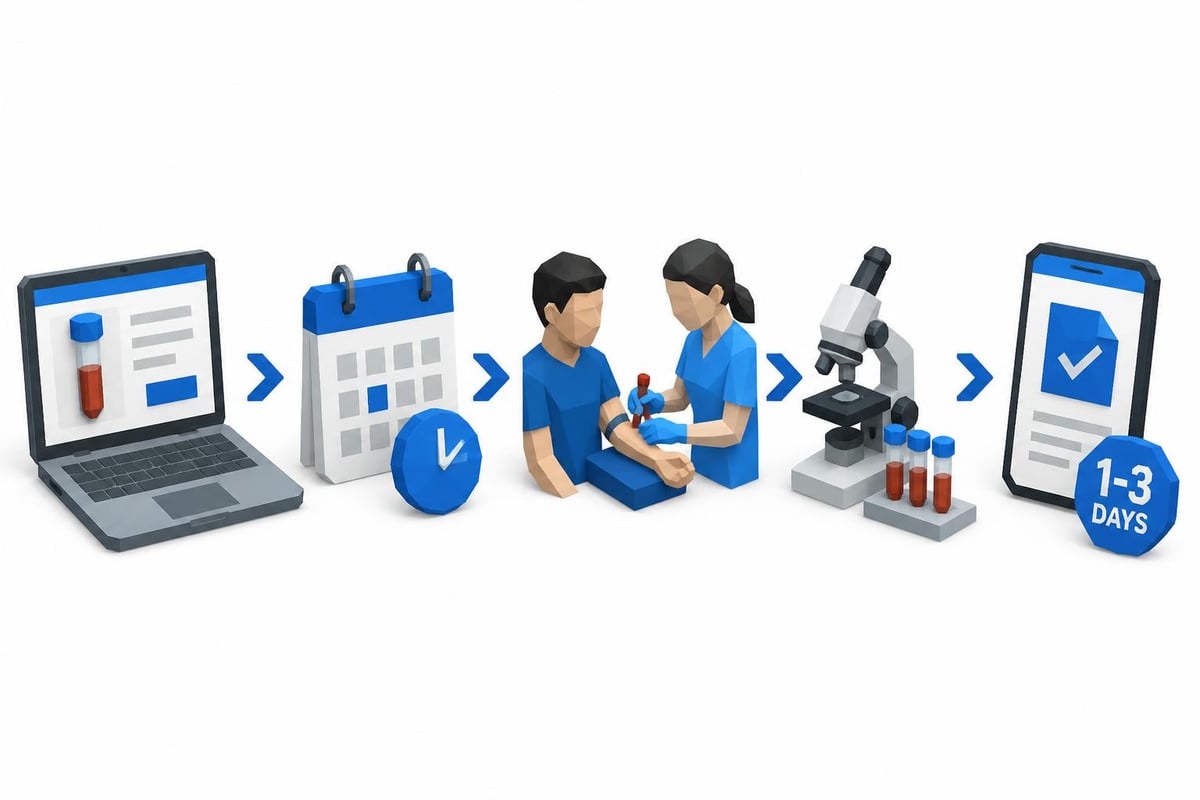
Services offering lab tests without insurance eliminate multiple barriers to timely diagnosis. Patients can order lipase or amylase tests directly online, visit a convenient collection facility, and receive results within 1-3 days without physician referrals.
This approach offers several advantages:
- Transparent pricing with costs known upfront
- Faster results compared to traditional laboratory scheduling
- No insurance complications or surprise billing
- Convenient locations nationwide for specimen collection
- Digital result delivery for easy access and storage
Understanding how lab testing works through direct-access services empowers patients to take charge of their health when symptoms arise.
Cost Considerations
The financial aspect of lipase vs amylase which pancreas test to select influences decision-making for self-pay patients. Both tests typically cost between $25-75 through direct-access services, compared to $200-500 when billed through insurance with deductibles and copays.
Transparent lab test pricing eliminates surprise bills and allows budget-conscious patients to make informed choices. Ordering both tests simultaneously often costs less than a single insurance copay for specialist consultation.
When to Retest
Follow-up testing depends on initial results and symptom progression. Borderline elevations merit retesting in 24-48 hours to identify rising or falling trends. Normal results in symptomatic patients may require repeat testing if symptoms persist beyond the initial test timing.
Chronic conditions benefit from periodic monitoring, typically every 3-6 months or when symptoms change. Working with healthcare providers to establish appropriate testing schedules ensures neither over-testing nor dangerous gaps in monitoring.
Key Takeaways
The choice between lipase vs amylase which pancreas test to pursue depends on clinical context, timing, and specific diagnostic needs. Lipase generally provides superior sensitivity and specificity for acute pancreatitis, remaining elevated longer and showing fewer false positives from non-pancreatic conditions. This makes lipase the preferred first-line test in most scenarios involving suspected pancreatic inflammation.
Amylase retains clinical value in specific situations including salivary gland disorders, macroamylasemia detection, and comprehensive pancreatic assessment when used alongside lipase. Some chronic pancreatitis cases show different patterns between the two enzymes, providing complementary diagnostic information.
Access to testing has improved dramatically with direct-access laboratory services offering affordable, convenient pancreatic enzyme testing without insurance complications or physician referrals. Results arriving within 1-3 days enable faster diagnosis and treatment initiation compared to traditional healthcare pathways.
Understanding when to test, which enzyme to measure, and how to interpret results empowers patients to advocate for appropriate diagnostic evaluation. Whether choosing single-enzyme or combined testing, knowing the strengths and limitations of each approach supports informed healthcare decisions.
FAQ
Which is more accurate for diagnosing pancreatitis, lipase or amylase?
Lipase demonstrates higher accuracy for acute pancreatitis diagnosis, with 90-95% sensitivity compared to amylase's 80-85% sensitivity. Lipase also shows superior specificity (85-95% versus 70-75%), meaning fewer false positives from non-pancreatic conditions. The comprehensive overview of amylase and lipase tests confirms lipase as the preferred test in modern clinical practice. However, measuring both enzymes can provide additional diagnostic confidence in complex cases.
How long after pancreatic injury do lipase and amylase remain elevated?
Amylase rises within 2-12 hours after pancreatic injury, peaks at 12-72 hours, and normalizes within 3-4 days. Lipase increases within 4-8 hours, peaks around 24 hours, and remains elevated for 8-14 days. This extended elevation period makes lipase more reliable when patients delay seeking care after symptom onset. The longer diagnostic window represents a key advantage in the lipase vs amylase which pancreas test debate.
Can I order pancreatic enzyme tests without seeing a doctor?
Yes, direct-access laboratory services allow you to order lipase and amylase tests online without doctor referrals or insurance. You select the desired test, visit a collection facility for blood draw, and receive results digitally within 1-3 days. This approach provides faster, more affordable access compared to traditional healthcare pathways. Available tests through such services typically include both individual and comprehensive panels.
What causes elevated pancreatic enzymes besides pancreatitis?
Several conditions raise enzyme levels without pancreatic inflammation. Kidney disease impairs enzyme clearance, potentially doubling normal values. Intestinal obstruction, perforated ulcer, and inflammatory bowel disease can elevate both markers. Amylase specifically rises with salivary gland disorders, ectopic pregnancy, and diabetic ketoacidosis. Lipase rarely increases except in pancreatic disease or severe renal dysfunction, contributing to its higher specificity.
Should I test both lipase and amylase together?
Testing both enzymes simultaneously provides value in specific situations: borderline results needing confirmation, chronic pancreatitis monitoring, distinguishing pancreatic from non-pancreatic causes, or when comprehensive assessment justifies the additional cost. For most acute presentations, lipase alone suffices as the initial test. According to WebMD's amylase overview, adding amylase makes sense when clinical presentation doesn't match initial lipase results or when salivary gland involvement seems possible.
How much do lipase and amylase tests cost?
Direct-access laboratory services typically charge $25-75 per test, with both tests together costing less than many insurance copays. Traditional healthcare billing through insurance often results in $200-500 charges after deductibles and copays. Transparent pricing through self-pay services eliminates surprise bills and provides predictable costs. Finding where to get lab tests at competitive prices helps budget-conscious patients access necessary diagnostic services.
What are normal ranges for lipase and amylase?
Normal amylase ranges typically fall between 30-110 U/L, while lipase should measure 0-160 U/L, though exact ranges vary by laboratory. Results three times the upper normal limit strongly suggest acute pancreatitis when combined with characteristic symptoms. Values between one and three times normal require clinical correlation and possible repeat testing. Always compare your results against the specific reference range provided by the testing laboratory.
How quickly can I get pancreatic enzyme test results?
Direct-access laboratory services typically deliver results within 1-3 days from specimen collection. Traditional healthcare pathways may take 5-10 days depending on physician office efficiency and laboratory turnaround times. Emergency department testing provides results within hours when acute pancreatitis is suspected. Faster result delivery enables quicker diagnosis and treatment initiation, particularly important for serious pancreatic conditions requiring immediate intervention.
Understanding the differences between lipase and amylase testing helps you make informed decisions about pancreatic health assessment. While lipase generally offers superior diagnostic accuracy for most pancreatic conditions, both enzymes provide valuable information in appropriate clinical contexts. When you need quick, affordable access to pancreatic enzyme testing without navigating insurance complexities or waiting for doctor appointments, Justlabs provides transparent pricing, convenient locations nationwide, and results delivered within 1-3 days, empowering you to take control of your health when symptoms demand answers.