
Flexible Spending Accounts (FSAs) offer significant tax advantages for healthcare expenses, but the "use it or lose it" rule means thousands of Americans forfeit unused funds each year. Understanding how to use your FSA before it expires requires strategic planning, especially as year-end deadlines approach. With the right approach, you can maximize these pre-tax dollars while investing in preventive health measures that benefit your long-term wellness. Lab testing represents one of the most valuable ways to utilize remaining FSA funds, providing actionable health insights without the complexity of insurance approvals or doctor's office visits.
Understanding FSA Expiration Rules and Deadlines
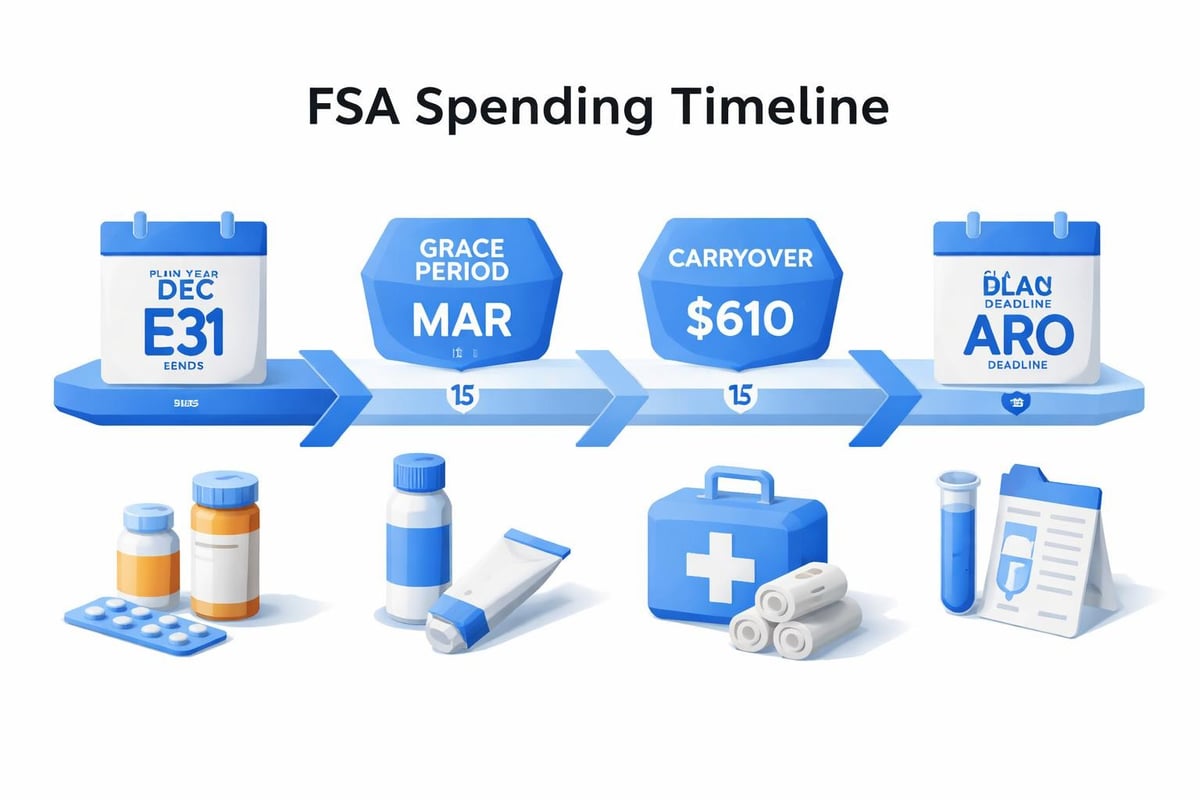
FSA funds typically expire on December 31st of each plan year, though specific deadlines vary by employer. Many companies offer a grace period extending into March of the following year, while others permit a carryover of up to $640 from 2025 into 2026. Your employer determines which option applies to your plan, making it essential to verify your exact deadline.
The expiration rules and deadlines for FSA funds differ significantly from Health Savings Accounts (HSAs), which roll over indefinitely. This fundamental difference requires proactive fund management as your plan year concludes.
Key Deadline Considerations
Check your plan documents for three critical dates:
- Plan year end date (typically December 31st)
- Grace period extension (if applicable, usually 2.5 months)
- Claims submission deadline (often 90 days after plan year end)
Most employers require you to incur expenses by the plan year end date, even if you have additional time to submit claims. Understanding this distinction prevents confusion about when services must be rendered versus when documentation is due.
Why Lab Testing Maximizes FSA Value
Laboratory tests qualify as eligible medical expenses under IRS guidelines, making them ideal for FSA spending. Unlike some healthcare purchases that provide limited value, lab tests deliver measurable health data that can identify conditions early, monitor chronic diseases, and establish baseline health metrics for future comparison.
Direct-to-consumer lab testing services offer particular advantages for FSA spending:
- No insurance paperwork or pre-authorization required
- Transparent, upfront pricing for budget planning
- Quick results (typically 1-3 days)
- Comprehensive test panels at competitive rates
- No doctor's visit necessary for most tests
When exploring labs without insurance, you gain control over which tests to order based on your health priorities rather than insurance limitations. This flexibility becomes especially valuable when managing FSA deadlines.
Strategic Lab Tests for FSA Spending
Selecting the right lab tests requires balancing immediate health concerns with preventive care opportunities. The following categories represent high-value options for FSA utilization before funds expire.
Comprehensive Metabolic Panels
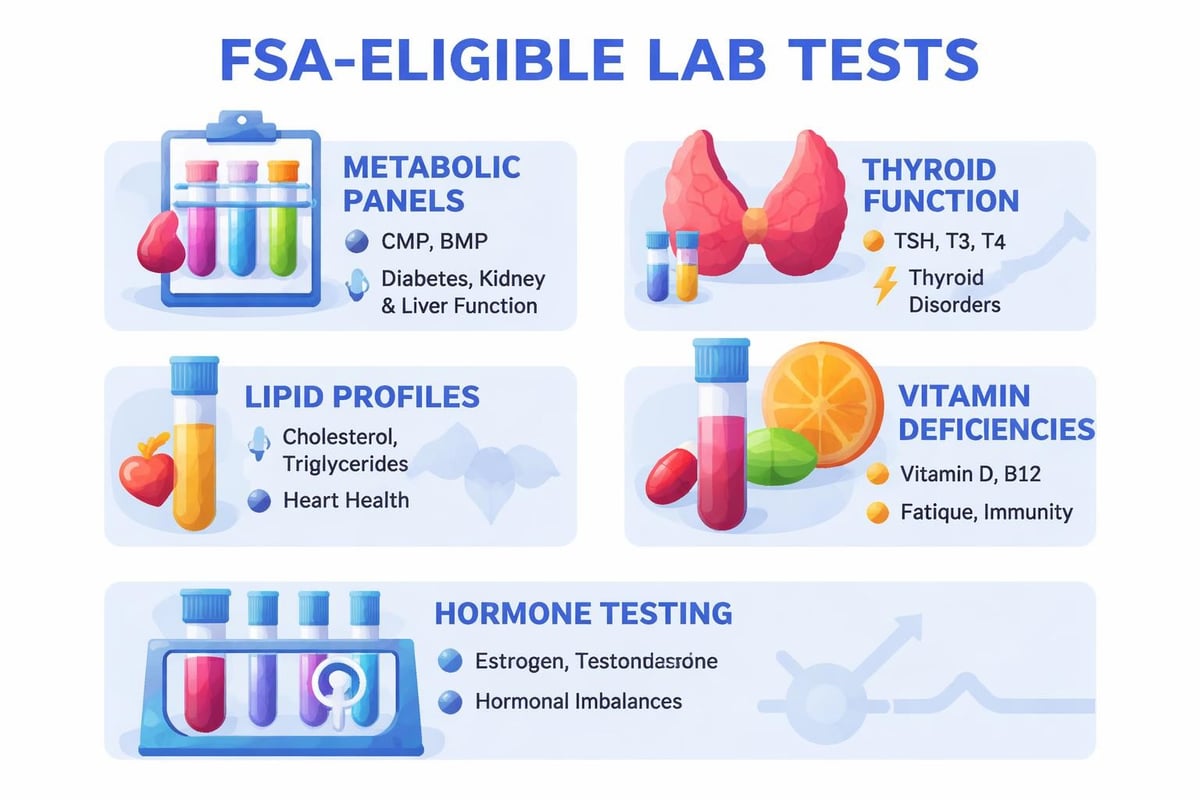
A comprehensive metabolic panel (CMP) evaluates kidney function, liver function, electrolyte balance, and blood sugar levels through a single blood draw. This foundational test provides insights into multiple body systems and often reveals issues before symptoms appear.
| Test Component | What It Measures | Why It Matters |
|---|---|---|
| Glucose | Blood sugar levels | Diabetes risk and management |
| Calcium | Bone and organ function | Bone health, parathyroid issues |
| Creatinine | Kidney filtration | Early kidney disease detection |
| Liver enzymes | Liver health | Hepatic function assessment |
For specific pricing information, review options like CMP test costs to budget your FSA dollars effectively.
Thyroid Function Testing
Thyroid disorders affect millions of Americans, yet many remain undiagnosed. Thyroid panels measure TSH, T3, and T4 levels to evaluate metabolic function, energy regulation, and hormonal balance.
Common thyroid test indicators include:
- Unexplained weight changes
- Persistent fatigue or energy fluctuations
- Temperature sensitivity
- Hair loss or skin changes
- Mood disturbances
Investing FSA funds in thyroid panel testing can identify conditions requiring treatment before they significantly impact quality of life.
Lipid Panels and Cardiovascular Health
Cardiovascular disease remains the leading cause of death in the United States, making lipid panels essential for risk assessment. These tests measure total cholesterol, HDL, LDL, and triglycerides to evaluate heart disease risk.
Annual lipid testing becomes particularly important for individuals with:
- Family history of heart disease
- Diabetes or pre-diabetes
- High blood pressure
- Obesity or sedentary lifestyle
- Age over 40 years
Vitamin and Nutrient Deficiency Screening
Vitamin deficiencies often develop gradually, producing vague symptoms that patients and doctors may overlook. FSA funds can cover comprehensive vitamin panels testing:
- Vitamin D: Bone health, immune function, mood regulation
- Vitamin B12: Energy production, neurological function, red blood cell formation
- Iron/Ferritin: Oxygen transport, energy levels, cognitive function
- Magnesium: Muscle function, bone health, cardiovascular support
These tests identify specific deficiencies allowing targeted supplementation rather than guessing which vitamins you might need.
How to Order FSA-Eligible Lab Tests
The process of ordering lab tests with FSA funds involves straightforward steps that bypass traditional insurance complexities. Modern lab testing services streamline this process significantly.
Step-by-Step Ordering Process
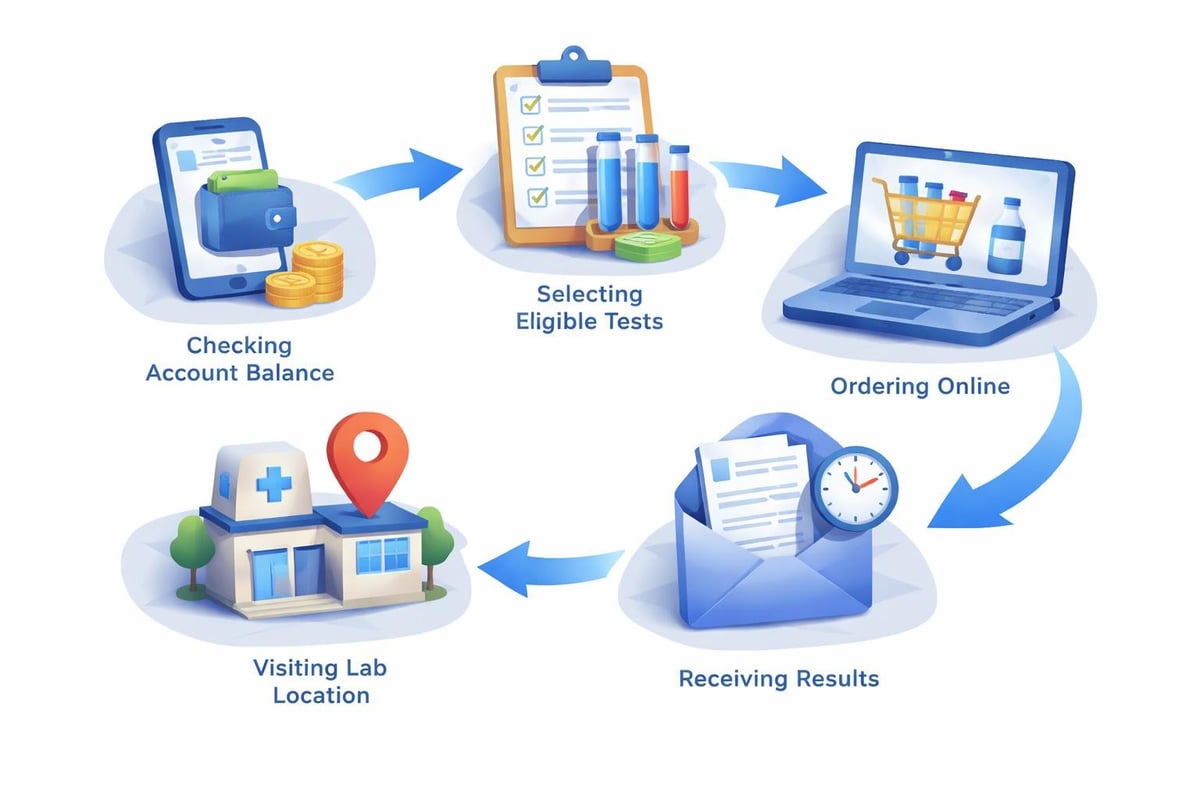
- Review available tests and identify those matching your health priorities
- Verify FSA eligibility for specific tests through your plan administrator
- Place your order through a direct-access lab testing service
- Pay using your FSA card or submit for reimbursement
- Visit a lab location for sample collection
- Receive results typically within 1-3 days
Understanding how it works with self-pay lab services removes common barriers to testing. You can order labs without a doctor referral, saving time and simplifying the process.
Documentation for Reimbursement
If your FSA provider requires reimbursement submission rather than direct payment, maintain these documents:
- Itemized receipt showing test name, date, and amount paid
- Test requisition form or order confirmation
- Laboratory name and address
- Explanation of medical necessity if required by your plan
Most FSA administrators accept electronic documentation, though some may require paper submissions for certain expense categories.
Maximizing FSA Funds with Preventive Testing
Preventive care represents the highest-value use of FSA dollars because early detection typically reduces long-term healthcare costs. Rather than waiting for symptoms to develop, proactive testing establishes baseline health markers and identifies risk factors.
Annual Baseline Testing Strategy
Consider establishing annual baselines for key health markers:
- Complete blood count (CBC) for blood cell health
- Comprehensive metabolic panel for organ function
- Lipid panel for cardiovascular risk
- Hemoglobin A1C for diabetes screening
- Thyroid panel for metabolic function
This approach creates a personal health database allowing you to track changes over time and catch concerning trends before they become serious conditions.
Specialty Testing Based on Risk Factors
Beyond baseline testing, target specific concerns based on family history, lifestyle factors, or previous test results. FSA and HSA eligible tests cover a wide range of specialty panels addressing particular health concerns.
High-risk populations should consider:
| Risk Factor | Recommended Testing | Frequency |
|---|---|---|
| Diabetes family history | Glucose, HbA1C, insulin | Annually |
| Heart disease family history | Advanced lipid panel, CRP | Annually |
| Thyroid conditions | Full thyroid panel with antibodies | Every 6-12 months |
| Autoimmune disorders | ANA, inflammation markers | As recommended |
Last-Minute FSA Spending Strategies
As the plan year concludes, many account holders discover remaining balances requiring quick deployment. Lab testing offers particular advantages for last-minute FSA spending because tests can be ordered rapidly and provide lasting value.
Quick-Turnaround Testing Options
When facing an imminent deadline, prioritize tests with these characteristics:
- No fasting required for immediate sample collection
- Walk-in availability at convenient lab locations
- Comprehensive panels that maximize value per dollar spent
- Results within 1-3 days for quick health insights
Check where to get lab tests near your location to identify convenient options accepting same-day or next-day appointments.
The practical ways to spend FSA funds include numerous healthcare products and services, but lab testing uniquely combines convenience, value, and actionable health information.
Bundling Multiple Tests
When spending larger FSA balances, consider comprehensive test bundles addressing multiple health areas simultaneously. This approach:
- Reduces overall per-test costs through package pricing
- Provides holistic health assessment
- Requires only one lab visit for multiple panels
- Generates comprehensive data for health management
Browse available tests to identify bundles matching your health priorities and budget requirements.
Common FSA Mistakes to Avoid
Understanding how to use your FSA before it expires includes recognizing common pitfalls that result in forfeited funds or denied reimbursements. Avoiding these mistakes protects your hard-earned tax savings.
Timing and Documentation Errors
Most frequent mistakes include:
- Waiting until the final week to check FSA balance
- Assuming all health-related expenses qualify automatically
- Failing to obtain itemized receipts with required details
- Submitting claims after the deadline for reimbursement
- Confusing service date requirements with claim submission dates
The smart ways to spend FSA money emphasize planning ahead to avoid rushed decisions that may not align with actual health needs.
Verification Before Purchase
Before committing FSA funds to any expense, verify:
- Your current FSA balance and available funds
- Exact plan year end date and grace period status
- Specific eligibility for the intended purchase
- Documentation requirements for reimbursement
- Claims submission deadlines
Contact your plan administrator when questions arise rather than assuming eligibility. A five-minute phone call prevents claim denials and wasted funds.
FSA Planning for Future Years
While addressing current-year FSA spending, develop strategies preventing similar year-end urgency in future plan years. Proactive planning maximizes tax benefits while supporting consistent health maintenance.
Quarterly FSA Review Schedule
Implement a quarterly review system:
Q1 (January-March): Schedule annual baseline testing and preventive care appointments
Q2 (April-June): Address any identified health concerns from Q1 testing, order follow-up tests if needed
Q3 (July-September): Review remaining balance and plan for specialty testing or specific health goals
Q4 (October-December): Final balance check and strategic spending on remaining priorities
This systematic approach prevents fund forfeiture while distributing healthcare spending throughout the year.
Coordinating FSA with Healthcare Goals
Align FSA contributions with realistic healthcare needs based on:
- Known upcoming medical expenses
- Routine preventive care requirements
- Chronic condition management costs
- Family health history and risk factors
- Previous year's spending patterns
Resources explaining how to maximize FSA funds before year-end emphasize the importance of appropriate contribution levels matching actual healthcare utilization.
Understanding Lab Test Pricing and Transparency
One significant advantage of direct-access lab testing involves transparent, upfront pricing that simplifies FSA budgeting. Unlike insurance-based testing where final costs remain uncertain until after service delivery, self-pay options provide exact pricing before ordering.
Comparing Costs Across Providers
Traditional healthcare often obscures actual test costs through insurance negotiations and billing complexities. Lab test pricing transparency allows direct comparison and informed decision-making about FSA allocation.
Price comparison considerations:
- Individual test costs versus panel bundles
- Additional fees for sample collection or processing
- Geographic price variations across lab locations
- Membership or subscription discounts if available
- Volume discounts for multiple tests
Transparent pricing enables precise FSA budget planning, ensuring funds cover intended tests without surprises.
Calculating Value Per Dollar Spent
Evaluate lab tests not just on price but on information value delivered. A comprehensive panel costing slightly more may provide significantly greater health insights than multiple individual tests purchased separately.
Consider these value factors:
- Number of biomarkers measured
- Clinical relevance to your health concerns
- Actionability of results (can you make meaningful changes based on findings?)
- Comparison to previous results for trend analysis
- Professional interpretation support included
Accessing Test Results and Next Steps
After using FSA funds for lab testing, understanding lab results becomes essential for converting data into actionable health improvements. Results typically arrive within 1-3 days through secure online portals.
Interpreting Your Results
Laboratory reports include reference ranges indicating normal values for each biomarker tested. Values outside these ranges may indicate conditions requiring attention, though many factors influence individual results.
When reviewing results:
- Compare your values to established reference ranges
- Note any results flagged as high or low
- Consider trends if you have previous test results
- Research unfamiliar biomarkers and their clinical significance
- Prepare questions for healthcare provider consultation
While direct-access testing provides valuable health data, abnormal results typically warrant professional medical evaluation for diagnosis and treatment recommendations.
Following Up on Abnormal Results
Discovering concerning test results requires appropriate follow-up action. Schedule an appointment with your healthcare provider to discuss:
- Clinical significance of abnormal values
- Potential causes and differential diagnosis
- Recommended additional testing if needed
- Treatment options and lifestyle modifications
- Timeline for follow-up testing to monitor changes
Direct-access lab testing complements but doesn't replace comprehensive medical care when health issues emerge.
Regional Considerations and Lab Access
FSA fund utilization for lab testing requires convenient access to specimen collection facilities. Most direct-access lab testing services partner with national laboratory networks providing thousands of patient service centers across the United States.
Finding Nearby Lab Locations
Use lab finder tools to locate convenient specimen collection sites near your home or workplace. Consider factors including:
- Operating hours matching your schedule
- Wait times and appointment availability
- Distance from home or work
- Parking and accessibility
- Additional services offered
Many lab locations offer early morning, evening, and weekend hours accommodating various work schedules.
Travel and FSA Testing
If traveling for work or personal reasons, FSA funds can still cover lab testing services. Verify that your chosen testing provider maintains network locations in your destination area, allowing scheduled testing during trips without disrupting your FSA spending timeline.
Strategic FSA management combines deadline awareness with smart healthcare spending that delivers lasting value beyond simple fund depletion. Prioritizing preventive lab testing allows you to invest pre-tax dollars in actionable health information while avoiding year-end fund forfeiture. Whether you need baseline health metrics, targeted screening for specific conditions, or comprehensive wellness panels, JustLabs provides transparent, affordable lab testing accessible without insurance complications or doctor referrals, helping you maximize FSA benefits before they expire.