Feeling unusually tired or noticing changes in your energy? In 2026, understanding your hemoglobin levels can be key to uncovering the root of these symptoms. The hgb blood test is a simple yet powerful tool that helps pinpoint causes of fatigue, weakness, or other blood health concerns.
This guide explains what the hgb blood test measures, why it matters for your overall well-being, and what you can expect from your results. You will learn about hemoglobin’s role in your body, how the test works, the latest reference ranges, and what factors may influence your numbers.
Whether you are managing a chronic condition or just want peace of mind, knowing your hgb blood test results empowers you to take charge of your health in 2026.
What Is Hemoglobin and Why Is It Important?
Hemoglobin is a vital protein in your red blood cells. If you have ever wondered why your doctor orders an hgb blood test when you feel tired or weak, it is because this test reveals key information about your blood’s ability to transport oxygen.
Understanding Hemoglobin’s Role in the Body
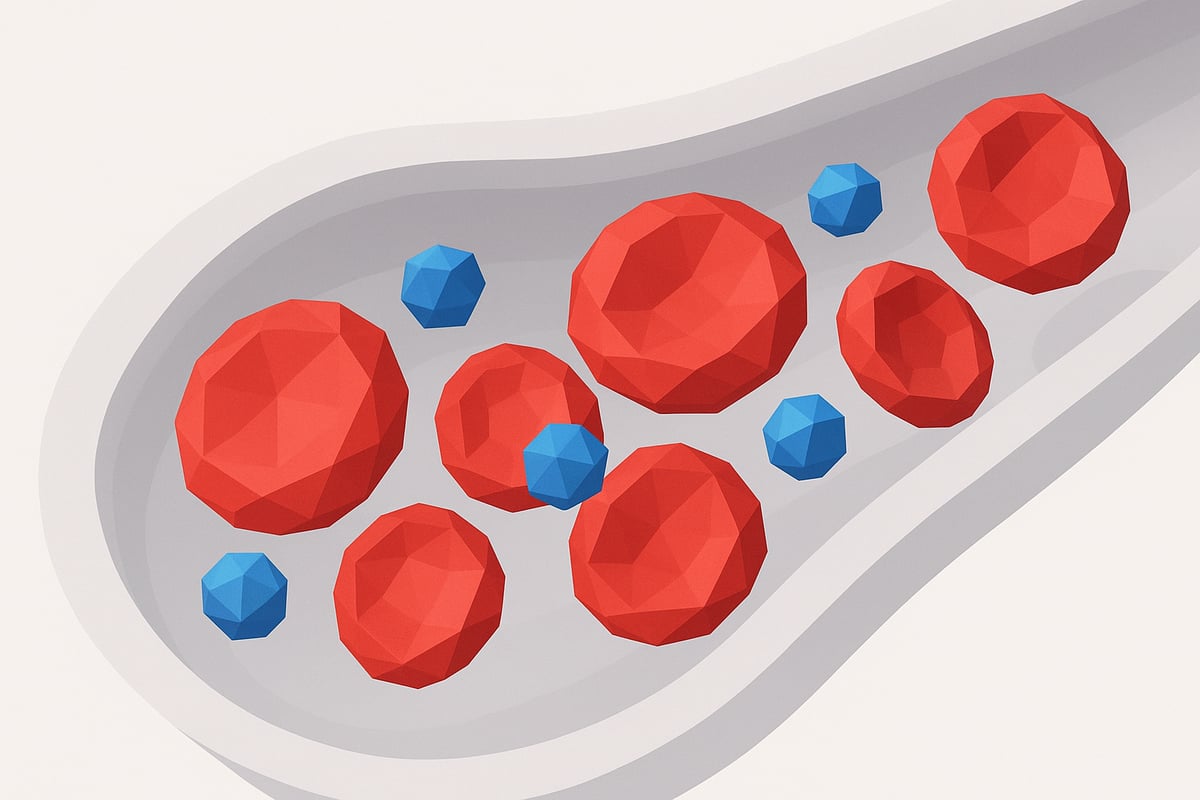
Hemoglobin, often abbreviated as Hgb, is the main protein inside your red blood cells. Its primary job is to pick up oxygen from your lungs and deliver it to every cell and organ in your body. Without enough hemoglobin, your body cannot get the oxygen it needs to produce energy, think clearly, or keep vital organs functioning smoothly.
When your hgb blood test shows low levels, you might notice symptoms like fatigue, weakness, or shortness of breath. These symptoms occur because your tissues are not receiving the oxygen they require. In severe cases, this can impact your heart and brain. Common causes of low hemoglobin include iron deficiency, chronic disease, or significant blood loss.
Hemoglobin is a key indicator of your overall blood health. It is a core measurement in the Complete Blood Count (CBC) panel, which doctors use to screen for a variety of conditions. The CBC looks at several blood components together, making the hgb blood test an essential part of understanding your general wellness.
Recommended Test
Complete Blood Count with Differential
The CBC with Differential is one of the most commonly ordered blood tests, providing a comprehensive snapshot of your overall health through detailed blood cell analysis.
Includes 14 biomarkers
$6
Here is a simple table summarizing hemoglobin levels:
| Hemoglobin Status | Typical Adult Range | Possible Symptoms |
|---|---|---|
| Normal | Men: 13.5–17.5 g/dL Women: 12.0–15.5 g/dL | None |
| Low (Anemia) | Below range | Fatigue, pale skin, weakness |
| High | Above range | Headache, dizziness, risk of clotting |
According to recent statistics, about 5% of U.S. adults are affected by anemia. Certain groups, such as people with chronic kidney disease, cancer, or heavy menstrual periods, are at higher risk. Monitoring hemoglobin is especially important for these individuals.
If you want a deeper dive into the purpose and interpretation of this test, see the Hemoglobin test overview.
How the Hgb Blood Test Works
The hgb blood test is straightforward and widely available. A healthcare provider will draw a small sample of your blood, usually from a vein in your arm or with a quick fingerstick. This sample is sent to a laboratory, where machines measure the amount of hemoglobin in your blood.
Often, the hgb blood test is performed as part of a CBC panel. This allows your doctor to assess hemoglobin alongside other markers, such as hematocrit and red blood cell count, for a fuller picture of your blood health.
In 2026, improvements in laboratory technology mean you can expect faster and more accurate results. Many clinics now offer same-day or next-day turnaround, making it easier to act quickly if your results are out of range.
You might need a hgb blood test if you are experiencing symptoms like unexplained tiredness, pale skin, or rapid heartbeat. Doctors also order this test to monitor chronic health conditions or before surgery. Factors such as hydration, recent physical activity, altitude, pregnancy, and menstruation can affect your results, so it is important to follow your provider’s instructions.
If your hgb blood test shows abnormal results, your healthcare provider may recommend follow-up testing to better understand the cause. For those who want control over their health, self-pay options like JustLabs allow you to order hemoglobin tests with transparent pricing and no insurance required.
Why and When Is the Hgb Blood Test Ordered?
If you are experiencing unexplained tiredness, pale skin, or shortness of breath, your doctor may recommend an hgb blood test. This simple yet essential test provides valuable insight into your blood health and can help uncover the root causes behind common symptoms. Understanding when and why the hgb blood test is ordered can empower you to take charge of your health and better interpret your results.
Common Symptoms and Conditions Prompting Testing
The hgb blood test is one of the most frequently ordered laboratory evaluations, especially when patients present with symptoms that might suggest anemia or other blood disorders. Common signs that often lead to testing include:
- Persistent fatigue or weakness
- Dizziness or lightheadedness
- Noticeable pale skin or nail beds
- Shortness of breath during routine activities
- Rapid or irregular heartbeat
Physicians also order the hgb blood test when there is suspicion of anemia due to blood loss, chronic kidney disease, or other underlying medical conditions. The test is a cornerstone for monitoring those with ongoing health concerns, such as cancer, autoimmune diseases, or gastrointestinal disorders that may impact red blood cell production.
Routine health screenings and annual wellness exams often include the hgb blood test as part of a Complete Blood Count (CBC). This approach helps detect early changes in blood health, even before symptoms develop. According to recent studies, anemia affects up to 6% of the US population, with higher rates among women of reproductive age, older adults, and individuals with chronic illnesses.
Certain groups are more likely to need regular hgb blood test checks. These include:
- Menstruating women, due to monthly blood loss
- Pregnant individuals, as pregnancy can dilute blood and lower hemoglobin
- Patients with known chronic diseases
- Athletes undergoing intense training
- Older adults, especially those with dietary restrictions
There are also specific scenarios where an hgb blood test is ordered, such as before surgery, after significant injury, or during medication monitoring. These examples highlight the test’s role in both urgent and routine care settings. For a broader overview of how hemoglobin fits within blood health evaluations, see our Comprehensive blood testing guide.
Energy & Fatigue Panel
36 biomarkers
Preventative and Proactive Health Monitoring
In 2026, the approach to health management is evolving. More individuals are choosing to take a proactive stance, using the hgb blood test not just for symptom investigation but also for routine monitoring. This trend is especially strong among those with a family history of blood disorders or chronic illnesses.
Regular hgb blood test checks can help detect trends or subtle shifts in hemoglobin levels before they lead to more serious symptoms. For example, tracking your results over time can provide early warning signs if your levels start to drop, allowing you to address potential causes such as dietary changes or medication effects.
The rise of self-directed health care means patients can now access hgb blood test services without needing a traditional doctor’s order. Home-based collection kits and self-pay laboratory options have made it easier than ever to monitor blood health on your own terms, with transparent pricing and quick turnaround times.
Key trends in 2026 include:
- Increased patient awareness of blood health and anemia risks
- Growth in home-based and self-pay lab testing
- Enhanced digital tools for tracking and understanding lab results
- More accessible resources for uninsured or underinsured individuals
Physicians still recommend follow-up hgb blood test checks for those at higher risk, such as people with previous abnormal results or ongoing chronic conditions. Regular monitoring can support better overall wellness, help guide nutritional adjustments, and ensure any emerging issues are addressed promptly.
For those seeking flexibility and control, self-pay options like JustLabs offer the ability to order a hemoglobin test online, schedule a local lab visit, and receive results quickly—with no hidden costs. This empowers you to stay informed and proactive about your health, whether you are managing a chronic condition or simply aiming for peace of mind.
Basic Wellness Panel
37 biomarkers
What to Expect During the Hgb Blood Test Process
Taking a hgb blood test is a straightforward way to check your blood health, whether you are feeling tired, managing a chronic condition, or simply monitoring wellness. Knowing what to expect can help you feel more comfortable and confident as you prepare for your test.
Step-by-Step Guide: From Preparation to Results
When your healthcare provider orders a hgb blood test, the process usually begins with scheduling at a clinic, hospital, or local lab. In 2026, many facilities let you book appointments online, making it simple to find a time that fits your schedule.
Before your hgb blood test, check if any fasting or special preparation is required. For most routine tests, you can eat and drink as normal, but staying hydrated is always recommended. Bring a photo ID and any paperwork from your provider or online order.
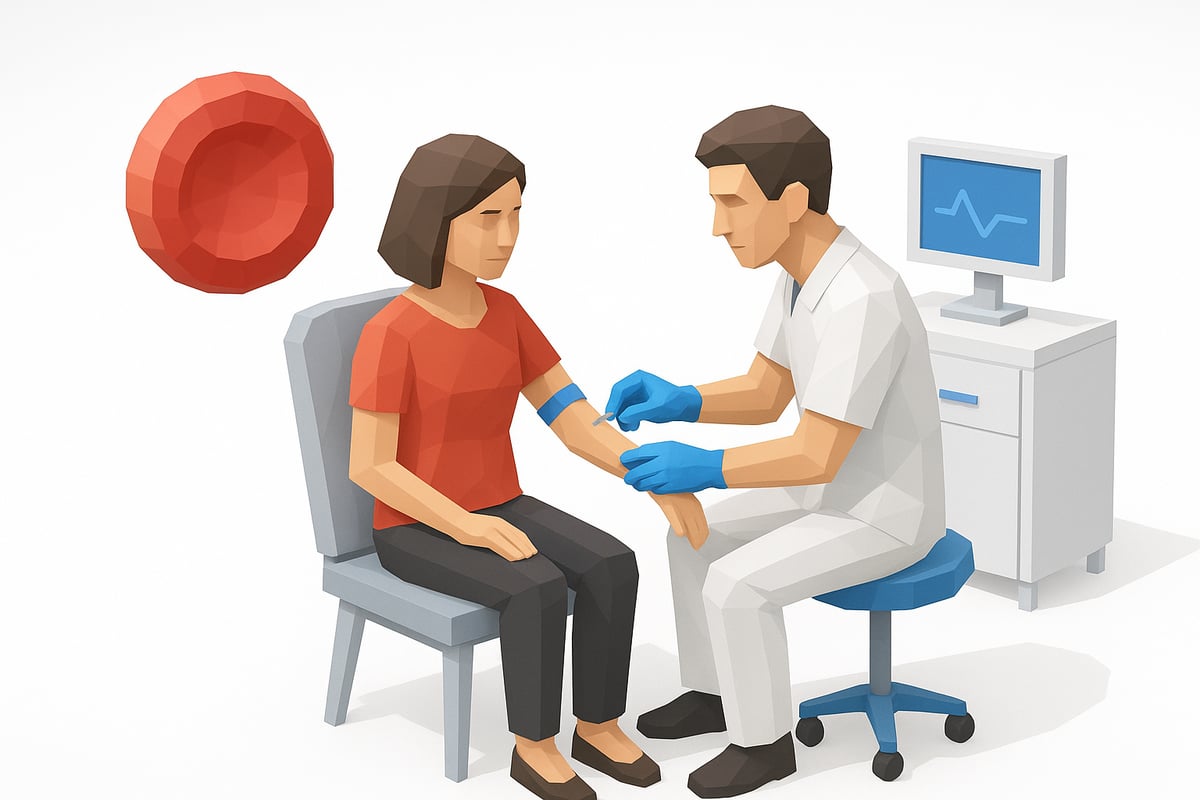
The actual hgb blood test is quick and minimally invasive. Most commonly, a technician will use venipuncture to draw blood from a vein in your arm. For some screenings, especially in children or point-of-care settings, a fingerstick may be used. You may feel a brief pinch or pressure, but discomfort is usually mild and short-lived.
After the sample is collected, it is labeled and sent to the lab. Modern laboratories in 2026 use advanced analyzers to measure your hemoglobin levels accurately and efficiently. Most results are ready within one to three days, much faster than in the past.
Once your hgb blood test results are available, you can usually access them through a secure online portal, a mobile app, or directly from your healthcare provider. Privacy and security are top priorities, so your personal health data is protected using current encryption standards.
To make your testing experience as smooth as possible:
- Wear short sleeves or loose clothing for easy access to your arm.
- Stay relaxed and breathe steadily during the blood draw.
- Let the technician know if you feel faint or anxious.
- Drink water beforehand to help with vein visibility.
If you need help understanding your hgb blood test results, resources like Understanding your lab results can guide you in reviewing your report and knowing when to discuss findings with your doctor.
Affordable Self-Pay Hemoglobin Testing Options
For those without insurance or seeking transparent pricing, self-pay lab options are increasingly popular in 2026. Services like JustLabs allow you to order a hgb blood test online, schedule a visit at a nearby lab, and receive results quickly—all without needing a doctor’s visit.
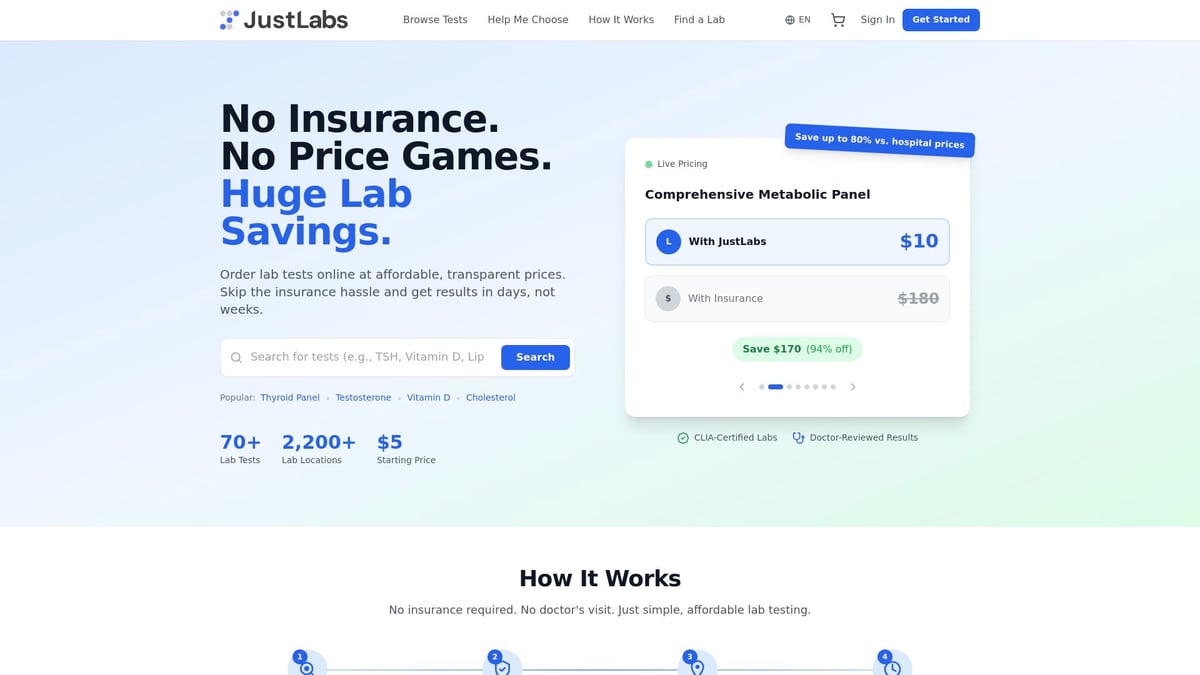
Benefits include upfront pricing, fast turnaround, and secure access to your health data. Many people use FSA or HSA funds to pay, and tracking your results over time is simple. Compared to traditional hospital billing, self-pay testing often offers significant cost savings and convenience.
Understanding Hgb Test Results: Reference Ranges and What They Mean
Knowing how to interpret your hgb blood test results can help you better understand your overall health. Hemoglobin is a key measure in the CBC panel, and your levels can provide clues about energy, oxygen delivery, and possible underlying health concerns.
Typical Hemoglobin Reference Ranges
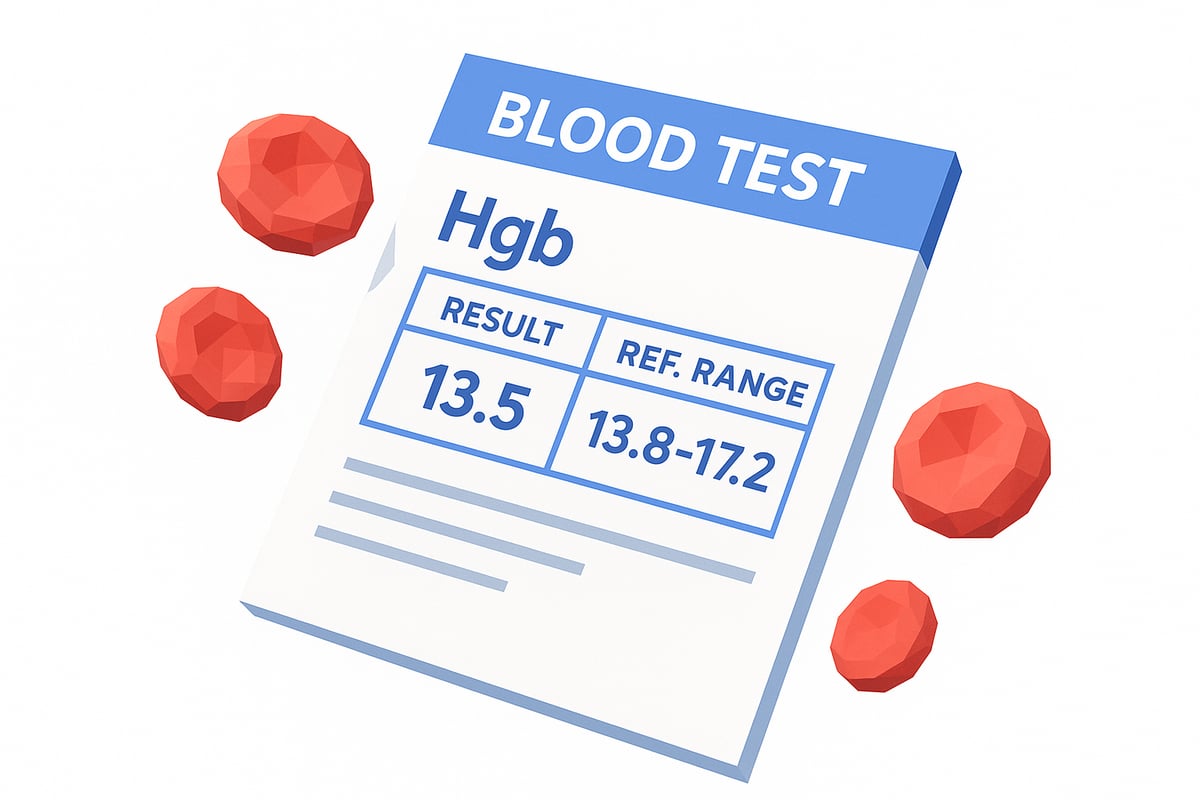
The hgb blood test measures the concentration of hemoglobin in your blood. This value is usually reported in grams per deciliter (g/dL). Normal ranges can vary depending on age, sex, pregnancy status, and even altitude.
Here is a summary of typical adult reference ranges, though some labs may have slight differences:
| Group | Reference Range (g/dL) |
|---|---|
| Adult Men | 13.5 – 17.5 |
| Adult Women | 12.0 – 15.5 |
| Pregnant Women | 11.0 – 12.0 |
| Children (varies) | 11.0 – 16.0 |
In 2026, some labs may update these values based on new research or population trends. Your hgb blood test report will show your result alongside the lab’s specific reference range.
Reference ranges can also be influenced by ethnicity, living at higher altitudes, and individual health factors. Always review your results in the context of your lab’s standards and your personal medical history.
Interpreting Low Hemoglobin Levels (Anemia)
A result below the standard reference range on your hgb blood test may signal anemia. This means your blood is carrying less oxygen than it should, which can cause symptoms like fatigue, weakness, headaches, or shortness of breath.
The most common reasons for low hemoglobin include iron deficiency, vitamin B12 or folate deficiency, chronic illness, or blood loss from injury or heavy periods. According to recent data, anemia affects about 5–10% of U.S. adults, and even more children and seniors.
If your test shows low hemoglobin, your healthcare provider may recommend additional tests to find the cause. For a deeper look at anemia causes and testing, see this helpful Anemia and hemoglobin testing guide.
Ferritin
1 biomarkers
Iron and Total Iron Binding Capacity
3 biomarkers
Vitamin B12
1 biomarkers
Folate, Serum
1 biomarkers
Interpreting High Hemoglobin Levels
A higher than normal hgb blood test result is less common but can occur for several reasons. Dehydration, living at high altitude, smoking, or certain medical conditions like polycythemia vera may increase hemoglobin.
Symptoms of high hemoglobin can include headaches, dizziness, or a reddish complexion. Rarely, very high levels raise the risk of blood clots. High hemoglobin is more often seen in people living in mountainous regions or those with chronic lung or heart disease.
If your level is above the reference range, your doctor will consider your history, current symptoms, and possibly order follow-up tests to determine the underlying cause.
The Role of Hgb in the Complete Blood Count (CBC)
The hgb blood test is a key part of the CBC, a panel that gives a comprehensive view of your blood health. Along with hemoglobin, the CBC measures:
- Hematocrit (the percentage of blood made up of red cells)
- Red blood cell count
- Mean corpuscular volume (MCV), which reflects red cell size
Abnormal hgb blood test results, especially when combined with changes in these related markers, help doctors decide on further evaluation or treatment. For example, low hemoglobin with a low MCV often points toward iron deficiency.
Understanding your hgb blood test results empowers you to make informed decisions. If you need convenient, self-pay testing, options like JustLabs make it easy to order hemoglobin tests online, see your results quickly, and track your blood health over time.
Complete Blood Count with Differential
14 biomarkers
Factors That Can Affect Hgb Blood Test Results
Understanding what influences your hgb blood test results is essential for accurate interpretation and proactive health management. Several biological, lifestyle, and medical factors can cause fluctuations in your hemoglobin levels, making it important to consider these variables when preparing for or reviewing your test results.
Biological and Lifestyle Influences
Your daily habits and environment can have a noticeable impact on your hgb blood test. Hydration is one of the most significant factors. If you are dehydrated, the concentration of hemoglobin in your blood may appear higher than it truly is. Conversely, drinking excessive amounts of water can dilute your blood, leading to a lower apparent value.
Recent physical activity also plays a role. Intense exercise can temporarily increase hemoglobin levels, so it is advisable to avoid strenuous workouts before your test. Living at higher altitudes prompts your body to produce more hemoglobin to compensate for reduced oxygen in the air, resulting in naturally higher hgb blood test values for those in mountainous areas.
Life stages such as pregnancy and menstruation can cause normal fluctuations. During pregnancy, blood volume expands, which may lower hemoglobin levels. Menstruation can lead to temporary decreases due to blood loss. Environmental factors, including seasonality, have also been shown in studies to influence results. For example, warmer weather can cause slight changes in hydration status and blood composition.
| Factor | Effect on Hgb Level |
|---|---|
| Dehydration | May increase |
| Overhydration | May decrease |
| High Altitude | May increase |
| Pregnancy | May decrease |
| Menstruation | May decrease |
| Recent Exercise | May increase temporarily |
Being aware of these influences can help you and your healthcare provider interpret your hgb blood test more accurately.
Medications and Chronic Conditions
Certain medications are well-known for their effect on hgb blood test outcomes. Chemotherapy drugs, for example, can reduce the production of red blood cells, resulting in lower hemoglobin levels. Blood thinners and some antiretrovirals may also impact hemoglobin, either by causing mild blood loss or affecting how red blood cells are produced and destroyed.
Chronic health conditions play a significant part as well. Kidney disease can lead to reduced erythropoietin production, which is a hormone that stimulates red blood cell formation, often causing lower hgb blood test results. Autoimmune diseases, cancers, and inherited blood disorders like sickle cell disease or thalassemia can all affect hemoglobin levels in unique ways.
If you are managing a chronic illness or taking long term medications, your doctor may recommend more frequent monitoring of your hgb blood test to track changes over time. Open communication about your medication regimen and health history is vital for correct interpretation.
Inflammation Panel
17 biomarkers
Avoiding Common Testing Errors
To ensure your hgb blood test yields the most accurate information, there are several important steps to follow. Proper hydration before your appointment helps maintain true blood concentration. Always inform your healthcare provider or the lab staff about any medications or supplements you are taking, as these can impact results.
The timing of your test can also matter. For example, testing after recent physical exertion or immediately following menstruation may not reflect your baseline hemoglobin. Using a reputable, CLIA certified laboratory reduces the risk of analytical errors. According to the AABB Guide to Donor Hemoglobin Determination, strict quality controls are necessary to avoid misclassification and ensure reliable results.
Real world scenarios show how minor lapses in preparation or sample handling can lead to misleading outcomes, potentially prompting unnecessary follow up. Being proactive with preparation and choosing a trusted lab can help you get the most value from your hgb blood test.
When to Seek Follow-Up and Next Steps After Your Hgb Test
Understanding your hgb blood test results is an important step in managing your health. Once you have your results, knowing when to follow up and what actions to take can help you feel more confident and in control.
When to Contact Your Healthcare Provider
If your hgb blood test shows levels that are significantly lower or higher than the reference range, it is important to reach out to your healthcare provider. Extremely low Hgb can cause symptoms like severe fatigue, chest pain, or difficulty breathing. These symptoms require prompt attention.
You should contact your provider if you experience:
- Persistent tiredness or weakness
- Unexplained rapid heartbeat
- Shortness of breath during routine activity
- Pale or yellowish skin
- Dizziness or lightheadedness
For high hgb blood test results, watch for new headaches, vision changes, or a reddish complexion. While mild abnormalities are sometimes temporary, your provider may recommend a repeat hgb blood test to confirm the result or suggest additional blood work.
Typical next steps after an abnormal hgb blood test may include:
- Dietary adjustments to address possible deficiencies
- Reviewing current medications for potential effects on Hgb
- Referral to a specialist if an underlying condition is suspected
It is important not to self-diagnose or make major changes based only on your hgb blood test. Always discuss any concerns or symptoms with your healthcare team for personalized advice.
Monitoring and Managing Blood Health Over Time
Tracking your hgb blood test results over time can help you and your provider spot trends, especially if you manage a chronic condition like anemia, kidney disease, or a blood disorder. Regular testing is often recommended for people with known risk factors or a family history of blood-related issues.
Lifestyle and nutrition play a big role in supporting healthy hemoglobin levels. Eating a balanced diet rich in iron, vitamin B12, and folate can help maintain your blood health. Staying well hydrated and avoiding excessive alcohol use also support normal Hgb levels.
Keep your own records of past hgb blood test results. This helps you understand your personal baseline and allows your provider to notice changes more quickly. Consider creating a simple table or spreadsheet, noting the date, result, and any symptoms at the time.
| Date | Hgb Result (g/dL) | Notes/Symptoms |
|---|---|---|
| 2026-01-10 | 12.8 | Mild fatigue |
| 2026-04-15 | 13.2 | Feeling normal |
| 2026-07-20 | 11.5 | Noticed increased tiredness |
If you notice a steady decline or rise in your hgb blood test values, schedule a follow-up with your healthcare provider. Consistent monitoring supports early detection and better long-term management.
Empowering Patients Through Accessible Testing
Direct access to lab testing gives you more control over your health decisions. Services now allow you to order an hgb blood test online, without needing a doctor's appointment first. For example, you can order labs without a doctor and schedule a convenient time at a local lab.
This approach offers transparent pricing, faster results, and privacy. If you do not have insurance, these options can also be more affordable. Taking charge of your hgb blood test monitoring helps you stay proactive about your well-being.
Comprehensive Wellness Panel
44 biomarkers
Remember, even if you order your own hgb blood test, it is important to share results with your healthcare provider. Understanding your numbers is just one part of maintaining overall health.
If you’re ready to take control of your health in 2026, understanding your hemoglobin levels is a great place to start. With Justlabs, you can skip the wait for doctor’s appointments and insurance approvals, making it easy to order lab tests on your schedule. You’ll get clear, fast results and upfront pricing, so you always know what to expect. Whether you’re curious about your energy levels, managing a chronic condition, or simply staying proactive, checking your Hgb is more convenient than ever. Explore your options and Order Tests when you’re ready to put knowledge into action.