
Proactive health management is more essential than ever. Regular blood testing, especially a full panel blood test, is at the heart of early detection and wellness planning.
This comprehensive test offers a complete snapshot of your health, helping you spot potential issues before symptoms arise. Understanding your health numbers brings empowerment and peace of mind, allowing you to take charge of your well-being.
This guide will demystify the full panel blood test, explain what is measured, why it matters, and how you can access testing with ease.
Get ready to use this article as your 2026 roadmap to understanding, interpreting, and acting on your full panel blood test results. We will cover what the test includes, what each result means, when and why to get tested, how to prepare, how to interpret your numbers, cost and access options, and your next steps for a healthier future.
What Is a Full Panel Blood Test?
A full panel blood test is a comprehensive screening tool designed to give you a detailed overview of your current health. Unlike basic blood work that may check only a few markers, a full panel blood test combines several key laboratory assessments to provide a holistic snapshot. This means your doctor or healthcare provider can evaluate multiple body systems at once, helping identify potential health concerns before symptoms appear. Before choosing, it helps to know which markers a basic wellness panel covers and which ones only a comprehensive panel adds.
What Does a Full Panel Blood Test Include?
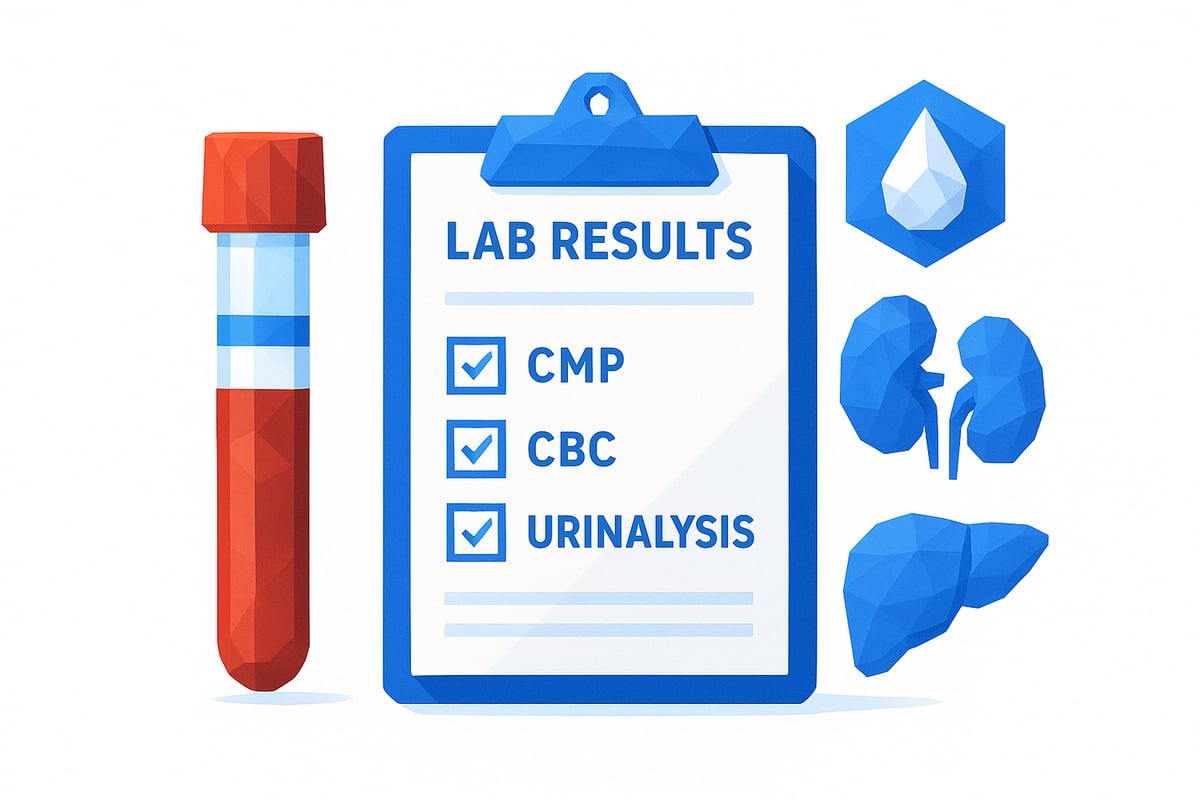
A full panel blood test typically bundles several core laboratory tests together. The three most common components are:
| Test Name | What It Measures | Main Purpose |
|---|---|---|
| Comprehensive Metabolic Panel (CMP) | Glucose, electrolytes, kidney and liver markers, proteins | Checks metabolism, organ function, hydration |
| Complete Blood Count (CBC) | Red and white blood cells, hemoglobin, platelets | Screens for anemia, infection, immune health |
| Urinalysis | Urine appearance, protein, glucose, blood, cells | Assesses kidney health, diabetes, UTI risk |
Each component of a full panel blood test serves a specific role. The Comprehensive Metabolic Panel guide explains how the CMP checks your blood sugar, electrolytes like sodium and potassium, kidney markers such as creatinine and BUN, liver enzymes, and blood proteins. CBC focuses on cell counts and hemoglobin, helping detect anemia or immune changes. Urinalysis provides additional data on kidney function, hydration, and early markers for diabetes or infection.
Bundling these tests gives your provider a broad and integrated view of your health. This approach helps spot subtle changes that might be missed if each test was performed separately.
Why Are Full Panel Blood Tests Important?
A full panel blood test is often part of annual wellness exams and preventative care. It helps establish a baseline for your health, so future changes in your results can be tracked over time. This is especially important because 6 in 10 adults have at least one chronic disease, according to the CDC. Regular testing can highlight early warning signs of conditions like diabetes, kidney disease, or liver problems, often before symptoms arise.
Full panel blood tests are also valuable for monitoring ongoing conditions, medication side effects, or responses to lifestyle changes. For instance, if you have a family history of heart disease or diabetes, or if you have unexplained symptoms such as fatigue or weight changes, your provider may recommend more frequent testing.
Who Should Consider a Full Panel Blood Test?
Anyone interested in proactive health management may benefit from regular full panel blood tests. Key groups include:
- Adults over 18, especially as they age
- Individuals with a family history of chronic diseases
- People managing existing health conditions
- Those starting new medications or making lifestyle changes
- Anyone wanting a clear health baseline
How often should you get a full panel blood test? For most healthy adults, annual testing is typical. However, if you have risk factors or chronic conditions, your provider may suggest more frequent checks.
Full panel blood tests are increasingly accessible, even for those without insurance. Many platforms, including JustLabs, offer transparent self-pay options, making it easier to take control of your health with upfront pricing and convenient lab access.
Understanding the Comprehensive Metabolic Panel (CMP)
A Comprehensive Metabolic Panel, or CMP, is a cornerstone of the full panel blood test. This important set of blood measurements gives you and your healthcare provider a broad overview of your body’s chemical balance and organ function. By checking several markers at once, a CMP helps spot early signs of conditions like diabetes, kidney disease, and liver problems, often before any symptoms appear.
The CMP is usually bundled with other panels in a full panel blood test to provide a truly comprehensive health picture. If you’re considering a full panel blood test, understanding the CMP is key to making informed decisions about your health and wellness.
What Does the CMP Measure?
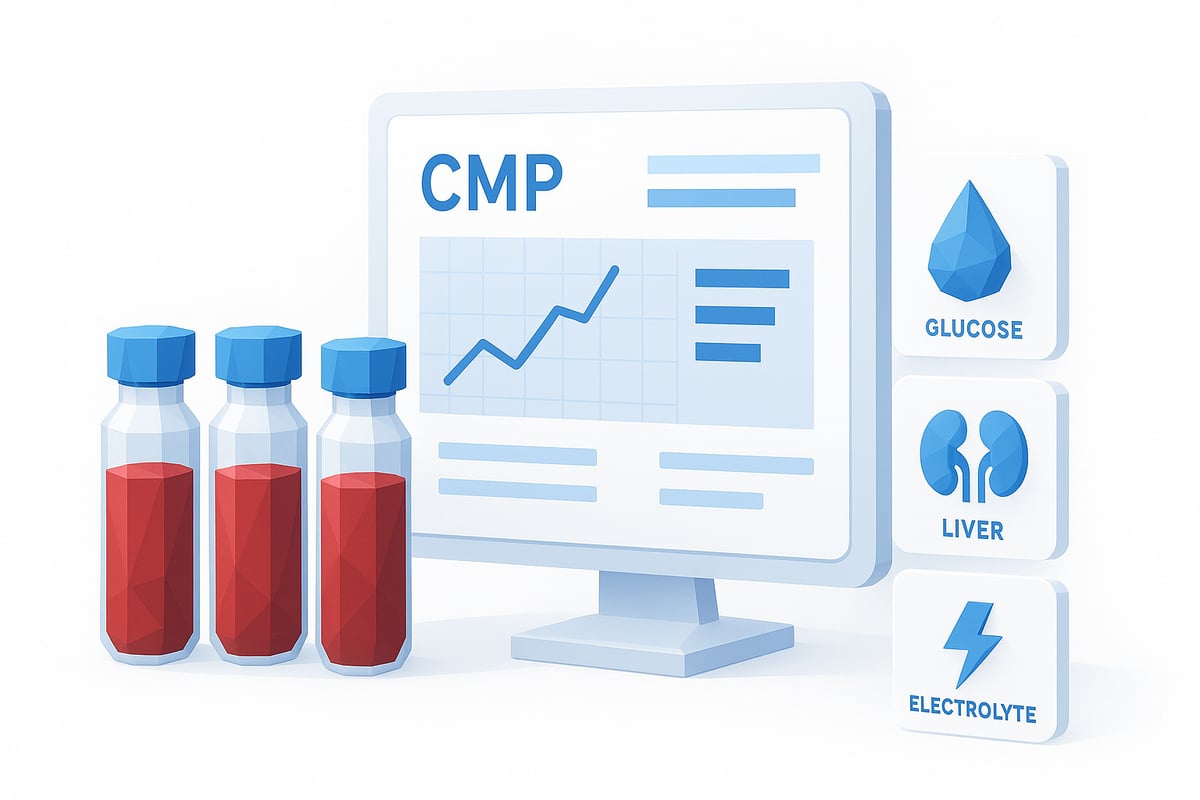
The CMP in a full panel blood test includes a range of markers grouped into several categories. Each tells a different story about your health:
| Marker | What It Shows | Why It Matters |
|---|---|---|
| Glucose | Blood sugar level | Diabetes risk, energy balance |
| Calcium | Bone, nerve, and muscle function | Parathyroid, bone health |
| Sodium | Fluid and electrolyte balance | Dehydration, kidney function |
| Potassium | Heart and muscle function | Heart rhythm, kidney health |
| Chloride | Acid-base balance | Metabolism, hydration status |
| CO2 (Bicarbonate) | Acid-base balance | Lung, kidney function |
| BUN | Kidney function, protein breakdown | Kidney health, hydration |
| Creatinine | Kidney function | Detects kidney impairment |
| eGFR | Kidney filtration rate | Early kidney disease detection |
| AST, ALT, ALP | Liver enzymes | Liver inflammation or injury |
| Bilirubin | Liver function, red cell breakdown | Jaundice, liver issues |
| Total Protein | Overall protein levels | Nutrition, liver, kidney status |
| Albumin | Main blood protein | Liver, kidney, nutritional health |
| Globulin | Immune proteins | Immune system, inflammation |
These markers work together to provide a window into your body’s most vital systems. For a deeper dive into each component, the Comprehensive Metabolic Panel Overview offers additional context.
What Can Abnormal Values Tell You?
Interpreting a full panel blood test means looking at the ranges for each marker. For example, high glucose may suggest diabetes risk, while low albumin could signal nutritional challenges or liver issues. Elevated creatinine and low eGFR point toward possible kidney impairment.
Sometimes, it is the combination of results that matters most. For instance, the BUN/creatinine ratio is often used to distinguish between different types of kidney problems. When multiple liver enzymes (AST, ALT, ALP) are high, it might indicate liver inflammation or other concerns.
It is important to remember that one abnormal value does not always mean you have a health problem. Many factors, from medications to hydration, can influence results. Trends over time offer the best insight into your overall health.
Common Scenarios and the Importance of Trends
A full panel blood test helps detect subtle changes before they become bigger health issues. For instance, a slight but consistent rise in glucose may point to prediabetes, giving you time to make lifestyle changes. Unusual electrolyte levels, like low sodium or high potassium, could reflect dehydration, medication side effects, or hidden kidney concerns.
If liver enzymes are elevated on more than one occasion, your provider might look for causes like fatty liver or medication effects. Monitoring these markers over time helps catch problems early and track the impact of any interventions.
Why, When, and How Often Is a CMP Ordered?
Doctors usually order a CMP as part of a full panel blood test during annual wellness visits or when monitoring chronic conditions. It is also common before starting new medications, during hospital admissions, or when patients have unexplained symptoms like fatigue or swelling.
Most adults benefit from a full panel blood test including a CMP once a year. People with diabetes, kidney disease, liver issues, or those on certain medications may need testing more often. Fasting for 8 to 12 hours is usually required to ensure accurate glucose and electrolyte readings. Only water is allowed during this time.
Cost, Self-Pay Options, and Access
The cost of a full panel blood test with a CMP can vary widely. Through traditional clinics, prices may be higher, especially if you have a high deductible or no insurance. Direct-to-consumer options, like JustLabs, make it easy to order a CMP online, visit a local lab, and receive results at transparent, upfront prices. This empowers you to take charge of your health, whatever your insurance status.
A full panel blood test with a CMP is a smart investment in your future health. By understanding your numbers and trends, you can make informed choices and catch potential problems early.
The Complete Blood Count (CBC) and What It Tells You
A Complete Blood Count (CBC) is one of the most essential parts of a full panel blood test. This routine screening gives your healthcare provider a detailed look at your blood’s major components, helping spot early signs of common health issues. When included in a full panel blood test, the CBC acts as a foundational tool for understanding your general health, even before you feel any symptoms.
The CBC measures several key elements in your blood, each with its own role in keeping your body functioning smoothly. Here is a quick summary of what’s measured:
| CBC Component | What It Measures | Why It Matters |
|---|---|---|
| Red Blood Cells | Number and quality of red cells | Oxygen transport |
| Hemoglobin | Oxygen-carrying protein in red cells | Anemia screening |
| Hematocrit | Proportion of blood made of red cells | Hydration, anemia assessment |
| White Blood Cells | Immune system cells | Infection, inflammation marker |
| Platelets | Cell fragments for clotting | Bleeding, clotting disorders |
Each part of the CBC tells a different story about your health. Red blood cells, hemoglobin, and hematocrit work together to show how well your blood carries oxygen. If any of these are too low or too high, it may signal anemia, dehydration, or other underlying issues. White blood cells are your body’s defenders against infection. A higher or lower count can point to infections, inflammation, or immune system concerns. Platelets are crucial for blood clotting. Changes in platelet count might suggest a risk of bleeding or, less commonly, clotting problems.
CBC results are not just numbers. They help your provider decide if you need further testing. For example, a low hemoglobin result could lead to iron studies, while an elevated white blood cell count might prompt a search for infection. The CBC is a screening tool, so it does not diagnose a specific condition, but it does give a roadmap for next steps.
Some common abnormalities seen in a full panel blood test include:
- Low red blood cell count or hemoglobin (anemia)
- Elevated white blood cell count (infection or inflammation)
- Low platelet count (risk of bleeding)
- High platelet count (possible inflammation or other causes)
If your CBC shows any irregularities, your healthcare provider will interpret these results in the context of your symptoms, history, and other lab findings. For more details on what specific abnormalities may mean and how they’re managed, you can read this Complete Blood Count (CBC) explained resource.
Routine CBCs are a cornerstone of preventative care. In fact, over 90% of annual physicals include a CBC as part of a full panel blood test, helping catch silent issues early and establish your baseline numbers. By reviewing trends over time, you and your doctor can spot subtle changes that may need attention.
Remember, the CBC is just one piece of the puzzle in a full panel blood test, but it is a powerful one for proactive health management. Regular screening empowers you to take charge of your wellbeing, with peace of mind that you are staying ahead of potential problems.

Urinalysis: The Often-Overlooked Health Indicator
Urinalysis is a simple yet powerful part of a full panel blood test. While most people focus on blood results, urine can reveal important details about your health that blood tests might miss. Including urinalysis in your full panel blood test provides a more complete picture of your body's function, even if you feel perfectly healthy.
A routine urinalysis typically measures:
- Appearance and color
- pH (acidity or alkalinity)
- Protein
- Glucose
- Ketones
- Blood (hematuria)
- Nitrites
- Leukocyte esterase
- Specific gravity (concentration)
- Bilirubin and urobilinogen
- Cells (such as white or red blood cells)
These results help detect early signs of kidney disease, diabetes, urinary tract infections, and even hydration status. For example, protein in the urine may suggest a kidney issue, while the presence of nitrites and leukocyte esterase could indicate a urinary tract infection. Glucose in the urine is sometimes the first clue to developing diabetes, often appearing before any symptoms.
Importantly, urinalysis is not designed to test for drugs or pregnancy. If you need those results, separate, specialized tests are required. The markers checked in a full panel blood test urinalysis are specific to general health screening.
Even if you have no symptoms, urinalysis is a valuable part of your full panel blood test. It can catch silent conditions early, giving you and your healthcare provider a chance to act before any problems develop. For a deeper look at each measurement, you can review this Urinalysis test overview for more details.
Including urinalysis offers peace of mind and a more thorough assessment of your health. By combining blood and urine tests, your full panel blood test becomes a true foundation for proactive wellness.

When and Why Should You Get a Full Panel Blood Test?
Understanding when and why to get a full panel blood test is essential for proactive health management. Most healthy adults are advised to have a full panel blood test at least once a year, often during their annual wellness exam. This schedule helps establish baseline health data and makes it easier to spot any changes over time. For those with risk factors, such as a family history of chronic disease, pre-existing conditions, or new unexplained symptoms, more frequent testing may be necessary to closely monitor health status.
There are several common reasons healthcare professionals recommend a full panel blood test. These include routine annual checkups, evaluating new or persistent symptoms, tracking the progression of chronic illnesses like diabetes or kidney disease, monitoring the effects of medications, and assessing the impact of significant lifestyle changes. Additionally, many people choose a full panel blood test when starting a new fitness or nutrition regimen to understand their starting point and set informed health goals.
A full panel blood test is particularly valuable for adults over 18, individuals with a family history of chronic diseases, those who experience unexplained fatigue or other subtle symptoms, and anyone seeking a comprehensive health snapshot. Regular testing is also crucial for people already managing chronic conditions, as it allows for ongoing assessment and timely adjustments to treatment plans. For many, having access to this data brings peace of mind and a sense of control over personal health.
Early detection is one of the strongest reasons to prioritize a full panel blood test. Many serious health conditions, such as prediabetes or mild kidney dysfunction, can develop silently without noticeable symptoms. By identifying these issues early, individuals can take action to prevent complications and improve long-term outcomes. In fact, 40% of adults have two or more chronic conditions, highlighting the importance of regular testing for early intervention. For more on the preventive value of routine lab work, see this Importance of Regular Lab Tests guide.
Making the full panel blood test a regular part of your healthcare routine empowers you to make informed decisions and collaborate effectively with your medical team. As healthcare continues to evolve in 2026, prioritizing preventive screening is a smart step toward a healthier, more confident future.
Interpreting Your Results: What Next?
Reviewing your full panel blood test results can feel overwhelming at first. Lab reports often include numbers, reference ranges, and sometimes flags for values outside the normal limits. To start, compare each value to its reference range. These ranges represent typical results for healthy individuals and are used to highlight potential concerns. Remember, a flagged result does not always mean there is a health problem, but it signals a need for further evaluation. Some testing approaches go further and judge results against tighter optimal targets instead of population averages, which is the premise behind the biomarkers in a longevity and aging panel.
Understanding the results of your full panel blood test requires context. Factors such as age, sex, medical history, and even recent lifestyle changes can influence your numbers. For example, a slightly elevated white blood cell count may be normal during recovery from a cold, while a low hemoglobin level could suggest the need for more iron-rich foods or additional testing. Reviewing trends over time is just as important as looking at single results. If a value has slowly changed across several tests, it may be more significant than a one-time abnormality.
It is important to know when to reach out to your healthcare provider. If your full panel blood test reveals abnormal values, persistent trends, or you have new or worsening symptoms, consult a professional. Do not ignore results that are consistently outside the reference range, even if you feel well. Your provider can help interpret what these results mean for you, taking into account your overall health and risk factors.
Your full panel blood test is a tool for proactive health management. Use your results to guide decisions about diet, exercise, and follow-up testing. For example, discovering elevated glucose may encourage you to reduce added sugar or increase physical activity. If your cholesterol is high, you might discuss dietary changes or medication options with your provider. Early action based on lab findings can help prevent or delay chronic conditions, as highlighted in recent advances in early detection of diseases via blood tests.
Finally, share your results with your doctor or a telehealth provider to get personalized recommendations. Many people find it helpful to keep a record of their full panel blood test results to track changes and discuss progress at future appointments. Taking these steps empowers you to take charge of your health and make informed decisions for a healthier future.
Related tests on JustLabs: thyroid panel | TSH test
Cost, Transparency, and the Future of Lab Testing
Understanding the cost of a full panel blood test is essential for making informed health decisions. In 2026, transparent pricing and accessible options are changing how patients manage their health.
Comparing Costs: Clinics vs. Direct-to-Consumer
The price of a full panel blood test can vary widely. In traditional clinics, costs may range from $100 to $300, especially if processed through insurance. In contrast, self-pay and direct-to-consumer platforms often offer the same tests for a fraction of that price.
| Provider Type | Typical Price Range |
|---|---|
| Traditional Clinic | $100 – $300 |
| Self-Pay/Online Lab | $30 – $60 |
Patients are increasingly turning to online lab services for affordability and convenience. For example, at JustLabs the Basic Wellness Panel (CBC, CMP, lipid panel and TSH) is $30 plus the one $18 order fee ($48 all-in), with results delivered digitally. For practical guidance on finding these options, see blood tests without insurance.
Transparency and Empowerment
Transparent pricing empowers patients to take control of their health. Knowing the exact cost upfront helps you budget for regular wellness checks, even if you have a high-deductible plan or no insurance.
Many self-pay services also accept FSA or HSA payment, making it even easier to prioritize preventive care. This flexibility puts the focus back on your health, not surprise bills.
The Future: Digital Access and Patient-Centered Care
The landscape of lab testing is evolving quickly. Patients now benefit from:
- Online ordering of full panel blood test packages
- Fast, secure digital results
- Clear explanations and next steps
- Affordable pricing and transparent menus
These advances are making preventive testing more accessible than ever. In 2026, affordable lab tests are a cornerstone of proactive health management, empowering everyone to stay ahead of chronic disease.
Now that you understand how a full panel blood test can give you a clear snapshot of your health and help you take proactive steps for the future, you might be wondering how to get started. With JustLabs, you can skip the hassle of insurance and doctor appointments, making the process quick, affordable, and on your terms. You deserve easy access to the information that can shape your health journey in 2026 and beyond. If you’re ready to take control and see which comprehensive tests fit your needs, simply Browse Tests to explore your options and begin your roadmap to better health.