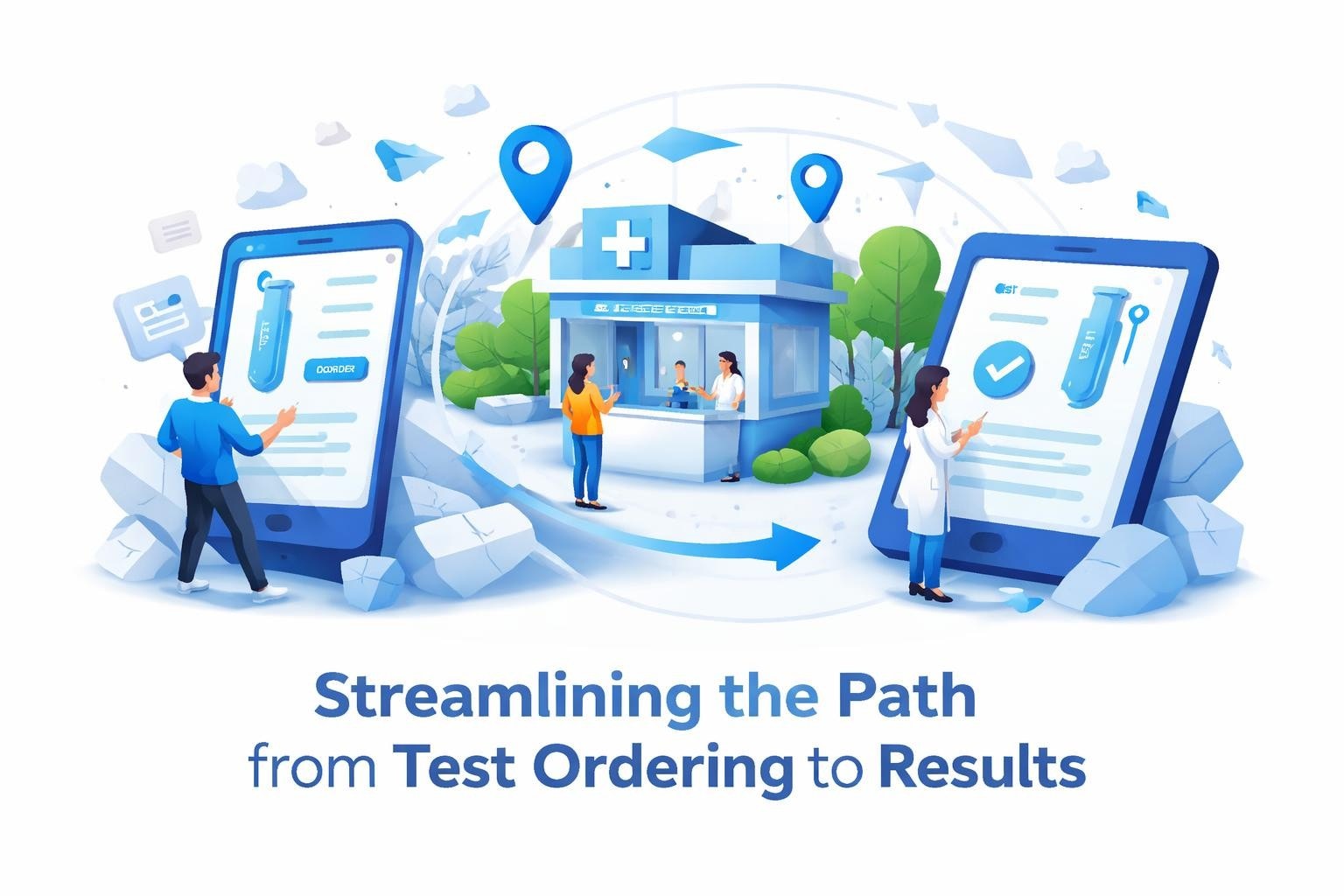
The healthcare landscape has evolved significantly, and patients increasingly want control over their health information. Many people wonder whether they can bypass traditional gatekeepers and directly access laboratory testing. The answer depends on where you live, what tests you need, and how you navigate the regulatory environment surrounding medical diagnostics.
Big picture
- Direct access testing allows consumers in most states to order their own laboratory tests without a doctor's prescription, though regulations vary significantly by location
- State laws determine availability: some states permit full direct access, others restrict certain test types, and a few require physician orders for all laboratory work
- CLIA-certified laboratories must process these tests, ensuring quality standards regardless of whether a doctor initiated the order
- People choose self-ordered testing for various reasons including cost transparency, convenience, proactive health monitoring, and privacy
- Action step: Research your state's specific regulations regarding direct access testing and identify CLIA-certified providers that offer transparent pricing
Understanding Direct Access Laboratory Testing
Direct access testing represents a shift in how Americans approach preventive healthcare. Rather than scheduling appointments, explaining symptoms, and waiting for physician approval, consumers can identify the tests they need and order them independently.
This model emerged as patients became more engaged in their health management and frustrated with traditional barriers. The question "can I order my own lab tests" has become increasingly common as people discover these services exist.
The Legal Framework
The regulatory environment governing who can order laboratory tests involves both federal and state components. At the federal level, the Clinical Laboratory Improvement Amendments (CLIA) establish quality standards for laboratory testing but don't specifically prohibit direct consumer access.
State laws create the actual restrictions or permissions. Most states allow direct access testing, though the specifics vary:
- Permissive states allow consumers to order virtually any test directly
- Partially restrictive states permit most tests but require physician orders for specific categories
- Restrictive states mandate physician involvement for all or most laboratory work
| State Approach | Consumer Access Level | Common Restrictions |
|---|---|---|
| Permissive | High - most tests available | May exclude genetic testing |
| Partial | Moderate - many tests available | Often restricts controlled substances |
| Restrictive | Low - physician required | Requires orders for most/all tests |
Understanding your state's position determines whether you can order your own lab tests and which specific tests might be available.
Why People Choose Self-Ordered Testing
Consumer motivations for pursuing direct access testing span practical, financial, and personal factors. Many individuals feel empowered taking charge of their health monitoring without waiting for annual physicals or explaining their concerns to skeptical physicians.
Cost Transparency and Affordability
Traditional healthcare pricing remains notoriously opaque. Patients often don't know test costs until after receiving bills, and insurance processing adds complexity and delay. Self-pay lab testing eliminates these uncertainties by displaying exact prices upfront.
Financial advantages include:
- No insurance copays or deductibles
- Transparent pricing before ordering
- Often lower costs than insurance-negotiated rates
- No surprise bills from out-of-network providers
Some services even qualify for HSA and FSA reimbursement, making them FSA and HSA eligible while maintaining transparent pricing structures.
Convenience and Speed
Traditional testing requires multiple steps: scheduling a doctor's appointment, explaining why you want specific tests, waiting for approval, scheduling the lab visit, then waiting again for your doctor to review results before you receive them.
Direct access testing streamlines this process dramatically. Consumers can order tests online, visit a convenient lab location, and receive results digitally within days. This efficiency particularly benefits people monitoring chronic conditions, tracking wellness metrics, or investigating specific health concerns.
Recommended Panel
Basic Wellness Panel
Save $2.5Our most affordable comprehensive screening includes the 4 tests doctors order most: CBC, Comprehensive Metabolic Panel, Lipid Panel, and TSH. Covers 30+ biomarkers in one blood draw.
Includes 37 biomarkers
$30
Fasting required
Privacy Considerations
Some individuals prefer keeping certain health information private from their regular healthcare providers or insurance companies. While ordering labs without a doctor doesn't guarantee complete anonymity, it does provide more control over who accesses your health data initially.
State-by-State Variations
The answer to "can I order my own lab tests" depends heavily on your location. Geographic disparities in healthcare regulation create a patchwork of access across the country.
States With Broad Access
Arizona has emerged as particularly friendly toward direct access testing, with laws explicitly permitting consumers to order their own tests. Many residents take advantage of this freedom for routine monitoring and preventive screening.
Other states with generally permissive policies include California, Florida, Texas, and many others. However, even permissive states may restrict certain test categories like those involving controlled substances or specific genetic markers.
Restrictive Jurisdictions
New York maintains stricter regulations, requiring licensed healthcare practitioners to order most laboratory tests. This creates challenges for consumers seeking direct access and for unlicensed health practitioners who cannot order tests for their clients.
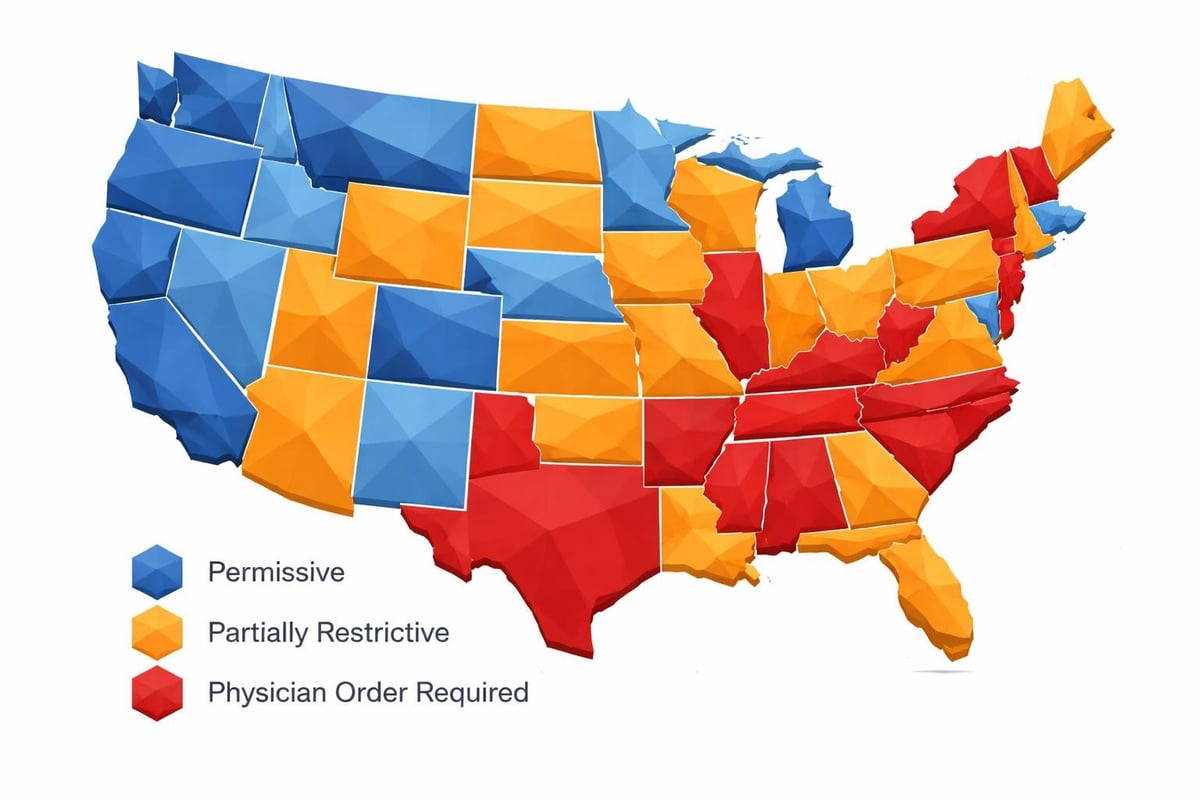
Maryland and New Jersey similarly restrict direct consumer access, though specific provisions and exceptions vary. Residents of these states often need alternative approaches or must work with licensed providers.
What Tests Can You Order?
Assuming you're in a state permitting direct access, the range of available tests is extensive. Most services offer common panels and individual markers that address various health concerns.
Common Test Categories
Metabolic and General Health:
- Comprehensive metabolic panels
- Lipid profiles for heart health
- Liver and kidney function tests
- Blood glucose and hemoglobin A1C
Recommended Test
TSH (Thyroid Stimulating Hormone)
The TSH test is the gold standard for evaluating thyroid function. It's the first test doctors order when thyroid problems are suspected.
Includes 1 biomarkers
$9
Hormone Testing:
- Thyroid function panels
- Testosterone levels
- Estrogen and progesterone
- Cortisol measurements
Nutritional Status:
- Vitamin D levels
- Vitamin B12 and folate
- Iron studies and ferritin
- Complete blood counts
Specialized Screening:
- Inflammation markers like C-reactive protein
- Prostate-specific antigen (PSA)
- Sexually transmitted infection panels
- Food sensitivity testing
When exploring available tests, consider both your immediate concerns and broader wellness monitoring goals.
How the Process Works
For those wondering "can I order my own lab tests" and what the actual process entails, direct access testing typically follows a straightforward sequence.
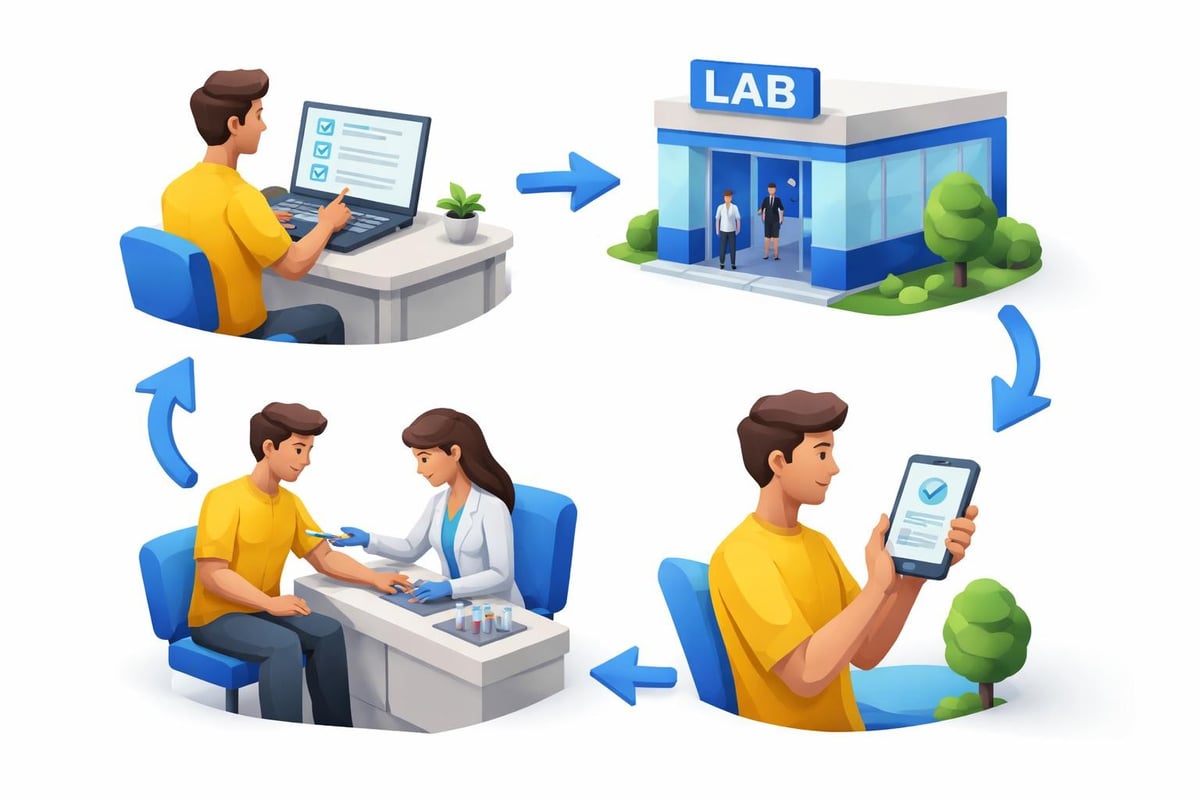
Step-by-Step Process
- Select your tests: Browse available options and choose tests matching your health concerns or monitoring needs
- Complete the order: Provide basic information and payment (credit card, HSA/FSA card, or other payment methods)
- Receive lab requisition: Get a digital requisition form authorizing the laboratory to perform your tests
- Visit the collection site: Go to a participating lab location at your convenience (no appointment usually needed)
- Sample collection: Trained phlebotomists collect blood, urine, or other samples as required
- Await results: Most tests return results within 1-3 business days via secure online portal
- Review findings: Access your results digitally with reference ranges and explanatory information
Understanding how it works before ordering helps set appropriate expectations and ensures a smooth experience.
Working With Physicians
While you can order your own lab tests, involving a healthcare provider in result interpretation remains valuable. Laboratory results require context including your medical history, symptoms, medications, and other factors.
The Association for Diagnostics & Laboratory Medicine supports consumer access while emphasizing the importance of professional interpretation. Consider sharing results with your regular doctor or consulting with a healthcare provider if findings raise concerns.
Some people question whether physicians can order tests for themselves, highlighting the complexity of self-diagnosis even among medical professionals. This reinforces why consumers should view self-ordered testing as a tool for empowerment rather than replacement for professional medical care.
Benefits and Limitations
Direct access testing offers significant advantages while also presenting certain challenges that informed consumers should understand.
Key Advantages
Empowerment and autonomy: Taking initiative in health monitoring without bureaucratic barriers gives people greater control over their wellness journey.
Financial clarity: Knowing exact costs before ordering eliminates the anxiety of surprise medical bills and allows budget-conscious health decisions.
Accessibility: People without regular doctors, those between insurance coverage, or individuals seeking second opinions gain valuable testing access.
Speed: Receiving results in 1-3 days without waiting for doctor appointments accelerates health decision-making and peace of mind.
Recommended Panel
Complete Thyroid Panel
Save $3Our most comprehensive thyroid panel includes all 5 essential markers: TSH, Free T4, Free T3, Reverse T3, and both thyroid antibodies. Get the complete picture of your thyroid health.
Includes 6 biomarkers
$84
Important Considerations
Interpretation challenges: Laboratory values require context. Abnormal results don't always indicate disease, and normal results don't guarantee health.
Follow-up needs: Concerning findings may require additional testing, imaging, or specialist consultation that you'll need to arrange independently.
Screening limitations: Some conditions require clinical evaluation beyond laboratory testing. Tests supplement but don't replace physical examinations and medical history.
Potential over-testing: Without medical guidance, some consumers order unnecessary tests or test too frequently, creating anxiety over minor fluctuations.
| Aspect | Benefit | Limitation |
|---|---|---|
| Cost | Transparent, often lower | No insurance billing assistance |
| Convenience | Fast, no appointments needed | Must arrange follow-up care independently |
| Autonomy | Full control over health data | Responsibility for proper interpretation |
| Access | Available without physician | May be restricted in some states |
Quality and Safety Considerations
When you can order your own lab tests, ensuring quality becomes your responsibility. Reputable services use CLIA-certified laboratories meeting federal quality standards.
Choosing Reliable Providers
Look for these quality indicators when selecting a direct access testing service:
- CLIA certification: All testing must occur in certified facilities
- Transparent processes: Clear information about which laboratories perform testing
- Secure results delivery: HIPAA-compliant portals protecting your health information
- Professional partnerships: Relationships with established laboratory networks
- Educational resources: Guidance on understanding lab results and next steps
The question of "are DIY blood tests a good idea" depends largely on choosing quality providers and approaching results responsibly.
Medicare and Insurance Considerations
Medicare has specific requirements for laboratory test ordering that generally require treating physicians to initiate orders. This means Medicare beneficiaries typically cannot use direct access services for Medicare-covered testing.
However, Medicare recipients can still order tests on a self-pay basis if they choose. The same applies to people with traditional insurance who prefer transparent pricing over navigating coverage complexities.
Finding Testing Locations
Once you've ordered tests, you'll need to visit a collection facility. Most direct access services partner with national laboratory networks offering thousands of convenient locations.
Location Selection Factors
Consider these elements when finding a lab near you:
- Proximity: Choose locations near your home or work for convenience
- Hours: Look for facilities with evening or weekend availability if needed
- Wait times: Some locations accept walk-ins while others require appointments
- Services offered: Confirm the location can perform your specific tests
Major laboratory networks operate collection sites in most metropolitan areas and many smaller communities, making access convenient for most Americans.
Cost Expectations
Pricing for self-ordered laboratory tests varies significantly based on test complexity and provider. Understanding typical costs helps you budget appropriately.
Sample Price Ranges
Basic tests like single markers (vitamin D, TSA, etc.) typically cost $25-$75 per test when ordered directly.
Comprehensive panels combining multiple related tests generally range from $75-$250 depending on scope.
Specialized testing for hormones, detailed metabolic analysis, or advanced markers may cost $150-$400 or more.
These prices represent typical self-pay rates and often compare favorably to insurance copays plus deductibles for the same tests. The key advantage lies in knowing the exact cost before ordering rather than discovering it weeks later on a bill.
Key takeaways
- Most states allow consumers to order their own laboratory tests directly, though regulations vary and some jurisdictions require physician involvement for all testing
- Direct access testing provides cost transparency, convenience, and faster results compared to traditional healthcare channels, with most results available within 1-3 days
- Quality depends on using CLIA-certified laboratories that meet federal standards regardless of who orders the tests
- While you can order tests independently, professional medical interpretation of results remains important for proper context and follow-up care decisions
- Financial benefits include transparent pricing, no insurance billing delays, and often lower costs than insurance-negotiated rates, with many tests qualifying for HSA/FSA reimbursement
See also: Looking for nearby options? Read Lab Test Without Doctor Order Near Me. For Quest specifically, see Quest Self Order Labs.
Frequently Asked Questions
Can I order any lab test I want without a doctor?
In most states, you can order a wide variety of common laboratory tests without physician involvement. However, certain specialized tests (particularly those involving controlled substances or specific genetic testing) may still require physician orders even in permissive states. State regulations determine exactly which tests are available for direct consumer ordering.
How much do self-ordered lab tests typically cost?
Self-ordered laboratory tests generally range from $25 for simple single markers to $400+ for comprehensive specialized panels. Most common tests fall in the $50-$150 range. The advantage of self-pay testing is transparent pricing displayed before you order, eliminating surprise bills common with insurance-based testing.
Will my insurance cover tests I order myself?
Insurance typically does not cover self-ordered laboratory tests since they weren't ordered by your treating physician as part of your medical care. However, many self-pay tests cost less than insurance copays and deductibles. Additionally, you can often use HSA or FSA funds for reimbursement, providing tax advantages.
Are self-ordered lab tests as accurate as doctor-ordered ones?
Yes, when performed by CLIA-certified laboratories. The testing process, equipment, and quality standards remain identical regardless of who initiates the order. The laboratory doesn't know or care whether a physician or consumer ordered the test. Accuracy depends on laboratory certification and procedures, not the ordering source.
What should I do if my test results are abnormal?
Consult with a healthcare provider to interpret abnormal findings in context. Laboratory values outside reference ranges don't always indicate disease and require professional evaluation. Share your results with your regular doctor or seek consultation with an appropriate specialist depending on the findings. Never attempt to self-diagnose or self-treat based solely on laboratory values.
Do I need an appointment to get my blood drawn?
Most laboratory collection sites accept walk-in visits, though some locations offer or require appointments. When you receive your lab requisition after ordering, it will include information about participating collection sites and whether appointments are needed. Walk-in convenience varies by location and time of day.
How long does it take to get results from self-ordered tests?
Most routine laboratory tests return results within 1-3 business days through secure online portals. Some specialized tests may take longer depending on complexity. Direct access testing often delivers results faster than traditional healthcare channels since there's no delay waiting for your doctor's office to review and forward them to you.
Can I order lab tests for someone else like my child or parent?
Ordering tests for minor children is generally permitted as their legal guardian. For adults, even family members, you cannot order tests on their behalf without proper legal authority. The individual receiving testing must consent and provide identification at the collection site. Some services allow you to purchase tests as gifts that recipients can use themselves.
Taking control of your health monitoring through direct access testing empowers you to make informed decisions without unnecessary delays or costs. Understanding state regulations, choosing quality providers, and knowing when to involve healthcare professionals creates the best outcome. Justlabs makes this process simple by offering transparent pricing, fast results in 1-3 days, and convenient access to hundreds of tests without requiring insurance or doctor visits. Whether you're monitoring a chronic condition, investigating specific concerns, or simply taking a proactive approach to wellness, direct access laboratory testing puts the power in your hands.