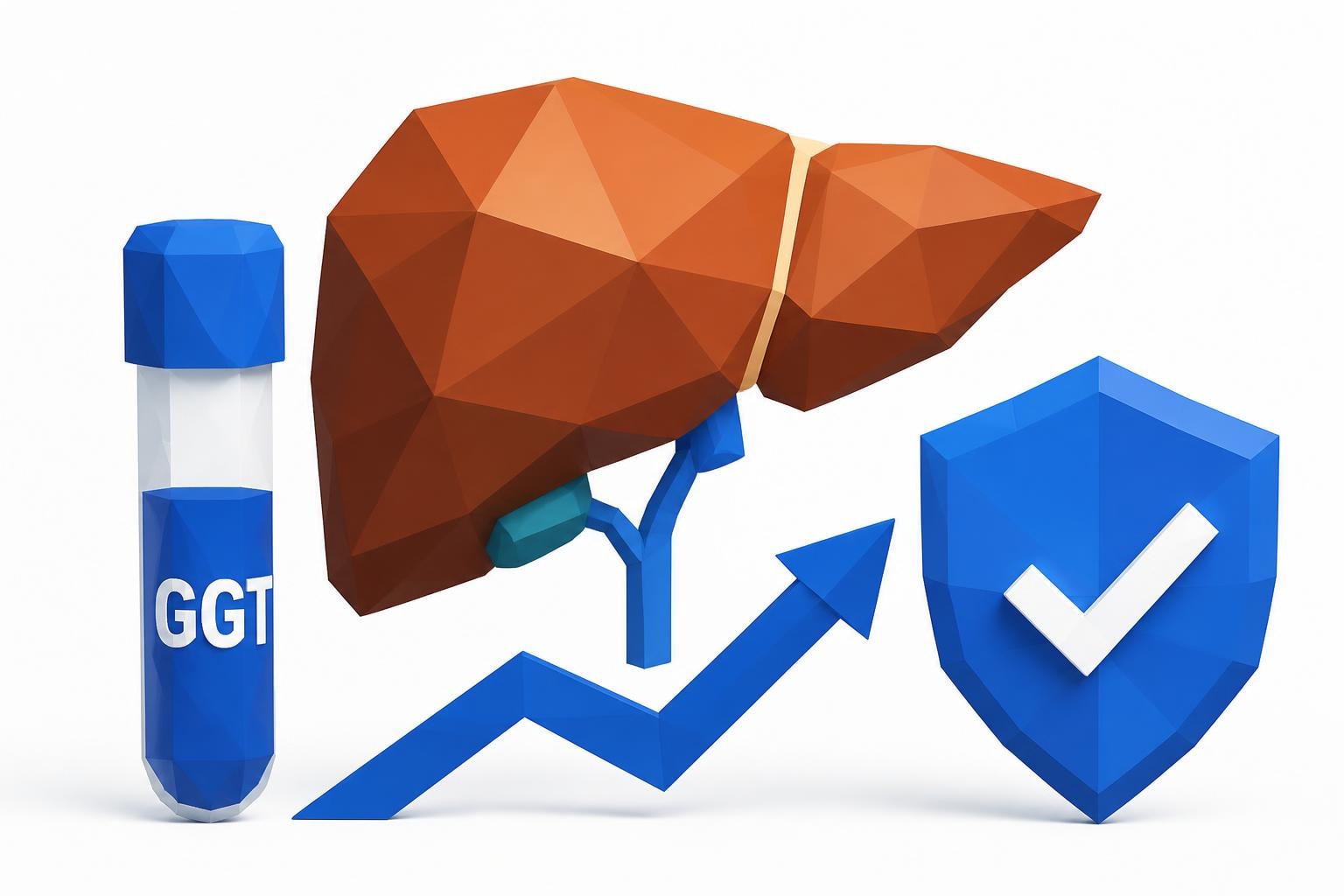
When it comes to assessing liver health, not all enzymes provide the same level of insight. Gamma-glutamyl transferase stands out among other hepatic biomarkers for its exceptional sensitivity to liver and bile duct changes. Understanding why ggt the most sensitive liver enzyme matters can help you make informed decisions about your health monitoring and testing strategy.
Big picture
- GGT is a liver enzyme found in cell membranes throughout the body, with highest concentrations in the liver, kidneys, and pancreas, where it helps break down glutathione and transport amino acids across cell membranes
- It's the earliest warning sign for liver dysfunction because ggt the most sensitive liver enzyme responds to hepatobiliary damage before other common markers like ALT or AST show abnormalities
- Multiple factors influence GGT levels including alcohol consumption, medications, obesity, diabetes, and bile duct obstruction, making interpretation context-dependent
- Elevated GGT isn't always liver disease but consistently high levels warrant further investigation through additional liver function tests and imaging studies
- Regular monitoring helps track trends especially for people with risk factors like heavy alcohol use, metabolic syndrome, or family history of liver disease
- Take action by getting baseline testing to establish your normal GGT range and identify potential issues before symptoms develop
Understanding Gamma-Glutamyl Transferase Function
Gamma-glutamyl transferase plays a crucial biochemical role in cellular metabolism. This enzyme facilitates the transfer of gamma-glutamyl groups from peptides to other amino acids, supporting the synthesis and breakdown of glutathione, one of the body's primary antioxidants.
The enzyme is present in many tissues throughout the body, but its concentration varies significantly. Liver cells contain particularly high amounts of GGT, especially in the cells lining the bile ducts. This distribution pattern makes GGT testing particularly valuable for detecting hepatobiliary disorders.
Why Sensitivity Matters in Liver Testing
When physicians evaluate liver function, they typically measure several enzymes simultaneously. Each enzyme provides different information about liver health and damage patterns. The fact that ggt the most sensitive liver enzyme means it often rises earlier and to greater degrees than other markers when hepatic stress occurs.
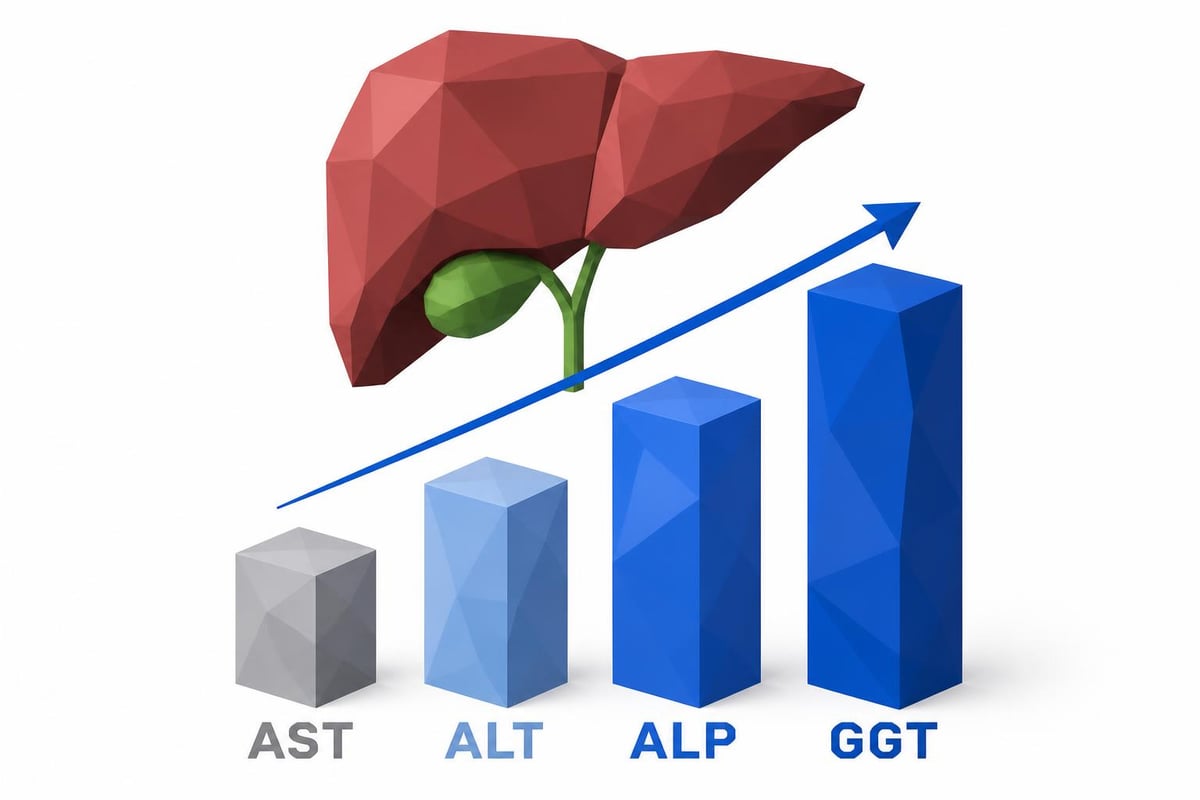
This heightened sensitivity stems from GGT's location within liver cells. The enzyme concentrates along the canalicular membranes where bile flows, making it particularly responsive to bile duct obstruction, cholestasis, and hepatocellular injury. Even minor disruptions in bile flow trigger GGT release into the bloodstream.
Clinical Scenarios Where GGT Excels
Several specific situations demonstrate why ggt the most sensitive liver enzyme designation holds clinical significance.
Alcohol-Related Liver Damage
GGT levels respond dramatically to alcohol consumption. Even moderate drinking can elevate GGT, and chronic alcohol use typically produces substantial increases. The GGT test serves as a screening tool for alcohol-related liver disease because levels correlate with both quantity and frequency of alcohol intake.
Key patterns in alcohol-related GGT elevation:
- Levels rise within days of increased alcohol consumption
- GGT typically increases 2-3 times more than ALT or AST in alcoholic liver disease
- Abstinence leads to gradual GGT normalization over 2-5 weeks
- Persistent elevation despite abstinence suggests ongoing liver damage
Medication-Induced Hepatic Changes
Many medications induce liver enzymes as the organ adapts to metabolize these compounds. GGT often rises in response to enzyme-inducing drugs even when no actual liver damage occurs. This makes it essential to review all medications when interpreting elevated GGT results.
Common medications affecting GGT include anticonvulsants, certain antibiotics, statins, and some antidepressants. Understanding these medication effects helps distinguish between benign enzyme induction and true hepatotoxicity.
Cholestatic Liver Disorders
Because ggt the most sensitive liver enzyme for detecting bile flow problems, it excels at identifying cholestatic conditions. Cholestasis occurs when bile cannot flow properly from the liver to the small intestine, whether from obstruction, inflammation, or cellular dysfunction.
| Condition | GGT Response | Other Markers |
|---|---|---|
| Bile duct obstruction | Markedly elevated (5-10x normal) | ALP elevated, bilirubin may rise |
| Primary biliary cholangitis | Progressive elevation | ALP elevated, anti-mitochondrial antibodies positive |
| Drug-induced cholestasis | Rapid elevation | Variable ALP increase |
| Intrahepatic cholestasis | Moderate to high elevation | ALT/AST may be normal or mildly elevated |
Normal Ranges and Result Interpretation
Understanding reference ranges helps contextualize your GGT results. However, normal GGT values vary between laboratories and testing methods, so always compare your results to the specific reference range provided.
Standard Reference Ranges
Men: 10-71 units per liter (U/L) Women: 6-42 U/L
Women typically have lower GGT levels than men, and values increase gradually with age in both genders. These differences reflect hormonal influences and varying rates of liver enzyme production.
Degrees of Elevation
Interpreting GGT results requires understanding the magnitude of elevation:
- Mildly elevated (1-2x upper limit): Often seen with medications, obesity, diabetes, or minimal alcohol use
- Moderately elevated (2-5x upper limit): Suggests hepatocellular injury, chronic alcohol use, or early cholestasis
- Markedly elevated (>5x upper limit): Indicates significant cholestasis, bile duct obstruction, or severe liver disease
The pattern of elevation matters as much as the absolute number. A steadily rising GGT over several months carries different implications than an isolated elevated value.
Combining GGT With Other Liver Tests
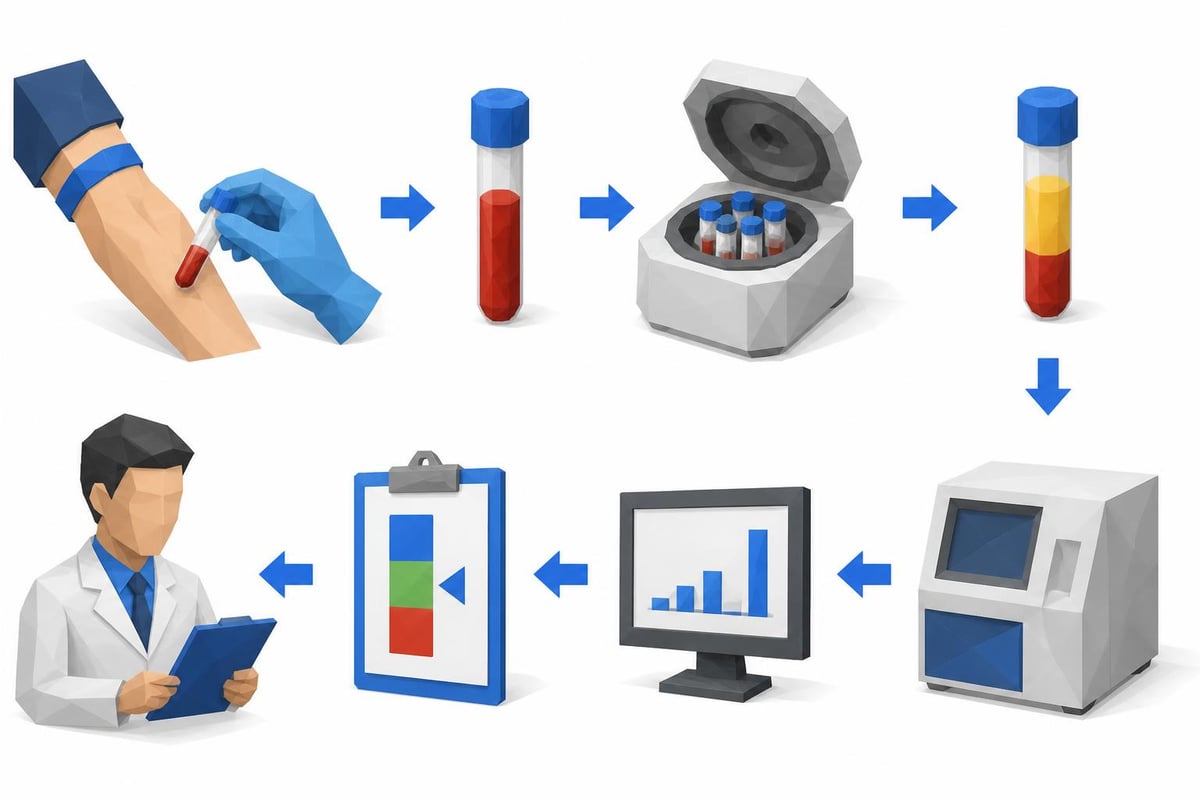
While ggt the most sensitive liver enzyme designation highlights its value, GGT testing rarely occurs in isolation. Comprehensive liver assessment requires multiple biomarkers to paint a complete picture of hepatic health.
The Standard Liver Panel
Most liver function testing includes:
- ALT (Alanine Aminotransferase): Primarily indicates hepatocellular injury
- AST (Aspartate Aminotransferase): Reflects liver and muscle damage
- Alkaline Phosphatase (ALP): Elevated in cholestasis and bone disorders
- Bilirubin: Measures bile pigment accumulation
- GGT: Confirms hepatic origin of elevated ALP and detects early dysfunction
The complete metabolic panel available through Justlabs includes these markers and provides comprehensive liver health assessment.
Interpreting Combined Results
| GGT | ALP | ALT/AST | Likely Interpretation |
|---|---|---|---|
| High | High | Normal/Mild | Cholestatic disorder |
| High | Normal | High | Hepatocellular injury with alcohol or medication involvement |
| High | Normal | Normal | Isolated GGT elevation: investigate alcohol, medications, metabolic factors |
| Normal | High | Normal | Non-hepatic source of ALP (bone, intestine) |
This combined approach prevents misinterpretation and guides appropriate follow-up testing. When ALP elevates, checking GGT helps determine whether the source is hepatic or skeletal.
Factors Beyond Liver Disease
Because ggt the most sensitive liver enzyme responds to numerous physiological and pathological states, elevated levels don't automatically indicate liver disease. Several non-hepatic factors influence GGT concentrations.
Metabolic Conditions
Obesity and metabolic syndrome frequently elevate GGT even without overt liver disease. The enzyme serves as a marker of oxidative stress and inflammation associated with insulin resistance. People with type 2 diabetes often show elevated GGT as part of their metabolic disturbance.
Research suggests GGT predicts cardiovascular disease risk independent of traditional risk factors. The enzyme's relationship to oxidative stress and inflammation links it to atherosclerosis development and progression.
Lifestyle Factors
Beyond alcohol consumption, several lifestyle elements affect GGT levels:
- Obesity: Adipose tissue inflammation drives GGT elevation
- Physical inactivity: Sedentary lifestyle correlates with higher GGT
- Smoking: Tobacco use increases oxidative stress and GGT levels
- Diet: High saturated fat intake may raise GGT concentrations
Conversely, weight loss, regular exercise, and smoking cessation typically lower GGT levels over time. These interventions benefit overall health while improving this sensitive biomarker.
When to Test GGT Levels
Knowing when GGT testing makes sense helps you take proactive steps toward liver health monitoring.
Screening Situations
Consider GGT testing if you have:
- Regular alcohol consumption exceeding moderate levels
- Family history of liver disease
- Unexplained fatigue or abdominal discomfort
- Metabolic syndrome components (obesity, diabetes, high blood pressure)
- Long-term use of medications that affect the liver
- Previous abnormal liver test results requiring follow-up
The convenient process at Justlabs makes it easy to order liver function testing without requiring a doctor's visit first.
Monitoring Known Conditions
People with diagnosed liver conditions benefit from regular GGT monitoring to track disease progression or treatment response. Testing intervals depend on the specific condition and treatment plan, but quarterly to semi-annual testing often provides adequate trending data.
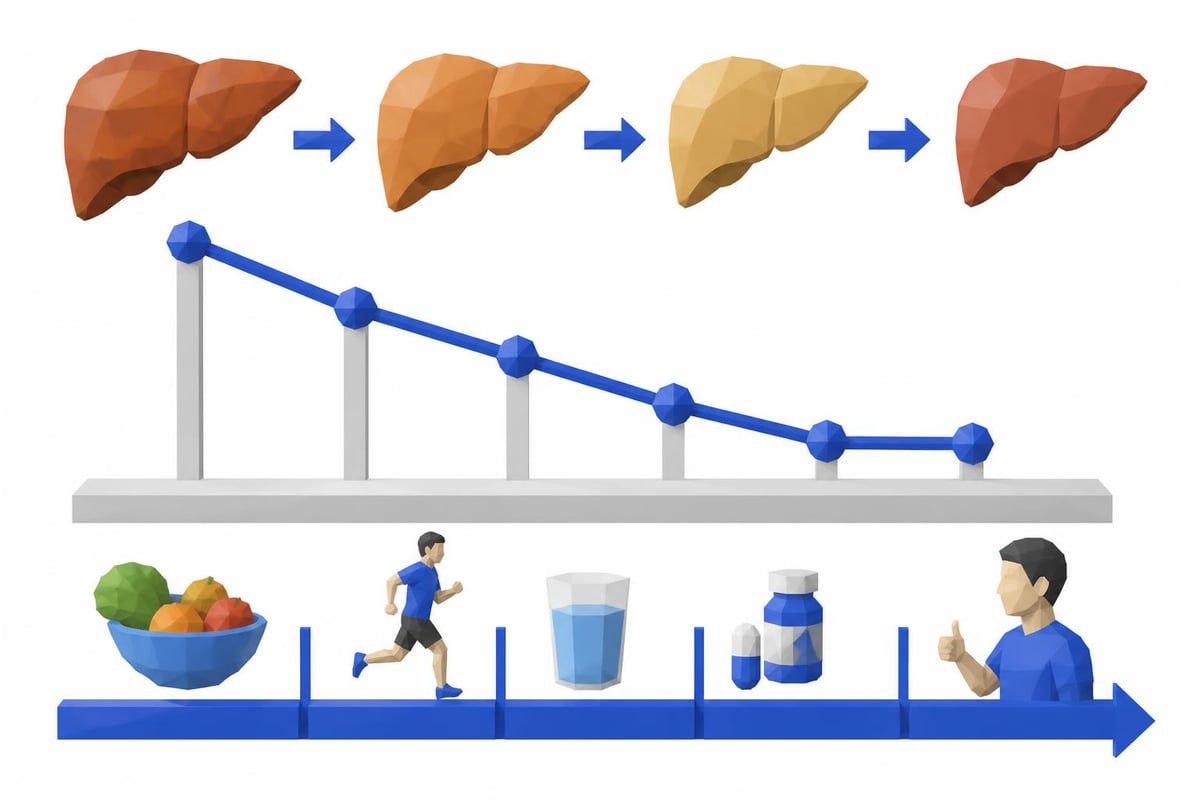
Lowering Elevated GGT Levels
When testing reveals elevated GGT, specific strategies can help normalize levels and improve underlying liver health.
Immediate Actions
Stop or reduce alcohol consumption. This represents the single most impactful intervention for many people with elevated GGT. Even moderate drinking cessation typically produces measurable GGT reduction within weeks.
Review medications with your healthcare provider. Certain drugs elevate GGT through enzyme induction rather than liver damage. Your provider may adjust medications or confirm that elevation doesn't indicate harm.
Investigate underlying conditions. Treating diabetes, losing weight if obese, and managing metabolic syndrome components often lower GGT alongside improving overall health.
Long-Term Strategies
- Maintain healthy body weight through balanced nutrition and regular physical activity
- Follow a liver-friendly diet emphasizing whole foods, vegetables, and lean proteins while limiting processed foods and saturated fats
- Exercise regularly with aim for 150 minutes of moderate activity weekly
- Manage chronic conditions like diabetes and hypertension through appropriate treatment and lifestyle modification
- Avoid hepatotoxic substances including excessive alcohol, unnecessary supplements, and environmental toxins
Improvement takes time. GGT levels typically decline gradually over several months as liver health improves and oxidative stress decreases.
Key Takeaways
Understanding why ggt the most sensitive liver enzyme matters empowers you to make informed health decisions. This biomarker excels at detecting early hepatobiliary changes, responds dramatically to alcohol consumption, and reflects metabolic health beyond simple liver function. While elevated GGT doesn't always indicate serious disease, it warrants investigation and provides valuable trending data for monitoring liver health over time. Combining GGT with other liver enzymes creates a comprehensive assessment that guides appropriate interventions and treatment strategies.
FAQ
What does it mean if only my GGT is elevated?
Isolated GGT elevation with normal other liver enzymes typically suggests enzyme induction from medications, alcohol use, or metabolic factors rather than acute liver damage. However, it still warrants investigation of potential causes and lifestyle factors. Consider reviewing all medications with your healthcare provider, honestly assessing alcohol consumption, and evaluating metabolic risk factors like obesity or diabetes. Understanding GGT results helps determine appropriate next steps.
How quickly does GGT respond to alcohol cessation?
GGT levels typically begin declining within a few days of stopping alcohol consumption, with half-life of approximately 2-3 weeks. Most people see substantial reduction within 4-6 weeks of complete abstinence. However, the rate of decline depends on baseline elevation severity and presence of underlying liver damage. Persistently elevated GGT despite abstinence suggests other contributing factors or established liver disease requiring further evaluation.
Can GGT be too low?
Extremely low GGT levels are uncommon and rarely clinically significant. Unlike high levels, low GGT doesn't typically indicate health problems. Some research suggests very low GGT might associate with reduced oxidative stress, which could reflect excellent metabolic health. Focus concern on elevated rather than suppressed GGT values.
Should I test GGT alone or with other liver enzymes?
Testing GGT alongside other liver function markers provides more complete information than checking it alone. A comprehensive metabolic panel or liver function panel helps distinguish between different types of liver problems, confirms hepatic origin of abnormalities, and establishes baseline values for multiple markers. This approach enables better interpretation and more informed decision-making about necessary follow-up.
How often should I retest if my GGT is elevated?
Retesting frequency depends on elevation severity and suspected cause. For mildly elevated GGT from modifiable factors like alcohol or medications, retest in 6-8 weeks after implementing changes. Moderate to marked elevations may require testing in 2-4 weeks, especially if cause remains unclear. Once levels stabilize or normalize, annual monitoring often suffices unless new risk factors develop. Your healthcare provider can recommend appropriate intervals based on your specific situation.
Does fasting affect GGT test results?
Unlike glucose or triglycerides, GGT levels remain relatively stable regardless of fasting status. Most laboratories don't require fasting before GGT testing. However, if GGT is ordered as part of a comprehensive metabolic panel including tests that do require fasting, you may need to fast 8-12 hours before blood collection. Check specific testing requirements when ordering your labs.
Regular monitoring of liver health through sensitive biomarkers like GGT helps detect problems early when interventions prove most effective. Whether you're tracking known risk factors or establishing baseline values for future reference, accessible testing makes proactive health management possible. Justlabs provides convenient access to comprehensive liver function testing at transparent prices, delivering results in 1-3 days without requiring insurance or doctor visits beforehand, so you can take control of your hepatic health monitoring on your own terms.