Understanding your health starts with knowledge, and in 2026, being informed about common blood tests is more important than ever. These tests offer valuable insights into your body's function and can empower you to make confident decisions about your well-being.
This article will guide you through the eight most common blood tests, explaining what each measures, why they are ordered, and what results may suggest. You will also learn what to expect during testing, how to prepare, and how self-pay lab options can make these essential checks more accessible. Take charge of your health with knowledge and clarity.
Why Blood Tests Matter in Routine Care
Blood tests are one of the most valuable tools in modern healthcare. They act as a window into your body's internal systems, helping to identify potential issues early. By monitoring health through common blood tests, providers can spot changes before symptoms arise. Routine blood work is often ordered for screening, diagnosing, or monitoring health conditions.
For example, common blood tests like the complete blood count (CBC) or comprehensive metabolic panel (CMP) can reveal early signs of diabetes, thyroid disorders, anemia, or cholesterol problems. These tests are crucial for tracking chronic conditions and making informed treatment decisions. The trend toward routine blood testing for preventative care continues to grow, empowering individuals to manage their health proactively.

The Role of Blood Tests in Health Monitoring
Common blood tests provide a snapshot of your overall health. Doctors use them to screen for diseases, make diagnoses, and monitor ongoing conditions. For those with chronic illnesses, regular blood work is essential to guide treatment plans and adjust medications safely.
Some of the most common blood tests include CBC, CMP, lipid panels, and others that can detect changes in blood sugar, organ function, and nutrient levels. These routine checks help catch issues early, often before symptoms develop. Increasingly, people are choosing to get common blood tests even when they feel healthy, as part of a proactive approach to wellness.
What Blood Tests Can Reveal
Blood tests measure a wide range of elements, from cells to proteins, chemicals, hormones, and nutrients. Abnormal results in common blood tests do not always mean there is a disease, but they can signal that something may need further attention.
For example, results might suggest changes in organ function, the presence of infection or inflammation, or possible vitamin and mineral deficiencies. Interpreting results involves comparing them to reference ranges and considering individual health context. Common blood tests offer valuable clues that guide further evaluation and care.
Frequency and Timing of Blood Tests
The frequency for repeating common blood tests depends on several factors, such as age, risk level, and overall health. Annual blood work is typical for healthy adults, while some tests, like A1C for diabetes, are done every three to six months.
Doctors may recommend more frequent testing if you are on certain medications or have ongoing conditions. For example, a lipid panel might be checked yearly, while thyroid function tests could be scheduled semi-annually. Working with your provider ensures that your common blood tests are timed to best support your health goals.
Preparing for Blood Work: What Patients Should Know
Proper preparation is key for accurate results from common blood tests. Some tests, like glucose or lipid panels, require fasting for 8 to 12 hours. Staying hydrated and following instructions about medications can also impact results.
During a blood draw, expect a quick and simple process. Results are often available within a few days. Many people now use self-pay options like JustLabs' self-pay lab testing services to access common blood tests with transparent pricing, making routine care more accessible and convenient for everyone.
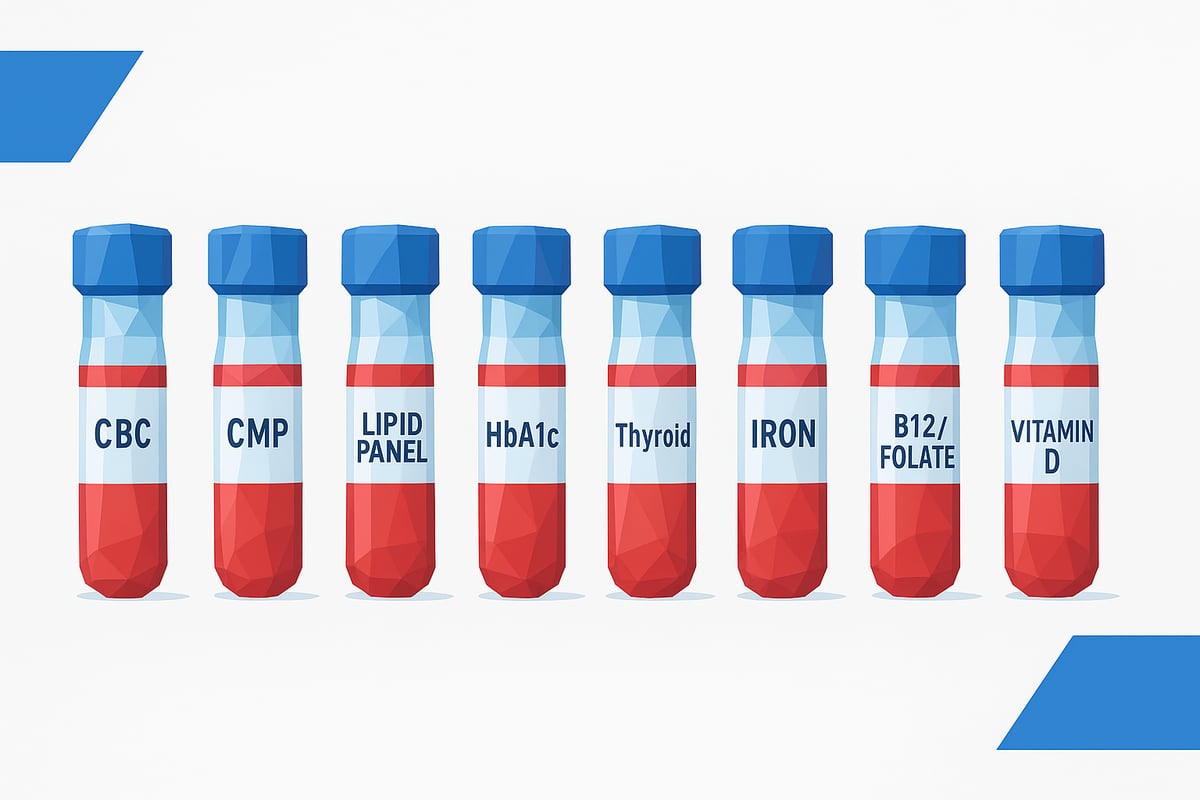
8 Common Blood Tests You Should Know About in 2026
Understanding which common blood tests are used in routine care can empower you to take charge of your health. Below, we break down the eight most common blood tests, what they measure, why they are ordered, and what results may suggest. This guide will help you feel prepared for your next checkup or lab appointment.
1. Complete Blood Count (CBC)
A Complete Blood Count (CBC) is one of the most common blood tests ordered during a routine exam. It measures several key components, including:
- Red blood cells (carry oxygen)
- White blood cells (fight infection)
- Hemoglobin (oxygen-carrying protein)
- Hematocrit (proportion of red blood cells)
- Platelets (help blood clot)
Doctors order a CBC to screen for anemia, infections, inflammation, or bleeding disorders. If your CBC shows abnormal values, it could suggest issues like anemia, infection, or a potential immune problem. However, a single abnormal result rarely leads to a diagnosis on its own. For a deeper look at what specific CBC abnormalities might mean, see Full blood count abnormalities.
CBCs are often part of annual checkups, pre-surgery screening, or when you have symptoms like fatigue or unexplained bruising. Most CBCs do not require special preparation. Results are usually available within a day or two, and your provider will interpret them based on your overall health.
Reference ranges can differ by gender and lab, but here's a general example:
| Component | Adult Male | Adult Female |
|---|---|---|
| Hemoglobin | 13.5–17.5 g/dL | 12.0–15.5 g/dL |
| Hematocrit | 41–53% | 36–46% |
| WBC count | 4,500–11,000/µL | 4,500–11,000/µL |
Complete Blood Count with Differential
14 biomarkers
CBC results help guide further testing if needed. This is why CBC remains a staple among common blood tests.
2. Comprehensive Metabolic Panel (CMP)
The Comprehensive Metabolic Panel (CMP) is another of the common blood tests, providing a broad overview of your body's chemical balance and organ function. The CMP includes measurements such as:
- Glucose (blood sugar)
- Electrolytes (sodium, potassium, chloride)
- Kidney function (BUN, creatinine)
- Liver function (ALT, AST, ALP, bilirubin)
- Proteins (albumin, total protein)
Doctors order a CMP to check for diabetes, monitor kidney or liver health, and keep an eye on the effects of certain medications. Abnormal results may suggest dehydration, metabolic issues, or problems with specific organs. CMPs are typically included in annual physicals or when you have symptoms like unexplained fatigue, swelling, or changes in urine.
Some CMPs require fasting for 8 to 12 hours, especially when checking glucose or lipid levels. Always follow your provider's instructions for the most accurate results.
If your CMP reveals an abnormal value, it may prompt further testing or changes in your treatment plan. This makes CMP a cornerstone of routine common blood tests.
Recommended Test
Comprehensive Metabolic Panel
The CMP is a widely used screening test that provides important information about your metabolism, including blood sugar, electrolyte balance, kidney function, and liver health.
Includes 16 biomarkers
$9.50
Fasting required
3. Lipid Panel
A lipid panel is a set of common blood tests used to evaluate your cholesterol and fat levels, which are important markers for heart health. This panel measures:
- Total cholesterol
- LDL cholesterol ("bad" cholesterol)
- HDL cholesterol ("good" cholesterol)
- Triglycerides
Doctors order lipid panels to assess cardiovascular risk, monitor cholesterol-lowering therapy, or check for inherited lipid disorders. High LDL or triglycerides, or low HDL, may suggest a higher risk of heart disease or stroke. Lipid panels are often recommended for adults over 20, especially if you have risk factors like high blood pressure or family history of heart conditions.
Traditionally, fasting was required before a lipid panel, but in 2026, many labs accept non-fasting samples unless otherwise specified. Always confirm with your provider.
Recommended Test
Lipid Panel (Standard)
The standard lipid panel measures your cholesterol and triglyceride levels - essential markers for assessing your risk of heart disease and stroke.
Includes 6 biomarkers
$8
Fasting required
Advanced Heart Health Panel
10 biomarkers
Results from a lipid panel can guide recommendations on diet, exercise, or medication. Routine monitoring helps you and your doctor track trends over time and adjust your care plan as needed.
4. Hemoglobin A1C (HbA1c)
Hemoglobin A1C (HbA1c) is a vital part of common blood tests for anyone concerned about blood sugar control. HbA1c reflects your average blood sugar over the past two to three months.
Doctors use this test to screen for diabetes, diagnose prediabetes, and monitor how well diabetes is managed. An elevated HbA1c may suggest that blood sugar has been consistently higher than recommended, while a lower value usually means better control.
This test is usually recommended annually for adults, or every three to six months if you have diabetes or are making changes to your treatment. No fasting is needed, and the process is straightforward—just a simple blood draw.
Your provider will use HbA1c results, along with other common blood tests, to make decisions about medications or lifestyle changes. Routine A1C monitoring helps you stay on top of your health and prevent complications.
Recommended Test
Hemoglobin A1c (HbA1c)
The HbA1c test shows your average blood sugar over the past 2-3 months - like a "blood sugar GPA" that reveals your overall glucose control.
Includes 2 biomarkers
$7
Comprehensive Diabetes Panel
10 biomarkers
5. Thyroid Function Tests (TSH, Free T4, Free T3)
Thyroid function tests are common blood tests that assess the health of your thyroid gland, which regulates metabolism, energy, and mood. These tests typically include:
- Thyroid stimulating hormone (TSH)
- Free thyroxine (Free T4)
- Free triiodothyronine (Free T3)
Doctors order these tests to check for underactive (hypothyroidism) or overactive (hyperthyroidism) thyroid. Abnormal results may suggest an imbalance, which can cause symptoms like fatigue, weight changes, hair loss, or mood swings.
Thyroid tests are often ordered when you have symptoms or as part of routine screening, especially in older adults or those with a family history of thyroid issues. Some medications and supplements, like biotin, can affect results, so tell your provider about anything you take.
Results from thyroid function tests guide further evaluation or treatment decisions. Monitoring thyroid levels regularly is key for people with a known thyroid condition. These tests remain a mainstay among common blood tests in 2026.
Complete Thyroid Panel
6 biomarkers
6. Iron Studies (Iron, Ferritin, TIBC)
Iron studies are a group of common blood tests that help evaluate your body's iron status and ability to transport and store iron. These tests include:
- Serum iron (amount of iron in blood)
- Ferritin (iron storage protein)
- Total iron-binding capacity (TIBC, measures blood's ability to carry iron)
Doctors order iron studies to investigate unexplained fatigue, anemia, or possible iron overload. Abnormal results may point to iron deficiency anemia, chronic illness, or excess iron in the body.
Iron studies are commonly ordered when you have unexplained tiredness, pale skin, or if you are at higher risk due to heavy periods or certain diets. Sometimes, fasting is required, but your provider will give specific instructions.
Recommended Test
Iron and Total Iron Binding Capacity
This test measures your circulating iron, your body's iron-carrying capacity (TIBC), and iron saturation percentage - giving you a complete picture of how your body handles iron.
Includes 3 biomarkers
$9
Fasting required
Ferritin
1 biomarkers
To learn more about TIBC and how these tests work together, you can read Iron binding capacity explained.
Interpreting iron studies together helps differentiate between different causes of anemia. These tests are a vital part of the panel of common blood tests used in routine evaluations.
7. Vitamin B12 and Folate
Vitamin B12 and folate are essential nutrients for healthy red blood cells and nerve function. These common blood tests measure the levels of each vitamin to check for deficiencies.
Doctors order these tests if you have unexplained anemia, nerve symptoms (like tingling), or if you belong to a group at higher risk for deficiencies, such as older adults, vegans, or people with digestive disorders. Abnormal results may suggest issues with diet, absorption, or effects from certain medications.
If you are taking supplements or specific medicines, let your provider know, as these can impact results. No fasting is usually required.
Based on your results, your provider may recommend dietary changes or supplements. Regular testing can help prevent complications from long-term deficiencies, making these tests an important part of common blood tests.
Recommended Test
Vitamin B12
Vitamin B12 is essential for nerve function, DNA synthesis, red blood cell formation, and energy production. Deficiency is common and often undiagnosed.
Includes 1 biomarkers
$8
Folate, Serum
1 biomarkers
8. Vitamin D
Vitamin D is crucial for bone health, immune function, and overall wellness. This test measures the level of 25-hydroxyvitamin D in your blood.
Doctors order vitamin D tests if you have bone pain, are at risk for osteoporosis, or have limited sun exposure. Abnormal results may suggest a deficiency, problems with absorption, or excessive supplementation.
Testing is common for older adults, people with darker skin, or those who live in northern climates. Fasting is not required, but time of year can affect results due to sunlight exposure.
Recommended Test
Vitamin D, 25-Hydroxy
Vitamin D deficiency affects over 40% of Americans. This test measures your vitamin D status, essential for bone health, immune function, mood, and much more.
Includes 2 biomarkers
$25
If your vitamin D is low, your provider may recommend supplements or lifestyle changes. This test is increasingly included in panels of common blood tests for proactive health management.
Do I Need to Fast? A Quick Reference
Not sure which tests require fasting? Here's a quick reference guide:
| Blood Test | Fasting Required? |
|---|---|
| CBC | No |
| CMP | Yes (8-12 hours) |
| Lipid Panel | Usually (check with provider) |
| Hemoglobin A1C | No |
| Thyroid Tests | No |
| Iron Studies | Sometimes |
| B12 & Folate | No |
| Vitamin D | No |
When in doubt, follow your provider's specific instructions or fast for 8-12 hours to ensure accurate results.
Get Started with Comprehensive Testing
Looking for a convenient way to check multiple markers at once? Consider one of these wellness panels that combine several common blood tests:
Recommended Panel
Basic Wellness Panel
Save $2.50Our most affordable comprehensive screening includes the 4 tests doctors order most: CBC, Comprehensive Metabolic Panel, Lipid Panel, and TSH. Covers 30+ biomarkers in one blood draw.
Includes 37 biomarkers
$30
Fasting required
Comprehensive Wellness Panel
44 biomarkers
Related tests on JustLabs: thyroid panel | TSH test
How to Access Common Blood Tests in 2026
Accessing common blood tests in 2026 is simpler and more convenient than ever. With new options for ordering tests directly, more people can monitor their health without barriers. Understanding how to access these tests empowers you to take a proactive approach to wellness.
The Rise of Self-Pay Lab Testing Options
A growing number of people now choose self-pay services for common blood tests. These services allow anyone to order tests online without needing insurance or a doctor's referral. This shift is driven by demand for transparent pricing, fast results, and easy access to labs nationwide.
Self-pay lab options are especially helpful for those with high-deductible insurance, the uninsured, or anyone seeking privacy. Safety is maintained through clinician review and certified labs. If you're wondering about getting a blood test without insurance, you'll find that self-pay options have made common blood tests more accessible and affordable than ever.
JustLabs: Affordable Direct-to-Consumer Blood Testing
JustLabs is dedicated to making common blood tests easy and affordable for all. Their platform offers a wide range of individual tests and bundled panels, including CBC, CMP, lipid, and thyroid checks. Prices are clearly listed, with tests starting at just five dollars and panels providing extra savings.
No insurance or doctor's visit is required, and results arrive in as little as one to three days. With over two thousand lab locations nationwide, secure online results, and FSA/HSA eligibility, JustLabs is ideal for anyone who values convenience, privacy, and control over their health.
Now that you understand the value of routine blood tests and how they empower you to take charge of your health, it's easier than ever to get started. With JustLabs, you can skip the wait for doctor appointments and insurance approvals, and instead access a wide range of essential tests at transparent prices. Whether you're monitoring a chronic condition, seeking peace of mind, or simply being proactive, you deserve fast and reliable results. Curious about which blood tests are right for you in 2026? Take the next step toward better health and Browse Tests online today.