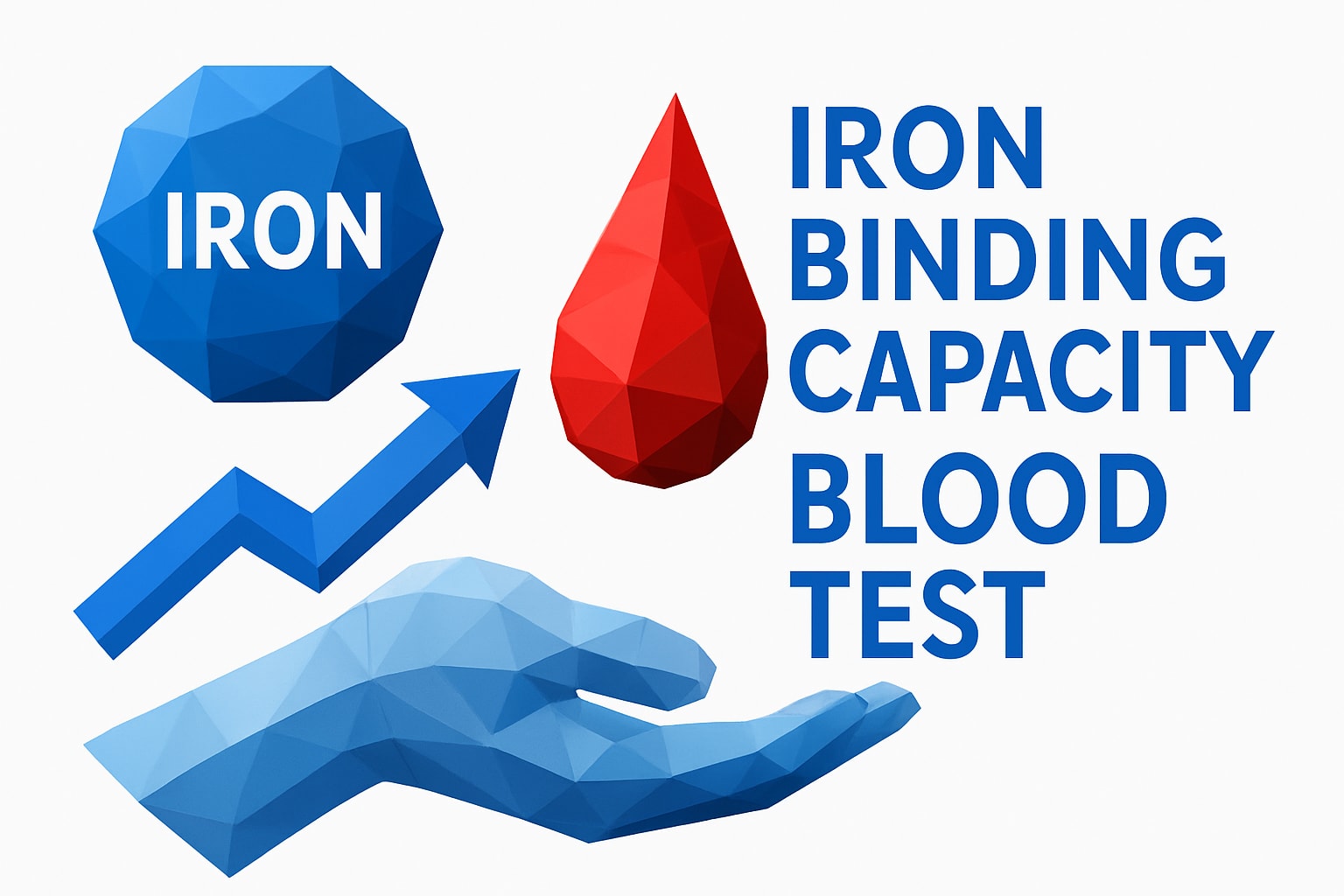
Iron is essential for energy, focus, and carrying oxygen throughout your body. A simple blood test can reveal if your iron levels are supporting your health or if something might be off. This guide explains the iron binding capacity blood test, a key tool for understanding how your blood manages iron.
You will learn what this test measures, why doctors order it, and how to make sense of your results. We will also share tips for preparing, what to do if your results are abnormal, and answer common questions.
Understanding your iron binding capacity blood test can help you take charge of your well being and make informed decisions about your health.
Iron and Total Iron Binding Capacity
This test measures your circulating iron, your body's iron-carrying capacity (TIBC), and iron saturation percentage - giving you a complete picture of how your body handles iron.
Includes 3 biomarkers
$9
Fasting required
What is the TIBC Blood Test?
Understanding your body’s iron status starts with the iron binding capacity blood test. Iron is vital for transporting oxygen, producing energy, and supporting overall health. Most iron in the blood travels attached to a protein called transferrin. This protein’s main job is to carry iron safely throughout your body, delivering it to where it is needed most.
Iron levels must be finely balanced. Too little can lead to tiredness and weakness, while too much can harm your organs. The body regulates iron by adjusting how much is absorbed from food, how it is stored, and how it is used. Transferrin plays a key role in this process, making it an important marker for doctors to assess.
Total Iron Binding Capacity (TIBC) Explained
The total iron binding capacity blood test measures how much iron your blood can carry. Specifically, it checks the maximum amount of iron that transferrin can bind. A higher TIBC means more transferrin is available to transport iron, while a lower TIBC suggests less capacity.
TIBC is measured in micrograms per deciliter (mcg/dL). This test helps health professionals determine if your body has enough iron or if there are problems with iron transport. For more details about this test and what your results mean, you can visit the Iron Total and TIBC Test Details page.
What is UIBC and How Does it Relate?
Besides TIBC, you might see the term UIBC, which stands for Unsaturated Iron Binding Capacity. UIBC measures the portion of transferrin that has not yet bound to iron. In other words, it shows how much room transferrin has left to carry more iron. In practice, TIBC is the sum of serum iron (the iron already bound) and UIBC (the iron that could still be bound).
This relationship can be shown as:
TIBC = serum iron + UIBC
What is Included in an Iron Panel?
An iron binding capacity blood test is usually part of a broader iron panel, which may include:
- TIBC
- Serum iron
- Ferritin
- Transferrin saturation (calculated from serum iron and TIBC)
- Sometimes UIBC
These markers help provide a complete picture of your iron status.
Iron and Total Iron Binding Capacity
3 biomarkers
Clinical Reference Ranges
Reference ranges for the iron binding capacity blood test can vary, but typical values are:
| Test | Typical Range |
|---|---|
| TIBC | 250–450 mcg/dL |
Results outside this range can be a sign of health issues. High TIBC may indicate iron deficiency, while low TIBC can be linked to chronic diseases or iron overload.
Interpreting TIBC with Other Markers
It is important to remember that TIBC is only one part of the story. Doctors interpret the iron binding capacity blood test together with serum iron, ferritin, and transferrin saturation. Looking at these results together helps pinpoint whether you have iron deficiency, inflammation, or iron overload. A single abnormal result does not provide a diagnosis on its own.
Why is the TIBC Test Ordered?
Understanding why a healthcare provider orders an iron binding capacity blood test can help patients feel more informed and proactive about their health. The test plays a vital role in diagnosing and monitoring several conditions related to iron status in the body. To learn more about the test's purpose and how it is performed, you can visit the MedlinePlus: Total Iron Binding Capacity Test.
The iron binding capacity blood test is most commonly used to detect iron deficiency and anemia. Iron deficiency is one of the most widespread nutritional issues worldwide. When iron levels are low, the body increases its production of transferrin, the main protein that binds and transports iron. This leads to a higher TIBC value, signaling the body's attempt to capture and use more available iron.
In addition to iron deficiency, the iron binding capacity blood test helps distinguish between different types of anemia. For example, anemia caused by chronic disease or inflammation often results in a normal or low TIBC. In these cases, the body does not increase transferrin production, which helps doctors identify whether anemia is due to a lack of iron or another underlying issue.
The iron binding capacity blood test is also important for assessing iron overload conditions. Disorders such as hereditary hemochromatosis or chronic liver disease can cause iron to accumulate in the body. When this happens, the blood's capacity to bind new iron drops, resulting in a low TIBC. Monitoring TIBC is a key step in screening for and managing these conditions.
Doctors frequently use the iron binding capacity blood test to monitor treatment effectiveness and track disease progression. If someone is taking iron supplements or receiving treatment for a chronic condition, repeat TIBC testing can show if iron levels are improving or if further adjustments are needed.
The iron binding capacity blood test may also be ordered to help diagnose unexplained symptoms such as fatigue, cognitive changes, or other signs of anemia. By evaluating TIBC alongside other iron markers, healthcare providers can better pinpoint the cause of these symptoms.
Who might benefit from an iron binding capacity blood test? Common groups include:
- Menstruating women
- Vegetarians and vegans
- People with chronic illnesses
- Individuals with suspected blood loss
- Anyone experiencing symptoms of iron imbalance
In summary, the iron binding capacity blood test is a versatile tool used to detect iron deficiency, evaluate chronic conditions, assess iron overload, monitor treatment, and investigate unexplained symptoms. It provides critical insight into the body’s iron status and helps guide appropriate next steps in care.
How to Interpret Common Iron Panel Patterns
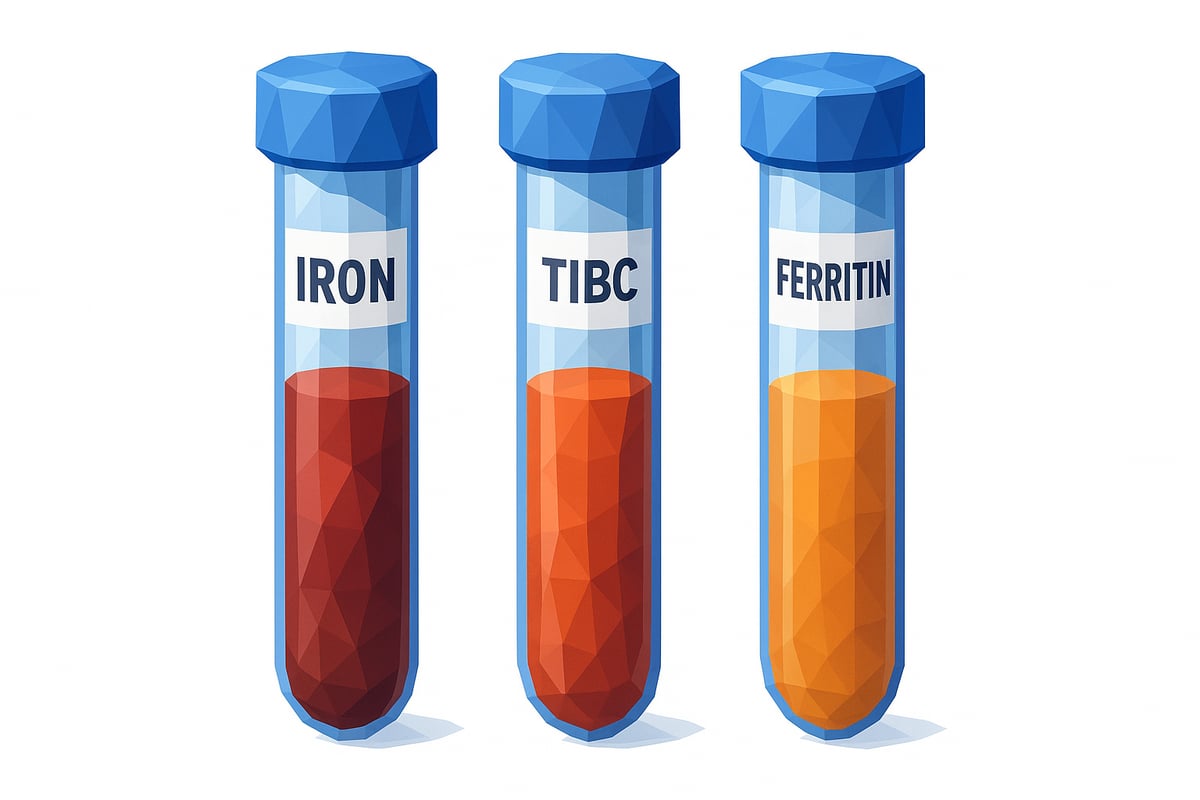
Understanding your iron binding capacity blood test results can reveal much about your body’s iron status. When interpreting these blood tests, it is important to look at patterns across several markers. Typically, results include total iron, TIBC, transferrin saturation, and ferritin. Each combination points toward a different underlying cause. Below, we explore the most common patterns and how to make sense of them.
The Iron Deficiency Pattern: Low Iron + High TIBC + Low Transferrin Saturation
The most classic pattern revealed by an iron binding capacity blood test is iron deficiency anemia. In this situation, serum iron levels are low because the body is not getting or absorbing enough iron. TIBC is high, reflecting increased transferrin production as the body tries to capture more iron from the bloodstream.
Transferrin saturation is also low, meaning only a small percentage of available binding sites are filled. This combination is seen most often in menstruating women, people with poor dietary intake, or those experiencing chronic blood loss. According to global trends, iron deficiency anemia remains the leading cause of anemia worldwide. Typical symptoms include fatigue, pale skin, and weakness.
| Pattern | Serum Iron | TIBC | Transferrin Saturation | Ferritin |
|---|---|---|---|---|
| Iron Deficiency | Low | High | Low | Low |
| Chronic Disease | Low | Low/Normal | Low | Normal/High |
| Iron Overload | High | Low | High | High |
The Chronic Disease Pattern: Low Iron + Low or Normal TIBC
A different scenario appears when the iron binding capacity blood test shows low serum iron but TIBC is low or within the normal range. This pattern often signals anemia of chronic disease, also known as anemia of inflammation. In these cases, the body’s response to ongoing inflammation causes hepcidin, a regulatory protein, to block iron absorption and trap iron in storage.
As a result, ferritin is usually normal or high, since iron is present but not accessible for making new red blood cells. This pattern is common in individuals with chronic infections, autoimmune disorders, or certain cancers. Symptoms might include persistent fatigue, joint pain, or signs related to the underlying illness.
The Iron Overload Pattern: High Iron + Low TIBC
Some patients have an iron binding capacity blood test showing high serum iron and low TIBC. This pattern is typical of iron overload conditions, such as hereditary hemochromatosis or repeated blood transfusions. In these situations, transferrin becomes saturated with iron, so the body reduces the amount of transferrin it produces, resulting in a low TIBC.
Ferritin is usually elevated as well, indicating excess iron storage. Symptoms of iron overload can include joint pain, abdominal discomfort, and sometimes changes in skin color. Early detection is important to prevent organ damage.
The Role of Transferrin Saturation and Ferritin
Transferrin saturation is calculated by dividing serum iron by TIBC and multiplying by 100. It shows what percentage of transferrin is carrying iron. Low transferrin saturation with a high TIBC suggests iron deficiency, while high transferrin saturation with a low TIBC points toward iron overload.
Ferritin, on the other hand, reflects the body’s iron stores. Low ferritin confirms iron deficiency, while high ferritin may indicate iron overload or inflammation. For more on ferritin’s role in diagnosis, see the Ferritin Blood Test Information page.
Importance of Interpreting Results Together
No single result from the iron binding capacity blood test should be used in isolation. Each marker—serum iron, TIBC, transferrin saturation, and ferritin—contributes a piece of the puzzle. For example, a high TIBC alone might suggest iron deficiency, but if ferritin is normal, another cause might be responsible.
Always review your results with a healthcare provider who can consider your symptoms, medical history, and any recent changes in health. This approach helps ensure accurate diagnosis and effective treatment.
Preparation and Timing for the TIBC Blood Test
Preparing for your iron binding capacity blood test ensures you get the most accurate and helpful results. Taking the right steps before your appointment can make a significant difference in how your provider interprets your iron status.
How to Prepare for the Test
Most labs advise fasting for 8 to 12 hours before your iron binding capacity blood test. Water is usually allowed, but double-check with your provider. Fasting helps ensure that food or supplements do not temporarily change your iron levels.
Some medications and supplements can affect your results. These include iron pills, multivitamins, oral contraceptives, and certain antibiotics. Always tell your healthcare provider about everything you are taking. They may recommend pausing specific items before the test.
If you are interested in direct-access testing, learn more about the process in the How Direct Lab Testing Works guide.
Timing and Best Practices
Iron levels change throughout the day, so scheduling your iron binding capacity blood test in the morning is ideal. This timing helps your results stay consistent, especially if you need repeat tests for monitoring.
If you are tracking changes over time, try to have each test at the same time of day and under similar conditions. This approach minimizes natural fluctuations and gives your provider clearer trends to follow.
What to Expect During the Blood Draw
Expect a quick, standard blood draw from a vein in your arm. The procedure is safe and usually takes just a few minutes. You may feel a small pinch, but discomfort is minimal and short-lived.
Let the staff know if you have a history of fainting or anxiety during blood draws. Most labs have measures in place to help you feel comfortable and secure.
Factors Affecting Results
Recent illnesses, infections, or blood transfusions can influence your iron binding capacity blood test results. Report any recent health changes to your provider, as these can temporarily alter iron markers.
If you have had surgery, injury, or have been taking new medications, mention these factors as well. Accurate reporting helps your provider interpret the results correctly.
When to Repeat the Test
Your provider may recommend repeating the iron binding capacity blood test during treatment or monitoring. Typical intervals range from several weeks to a few months, depending on your diagnosis and therapy plan.
If you start new supplements or medications, or if your symptoms change, your provider may adjust the timing of follow-up tests. Consistent testing ensures your treatment is tailored to your current needs.
What to Do After Abnormal TIBC Results
Abnormal results from your iron binding capacity blood test can be concerning, but they are an important starting point for understanding your health. Knowing what high or low TIBC means, and what steps to take next, helps you work with your provider for the best care. Here is how to approach abnormal results and move forward with confidence.
Understanding Your Results
The iron binding capacity blood test measures how much iron your blood can transport, mainly via a protein called transferrin. High or low TIBC values are only meaningful when viewed alongside serum iron, ferritin, and transferrin saturation. For example, a high TIBC often suggests iron deficiency, while a low TIBC may point to chronic disease or iron overload. For a detailed explanation of how TIBC is interpreted, you can review the TIBC Test Overview by Mayo Clinic.
If your TIBC is outside the normal range, do not jump to conclusions. Discuss your full iron panel with your healthcare provider, as isolated TIBC results rarely tell the whole story.
Next Steps for High TIBC (Possible Iron Deficiency)
A high result on your iron binding capacity blood test usually indicates your body is trying to capture more iron, often due to iron deficiency. Consider these next steps:
- Increase iron-rich foods such as lean red meat, beans, lentils, and leafy greens.
- Talk to your provider about iron supplements, which should be taken under supervision.
- Investigate possible sources of blood loss, especially if you have heavy periods or unexplained fatigue.
- Monitor vitamin C intake, which can help with iron absorption.
Never start high-dose supplements without medical advice, as excess iron can be harmful.
Next Steps for Low TIBC (Possible Chronic Disease or Iron Overload)
A low value on your iron binding capacity blood test may be seen in chronic inflammatory conditions, liver disease, or iron overload syndromes like hemochromatosis. Here are steps you might take:
- Discuss your symptoms and medical history with your doctor to identify underlying conditions.
- Your provider may order further tests such as ferritin, liver function tests, or genetic testing for hemochromatosis.
- Lifestyle changes, such as managing chronic disease or reducing iron intake, may be recommended.
- Regular monitoring is important to track changes and guide treatment.
These steps help ensure any underlying health issues are addressed promptly.
When to Seek Medical Advice
Some symptoms related to abnormal iron binding capacity blood test results require urgent attention. Seek medical care if you experience:
- Severe fatigue or weakness
- Chest pain or shortness of breath
- Black or tarry stools
- Unexplained weight loss
Prompt evaluation can help prevent complications and ensure you receive the right treatment for your situation.
How to Monitor Progress
After an abnormal iron binding capacity blood test, your provider will likely recommend follow-up testing. The frequency depends on your diagnosis and treatment plan. Typical intervals are every few months during active treatment or monitoring. Keep a record of your results and symptoms to share with your healthcare team. Regular check-ins help adjust your therapy as needed and support long-term health.
Order Your Iron Panel Online with JustLabs
Iron and Total Iron Binding Capacity
3 biomarkers
If you need to monitor your iron binding capacity blood test without insurance or a doctor’s visit, JustLabs offers a convenient solution. Order your test online, visit a local Quest Diagnostics lab, and get results in a few days. This approach is affordable and transparent, making it easier to take charge of your health. For more information on how to access lab tests without insurance, see the Labs Without Insurance Guide.
Frequently Asked Questions (FAQ)
What does TIBC measure and why is it important?
The iron binding capacity blood test measures how much iron can be carried by transferrin in your blood. This test helps evaluate if your body has enough available iron or if there are signs of deficiency or overload. Monitoring iron status is key, as highlighted by Iron Deficiency: Global Trends and Projections, with millions affected worldwide.
Can I take the TIBC test if I am on iron supplements?
You should tell your healthcare provider if you are taking iron supplements before having an iron binding capacity blood test. Often, you will be asked to pause supplements for a few days to avoid skewing the results. This allows for an accurate assessment of your natural iron levels.
How is TIBC different from ferritin?
TIBC measures the total capacity of your blood to transport iron, while ferritin reflects the amount of stored iron in your body. They provide different information, and both are usually included in an iron panel for a complete picture.
| Test | What It Reflects |
|---|---|
| TIBC | Iron transport capacity |
| Ferritin | Iron storage levels |
How quickly do iron levels change after treatment?
After starting iron therapy or making dietary changes, iron levels and TIBC can begin to shift within weeks. Ferritin and transferrin saturation may also adjust over time, depending on your response to treatment and underlying health.
Now that you understand what the Iron Binding Capacity blood test reveals about your health and how interpreting these results can guide you toward better well being, taking the next step is simple. If you want the convenience of monitoring your iron levels without the hassle of insurance or waiting for a doctor’s referral, JustLabs makes it easy. You can order the tests you need online, visit a local Quest Diagnostics lab, and receive clear results in just a few days. Empower yourself with knowledge and take control of your health journey—Order Tests.