You wake up exhausted despite sleeping eight hours. Coffee barely helps. By afternoon, you're dragging. Someone mentions "adrenal fatigue," and suddenly your symptoms seem to fit perfectly. But here's the problem: this widely discussed condition isn't recognized by mainstream medicine, and the lab tests marketed for it often create more confusion than clarity. Understanding what's really happening in your body requires separating fact from fiction, and knowing which tests actually matter.
Understanding the Adrenal Fatigue Concept
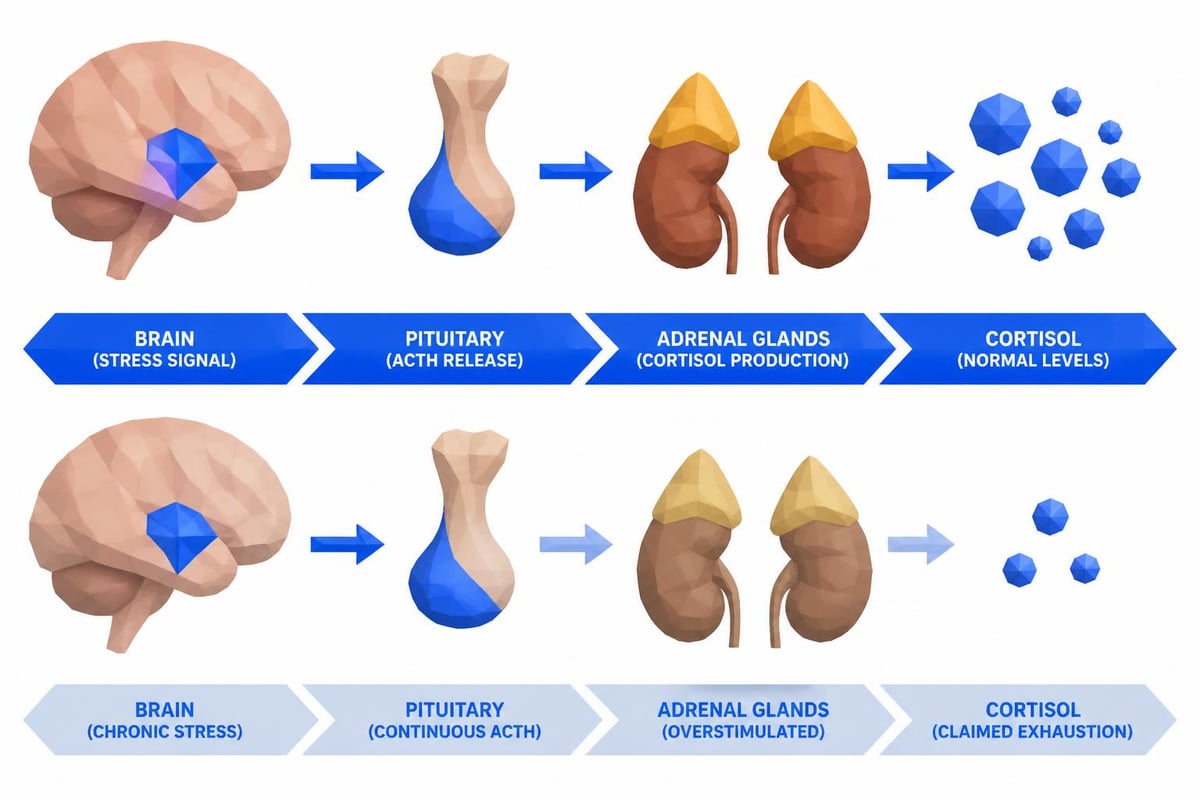
The term adrenal fatigue emerged in the 1990s, describing a collection of symptoms attributed to overtaxed adrenal glands. According to this theory, chronic stress causes your adrenal glands to become "exhausted," unable to produce adequate cortisol and other hormones your body needs.
Common symptoms associated with this condition include:
- Persistent tiredness, especially in the morning and afternoon
- Difficulty waking up even after sufficient sleep
- Salt and sugar cravings
- Increased reliance on caffeine or stimulants
- Difficulty handling stress
- Brain fog and concentration problems
- Unexplained weight changes
- Weakened immune function
The Endocrine Society provides an overview stating that no scientific proof supports adrenal fatigue as a true medical condition, highlighting concerns about misdiagnosis and inappropriate treatments. This position reflects the consensus among endocrinologists and medical researchers worldwide.
What Your Adrenal Glands Actually Do
Your adrenal glands sit atop your kidneys and produce several critical hormones including cortisol, aldosterone, and adrenaline. These small but mighty organs respond to stress signals from your brain through the hypothalamic-pituitary-adrenal (HPA) axis.
When functioning normally, your adrenal glands:
- Release cortisol in a daily rhythm, highest in the morning
- Respond to acute stress with appropriate hormone surges
- Help regulate blood pressure and metabolism
- Support immune system function
- Manage inflammation throughout your body
The critical point: Medical research has never demonstrated that the adrenal glands become "fatigued" or stop functioning from chronic stress in otherwise healthy individuals. Harvard Health Blog examines the concept, explaining that it is not a recognized medical condition and discusses the importance of identifying the true causes of fatigue.
What Lab Tests Actually Reveal
Many practitioners who diagnose adrenal fatigue rely on salivary cortisol testing throughout the day. These tests measure cortisol levels at four points: morning, noon, evening, and bedtime. The results supposedly reveal whether your cortisol production follows a healthy pattern.
| Test Type | What It Measures | Medical Recognition |
|---|---|---|
| Salivary Cortisol Panel | Cortisol levels at 4 time points | Not validated for adrenal fatigue diagnosis |
| Morning Serum Cortisol | Single blood cortisol measurement | Used for legitimate adrenal disorders |
| ACTH Stimulation Test | Adrenal response to hormone signal | Gold standard for adrenal insufficiency |
| 24-Hour Urine Cortisol | Total daily cortisol production | Diagnostic for Cushing's syndrome |
A systematic review published in BMC Endocrine Disorders concludes that there is no scientific basis for adrenal fatigue, analyzing multiple studies to support this finding. The research examined various testing methods and found no consistent patterns that distinguished people with supposed adrenal fatigue from healthy controls.
The Problem With Current Testing Approaches
Salivary cortisol testing for adrenal fatigue presents several issues:
Lack of standardization: No agreed-upon reference ranges exist for what constitutes "adrenal fatigue" on these tests. What one practitioner calls abnormal, another might consider normal variation.
Normal fluctuation: Cortisol levels naturally vary based on sleep quality, meal timing, stress levels, and numerous other factors. A single day's results may not represent your typical patterns.
Misinterpretation risk: Results showing low-normal or slightly reduced cortisol don't indicate adrenal gland failure. They might reflect temporary states or normal individual variation.
If you're experiencing chronic fatigue and want to order lab tests without a doctor, focus on tests that identify legitimate medical conditions rather than unvalidated panels.
Legitimate Adrenal Disorders That Do Exist
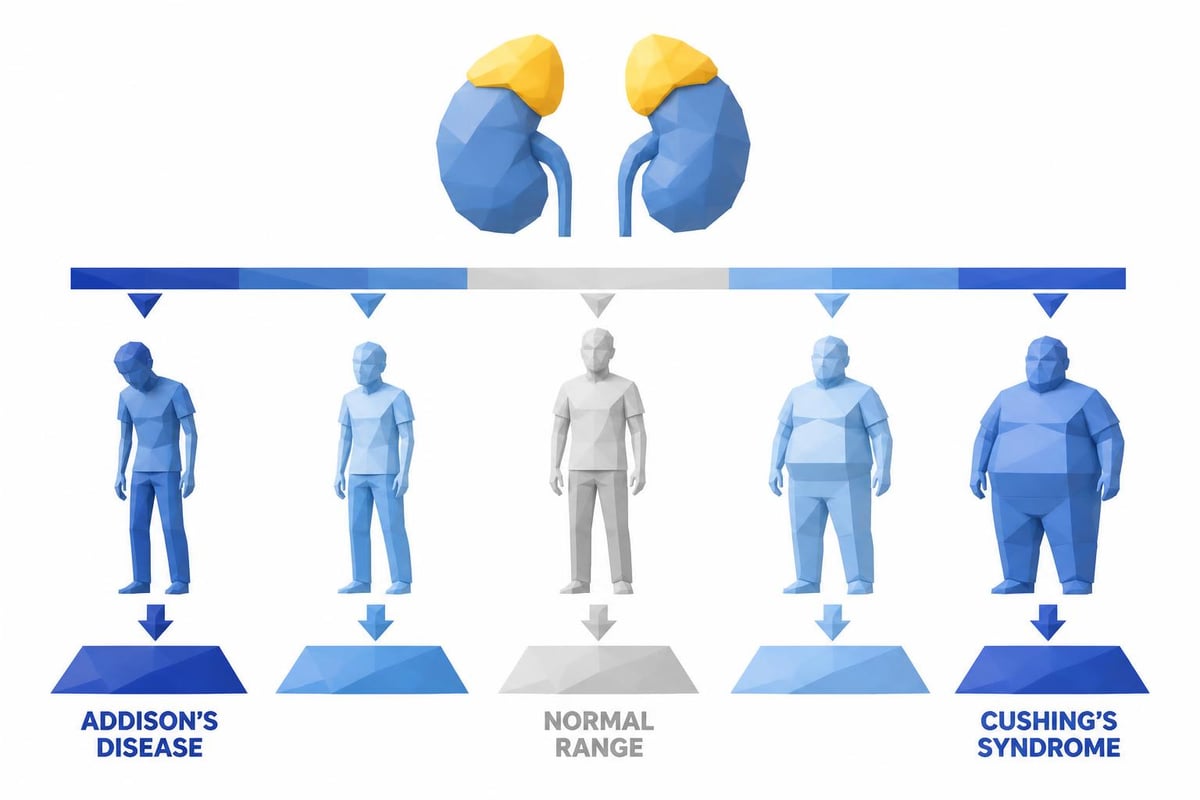
While adrenal fatigue lacks scientific support, real adrenal disorders absolutely exist. These conditions are serious, well-defined, and identifiable through proper testing.
Addison's Disease (Primary Adrenal Insufficiency)
This autoimmune condition destroys the adrenal cortex, genuinely preventing adequate hormone production. Symptoms include severe fatigue, weight loss, low blood pressure, and skin darkening. The ACTH stimulation test definitively diagnoses this condition, which requires lifelong hormone replacement therapy.
Secondary Adrenal Insufficiency
This occurs when the pituitary gland doesn't produce enough ACTH to signal the adrenal glands. Causes include long-term corticosteroid use, pituitary tumors, or traumatic brain injury. The Cleveland Clinic article addresses misconceptions surrounding adrenal fatigue, clarifying that while the symptoms are real, they are not due to adrenal gland exhaustion.
Cushing's Syndrome
The opposite problem: too much cortisol production. This can result from tumors, medications, or adrenal gland abnormalities. Distinctive features include central weight gain, easy bruising, and characteristic facial changes.
| Condition | Cortisol Level | Definitive Tests | Treatment |
|---|---|---|---|
| Addison's Disease | Severely low | ACTH stimulation test, morning cortisol | Hormone replacement |
| Secondary Insufficiency | Low | ACTH level, stimulation test | Hormone replacement |
| Cushing's Syndrome | Severely high | 24-hour urine, dexamethasone suppression | Surgery or medication |
| "Adrenal Fatigue" | Variable/normal | None validated | Not applicable |
These conditions are rare. Addison's disease affects only about 1 in 100,000 people annually. If you truly had adrenal insufficiency, you would be seriously ill, not just tired.
What's Really Causing Your Symptoms
If adrenal fatigue isn't real, what explains the very real symptoms people experience? The answer typically involves one or more identifiable medical conditions or lifestyle factors.
Common Medical Causes of Chronic Fatigue
Testing through accessible lab services can identify these legitimate issues:
- Thyroid disorders: Hypothyroidism produces fatigue, weight gain, and cold intolerance. A thyroid panel measuring TSH, free T4, and free T3 reveals dysfunction.
- Anemia: Low iron or vitamin B12 causes profound fatigue. Complete blood count and iron studies identify this condition.
- Diabetes or prediabetes: Blood sugar instability creates energy crashes. Hemoglobin A1C and fasting glucose testing diagnose these conditions.
- Sleep apnea: Disrupted breathing during sleep prevents restorative rest despite adequate sleep duration.
- Depression and anxiety: Mental health conditions commonly manifest as physical fatigue and exhaustion.
Lifestyle Factors That Mimic Adrenal Fatigue
Sometimes the explanation isn't disease but rather habits and circumstances:
- Chronic sleep deprivation: Consistently sleeping less than seven hours nightly accumulates a sleep debt that causes daytime exhaustion.
- Poor nutrition: Diets high in processed foods and sugar create energy instability and inflammation.
- Sedentary lifestyle: Lack of physical activity paradoxically increases fatigue rather than conserving energy.
- Unmanaged chronic stress: While stress doesn't "fatigue" your adrenals, it absolutely impacts energy, sleep quality, and overall health.
- Medication side effects: Numerous prescription and over-the-counter drugs list fatigue as a common side effect.
Medical News Today explores the myths surrounding adrenal fatigue, providing insights into the adrenal glands' function and discussing legitimate medical conditions that affect them.
The Right Approach to Persistent Fatigue
Rather than pursuing an unvalidated diagnosis, take a systematic approach to understanding your symptoms.
Step 1: Document Your Symptoms
Keep a detailed log for two weeks including:
- Energy levels at different times of day
- Sleep duration and quality
- Dietary patterns and meal timing
- Stress levels and major stressors
- Physical activity
- Any other symptoms (headaches, digestive issues, mood changes)
This information helps identify patterns and provides valuable context for healthcare providers.
Step 2: Get Appropriate Lab Testing
Focus on tests that identify real medical conditions. Essential screening includes:
Basic metabolic panel: Evaluates kidney function, electrolytes, and blood sugar. A comprehensive metabolic panel adds liver function tests.
Complete blood count: Identifies anemia and immune system issues.
Thyroid function tests: TSH alone or a comprehensive thyroid panel reveals hypo- or hyperthyroidism.
Vitamin and mineral levels: B12, vitamin D, iron, and ferritin testing identifies deficiencies.
Hemoglobin A1C: Assesses blood sugar control over the past three months.
These tests are available through transparent lab testing services without requiring insurance or extensive doctor visits.
Recommended Test
Cortisol, Total
Cortisol is your body's primary stress hormone, produced by the adrenal glands. This test measures total cortisol levels to assess adrenal function and stress response.
Includes 1 biomarkers
$15
Recommended Test
DHEA-Sulfate
DHEA-S is the most abundant hormone in your body and serves as a precursor to testosterone and estrogen. Levels naturally decline with age, making this test useful for assessing adrenal function and hormonal aging.
Includes 1 biomarkers
$14
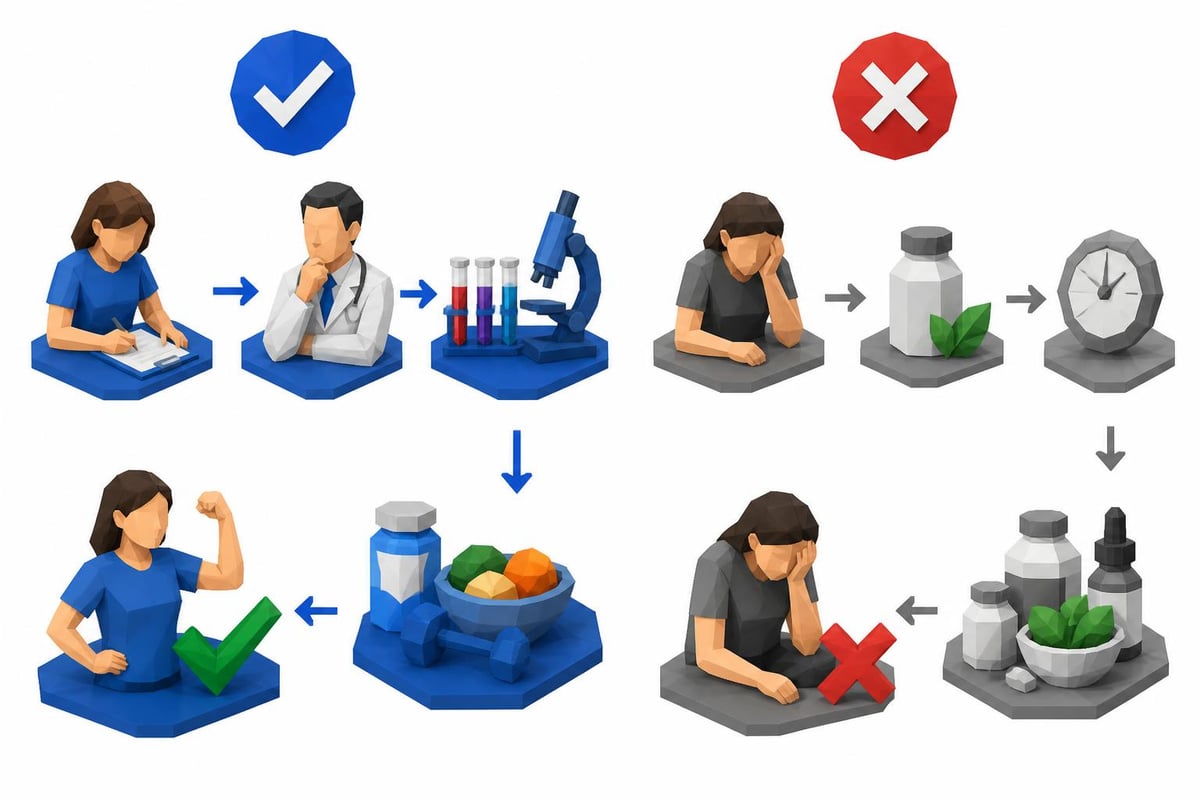
Step 3: Address Modifiable Factors
While awaiting test results, improve foundational health behaviors:
- Prioritize consistent sleep schedules with 7-9 hours nightly
- Reduce processed foods and emphasize whole foods
- Incorporate regular physical activity, even brief walks
- Practice stress management techniques
- Limit alcohol and caffeine, especially in the afternoon and evening
- Stay adequately hydrated throughout the day
Many people see significant improvement from lifestyle modifications alone.
Step 4: Seek Appropriate Medical Care
If lab tests reveal abnormalities, work with qualified healthcare providers for proper treatment. If tests are normal but symptoms persist, consider:
- Sleep medicine specialists for potential sleep disorders
- Mental health professionals for depression or anxiety
- Rheumatologists for chronic fatigue syndrome or fibromyalgia
- Functional medicine practitioners who use evidence-based approaches
Ohio State Health & Discovery discusses the concept of adrenal fatigue, emphasizing that it is not a medically recognized diagnosis and underscores the importance of seeking proper medical evaluation for symptoms like chronic fatigue.
Why the Distinction Matters
You might wonder: if the symptoms are real and some treatments help, does the label matter? Actually, yes-it matters significantly.
Risks of Misdiagnosis
Attributing symptoms to adrenal fatigue can delay proper diagnosis of serious conditions. Thyroid disorders, diabetes, autoimmune diseases, and even certain cancers can initially present as fatigue. Time spent treating a non-existent condition allows real diseases to progress untreated.
Financial and Health Costs
Many adrenal fatigue protocols recommend expensive supplements, specialized diets, and repeated testing. These interventions drain financial resources while providing no proven benefit. Some recommended supplements, particularly those containing adrenal extracts or hormones, can actually harm your health or interfere with your body's natural hormone production.
The Importance of Evidence-Based Care
Medical diagnosis and treatment should be based on scientific evidence. When we accept unvalidated conditions and treatments, we undermine the foundation of effective healthcare. Time article explores the debate over adrenal fatigue, highlighting expert opinions that dismiss it as an illegitimate diagnosis and emphasizing the importance of addressing chronic stress through lifestyle changes.
Taking Control of Your Health Journey
Chronic fatigue deserves serious attention and proper investigation. Your symptoms are real, even if adrenal fatigue isn't. The path forward involves evidence-based testing and treatment rather than pursuing unvalidated diagnoses.
Modern lab testing allows you to take an active role in your health without navigating insurance complexities or waiting weeks for appointments. When you understand your lab results, you're empowered to have informed conversations with healthcare providers and make better decisions about your wellbeing.
Remember that getting answers doesn't require accepting questionable diagnoses. Legitimate medical conditions that cause fatigue are identifiable through proper testing. Whether it's thyroid dysfunction, vitamin deficiencies, blood sugar problems, or other issues, accurate diagnosis leads to effective treatment.
The symptoms attributed to adrenal fatigue often improve dramatically when underlying issues are properly addressed. A person treating undiagnosed hypothyroidism sees more benefit from thyroid medication than from adrenal supplements. Someone with iron deficiency anemia responds to iron replacement, not adrenal support protocols.
Your health deserves accurate answers based on scientific evidence. While the concept of worn-out adrenal glands might seem to explain your exhaustion, the reality involves identifiable, treatable conditions that proper testing can reveal. Don't settle for unvalidated explanations when legitimate answers are available through appropriate medical evaluation.
Understanding the difference between adrenal fatigue claims and legitimate medical conditions empowers you to pursue effective solutions for chronic fatigue. When persistent tiredness impacts your quality of life, proper lab testing identifies real issues that respond to evidence-based treatment. Justlabs makes it simple to access comprehensive lab testing at transparent prices, with results delivered in 1-3 days so you can move forward with answers rather than uncertainty. Take the first step toward understanding what's really happening in your body with convenient, affordable testing that puts you in control of your health journey.