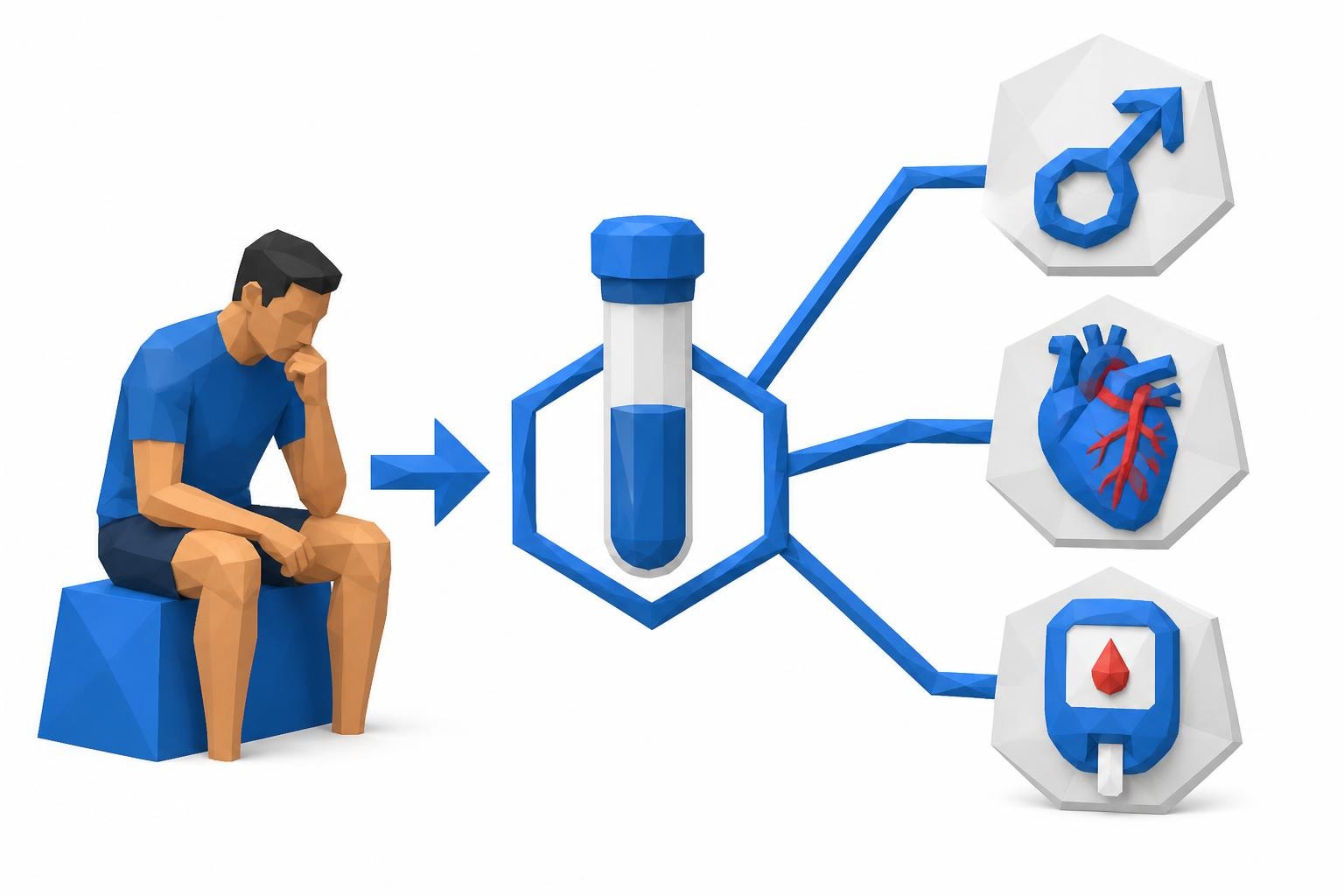
Erectile dysfunction affects millions of men across the United States, but many don't realize that comprehensive laboratory testing can identify the underlying causes and guide effective treatment strategies. Rather than accepting ED as an inevitable part of aging, a thorough erectile dysfunction lab workup provides valuable insights into hormonal imbalances, cardiovascular health, metabolic disorders, and other medical conditions that may contribute to sexual health concerns. Understanding which tests to request and what the results reveal empowers men to take proactive steps toward better health outcomes.
Big picture
- Erectile dysfunction is often a symptom of underlying health conditions like diabetes, cardiovascular disease, or hormonal imbalances rather than an isolated problem
- Laboratory testing identifies root causes by measuring testosterone levels, blood sugar, lipid profiles, thyroid function, and other critical biomarkers that affect sexual function
- Early detection through testing can reveal serious conditions like diabetes or heart disease before they cause additional complications beyond ED
- Most men benefit from baseline testing that includes testosterone, glucose, HbA1c, lipid panel, and thyroid markers as part of their initial evaluation
- Direct-access lab testing allows men to order tests without a doctor's visit, making the process more convenient and affordable
- Taking action starts with getting tested to establish your current health status and identify which factors may be contributing to erectile dysfunction
Understanding the Role of Laboratory Testing in ED Diagnosis
The diagnostic process for erectile dysfunction extends beyond physical examination and patient history. Laboratory testing serves as a critical component because ED frequently signals systemic health issues rather than existing as an isolated concern. Blood work reveals metabolic, hormonal, and cardiovascular markers that directly influence erectile function.
When men experience persistent difficulties achieving or maintaining erections, the underlying causes often involve multiple body systems. A comprehensive erectile dysfunction lab workup examines these interconnected factors systematically. This approach enables healthcare providers to distinguish between psychological causes, medication side effects, hormonal deficiencies, and chronic disease states.
Why Blood Tests Matter for Sexual Health
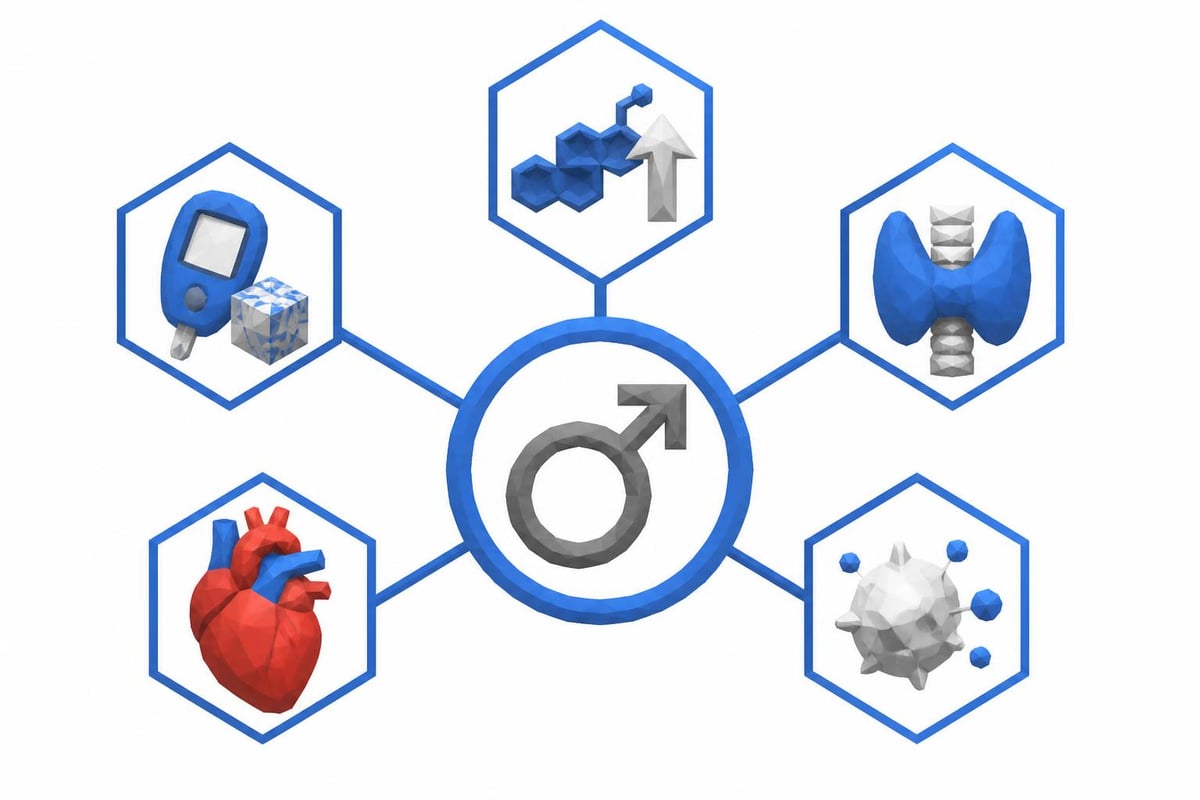
Sexual function depends on adequate blood flow, proper nerve signaling, balanced hormones, and overall metabolic health. Laboratory testing quantifies these factors objectively, removing guesswork from the diagnostic process. Blood glucose levels indicate diabetes risk, lipid panels assess cardiovascular health, and hormone measurements reveal endocrine dysfunction.
Research demonstrates that men presenting with erectile dysfunction show significantly higher rates of previously undiagnosed diabetes, hypertension, and dyslipidemia compared to the general population. This makes the erectile dysfunction lab workup valuable not only for addressing sexual health but also for detecting serious medical conditions early.
Essential Blood Tests in an ED Workup
Testosterone Levels
Total testosterone and free testosterone measurements form the cornerstone of hormone evaluation. Low testosterone affects approximately 40% of men over age 45 and directly impairs sexual desire, erectile quality, and overall vitality.
Key testosterone markers include:
- Total testosterone (normal range: 300-1000 ng/dL)
- Free testosterone (bioavailable fraction)
- Sex hormone-binding globulin (SHBG)
- Luteinizing hormone (LH) and follicle-stimulating hormone (FSH)
Morning blood draws provide the most accurate testosterone readings since levels naturally decline throughout the day. Men with borderline results should undergo repeat testing to confirm deficiency before considering treatment.
Recommended Test
Testosterone, Free & Total
This comprehensive testosterone panel measures both total testosterone and free testosterone—the biologically active form. Essential for evaluating hormone status in both men and women.
Includes 2 biomarkers
$34
Glucose and Diabetes Screening
Diabetes represents one of the strongest risk factors for erectile dysfunction, affecting 35-75% of diabetic men. Elevated blood sugar damages blood vessels and nerves essential for normal erectile function.
The erectile dysfunction lab workup should include:
| Test | Purpose | Normal Range |
|---|---|---|
| Fasting glucose | Screens for diabetes | 70-99 mg/dL |
| HbA1c | 3-month glucose average | Below 5.7% |
| Random glucose | Quick diabetes check | Below 140 mg/dL |
Prediabetes and diabetes often develop silently, making routine screening essential. Blood tests can reveal diabetes years before symptoms become apparent, allowing early intervention that may preserve erectile function.
Lipid Panel Assessment
Cholesterol and triglyceride abnormalities contribute to atherosclerosis, restricting blood flow throughout the body including penile arteries. The lipid panel evaluates cardiovascular risk factors directly linked to ED.
A complete lipid panel measures:
- Total cholesterol
- LDL cholesterol (target: below 100 mg/dL)
- HDL cholesterol (target: above 40 mg/dL)
- Triglycerides (target: below 150 mg/dL)
- Cholesterol ratios
Men with ED often show lipid abnormalities even when other cardiovascular symptoms are absent. This makes erectile dysfunction an early warning sign of heart disease risk.
Additional Laboratory Markers to Consider
Thyroid Function Tests
Thyroid disorders affect sexual function through multiple mechanisms including altered hormone metabolism, reduced energy levels, and mood changes. Both hyperthyroidism and hypothyroidism can impair erectile function.
The basic thyroid panel includes:
- TSH (thyroid-stimulating hormone)
- Free T4 (thyroxine)
- Free T3 (triiodothyronine)
Recommended Panel
Complete Thyroid Panel
Save $3Our most comprehensive thyroid panel includes all 5 essential markers: TSH, Free T4, Free T3, Reverse T3, and both thyroid antibodies. Get the complete picture of your thyroid health.
Includes 6 biomarkers
$84
Thyroid dysfunction occurs in approximately 6% of men with ED, making it a worthwhile screening target especially when fatigue or weight changes accompany sexual symptoms.
Prolactin Levels
Elevated prolactin suppresses testosterone production and directly inhibits sexual desire. While less common than other causes, hyperprolactinemia should be ruled out when testosterone is low or when symptoms include decreased libido, breast enlargement, or visual disturbances.
Normal prolactin ranges below 15-20 ng/mL in men. Levels above this threshold warrant further evaluation for pituitary tumors or medication effects.
Complete Blood Count
Anemia reduces oxygen delivery to tissues throughout the body, potentially contributing to erectile dysfunction. A complete blood count (CBC) identifies red blood cell abnormalities, while also screening for infections or inflammatory conditions.
The CBC provides baseline health information useful for:
- Detecting anemia (low hemoglobin/hematocrit)
- Identifying chronic inflammation (elevated white blood cells)
- Screening for blood disorders
- Establishing overall health status
Specialized Testing for Complex Cases
PSA Screening Considerations
Prostate-specific antigen (PSA) testing isn't routinely part of the erectile dysfunction lab workup, but becomes relevant for men over 50 or those with urinary symptoms. Prostate conditions can coexist with ED and influence treatment decisions, particularly regarding testosterone replacement therapy.
Vitamin D and Nutritional Markers
Emerging research links vitamin D deficiency to erectile dysfunction through effects on endothelial function and testosterone production. Men with ED show higher rates of vitamin D insufficiency compared to controls.
Additional nutritional markers sometimes included:
- Vitamin D (25-hydroxyvitamin D)
- Vitamin B12
- Folate
- Zinc
- Magnesium
Recommended Test
Zinc
Zinc is an essential trace mineral involved in over 300 enzymatic reactions, including immune function, wound healing, thyroid hormone production, and testosterone synthesis.
Includes 1 biomarkers
$20
These tests prove particularly valuable when dietary factors or absorption issues are suspected contributors to sexual dysfunction.
Inflammatory Markers
Chronic inflammation damages blood vessels and impairs endothelial function critical for erections. High-sensitivity C-reactive protein (hs-CRP) quantifies systemic inflammation levels.
Men with elevated inflammatory markers face increased cardiovascular risk beyond what traditional lipid panels reveal. The American Urological Association guidelines recognize inflammation's role in ED pathophysiology.
Interpreting Your Lab Results
Understanding Reference Ranges
Laboratory reference ranges represent values found in 95% of healthy populations, but optimal levels for sexual function may differ from these broad ranges. A testosterone level of 310 ng/dL falls within the normal range but may still be insufficient for some men.
Context matters when interpreting results:
- Age-specific considerations
- Symptom correlation
- Trend analysis over time
- Individual variation in optimal ranges
Working with healthcare providers to understand your lab results ensures appropriate interpretation rather than relying solely on reference ranges.
When Results Indicate Further Testing
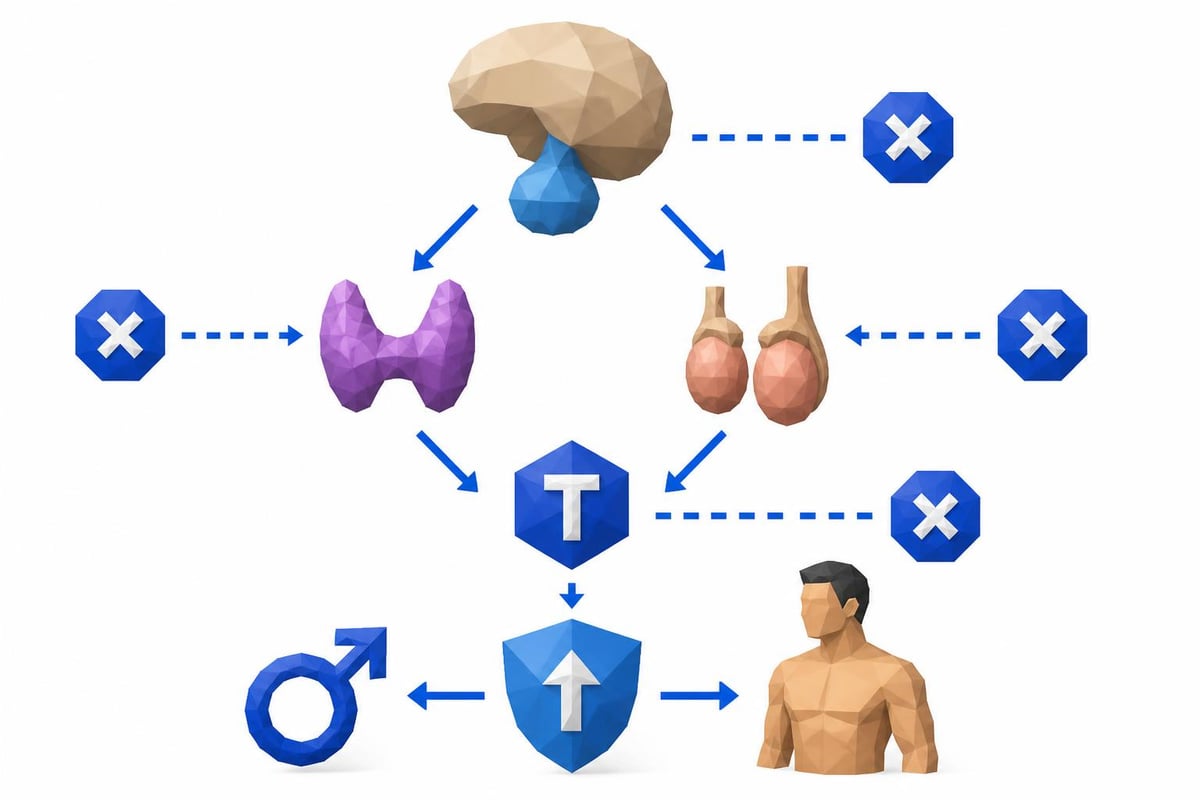
Abnormal findings on the initial erectile dysfunction lab workup often trigger additional specialized testing. Low testosterone warrants measurement of LH and FSH to distinguish primary testicular failure from pituitary dysfunction. Elevated glucose requires diabetes confirmation with repeat testing.
Follow-up testing sequences include:
- For low testosterone: LH, FSH, morning repeat testosterone
- For glucose abnormalities: Oral glucose tolerance test, fasting insulin
- For thyroid dysfunction: Thyroid antibodies, ultrasound evaluation
- For lipid issues: Apolipoprotein B, lipoprotein(a), particle size analysis
Cost-Effective Testing Strategies
Direct-Access Laboratory Services
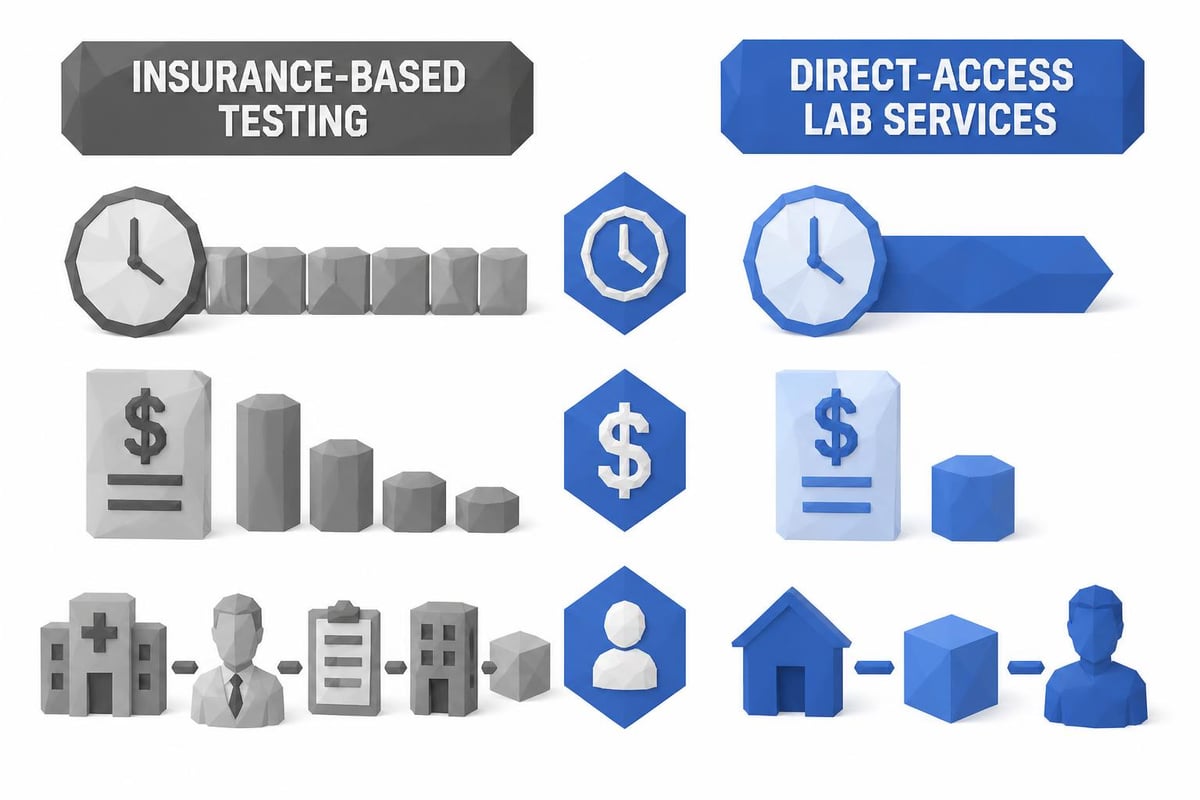
Traditional testing through insurance and physician referrals creates delays and often involves high out-of-pocket costs due to deductibles and copays. Self-pay lab testing provides an alternative approach with transparent pricing and rapid turnaround.
The benefits of direct-access testing include:
- No insurance authorization delays
- Predictable, affordable pricing
- Results typically within 1-3 days
- Complete test menu access
- Privacy and convenience
Men can browse available tests and select the specific panels relevant to their erectile dysfunction evaluation without navigating insurance requirements.
Choosing the Right Test Panel
Rather than ordering individual tests, comprehensive panels offer better value while ensuring no critical markers are overlooked. A typical erectile dysfunction lab workup combines:
| Panel Component | Tests Included | Purpose |
|---|---|---|
| Hormone panel | Total testosterone, free testosterone, SHBG, prolactin | Endocrine evaluation |
| Metabolic panel | Glucose, HbA1c, kidney function, electrolytes | Diabetes and metabolic screening |
| Lipid panel | Total cholesterol, LDL, HDL, triglycerides | Cardiovascular risk |
| Thyroid panel | TSH, free T4, free T3 | Thyroid function |
| CBC | Complete blood count | General health screening |
Recommended Panel
Male Hormone Panel
Save $9This comprehensive panel measures testosterone (free and total), plus the supporting hormones that affect how testosterone works in your body: SHBG, estradiol sensitive, DHEA-S, and cortisol.
Includes 6 biomarkers
$101
Understanding transparent lab test pricing allows men to budget appropriately and select testing packages matching their specific needs and financial circumstances.
Timing and Preparation for Accurate Results
Fasting Requirements
Many components of the erectile dysfunction lab workup require fasting for accurate results. Glucose and lipid measurements show significant variation based on recent food intake, while hormone levels remain stable regardless of eating.
Fasting guidelines:
- 8-12 hours without food for glucose and lipids
- Water allowed during fasting period
- Morning collection preferred for testosterone
- Avoid alcohol 24 hours before testing
- Continue medications unless specifically instructed otherwise
Factors That Affect Test Accuracy
Several variables influence laboratory measurements and should be considered when scheduling tests:
- Time of day: Testosterone peaks in early morning
- Recent illness: Acute infections temporarily suppress testosterone
- Stress levels: Cortisol elevation affects multiple hormones
- Medication timing: Some drugs interfere with specific tests
- Exercise: Strenuous activity within 24 hours can alter results
Discussing these factors when finding a testing location ensures optimal sample collection conditions for reliable results.
The Role of Testing in Treatment Decisions
Guiding Therapy Selection
Laboratory results directly inform treatment strategies for erectile dysfunction. Testosterone replacement becomes appropriate only when deficiency is confirmed through testing. Similarly, addressing diabetes or cardiovascular risk factors takes priority when these conditions are identified.
Treatment approaches based on lab findings:
- Hormonal optimization for confirmed testosterone deficiency
- Glucose management when diabetes or prediabetes is detected
- Lipid therapy for cardiovascular risk reduction
- Thyroid replacement when hypothyroidism is confirmed
- Lifestyle modification for modifiable risk factors
Monitoring Treatment Response
Follow-up testing verifies treatment effectiveness and safety. Men starting testosterone replacement require monitoring every 3-6 months to ensure appropriate dosing and detect potential complications. Similarly, diabetes treatment success is tracked through serial HbA1c measurements.
The Medscape workup overview details recommended monitoring schedules for various ED treatments based on underlying causes identified through laboratory testing.
When to Seek Initial Testing
Age and Risk Factor Considerations
While ED can affect men at any age, laboratory screening becomes particularly important after age 40 or when risk factors are present. Risk factors warranting proactive testing include:
- Diabetes or prediabetes
- Hypertension
- Obesity (BMI over 30)
- Cardiovascular disease history
- Metabolic syndrome
- Chronic kidney disease
- Sleep apnea
Men with multiple risk factors benefit from comprehensive testing even before ED symptoms develop, enabling preventive interventions.
Symptom Duration and Severity
Occasional erectile difficulties don't necessarily require extensive laboratory workup, but persistent problems lasting more than three months warrant evaluation. According to WebMD's diagnostic overview, consistent symptoms affecting quality of life justify comprehensive testing regardless of age.
Insurance Versus Self-Pay Testing Options
Coverage Limitations
Insurance coverage for erectile dysfunction lab workup varies significantly between plans. Some insurers restrict testing based on age, symptom duration, or specific diagnostic codes. High deductibles mean many patients pay full costs anyway until reaching their annual limits.
Common insurance barriers include:
- Prior authorization requirements causing delays
- Limited approved test panels
- High copays for specialty testing
- Denied claims for "screening" versus "diagnostic" testing
- Network restrictions limiting lab choices
Self-Pay Advantages
Direct-access testing services eliminate insurance complications while often providing lower total costs than insurance-based testing with high deductibles. Transparent pricing, rapid scheduling, and quick results make self-pay options attractive for many men seeking ED evaluation.
Additional benefits include privacy (no insurance records), flexibility in test selection, and the ability to retest as needed without authorization hassles. Some testing qualifies for FSA and HSA reimbursement, providing tax advantages for self-pay options.
Key takeaways
A comprehensive erectile dysfunction lab workup provides essential diagnostic information that guides effective treatment while potentially revealing serious underlying health conditions. Testosterone levels, glucose markers, lipid profiles, and thyroid function represent core components that should be evaluated in most cases. Direct-access laboratory services offer convenient, affordable alternatives to traditional insurance-based testing with transparent pricing and rapid results. Men experiencing persistent ED symptoms should pursue testing promptly rather than accepting dysfunction as inevitable, since early intervention improves outcomes. Laboratory findings enable personalized treatment approaches targeting specific deficiencies or conditions rather than one-size-fits-all solutions.
FAQ
What blood tests are needed for erectile dysfunction?
The standard erectile dysfunction lab workup includes testosterone (total and free), glucose, HbA1c, complete lipid panel, thyroid-stimulating hormone (TSH), and complete blood count. Depending on initial results and individual risk factors, additional tests like prolactin, vitamin D, or inflammatory markers may be recommended.
How much does an erectile dysfunction lab workup cost?
Costs vary significantly based on whether you use insurance or self-pay services. Insurance-based testing may cost anywhere from a copay to several hundred dollars depending on deductibles. Self-pay options typically range from $100-300 for comprehensive panels, with transparent pricing known upfront.
Do I need a doctor's order for ED blood tests?
Traditional laboratory testing requires a physician's order, but direct-access lab services allow you to order tests independently without seeing a doctor first. This approach provides faster access and greater convenience while maintaining the same laboratory quality standards.
How long does it take to get erectile dysfunction lab results?
Most erectile dysfunction lab tests return results within 1-3 business days when using direct-access services. Traditional physician-ordered testing may take longer depending on appointment availability and the specific laboratory processing times.
Can erectile dysfunction lab tests detect heart disease?
While not specifically designed for cardiac diagnosis, the erectile dysfunction lab workup identifies major cardiovascular risk factors including abnormal cholesterol, diabetes, and inflammation. ED often precedes cardiovascular symptoms by several years, making these tests valuable for early risk detection.
Should I fast before erectile dysfunction blood tests?
Fasting for 8-12 hours is required for accurate glucose and lipid measurements. Testosterone testing doesn't require fasting but should be performed in the morning when levels are highest. Your testing service will provide specific preparation instructions based on the ordered panel.
What testosterone level is considered low?
Total testosterone below 300 ng/dL is generally considered deficient, though symptoms and optimal levels vary individually. Some men experience symptoms even with levels in the 300-400 range. Free testosterone measurements provide additional important information beyond total testosterone alone.
Will insurance cover erectile dysfunction lab testing?
Coverage varies by insurance plan and specific circumstances. Some plans cover testing when documented medical necessity exists, while others restrict coverage based on age or symptom duration. High deductibles often mean patients pay full costs regardless of coverage status.
Understanding which laboratory tests to pursue and what the results reveal empowers men to address erectile dysfunction effectively while identifying potentially serious underlying health conditions. Taking control of your health through comprehensive testing provides the foundation for targeted treatments and improved outcomes. Justlabs makes this process straightforward by offering direct access to a complete menu of erectile dysfunction screening tests with transparent pricing, no insurance hassles, and results delivered within 1-3 days, allowing you to move forward with answers and actionable information quickly.