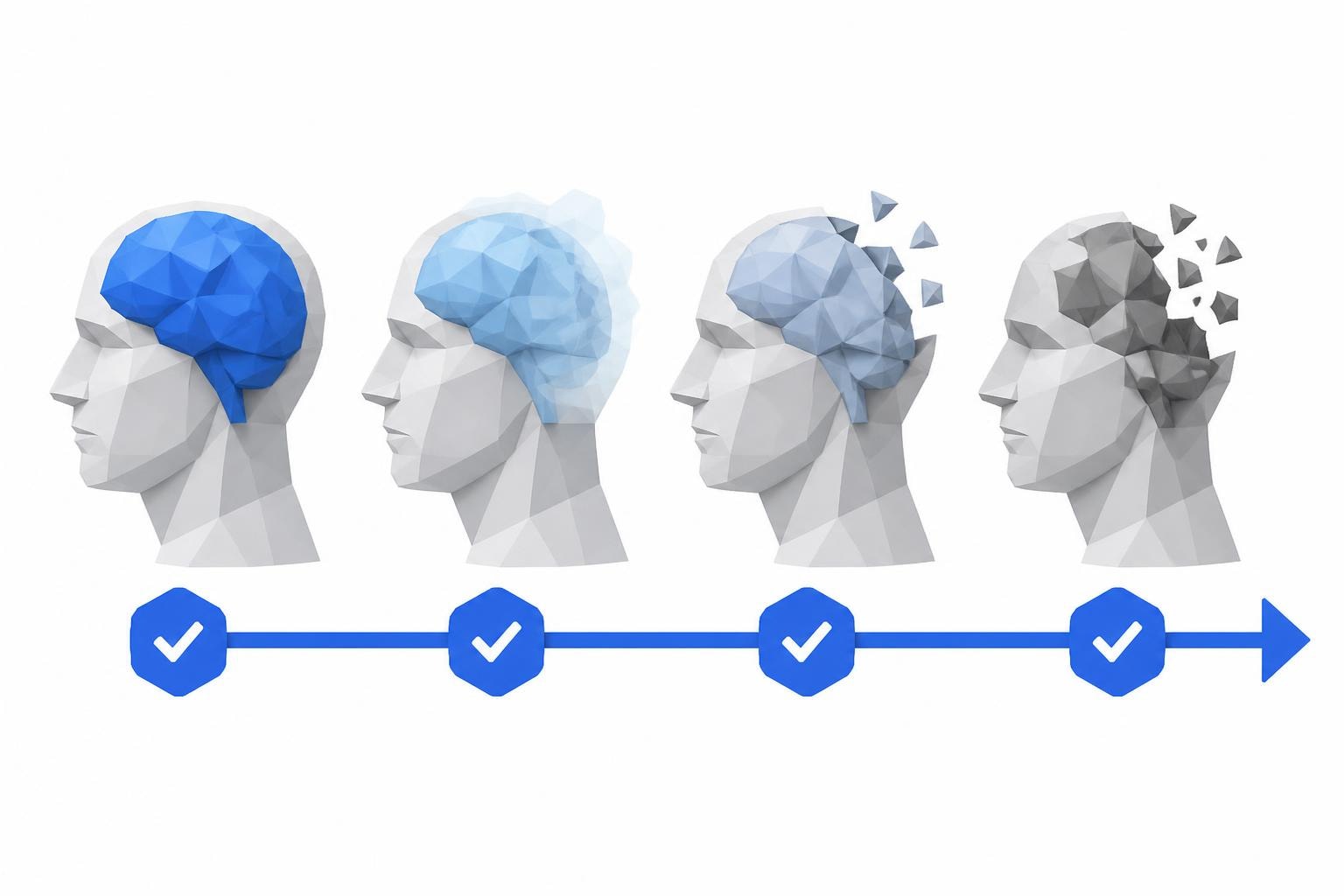
Experiencing occasional forgetfulness or mental cloudiness is common, but persistent memory issues and brain fog can signal something more serious. Understanding when to seek evaluation and what testing options exist for cognitive concerns is crucial for early detection and intervention. Taking proactive steps to assess cognitive health before symptoms progress can make a significant difference in treatment outcomes and quality of life.
Big picture
- Memory loss and brain fog are early warning signs that may precede dementia, but they can also result from treatable conditions like thyroid disorders, vitamin deficiencies, or metabolic imbalances
- Early cognitive testing combines laboratory blood work, cognitive assessments, and medical evaluations to identify underlying causes before irreversible damage occurs
- Laboratory tests can reveal reversible factors contributing to cognitive decline, including vitamin B12 deficiency, thyroid dysfunction, inflammation markers, and metabolic disorders
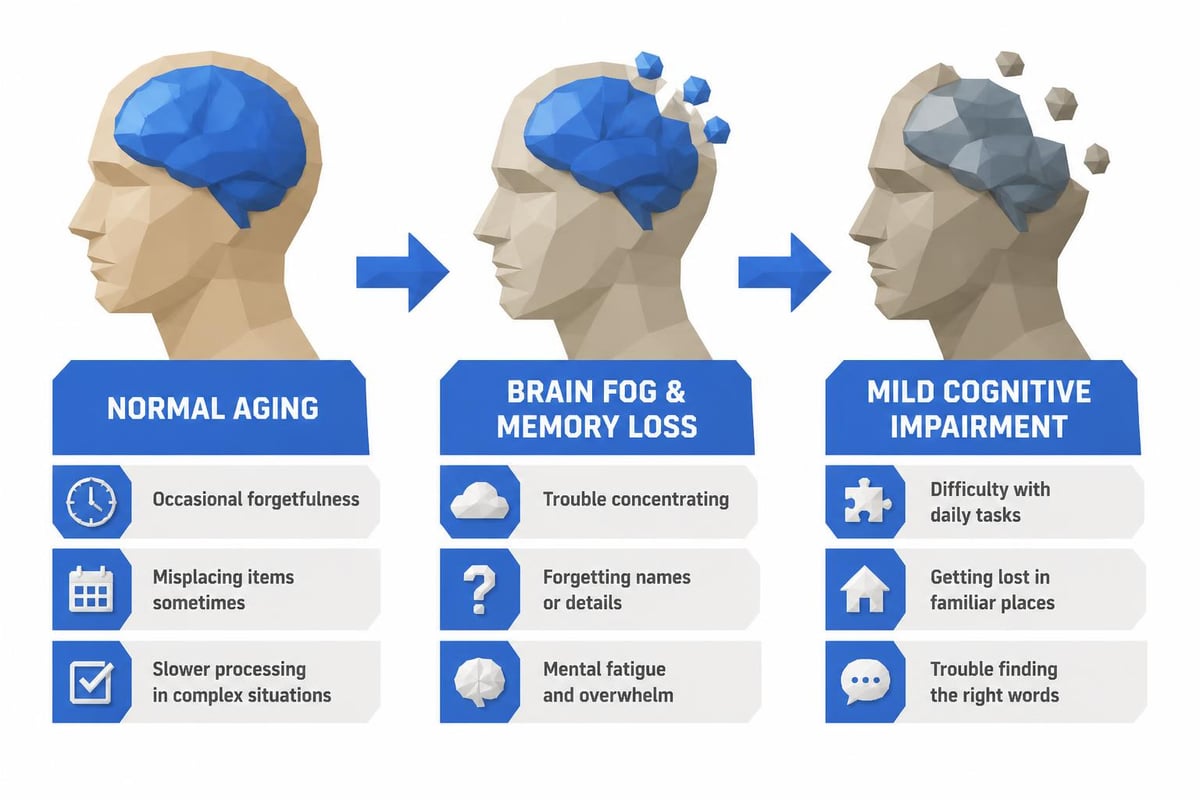
- Professional cognitive screening helps differentiate normal aging from mild cognitive impairment (MCI) and early dementia stages
- Accessible testing through services like Justlabs allows individuals to proactively check key health markers without insurance barriers or lengthy doctor appointments
- Taking action early means ordering relevant lab tests, tracking symptoms, and seeking medical consultation when cognitive changes persist or worsen
Understanding Memory Loss and Brain Fog as Warning Signs
Memory loss and brain fog manifest differently across individuals, ranging from occasional word-finding difficulties to consistent problems with daily tasks. Brain fog typically presents as mental fatigue, difficulty concentrating, slowed thinking, or feeling mentally disconnected. Memory loss involves forgetting recent conversations, misplacing items frequently, or struggling to recall familiar names and places.
The distinction between normal age-related changes and concerning cognitive decline matters significantly. Everyone experiences momentary lapses, but persistent patterns warrant investigation.
When Cognitive Changes Require Attention
Several red flags indicate the need for a memory loss and brain fog test before dementia becomes apparent:
- Difficulty completing familiar tasks at home or work
- Confusion about time, place, or sequence of events
- Problems with planning or solving routine problems
- Withdrawal from social activities due to cognitive concerns
- Mood changes or personality shifts accompanying memory issues
- Increasing reliance on memory aids or family members
These symptoms don't automatically indicate dementia, but they justify thorough evaluation. Research on cognitive screening emphasizes the value of early detection in managing cognitive health.
Laboratory Tests That Reveal Cognitive Health Markers
Blood tests provide essential information about physical conditions affecting brain function. Many cognitive symptoms stem from correctable metabolic, hormonal, or nutritional imbalances rather than neurodegenerative disease.
Critical Blood Work for Cognitive Assessment
| Test Category | What It Reveals | Impact on Cognition |
|---|---|---|
| Thyroid Panel (TSH, Free T4, Free T3) | Thyroid hormone levels | Hypothyroidism causes memory problems, mental slowness |
| Vitamin B12 | B12 deficiency | Severe deficiency mimics dementia symptoms |
| Comprehensive Metabolic Panel | Kidney/liver function, glucose, electrolytes | Metabolic imbalances affect mental clarity |
| Inflammation Markers | C-reactive protein, ESR | Chronic inflammation linked to cognitive decline |
| Lipid Panel | Cholesterol levels | Cardiovascular health impacts brain blood flow |
Recommended Panel
Complete Thyroid Panel
Save $3Our most comprehensive thyroid panel includes all 5 essential markers: TSH, Free T4, Free T3, Reverse T3, and both thyroid antibodies. Get the complete picture of your thyroid health.
Includes 6 biomarkers
$84
The comprehensive metabolic panel serves as a foundational test, revealing kidney dysfunction, liver problems, electrolyte imbalances, and blood sugar irregularities that commonly contribute to cognitive symptoms. Uncontrolled diabetes, for instance, significantly increases dementia risk while also causing immediate cognitive impairment.
Thyroid Function and Cognitive Performance
Thyroid disorders represent one of the most common reversible causes of memory problems and brain fog. Hypothyroidism slows metabolism throughout the body, including brain function, resulting in:
- Mental sluggishness and difficulty concentrating
- Memory impairment affecting short-term recall
- Depression and apathy
- Fatigue that compounds cognitive difficulties
Testing thyroid function through affordable thyroid panels provides crucial diagnostic information. Many individuals with subclinical hypothyroidism experience cognitive symptoms before thyroid disease becomes clinically apparent. Treating thyroid dysfunction often resolves associated cognitive complaints completely.
Recommended Panel
Energy & Fatigue Panel
Save $4.5Fatigue has many causes - this panel tests for the most common ones: thyroid dysfunction, iron deficiency, vitamin deficiencies, anemia, and metabolic issues. Stop guessing, start knowing.
Includes 36 biomarkers
$72
Fasting required
Professional Cognitive Screening and Assessment Tools
Beyond laboratory tests, standardized cognitive evaluations measure mental performance across multiple domains. These assessments complement blood work in creating a complete picture of cognitive health.
Common Cognitive Testing Methods
Healthcare providers use validated screening tools to detect cognitive impairment objectively:
- Mini-Mental State Examination (MMSE) - Quick screening covering orientation, memory, attention, and language
- Montreal Cognitive Assessment (MoCA) - More sensitive for detecting mild cognitive impairment
- Clock Drawing Test - Assesses visuospatial abilities and executive function
- Verbal Fluency Tests - Evaluates language and executive function
- Memory Recall Tasks - Tests immediate and delayed memory
The Alzheimer's Association provides detailed information on cognitive assessment tools used by healthcare professionals. These evaluations typically take 10-30 minutes and establish baseline cognitive function for future comparison.
Comprehensive Diagnostic Evaluation
A thorough memory loss and brain fog test before dementia diagnosis involves multiple components working together. Medical tests for dementia diagnosis extend beyond simple screening to include:
- Detailed medical history including medication review
- Physical and neurological examination
- Laboratory blood work addressing reversible causes
- Cognitive and psychological testing
- Brain imaging when indicated (MRI or CT scans)
This multi-faceted approach helps distinguish between normal aging, mild cognitive impairment, reversible conditions, and neurodegenerative diseases.

Vitamin and Mineral Deficiencies Affecting Memory
Nutritional deficiencies frequently manifest as cognitive symptoms that resolve with proper supplementation. Testing for these deficiencies provides actionable results and treatment pathways.
Vitamin B12 deficiency stands out as particularly important. B12 plays essential roles in nervous system function and red blood cell production. Deficiency symptoms include:
- Memory problems and confusion
- Difficulty concentrating
- Mental fatigue and brain fog
- Mood changes and depression
Older adults, vegetarians, and individuals with digestive disorders face elevated deficiency risk. Early detection and treatment prevent permanent neurological damage.
Recommended Panel
Vitamin & Mineral Panel
Save $5This panel tests the most commonly deficient nutrients: Vitamin D, B12, Folate, Iron (with complete iron studies), Ferritin, and Magnesium - the building blocks your body needs to function optimally.
Includes 9 biomarkers
$64
Fasting required
Vitamin D deficiency affects cognitive function through multiple mechanisms, including neuroprotection and inflammation regulation. Low vitamin D levels correlate with increased dementia risk and current cognitive impairment.
Folate and other B vitamins support brain health and neurotransmitter synthesis. Deficiencies contribute to cognitive dysfunction and mood disorders that compound memory concerns.
Metabolic and Cardiovascular Factors
Cardiovascular health directly impacts brain function through blood flow and oxygen delivery. Conditions affecting heart and blood vessel health frequently cause cognitive symptoms.
Testing Cardiovascular Risk Factors
| Risk Factor | Relevant Tests | Cognitive Impact |
|---|---|---|
| High cholesterol | Lipid panel | Atherosclerosis reduces brain blood flow |
| Diabetes | Glucose, HbA1c | Blood sugar fluctuations impair cognition |
| High blood pressure | Routine monitoring | Hypertension damages small brain vessels |
| Inflammation | CRP, ESR | Chronic inflammation accelerates decline |
Recommended Panel
Advanced Heart Health Panel
Save $6Go beyond basic cholesterol testing. This advanced panel includes the markers cardiologists use to assess true cardiovascular risk: ApoB, Lp(a), homocysteine, and inflammation.
Includes 10 biomarkers
$86
Fasting required
The lipid panel cost remains affordable through direct-access testing, making cardiovascular risk assessment accessible. Controlling these risk factors reduces both stroke risk and dementia progression.
Diabetes deserves particular attention. Both hypoglycemia (low blood sugar) and chronic hyperglycemia (high blood sugar) impair cognitive function. People with diabetes face doubled dementia risk compared to those with normal glucose metabolism.
Hormone Imbalances Contributing to Brain Fog
Hormonal changes affect cognitive function across the lifespan, with certain transitions creating particularly noticeable symptoms.
Thyroid Hormones and Mental Clarity
Beyond standard thyroid screening, comprehensive testing reveals subtler dysfunction affecting cognition. Complete thyroid evaluation includes:
- TSH (thyroid stimulating hormone)
- Free T4 (inactive thyroid hormone)
- Free T3 (active thyroid hormone)
- Reverse T3 (inactive form that blocks T3)
- Thyroid antibodies for autoimmune disease
Recommended Test
Free T3 (Triiodothyronine)
Free T3 measures the unbound, most active form of thyroid hormone. T3 is 3-4 times more potent than T4 and directly affects metabolism, heart rate, body temperature, and energy levels.
Includes 1 biomarkers
$14
Autoimmune thyroid conditions like Hashimoto's thyroiditis cause fluctuating symptoms that include brain fog, memory problems, and mood instability. Testing thyroid antibodies identifies these conditions even when TSH appears normal.
Sex Hormones and Cognitive Function
Estrogen and testosterone influence brain function throughout life. Declining hormone levels during menopause or andropause commonly trigger cognitive complaints.
Perimenopause and menopause bring hormonal fluctuations that frequently cause:
- Short-term memory problems
- Difficulty concentrating
- Mental fatigue and brain fog
- Sleep disruptions affecting cognition
Testing hormone levels through estradiol testing or testosterone evaluation provides diagnostic clarity. While hormone replacement therapy remains controversial for cognitive concerns, identifying hormonal contributions helps individuals make informed decisions.

Accessible Testing Options Without Insurance Barriers
Traditional healthcare often creates obstacles to proactive health monitoring through insurance requirements, referrals, and scheduling delays. Direct-access laboratory testing removes these barriers.
Understanding how lab testing works without insurance empowers individuals to take control of their health monitoring. Self-pay testing offers several advantages:
- No doctor's order required for most preventive and wellness tests
- Transparent, affordable pricing published upfront without hidden fees
- Quick turnaround with results typically available within 1-3 days
- Convenient locations at established lab facilities nationwide
- Privacy and discretion in health monitoring
Ordering labs without a doctor suits individuals experiencing early symptoms who want baseline testing before committing to extensive medical workups. This approach also benefits those monitoring known conditions or tracking treatment effectiveness.
Selecting Appropriate Tests for Cognitive Concerns
When investigating memory loss and brain fog, prioritize tests addressing common reversible causes:
- Comprehensive metabolic panel for overall health status
- Complete thyroid panel including antibodies
- Vitamin B12 and vitamin D levels
- Lipid panel for cardiovascular risk
- Inflammation markers if chronic conditions suspected
The available tests cover a broad range of health markers relevant to cognitive function. Many individuals benefit from comprehensive wellness panels that bundle related tests at reduced pricing.
When to Escalate Concerns to Medical Professionals
While proactive laboratory testing provides valuable health information, certain situations require immediate professional medical evaluation.
Red Flags Requiring Urgent Assessment
Seek prompt medical attention when experiencing:
- Sudden or rapidly worsening confusion
- Memory loss interfering significantly with daily life
- Getting lost in familiar places
- Inability to recognize familiar people
- Personality changes concerning to family members
- Cognitive decline accompanied by other neurological symptoms
Harvard Health discusses considerations for dementia testing, emphasizing that professional evaluation remains essential for diagnosis. Laboratory testing serves as one component of comprehensive assessment, not a replacement for medical expertise.
Interpreting Results and Next Steps
Understanding laboratory results requires context and knowledge. Resources for understanding lab results help individuals interpret their findings and recognize when abnormalities warrant medical consultation.
Abnormal results on cognitive-relevant tests demand follow-up:
- Thyroid dysfunction requires endocrinology or primary care management
- Severe vitamin deficiencies need supplementation and cause investigation
- Metabolic abnormalities may indicate underlying conditions requiring treatment
- Cardiovascular risk factors benefit from lifestyle modification and possible medication
Even normal laboratory results combined with concerning cognitive symptoms justify neurological or geriatric medicine consultation. Conditions like Alzheimer's disease lack specific blood test markers, requiring clinical diagnosis.
Emerging Research and Future Testing Options
Scientific advances continue expanding options for early cognitive impairment detection. Research exploring EEG-based functional connectivity during working memory tasks shows promise for early dementia classification.
Biomarker testing for Alzheimer's disease continues evolving, with blood tests detecting amyloid and tau proteins under development. While not yet widely available, these tests may eventually enable earlier diagnosis before symptoms become prominent.
Genetic testing for dementia risk factors exists but carries significant limitations. Stanford Health Care discusses presymptomatic testing, noting that genetic testing primarily benefits individuals with strong family histories of early-onset dementia. For most people, genetic testing provides limited actionable information.
Key Takeaways
Memory loss and brain fog warrant investigation, particularly when symptoms persist or worsen over time. Early testing identifies treatable causes before irreversible cognitive decline occurs. Laboratory blood work reveals common reversible factors including thyroid disorders, vitamin deficiencies, metabolic imbalances, and cardiovascular risk factors that contribute to cognitive symptoms.
Comprehensive evaluation combines laboratory testing, cognitive screening, medical history review, and professional assessment. Direct-access lab testing through services offering transparent lab test pricing removes barriers to proactive health monitoring, enabling individuals to check relevant markers conveniently and affordably.
Taking action means ordering appropriate tests, documenting symptoms, and consulting healthcare providers when results show abnormalities or symptoms continue despite normal findings. Early intervention maximizes treatment effectiveness and may prevent or delay progression to dementia.
FAQ
What blood tests should I get for memory loss and brain fog?
Essential blood tests include a comprehensive metabolic panel, complete thyroid panel with antibodies, vitamin B12, vitamin D, and lipid panel. These tests identify common reversible causes of cognitive symptoms including metabolic disorders, thyroid dysfunction, nutritional deficiencies, and cardiovascular risk factors affecting brain health.
Can brain fog be an early sign of dementia?
Brain fog can indicate early cognitive changes but more commonly results from reversible conditions like sleep deprivation, stress, thyroid problems, vitamin deficiencies, or medication side effects. Persistent brain fog accompanied by memory loss, confusion, or functional decline warrants comprehensive evaluation to determine the underlying cause.
How accurate are at-home cognitive tests?
At-home cognitive screening tools provide general assessments but lack the reliability and comprehensiveness of professional evaluation. WebMD explains diagnostic approaches that require trained healthcare providers using validated instruments. Self-screening may raise awareness but cannot replace formal diagnosis.
What is the difference between mild cognitive impairment and dementia?
Mild cognitive impairment (MCI) involves noticeable cognitive decline greater than expected for age but without significant interference in daily functioning. NYU Langone Health details the diagnostic distinctions between normal aging, MCI, and dementia. Dementia diagnosis requires cognitive impairment severe enough to interfere with independence in everyday activities.
When should I see a doctor about memory problems?
Consult a doctor when memory problems interfere with daily life, worsen over time, or concern family members. Other concerning signs include getting lost in familiar places, difficulty managing finances or medications, forgetting recent conversations repeatedly, or experiencing personality changes. Early evaluation enables earlier intervention if treatable causes exist.
How long does it take to get lab test results for cognitive concerns?
Most laboratory tests relevant to cognitive assessment return results within 1-3 days through direct-access testing services. Standard tests like thyroid panels, metabolic panels, and vitamin levels process quickly. Specialized tests or genetic evaluations may require longer processing times.
Are memory tests covered by insurance?
Insurance coverage varies significantly based on policy terms and medical necessity determination. Many insurers require documented cognitive symptoms and physician referral for coverage. Using FSA or HSA funds for eligible lab tests provides another payment option, while self-pay testing offers transparent pricing without insurance complexity.
What lifestyle factors contribute to memory loss?
Poor sleep quality, chronic stress, physical inactivity, poor diet, social isolation, and untreated medical conditions all impair cognitive function. Cardiovascular risk factors including high blood pressure, diabetes, high cholesterol, and smoking accelerate cognitive decline. Addressing modifiable risk factors through lifestyle changes protects brain health.
Monitoring cognitive health through laboratory testing and professional screening enables early detection of conditions affecting memory and mental clarity. Whether symptoms stem from reversible factors like thyroid dysfunction and vitamin deficiencies or represent early cognitive impairment, identifying causes early improves outcomes significantly. When you're ready to take the first step toward understanding your cognitive health, Justlabs provides convenient access to essential laboratory testing with results delivered quickly, transparently priced, and available without insurance requirements or doctor referrals.