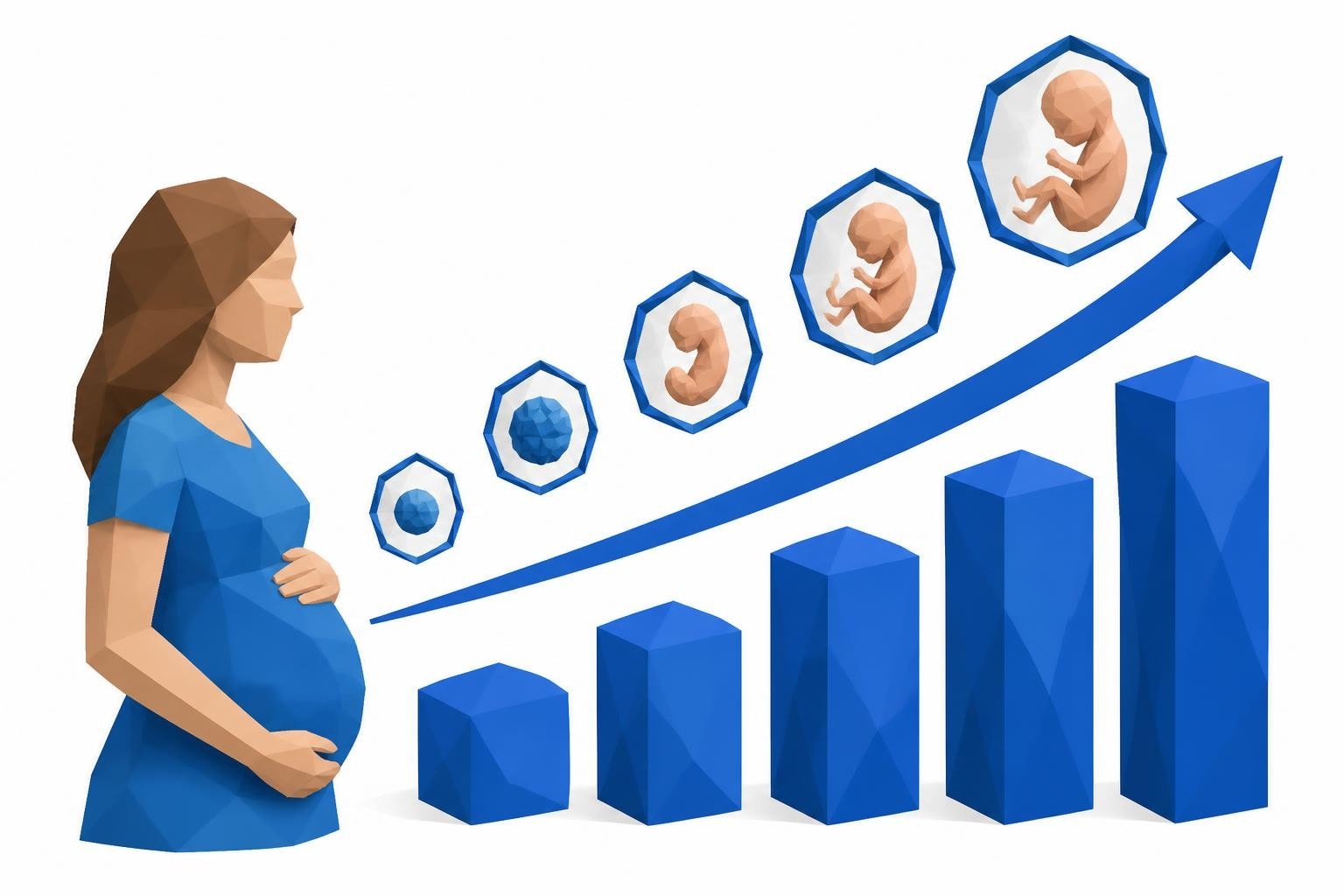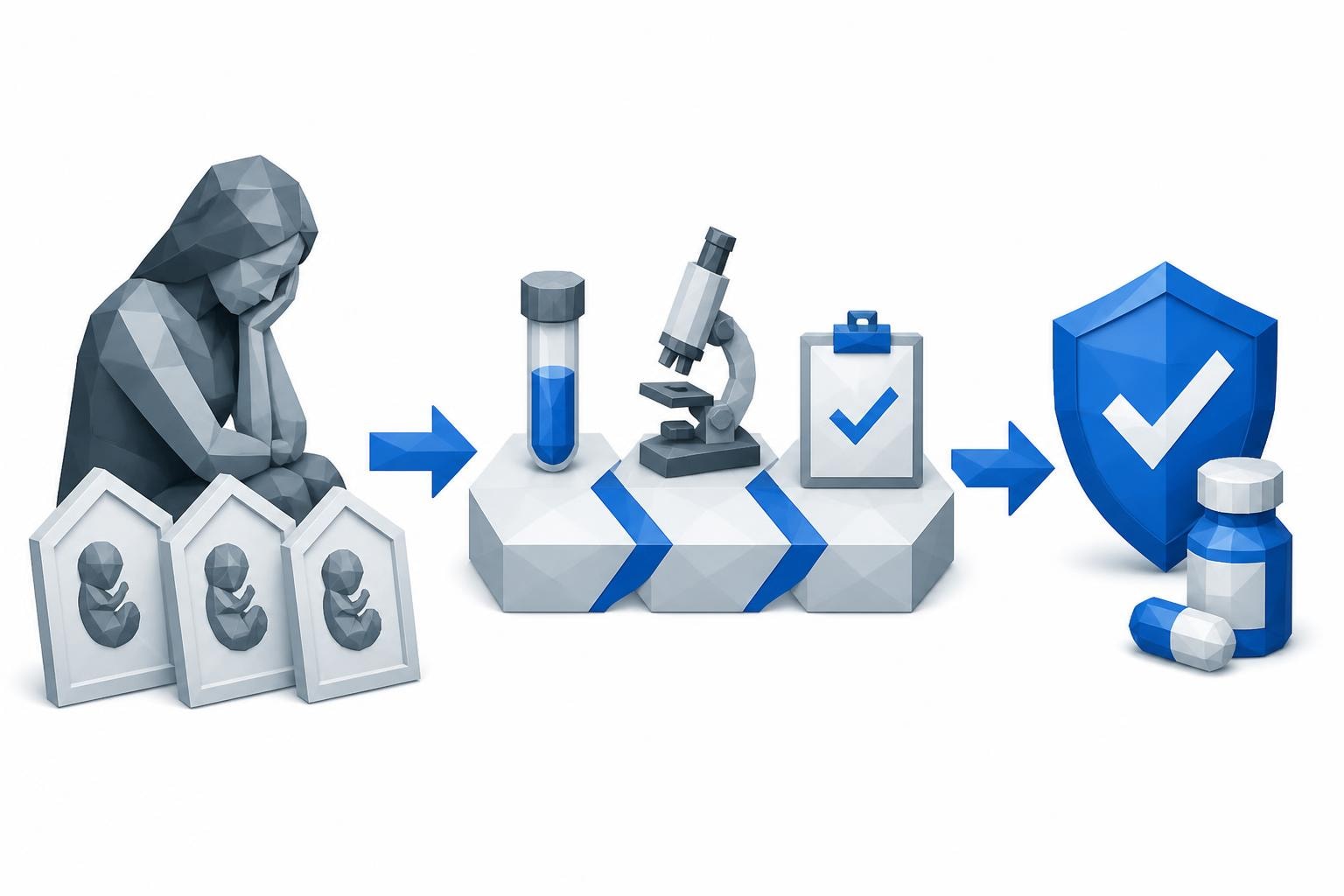
Experiencing multiple pregnancy losses can be emotionally devastating and physically exhausting. For couples facing this challenge, understanding the comprehensive diagnostic evaluation becomes crucial. The recurrent pregnancy loss the workup test encompasses a broad range of laboratory assessments designed to identify underlying causes and guide treatment decisions. With advances in medical testing and increased accessibility through direct-to-consumer lab services, patients now have more control over their diagnostic journey than ever before.
Big picture
- Recurrent pregnancy loss is typically defined as two or more consecutive pregnancy losses before 20 weeks of gestation, affecting approximately 1-2% of couples trying to conceive.
- The workup test involves multiple laboratory evaluations including genetic testing, hormonal assessments, immunological markers, and anatomical examinations to identify treatable causes.
- Up to 50% of cases have an identifiable cause through proper testing, including chromosomal abnormalities, thyroid disorders, diabetes, blood clotting disorders, and autoimmune conditions.
- Early testing matters because identifying issues after two losses rather than waiting for three can prevent additional heartbreak and allow for earlier intervention.
- Accessible lab testing through services like Justlabs allows couples to begin certain diagnostic tests without waiting for insurance approval or lengthy doctor appointments.
- Treatment success rates improve significantly when an underlying cause is identified and addressed, making comprehensive testing a worthwhile investment in your reproductive future.
Understanding Recurrent Pregnancy Loss
Recurrent pregnancy loss represents one of the most challenging experiences in reproductive medicine. According to The MSD Manual, this condition affects couples across all demographics and age groups, though risk factors increase with maternal age.
The emotional toll of repeated losses often overshadows the medical aspects, yet understanding the diagnostic process can provide couples with a sense of control and hope. Each loss represents not just grief but also valuable diagnostic information that can guide testing decisions.
When to Pursue Testing
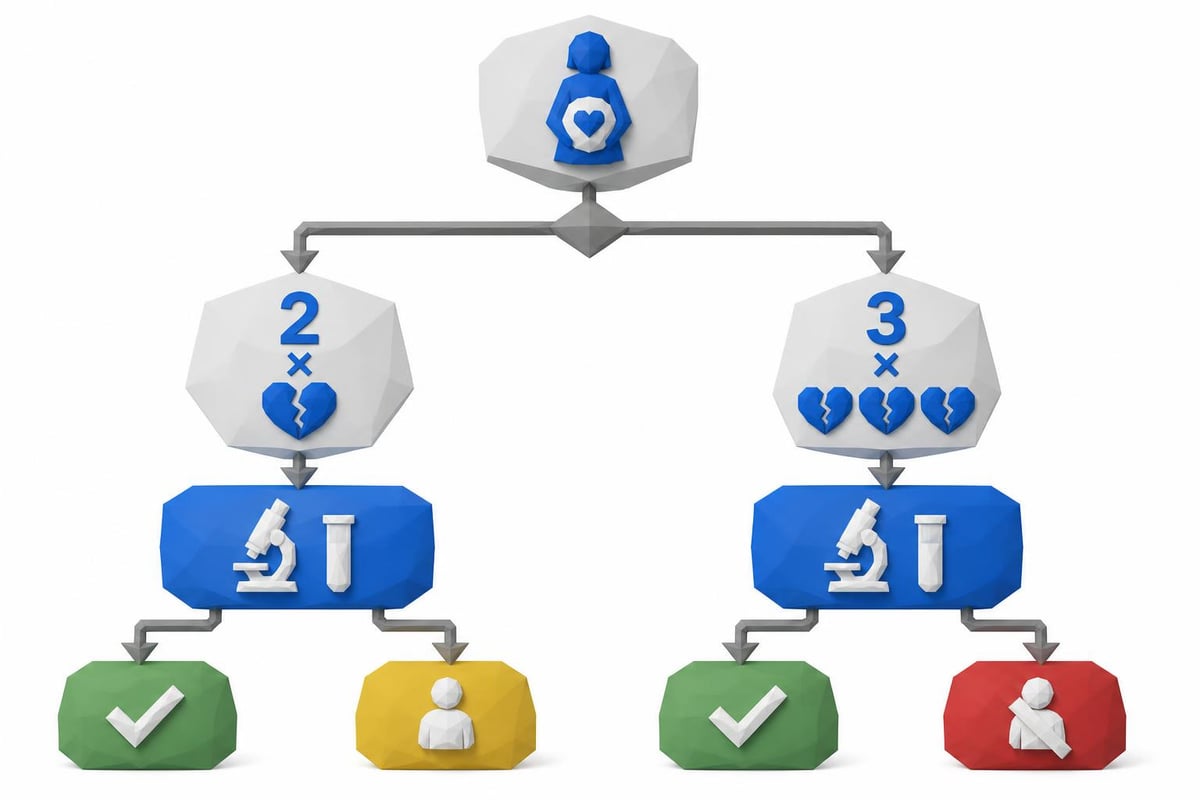
Traditional guidelines recommended waiting until three consecutive losses before initiating a full workup. However, current medical thinking has shifted significantly. Research indicates that beginning the diagnostic evaluation after two losses is equally valuable and prevents unnecessary delay in treatment.
This change reflects both improved testing accuracy and a better understanding of the psychological impact on couples. Starting the recurrent pregnancy loss the workup test earlier allows for:
- Identification of treatable conditions before additional losses occur
- Earlier psychological closure and treatment planning
- Cost savings by preventing future losses through targeted intervention
- Better pregnancy outcomes when treatment begins sooner
Components of the Comprehensive Workup
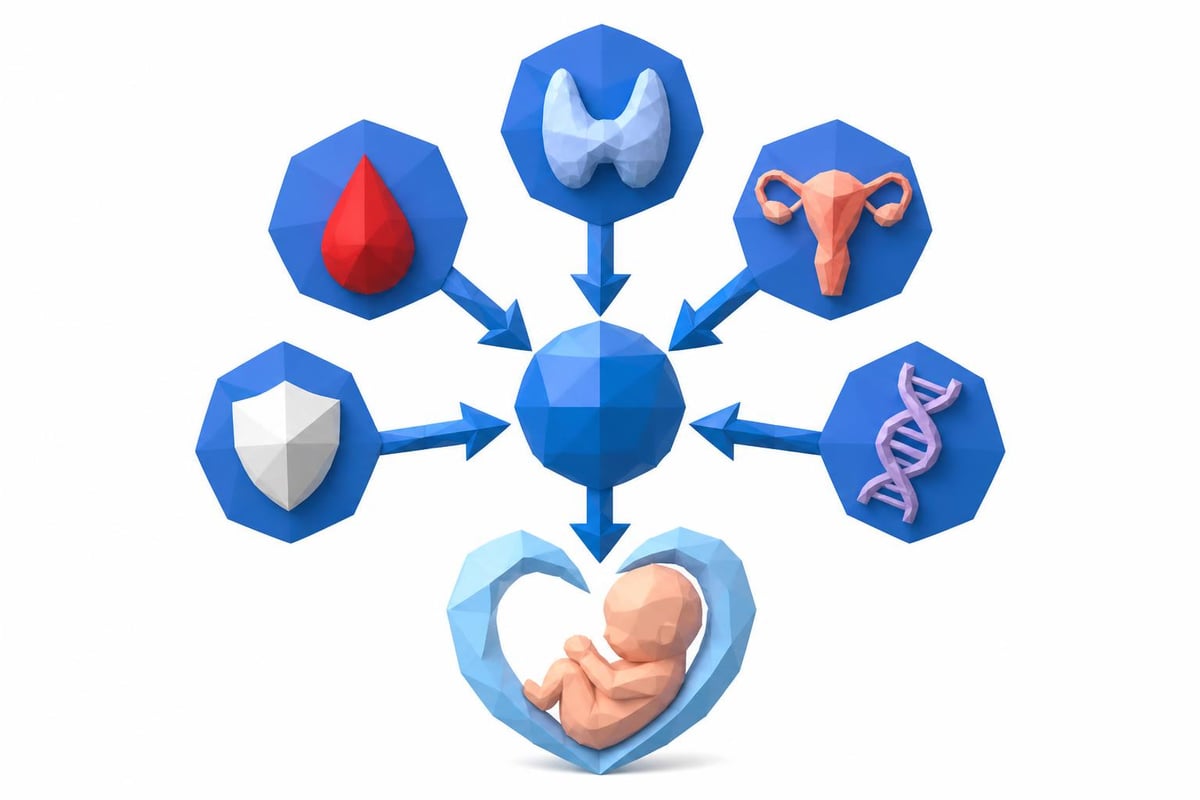
The recurrent pregnancy loss the workup test is not a single test but rather a systematic evaluation of multiple body systems and potential factors. Understanding each component helps patients navigate the process and make informed decisions about which tests to prioritize.
Genetic and Chromosomal Testing
Chromosomal abnormalities account for a significant percentage of recurrent losses. The workup typically includes:
| Test Type | Purpose | Who Gets Tested |
|---|---|---|
| Parental karyotyping | Identifies balanced translocations or inversions | Both partners |
| Products of conception testing | Analyzes fetal tissue from miscarriage | Tissue from loss |
| Carrier screening | Detects gene mutations for inherited conditions | Both partners |
Genetic factors represent one of the most common identifiable causes. When parents carry balanced chromosomal rearrangements, they may have normal health but produce embryos with unbalanced genetics that cannot survive to term.
Hormonal and Endocrine Evaluation
Hormonal imbalances frequently contribute to pregnancy loss. The endocrine component of recurrent pregnancy loss the workup test examines several critical systems:
Thyroid Function: Thyroid disorders, including both hypothyroidism and hyperthyroidism, significantly impact pregnancy maintenance. Testing includes TSH, free T4, free T3, and thyroid antibodies. Hashimoto's thyroiditis, an autoimmune thyroid condition, requires special attention as it can affect pregnancy even when thyroid hormone levels appear normal.
Recommended Panel
Complete Thyroid Panel
Save $3Our most comprehensive thyroid panel includes all 5 essential markers: TSH, Free T4, Free T3, Reverse T3, and both thyroid antibodies. Get the complete picture of your thyroid health.
Includes 6 biomarkers
$84
Diabetes Screening: Uncontrolled diabetes or insulin resistance can interfere with early pregnancy development. Hemoglobin A1C and fasting glucose tests identify these concerns.
Progesterone Levels: Adequate progesterone production during early pregnancy is essential for maintaining the uterine lining. Low progesterone levels may indicate luteal phase defects.
Prolactin: Elevated prolactin can interfere with ovulation and early pregnancy maintenance.
Immunological Testing
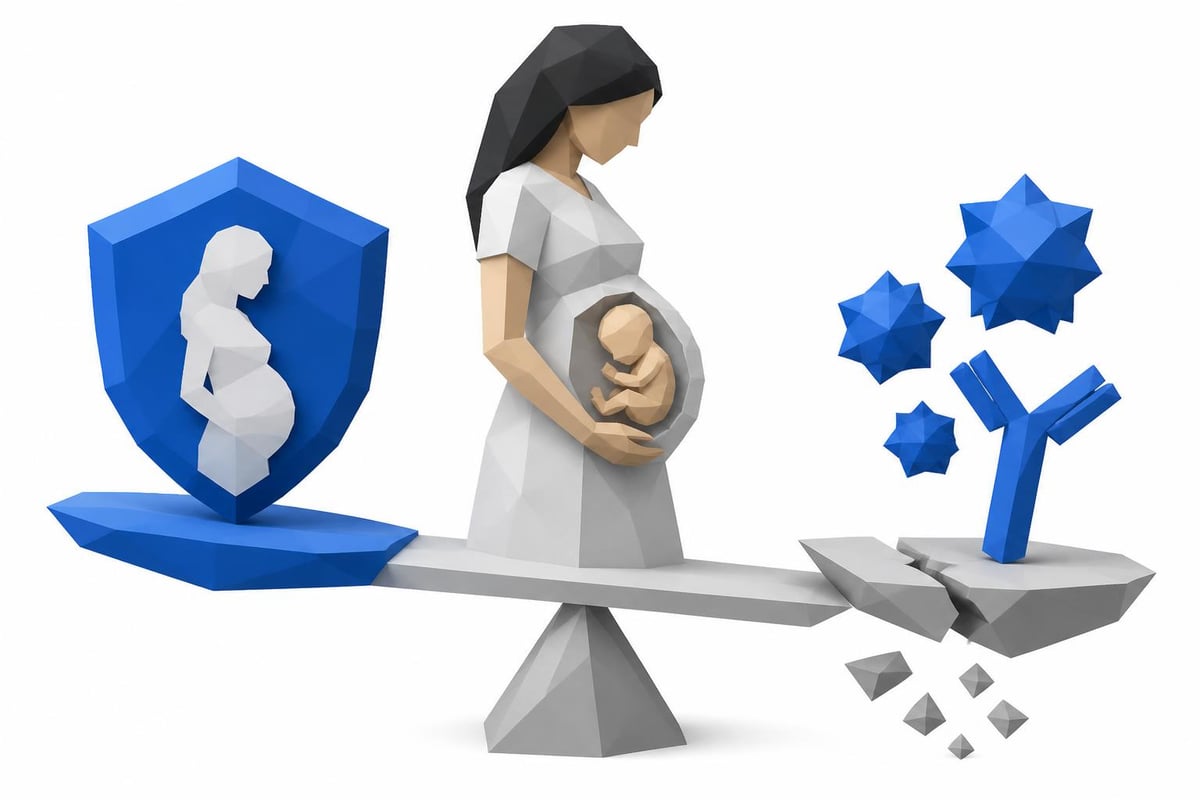
The immune system plays a complex role in pregnancy. The body must tolerate the developing fetus, which carries paternal genetics, without mounting an immune response. According to UCSF Health, several immunological factors warrant testing:
- Antiphospholipid antibodies (anticardiolipin, anti-beta-2 glycoprotein I, lupus anticoagulant)
- Antinuclear antibodies (ANA)
- Antithyroid antibodies (TPO and thyroglobulin antibodies)
Antiphospholipid syndrome represents one of the most treatable causes of recurrent loss. When identified, treatment with low-dose aspirin and heparin significantly improves pregnancy outcomes.
Thrombophilia and Clotting Disorders
Blood clotting abnormalities can cause placental insufficiency and pregnancy loss. The workup includes testing for:
- Inherited thrombophilias: Factor V Leiden mutation, prothrombin gene mutation, protein C and S deficiencies, antithrombin deficiency
- Acquired conditions: Antiphospholipid antibodies (tested twice, 12 weeks apart)
- General clotting function: PT/INR, PTT, fibrinogen levels
These conditions increase the risk of small blood clots forming in placental vessels, reducing blood flow to the developing fetus. Early identification allows for anticoagulation therapy during subsequent pregnancies.
Anatomical Evaluation
While not traditional laboratory tests, anatomical assessments complement the recurrent pregnancy loss the workup test. These include:
- Hysterosalpingogram (HSG): X-ray evaluation of uterine cavity and fallopian tubes
- Saline infusion sonography: Ultrasound with saline to visualize uterine abnormalities
- Hysteroscopy: Direct visualization of the uterine cavity
- 3D ultrasound: Advanced imaging for structural abnormalities
Uterine abnormalities such as septate uterus, fibroids, or polyps can interfere with implantation or early pregnancy development.
Navigating the Testing Process
The comprehensive nature of recurrent pregnancy loss the workup test can feel overwhelming. Breaking the process into manageable steps helps couples approach testing systematically.
Timing Considerations
Different tests require specific timing relative to the menstrual cycle or most recent pregnancy loss:
- Genetic testing: Can be performed any time
- Hormonal tests: Often require specific cycle days (day 3 for FSH and estradiol, day 21 for progesterone)
- Antiphospholipid antibodies: Require two positive tests at least 12 weeks apart for diagnosis
- Anatomical evaluation: Best performed after menstrual bleeding has stopped
Cost and Accessibility
Traditional fertility testing through insurance can involve lengthy wait times, multiple doctor visits, and significant out-of-pocket costs even with coverage. Understanding lab test pricing helps couples budget for comprehensive evaluation.
Many components of the workup are available through direct-access testing, allowing couples to begin their diagnostic journey without extensive delays. This approach works particularly well for:
- Initial hormone screening (thyroid, prolactin, progesterone)
- Metabolic testing (diabetes screening, vitamin levels)
- Some antibody testing
- Follow-up monitoring during treatment
Labs without insurance provide transparent pricing and quick results, typically within 1-3 days, allowing couples to move forward with their evaluation efficiently.
Recommended Panel
Female Hormone Panel
Save $7This comprehensive panel measures all major female hormones: estrogen, progesterone, reproductive hormones (FSH/LH), and androgens (testosterone/DHEA-S) - essential for understanding hormonal balance.
Includes 7 biomarkers
$105
Working with Your Healthcare Provider
While direct-access testing offers convenience, the recurrent pregnancy loss the workup test interpretation requires medical expertise. The most effective approach combines:
- Self-directed laboratory testing for standard panels and initial screening
- Specialist consultation for interpretation and advanced testing
- Coordinated treatment planning based on findings
Bringing comprehensive lab results to your first specialist appointment can expedite diagnosis and treatment planning, saving both time and money.
Interpreting Test Results
Understanding what test results mean empowers couples to participate actively in treatment decisions. However, interpretation requires nuance and medical expertise.
Normal Results and Unexplained Loss
Approximately 50% of couples undergoing comprehensive evaluation receive normal test results. This outcome, while frustrating, doesn't mean testing was worthless. It provides valuable information:
- Rules out specific treatable conditions
- Provides reassurance about overall health
- Guides empirical treatment approaches
- Suggests genetic or sporadic factors rather than systemic problems
UCLA Health notes that even with unexplained recurrent loss, couples have a 60-70% chance of successful pregnancy without specific treatment in subsequent attempts.
Actionable Findings
Identifying treatable causes through the workup transforms the journey from helplessness to proactive management:
| Finding | Treatment Approach | Success Rate Improvement |
|---|---|---|
| Thyroid dysfunction | Thyroid hormone replacement | Significant when optimized |
| Antiphospholipid syndrome | Aspirin plus heparin | Up to 70% live birth rate |
| Diabetes/insulin resistance | Blood sugar management | Notable improvement |
| Thrombophilia | Anticoagulation therapy | Variable by condition |
| Anatomical abnormalities | Surgical correction | Depends on specific issue |
Multiple Findings
Some patients discover multiple contributing factors through comprehensive testing. This actually represents good news, as addressing several issues simultaneously can significantly improve outcomes. For example, correcting both thyroid dysfunction and vitamin D deficiency may have synergistic effects on pregnancy maintenance.
Advanced and Emerging Tests
Beyond standard evaluation, several advanced tests are sometimes recommended based on initial findings or specific clinical scenarios.
Expanded Genetic Testing
Next-generation sequencing and whole exome sequencing can identify rare genetic mutations that standard karyotyping misses. While not part of routine workup, these tests may be valuable when:
- Standard testing is normal but losses continue
- Family history suggests genetic factors
- Developmental abnormalities were noted in previous pregnancies
Endometrial Receptivity Testing
The endometrial receptivity array (ERA) evaluates the optimal timing for embryo implantation. This test is more commonly used in IVF settings but can provide insights into implantation failure.
Natural Killer Cell Testing
Testing for elevated natural killer cells remains controversial. While some practitioners recommend it, current guidelines note insufficient evidence to support routine NK cell testing or treatment.
Microbiome Analysis
Emerging research explores the role of uterine and vaginal microbiome in pregnancy maintenance. While promising, these tests remain largely investigational in 2026.
Practical Steps Forward
After completing the recurrent pregnancy loss the workup test, couples face important decisions about next steps. The path forward depends on findings, personal circumstances, and individual preferences.
Building Your Testing Strategy
Creating a phased testing approach can make the process more manageable both financially and emotionally:
Phase 1 - Initial Screening:
- Thyroid panel (TSH, free T4, thyroid antibodies)
- Hemoglobin A1C and fasting glucose
- Complete blood count
- Basic metabolic panel
Phase 2 - Specialized Testing:
- Antiphospholipid antibodies
- Additional autoimmune markers
- Thrombophilia panel
- Hormonal evaluation
Phase 3 - Advanced Evaluation:
- Genetic testing (both partners)
- Anatomical assessment
- Specialty consultations
This staged approach allows couples to identify common, highly treatable conditions first while spreading costs over time. Many find that ordering labs without a doctor for initial screening provides quick answers that guide subsequent steps.
During Treatment and Future Pregnancies
Once treatment begins, monitoring becomes essential. Regular testing ensures:
- Medication dosages remain optimal (particularly for thyroid treatment)
- Anticoagulation therapy stays in therapeutic range
- Hormone levels support early pregnancy
- Overall health remains stable
Recommended Panel
Comprehensive Wellness Panel
Save $4.5Our most thorough health screening covers blood cells, organ function, cholesterol, thyroid, blood sugar, vitamin D, inflammation, and iron - everything you need for a complete health picture.
Includes 44 biomarkers
$94
Fasting required
Emotional Support and Resources
The medical workup represents only one dimension of the recurrent pregnancy loss journey. Emotional support through counseling, support groups, and connection with others who understand the experience proves equally important for many couples.
Key Takeaways
- Recurrent pregnancy loss affects 1-2% of couples, but comprehensive testing identifies causes in approximately 50% of cases
- Current medical guidance supports beginning the full workup after two consecutive losses rather than waiting for three
- The evaluation includes genetic, hormonal, immunological, and anatomical assessments, each examining different potential contributing factors
- Thyroid disorders, antiphospholipid syndrome, and thrombophilias represent among the most common and treatable causes identified through testing
- Direct-access laboratory services provide an efficient, affordable way to begin diagnostic evaluation without delays
- Normal test results, while frustrating, still provide valuable information and don't eliminate the possibility of successful future pregnancies
- Working with both accessible lab testing and specialist care creates the most comprehensive and efficient diagnostic pathway
- Treatment success rates improve significantly when underlying causes are identified and properly managed before subsequent pregnancy attempts
FAQ
How soon after a pregnancy loss can I start the workup?
Most laboratory tests can begin immediately or after your first normal menstrual period following the loss. However, antiphospholipid antibody testing requires specific timing, and some practitioners prefer to wait 4-6 weeks to ensure pregnancy hormone levels have returned to baseline. If tissue from the pregnancy loss is available for genetic testing, this should be arranged as quickly as possible.
Does insurance cover recurrent pregnancy loss testing?
Coverage varies significantly by insurance plan and provider. Many plans cover testing after three documented losses, while some cover evaluation after two. Deductibles, copays, and prior authorization requirements can create significant delays and out-of-pocket costs even with coverage. Understanding how self-pay options work helps you compare costs and make informed decisions about which tests to pursue through insurance versus direct payment.
Can my partner and I get tested at the same time?
Yes, simultaneous testing is often more efficient. While some tests are female-specific, both partners should undergo genetic testing (karyotyping) as chromosomal abnormalities can come from either parent. This parallel approach saves time and allows for comprehensive treatment planning once all results are available.
What if all my tests come back normal?
Normal test results occur in approximately 50% of comprehensive workups. This doesn't mean you imagined the problem or that nothing can be done. It indicates that the losses likely resulted from sporadic genetic abnormalities in the embryos rather than a persistent parental condition. Many couples with unexplained recurrent loss go on to have successful pregnancies, particularly with supportive care, close monitoring, and sometimes empirical treatments like progesterone supplementation.
How much does the complete workup cost?
Total costs vary widely based on which tests are included and whether you use insurance or self-pay options. A basic screening panel might cost $200-400 through direct-access labs, while comprehensive genetic testing can run $1,000-3,000 or more. Complete evaluation including all recommended tests typically ranges from $2,000-5,000 when paying out of pocket. Comparing transparent lab test pricing with insurance-based costs often reveals that direct-pay testing for many components costs less than insurance copays and deductibles.
Should I wait for all test results before trying to conceive again?
This depends on your specific situation, emotional readiness, and medical advice. If you're undergoing the recurrent pregnancy loss the workup test, most practitioners recommend waiting for key results, particularly thyroid function, diabetes screening, and antiphospholipid antibodies, as these have specific treatments that should be started before conception. However, the decision ultimately belongs to you and your healthcare provider based on your individual circumstances.
Can I use FSA or HSA funds for these tests?
Yes, diagnostic laboratory testing related to recurrent pregnancy loss typically qualifies for FSA/HSA eligible tests reimbursement. Using these pre-tax funds can reduce the effective cost of your workup by 20-40% depending on your tax bracket. Keep all receipts and documentation for reimbursement purposes.
How long does it take to get results?
Timing varies by test type. Basic blood work including thyroid panels, metabolic tests, and many hormone levels return within 1-3 days through most laboratories. Genetic testing (karyotyping) typically takes 2-3 weeks. Antiphospholipid antibody results are usually available within 3-5 days, but remember that positive results must be confirmed with repeat testing 12 weeks later for diagnosis. When using direct-access testing services, you can often view results online as soon as they're available.
Understanding the comprehensive nature of recurrent pregnancy loss the workup test empowers couples to take control of their diagnostic journey and move toward answers and treatment. While the process can feel overwhelming, breaking it into manageable steps and utilizing accessible testing options makes evaluation more achievable. Justlabs provides transparent, affordable access to many key laboratory tests in the workup, delivering results in 1-3 days and helping you begin your diagnostic journey without the delays and complexity of traditional healthcare navigation.