Urine Culture Test Cost Guide: What to Expect in 2026
Are you feeling uncertain about how much a urine culture test cost might impact your healthcare budget in the coming years? Many patients rely on this test to diagnose urinary tract infections, yet the final bill often takes them by surprise.
Understanding urine culture test cost is essential for anyone looking to manage medical expenses wisely. This guide will help you anticipate what you might pay, discover what factors influence pricing, and learn practical ways to reduce your out-of-pocket spending.
Read on to empower yourself with knowledge, compare providers, and make informed decisions about your healthcare.
Big picture
- A urine culture test checks for bacteria in your urinary tract to diagnose infections quickly and accurately.
- The urine culture test cost can vary widely based on where you go, your insurance status, and the type of provider you choose.
- Both insured and self-pay patients may see different prices, so understanding your options is crucial.
- Providers in different regions and settings, such as hospitals or independent labs, may charge very different rates.
- Anyone who needs a urine culture test, especially in areas with high healthcare costs, should compare prices to avoid surprise bills. You can check real examples and price ranges through this Lab Test Pricing Breakdown.
- Always ask for transparent pricing and compare providers before booking your test to make smarter financial decisions.

What is a Urine Culture Test?
A urine culture test is a laboratory procedure designed to detect and identify bacteria or yeast in the urinary tract. This test is a cornerstone in diagnosing urinary tract infections and is widely recommended by healthcare professionals for accurate treatment decisions. Understanding how it works and when it is necessary can help you make informed choices, especially when considering urine culture test cost implications.
Purpose and Importance of the Test
The primary goal of a urine culture test is to identify infections in the urinary tract caused by bacteria or yeast. This distinction is crucial for selecting the most effective treatment and preventing complications. For example, the test can differentiate between bacterial and fungal infections, ensuring that antibiotics or antifungals are used appropriately.
Urine culture testing is especially vital for women, children, and adults at higher risk of complications. Pregnant women, in particular, may undergo screening to protect both maternal and fetal health. The test is also commonly repeated after treatment to confirm infection clearance. For more details on clinical necessity, refer to Outpatient Urine Culture Clinical Guidelines.
Because urine culture test cost can vary depending on the clinical scenario, understanding its importance helps you evaluate when this test is truly necessary.
How the Test is Performed
The urine culture test begins with collecting a urine sample, most often through the midstream clean-catch method. In certain cases, especially when contamination is a concern, a catheterized collection may be used. Proper collection techniques are essential to ensure accurate results and avoid the need for retesting.
Once collected, the urine sample is sent to a laboratory where it is incubated to encourage any present bacteria or yeast to grow. Laboratory technicians then analyze these cultures to identify the specific organism responsible for the infection. Sensitivity testing is often performed alongside, determining which antibiotics are most effective against the pathogen.
Most urine culture test cost structures include the laboratory analysis and results, which are typically available within 24 to 48 hours. Minimal discomfort and simple hygiene steps make this test accessible and straightforward for most patients.
Who Needs a Urine Culture Test?
A urine culture test is recommended for individuals displaying symptoms of a urinary tract infection, such as burning, urgency, or frequent urination. Pregnant women often undergo routine urine cultures to catch asymptomatic infections that could impact pregnancy outcomes.
The test is also crucial for those with recurrent UTIs, diabetes, kidney stones, or weakened immune systems. Children and elderly patients with unexplained fever or confusion may also require this diagnostic tool. In these groups, the urine culture test cost is a practical consideration, as frequent testing may be needed.
Your healthcare provider will assess your symptoms and risk factors to determine if this test is appropriate for your situation.
Typical Results and Interpretation
Urine culture test results fall into three main categories: positive, negative, or contaminated. A positive result indicates significant growth of bacteria, confirming an infection and guiding targeted antibiotic therapy. Negative results suggest no infection is present, while contaminated samples may require a repeat test due to mixed bacterial growth.
These results directly influence treatment decisions. For persistent symptoms, follow-up testing may be recommended to ensure the infection has cleared. Interpreting your urine culture test cost also involves understanding the potential need for additional tests or repeat cultures if results are inconclusive.
Clear communication with your provider ensures you understand your results and next steps.
Factors Influencing Urine Culture Test Cost in 2026
Understanding what drives the urine culture test cost is essential for anyone planning or budgeting for this common diagnostic. Several factors—ranging from where you get tested to how your sample is collected—can significantly affect your final bill. By knowing what to expect, you can avoid unnecessary expenses and make more informed choices.
Provider Type and Location
Where you choose to have your test performed is one of the most significant factors influencing urine culture test cost. Hospital laboratories typically have higher overhead, often charging two to three times the rates of independent labs or urgent care centers.
For example, a hospital-based test can exceed $150, while independent labs may offer the same test for $30 to $70. Urban areas generally have higher prices due to increased demand and operational expenses, while rural locations might be less expensive but offer fewer choices.
Patients should be aware that some settings, such as emergency rooms, can lead to hidden fees. For a closer look at how provider choice impacts expenses, see this overview on the Cost of Diagnosing a UTI.
Always compare prices and ask for itemized estimates to manage your urine culture test cost effectively.
Insurance Coverage and Network Status
Insurance coverage plays a major role in determining your urine culture test cost. If you use an in-network laboratory, your out-of-pocket charges are generally lower, limited to a copay or a percentage of the bill. Out-of-network providers can lead to higher costs, as insurance may cover only a portion or none at all.
Uninsured and self-pay patients are responsible for the full price, but some labs offer discounts or sliding scale fees. Insurance plans may also require prior authorization, especially if the test is not considered routine. Understanding your plan’s network and requirements is key to minimizing your urine culture test cost.
Test Complexity and Add-ons
Not all urine culture tests are the same. The complexity of the test directly affects the urine culture test cost. A basic culture is usually less expensive, while additional procedures—such as antibiotic sensitivity testing or bundled panels—add to the total.
For example:
| Test Type | Typical Cost Range |
|---|---|
| Basic Urine Culture | $30–$70 |
| With Sensitivity Panel | $50–$120 |
| Bundled with Other Lab Tests | $80–$150 |
Special handling for pediatric or complex cases may also increase charges. Be sure to clarify exactly which tests are included in your order to avoid unexpected increases in urine culture test cost.
Sample Collection Method
How the urine sample is collected can affect both the convenience and the urine culture test cost. The standard approach is a midstream clean-catch sample, which is generally the least expensive.
If a catheterized collection is necessary, expect higher charges due to the additional supplies and expertise required. At-home collection kits are becoming more common and can sometimes reduce costs, especially for self-pay patients. However, you may still incur fees for processing and shipping. Always confirm which collection methods are available and how they influence your urine culture test cost.
Regional and Economic Trends
Geographic location and economic factors also contribute to urine culture test cost. States with higher overall healthcare expenses, like California or New York, tend to have above-average prices for lab services. Inflation and changes in healthcare regulations may drive prices up further by 2026.
Telehealth expansion could introduce more affordable options, but availability may vary by region. Staying informed about local trends and economic forecasts can help you anticipate and plan for changes in urine culture test cost.
Average Urine Culture Test Costs: 2026 Projections
Wondering how much you might pay for a urine culture test in 2026? Understanding the projected costs can help you budget for medical care and avoid unexpected charges. Here’s what you need to know about urine culture test cost expectations for the upcoming year.
National Averages and Ranges
The urine culture test cost will vary depending on where and how you get tested. On average, self-pay patients can expect to pay between $30 and $90 per test. Those with insurance may encounter copays ranging from $10 to $40. At the upper end, hospital-based labs may charge more than $150, especially when additional analyses are required.
For the most accurate and current pricing, consult resources like the 2026 Clinical Diagnostic Laboratory Fee Schedule, which provides detailed information on laboratory fees nationwide. Reviewing these figures can help you anticipate the urine culture test cost before scheduling your test.
Cost Breakdown by Provider Type
The urine culture test cost can differ significantly by provider. Hospital labs tend to be the most expensive, often charging $100 to $200 before insurance adjustments. Independent labs usually offer more competitive rates, typically between $30 and $70. Urgent care centers fall in the middle, with prices from $60 to $120. Telehealth or home testing kits generally range from $40 to $80 and often include shipping and processing.
| Provider Type | Average Cost (Pre-Insurance) |
|---|---|
| Hospital Lab | $100 – $200 |
| Independent Lab | $30 – $70 |
| Urgent Care | $60 – $120 |
| Telehealth/Home | $40 – $80 |
Comparing these options lets you find the most suitable urine culture test cost for your needs.
Regional Cost Variations
Where you live can impact the urine culture test cost. In major metropolitan areas, prices may be up to 20 percent higher than the national average. Rural regions might offer lower prices, but testing options could be limited. For example, prices in Jacksonville, FL, were as low as $32 in 2024, but with inflation, expect a moderate increase by 2026.
Reviewing regional trends and checking with local providers ensures you are prepared for the specific urine culture test cost in your area.
Insurance vs. Self-Pay
Insurance coverage will influence your out-of-pocket urine culture test cost. If you have insurance, you will typically pay a copay, deductible, or coinsurance, depending on your plan. In-network labs often reduce your expenses, while out-of-network providers can lead to higher costs.
Uninsured or self-pay patients are responsible for the full price but can often find discounts or transparent pricing by shopping around. Flexible spending accounts (FSA) and health savings accounts (HSA) can also be used to manage your urine culture test cost efficiently.
Additional Fees to Consider
The urine culture test cost may include extra charges beyond the base price. Watch for the following possible fees:
- Office visit or sample collection fee if not included
- Follow-up or repeat testing in case of inconclusive results
- Antibiotic susceptibility testing as an add-on service
- Lab processing or expedited results fees
Requesting an itemized quote in advance can help you understand the total urine culture test cost and avoid surprises.
How to Save on Urine Culture Tests in 2026
Looking to manage your urine culture test cost without sacrificing quality or convenience? With a few strategic steps, you can access reliable testing while keeping expenses in check. Explore practical ways to reduce your urine culture test cost and make informed choices for your health and budget.
Shop Around for Transparent Pricing
Comparing providers is one of the most effective ways to lower your urine culture test cost. Hospitals, independent labs, and online platforms often have different fee structures. Always request itemized quotes from each provider and confirm whether the quoted price includes collection, processing, and results delivery.
Look for facilities that advertise all-inclusive, upfront pricing. Some labs provide pricing tools or online calculators, making it easier to budget for your urine culture test cost. Taking time to compare options can help you avoid unexpected expenses and select the best value.
Consider Direct-to-Consumer Lab Testing Options
Direct-to-consumer lab testing platforms are becoming increasingly popular for those seeking to control their urine culture test cost. These services allow you to order tests online without a doctor’s visit, streamlining the process and often reducing fees. Results are typically available within a few days, and you can choose from thousands of convenient lab locations.
If you are interested in self-pay options, review resources such as Lab Tests Without Insurance to understand how to access affordable urine culture testing. This approach is ideal for individuals who want pricing clarity and flexibility.
Use FSA/HSA Accounts
Using your Flexible Spending Account (FSA) or Health Savings Account (HSA) can further reduce your urine culture test cost. Most labs accept these pre-tax accounts, allowing you to pay for testing while maximizing your healthcare dollars. Before scheduling, verify that the provider supplies appropriate documentation for reimbursement.
Keep all receipts and lab reports organized for tax purposes. Leveraging your FSA or HSA ensures you get the most value out of your benefits while keeping your urine culture test cost manageable.
Ask About Financial Assistance or Sliding Scale Pricing
Many clinics and labs offer financial assistance programs or sliding scale pricing based on income. If you are uninsured or face a high urine culture test cost, inquire about available discounts. Some providers also offer payment plans, making it easier to manage larger bills over time.
Do not hesitate to discuss your financial situation with the billing department. Accessing these options can significantly lower your urine culture test cost and reduce the stress of unexpected medical expenses.
Bundle Tests When Possible
Bundling multiple tests can be a smart way to decrease your overall urine culture test cost. Providers often offer discounted rates when you order panels, such as a UTI panel or comprehensive metabolic panel, alongside your culture.
Ask your provider if bundling is available and whether it makes sense for your situation. By combining several assessments into one visit, you may save both time and money on your urine culture test cost.
Order Urine Culture Test Online with Transparent Pricing
Platforms like JustLabs enable you to order a urine culture test online, offering transparent pricing and nationwide access to accredited labs. This option simplifies the process, eliminates hidden fees, and allows you to pay with FSA or HSA accounts.
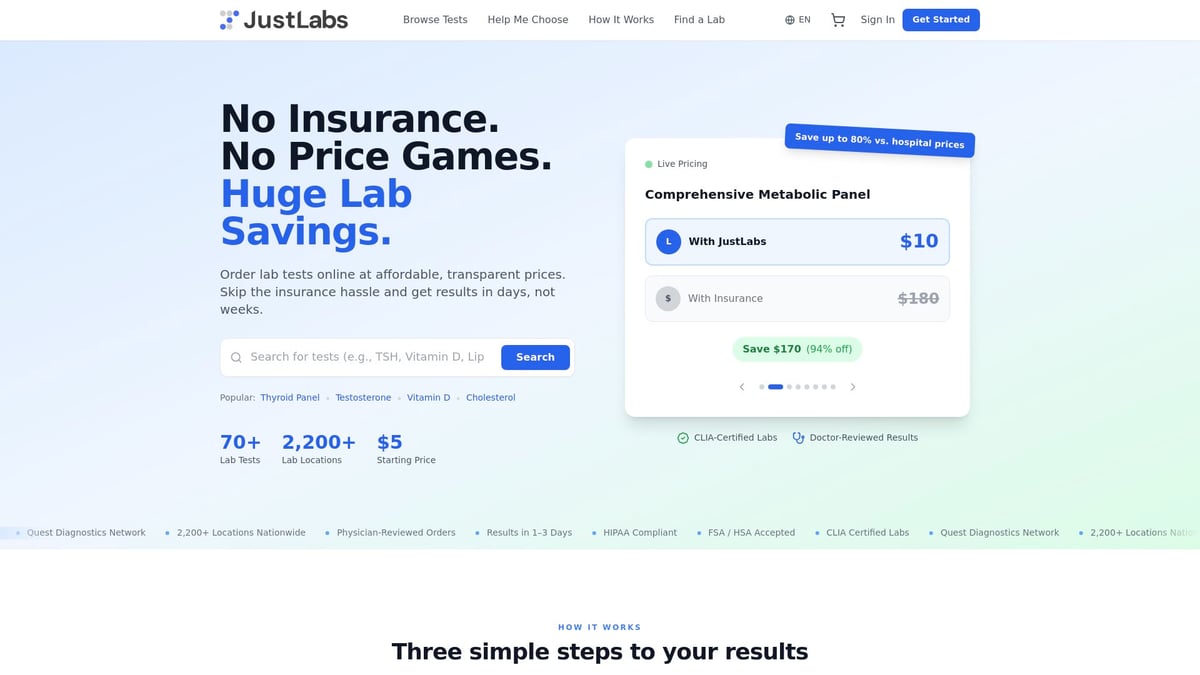
Results are typically delivered within one to three business days, and you can choose from thousands of collection sites. For those prioritizing convenience and affordability, online ordering is an excellent way to control your urine culture test cost without sacrificing quality.
Insurance Coverage and Reimbursement for Urine Culture Tests
Navigating insurance coverage for urine culture tests is essential for predicting your out-of-pocket costs. Understanding what is typically covered, how to handle copays and deductibles, and the process for reimbursement helps you make informed decisions about your healthcare spending.
What Insurance Plans Typically Cover
Most health insurance plans, including employer-sponsored and government programs like Medicare, typically cover urine culture tests when medically necessary. This means if you have symptoms of a urinary tract infection or a related condition, your provider will likely approve the test.
Coverage often extends to preventive screenings, such as those performed during pregnancy. However, your urine culture test cost may still depend on policy details like copays or deductibles. For those on Medicare, it is helpful to review the latest Medicare Guidelines for Bacterial Urine Culture Lab Tests to understand compliance and proper billing.
Always confirm that your test is considered medically necessary to ensure coverage.
Navigating Copays, Deductibles, and Out-of-Network Costs
Your urine culture test cost can vary significantly based on your insurance structure. In-network labs typically offer the lowest copays, which usually range from $10 to $40. Deductibles may apply, meaning you could pay more if your annual deductible has not been met.
If you use an out-of-network lab, expect higher out-of-pocket payments, which may not count toward your deductible. Some insurance plans also require prior authorization for certain tests. It is wise to check your plan’s benefits summary or contact customer service before scheduling your test to avoid unexpected expenses.
A quick comparison:
| Provider Type | Typical Copay | Deductible Applies? | Out-of-Network Risk |
|---|---|---|---|
| In-network Lab | $10–$40 | Sometimes | Low |
| Out-of-network Lab | $40+ | Often | High |
How to Verify Coverage in Advance
To minimize your urine culture test cost, verify your insurance coverage before testing. Contact your insurer and ask for a list of in-network labs. Request the specific CPT code for a urine culture, usually 87086, so you can confirm coverage for your situation.
Ask if pre-authorization is needed or if documentation of symptoms is required. You can also inquire about lab location requirements, as some plans restrict coverage to certain facilities. Always request written confirmation of coverage, which can protect you if billing issues arise later.
Taking these steps ahead of time can help you avoid denied claims and surprise bills.
Claiming Reimbursement for Self-Pay or Online Tests
If you pay out-of-pocket for a urine culture test, you may still be eligible for reimbursement. Obtain an itemized receipt and a copy of your lab report from the provider. Submit these documents to your insurance company or your FSA/HSA administrator for potential reimbursement.
Keep all receipts and paperwork for tax purposes, especially if you use pre-tax accounts. For online or direct-to-consumer tests, check with your insurance to confirm if reimbursement is allowed, as some plans have restrictions.
Understanding the steps for reimbursement can reduce your total urine culture test cost and help you maximize your healthcare benefits.
Step-by-Step: Getting a Urine Culture Test in 2026
Navigating the process of obtaining a urine culture test in 2026 can feel overwhelming, especially with costs and options evolving. By understanding each step, you can minimize your urine culture test cost and ensure a smooth experience from start to finish.
1. Confirm the Need for Testing
Start by discussing your symptoms or risk factors with a healthcare provider. Common signs include burning during urination, frequent urge to urinate, or unexplained fever. Your provider will help decide if a urine culture test is necessary, rather than a basic urinalysis.
Certain groups, such as pregnant women, people with diabetes, or those with recurrent urinary tract infections, are more likely to need this test. If you are comparing your urine culture test cost, knowing whether the test is medically indicated can make a difference in insurance coverage.
2. Choose a Testing Provider
Select the provider that best fits your needs and budget. Options include your primary care physician, urgent care centers, independent laboratories, or direct-to-consumer online lab platforms. Each provider offers different pricing, convenience, and sample collection methods.
For cost-conscious consumers, online lab platforms have become increasingly popular. These services let you order tests online and visit a local lab for sample collection, often at a lower urine culture test cost. To understand how online lab testing works and what to expect, see How JustLabs Works for Lab Testing.
3. Prepare for Sample Collection
Proper preparation ensures accurate test results. For a standard clean-catch urine sample, follow the provider’s hygiene instructions carefully to avoid contamination. This may include washing your hands and cleaning the genital area before collection.
Drink water beforehand so you can provide an adequate sample. If you are using an at-home collection kit, follow the packaging and shipping instructions exactly. This attention to detail can help prevent delays and additional urine culture test cost related to retesting.
4. Submit Sample and Await Results
Once your sample is collected, deliver it to the provider’s lab or mail it if using a home kit. Most labs process urine culture tests within 24 to 48 hours, though expedited options may be available for an extra fee.
Track your sample or keep your receipt as proof of submission. If your provider offers an online portal, you can check for updates. Staying informed ensures you are not surprised by any additional urine culture test cost related to processing or expedited services.
5. Review Results and Next Steps
Access your results either online, in person, or through your provider’s portal. If the test is positive, your provider will recommend an appropriate antibiotic based on the identified bacteria. Negative or inconclusive results may require follow-up testing or further evaluation.
Review your bill for all related charges, including sample collection or add-on tests. If you have questions about your urine culture test cost or insurance coverage, contact the provider’s billing department for clarification.
Key Takeaways
Understanding urine culture test cost is essential for making smart healthcare choices. Prices can vary widely depending on provider, insurance, and where you live.
Self-pay and online testing options can offer clear, upfront pricing and added convenience. Comparing providers, bundling tests, and paying with pre-tax funds through FSA and HSA Eligible Lab Tests can help lower your out-of-pocket costs.
Always verify insurance coverage and ask for itemized pricing before your test. Taking these steps puts you in control and helps you avoid unexpected expenses.
FAQ: Urine Culture Test Costs and Process
Wondering what to expect when it comes to urine culture test cost and the testing process? Here are the answers to the most common questions so you can feel confident and prepared.
What is the average cost of a urine culture test in 2026?
The urine culture test cost in 2026 is projected to range from $30 to $90 for self-pay patients. If you have insurance, your copay will usually fall between $10 and $40, depending on your plan and provider. High-end hospital pricing or additional testing can push costs higher. Always request an itemized quote in advance to avoid unexpected expenses.
Does insurance always cover urine culture tests?
Most insurance plans do cover urine culture test cost when the test is medically necessary. However, you may be responsible for a copay, deductible, or coinsurance. Coverage can vary, so it is important to check with your insurer about your specific plan details and requirements before scheduling the test.
Can I order a urine culture test online?
Yes, you can order a urine culture test online through direct-to-consumer lab platforms. These services offer transparent pricing and allow you to schedule sample collection at a local lab or use an at-home kit. This approach is ideal for those who want to manage their own healthcare and keep urine culture test cost predictable.
How long does it take to get results?
Most urine culture test results are available within 24 to 48 hours after the lab receives your sample. Some providers offer expedited processing for an additional fee. If you order online, you will typically receive results via a secure portal or email notification as soon as they are ready.
What if my test result is positive?
If your urine culture test comes back positive, it means there is significant bacterial growth indicating infection. Contact your healthcare provider, who will review your results and recommend the appropriate antibiotics or further testing. Follow-up may be necessary to confirm that the infection has cleared after treatment.
Are at-home urine culture tests reliable?
At-home urine culture tests are generally reliable when handled correctly. Most kits instruct you on proper sample collection and use accredited labs for analysis. To ensure accurate results, carefully follow all instructions and mailing guidelines provided with your kit.
Can I use my FSA/HSA to pay for the test?
Yes, urine culture test cost is eligible for payment with FSA or HSA funds. Be sure to request an itemized receipt and lab documentation from your provider. This documentation will be necessary for reimbursement or tax purposes, making the process smooth and compliant.
How can I avoid surprise bills?
To avoid unexpected urine culture test cost, always ask for upfront pricing and verify your insurance coverage before testing. Request a detailed list of all potential fees, including collection, processing, and follow-up charges. Choosing in-network providers and confirming eligibility for discounts or bundled pricing can also help you save.
As you navigate the changing landscape of healthcare costs, having access to clear information and transparent pricing is essential—especially for something as important as a urine culture test. With Justlabs, you have the flexibility to order lab tests online, skip unnecessary doctor visits, and get results quickly, all while knowing exactly what you’ll pay upfront. If you’re ready to take control of your health and budget in 2026, why not explore your options and see how easy it is to find the right test for your needs? Start by Browsing Tests today.