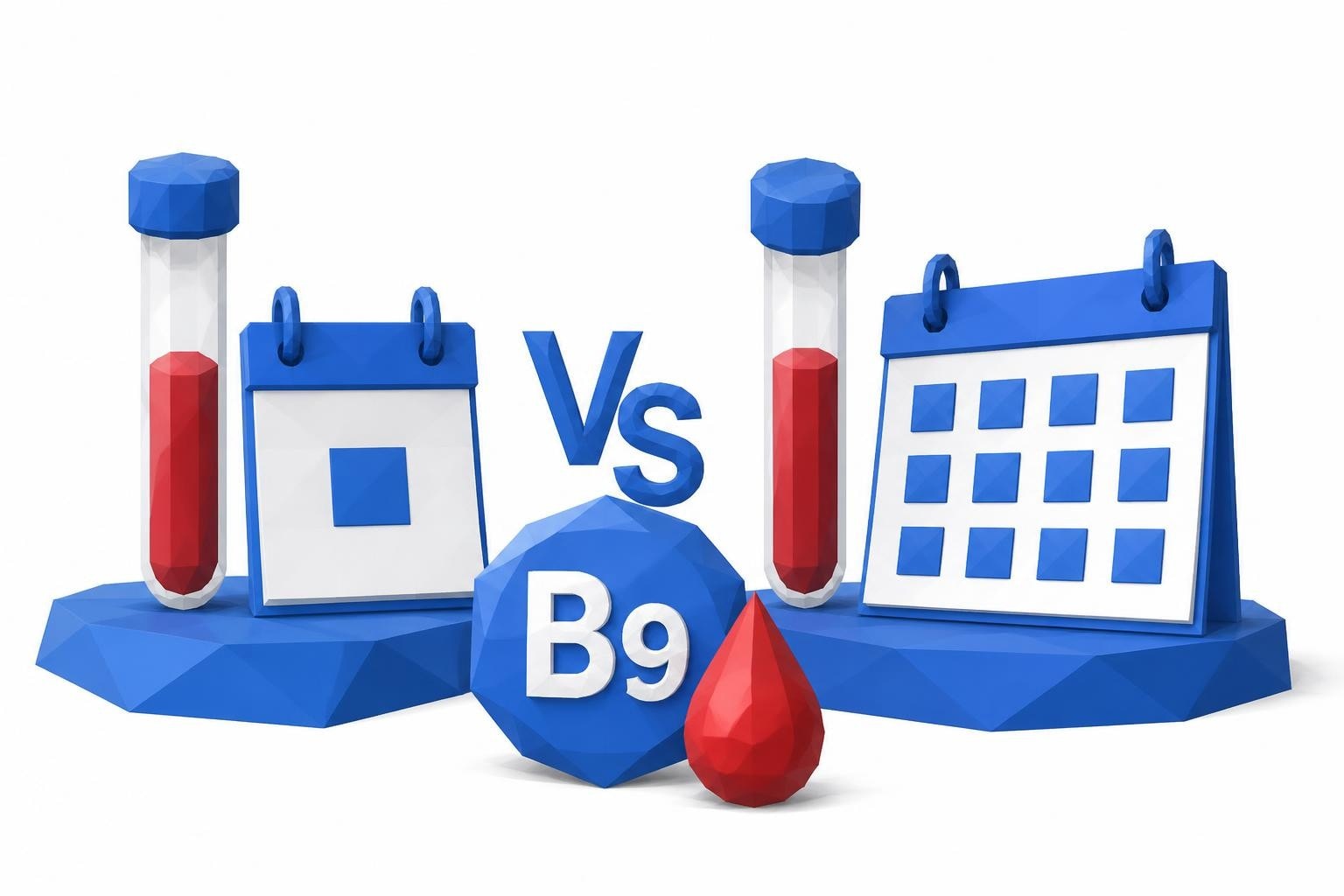
Understanding your folate status is essential for overall health, but choosing between available testing options can be confusing. When evaluating vitamin B9 levels, healthcare providers typically rely on two distinct measurements: serum folate and red blood cell (RBC) folate. Each test provides unique insights into your body's folate stores and serves different diagnostic purposes. Whether you're concerned about deficiency, monitoring nutritional status, or assessing long-term folate adequacy, knowing the difference between these tests helps you make informed decisions about your health screening needs.
What Each Test Actually Measures
Serum folate measures the amount of vitamin B9 circulating in your blood plasma at the time of testing. This measurement reflects your recent dietary intake and supplementation, providing a snapshot of your current folate availability. The test captures folate that's readily available for immediate cellular use, making it highly responsive to recent changes in nutrition.
RBC folate, conversely, measures the folate concentration inside your red blood cells. Since red blood cells incorporate folate during their formation and maintain that level throughout their approximately 120-day lifespan, this test reflects your body's folate status over the previous three to four months. Understanding RBC folate and serum folate testing differences helps clarify which measurement best suits your specific health concerns.
Time Period Reflected by Each Test
The temporal distinction between serum folate versus RBC folate represents their most significant difference:
- Serum folate: Reflects folate status from the past few days to weeks
- RBC folate: Indicates folate status over the past 2-4 months
- Serum measurements: Change rapidly with dietary modifications
- RBC measurements: Remain stable despite short-term dietary fluctuations
This temporal variance makes each test valuable for different clinical scenarios. When you need to assess whether recent dietary changes or supplementation has improved your folate levels, serum testing provides immediate feedback. However, when evaluating chronic deficiency or long-term nutritional adequacy, RBC folate offers a more reliable picture.

Clinical Applications and Use Cases
Healthcare providers select between these tests based on specific diagnostic goals and clinical presentations. Each measurement type excels in particular situations, and sometimes both tests are ordered simultaneously for comprehensive assessment.
When Serum Folate Testing Is Most Useful
Serum folate testing works best for monitoring recent interventions and detecting acute changes. Patients who recently started folate supplementation can verify absorption and compliance within weeks rather than months. This test also helps identify individuals with marginal folate intake who may be at risk for deficiency before tissue stores become depleted.
Key situations favoring serum folate measurement include:
- Assessing response to recent dietary changes or supplementation
- Screening populations with suspected acute nutritional deficiencies
- Evaluating medication effects on folate metabolism
- Quick assessment when time-sensitive decisions are needed
When RBC Folate Testing Provides Better Information
RBC folate serves as the gold standard for assessing tissue folate stores and identifying true chronic deficiency. Because this measurement isn't affected by yesterday's meal or last week's vitamin intake, it provides a more accurate reflection of your body's actual folate reserves. Research on serum and RBC folate concentrations in population studies demonstrates that RBC folate correlates more closely with tissue folate status and long-term health outcomes.
RBC folate testing is preferred when:
- Diagnosing chronic folate deficiency or anemia
- Assessing long-term nutritional status in high-risk populations
- Evaluating tissue folate stores before pregnancy
- Monitoring patients with malabsorption conditions
- Following up on previous deficiency treatment after several months
Understanding Reference Ranges and Optimal Levels
Both tests use different measurement units and reference ranges, which can complicate interpretation. Standard laboratory ranges indicate values where most healthy individuals fall, but these may differ from functionally optimal levels that support peak health.
| Test Type | Typical Reference Range | Measurement Unit | Optimal Target |
|---|---|---|---|
| Serum Folate | 2.7-17.0 ng/mL | Nanograms per milliliter | >10 ng/mL |
| RBC Folate | 140-628 ng/mL | Nanograms per milliliter | >400 ng/mL |
The distinction between optimal versus normal ranges matters significantly for preventive health. While you may technically fall within the reference range, achieving optimal levels supports better neurological function, cardiovascular health, and cellular metabolism. Many functional medicine practitioners target the upper half of reference ranges for optimal wellness.
Interpreting Your Results
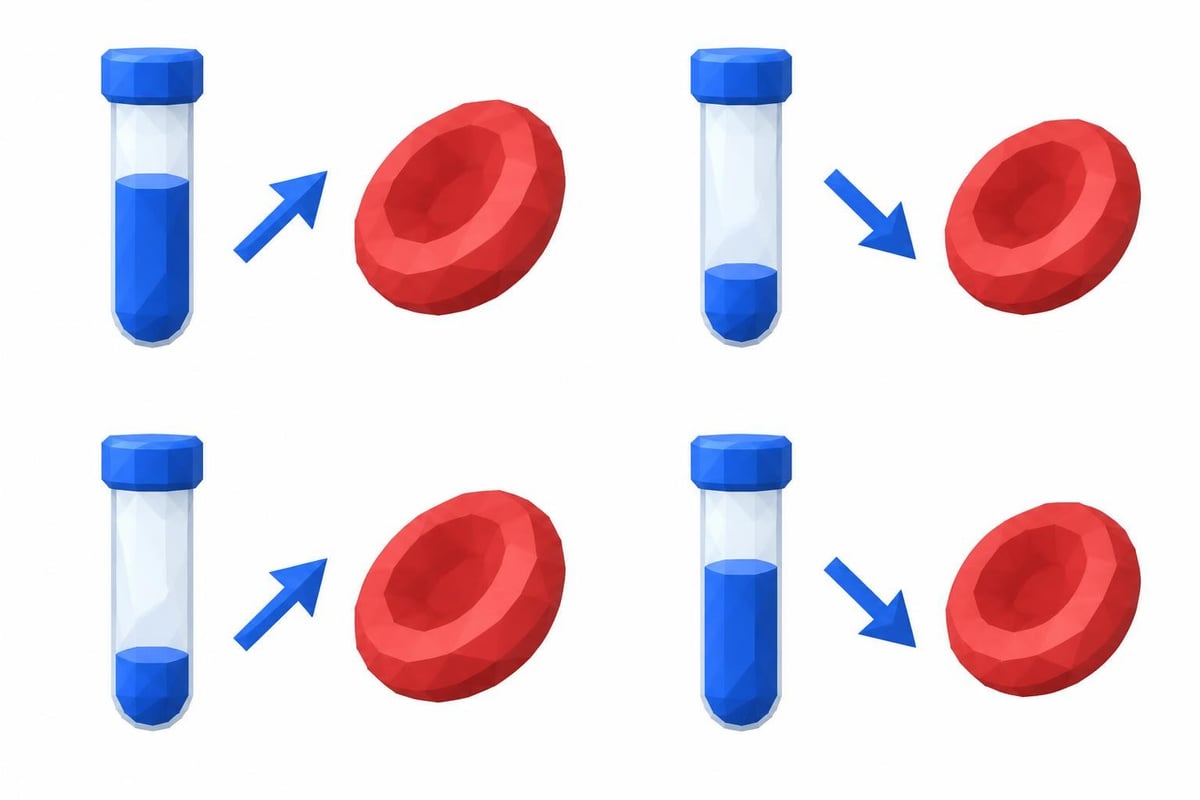
When reviewing folate test results, context matters enormously. A low serum folate with normal RBC folate suggests recent dietary insufficiency without long-term depletion. Conversely, normal serum folate with low RBC folate may indicate someone who recently improved their diet but still has depleted tissue stores requiring continued supplementation.
Understanding population reference ranges for RBC folate by age and demographic factors helps you contextualize your individual results. Certain life stages and conditions increase folate requirements, making what's normal for one person inadequate for another.
Factors Affecting Test Results
Multiple variables can influence your folate measurements, and understanding these factors helps you prepare appropriately for testing and interpret results accurately.
Dietary and Supplement Considerations
Your food intake in the days before testing dramatically affects serum folate but has minimal impact on RBC measurements. Consuming folate-rich foods like leafy greens, fortified cereals, or legumes can elevate serum levels within hours. If you're taking folic acid supplements, they'll quickly increase serum concentrations but require months to fully replenish RBC folate.
Timing considerations for accurate testing:
- Avoid starting supplements immediately before serum testing if baseline measurement is needed
- Fast for 8-12 hours before testing for most consistent results
- Inform your provider about all supplements and fortified foods consumed
- Consider both tests if you recently changed your diet or supplementation
Medical Conditions and Medications
Certain health conditions and medications interfere with folate absorption, metabolism, or test accuracy. Individuals with celiac disease, Crohn's disease, or other malabsorption disorders may show discrepancies between serum and RBC folate levels. Medications like methotrexate, sulfasalazine, and some anticonvulsants can deplete folate stores or interfere with measurements.
Alcohol consumption significantly affects both tests, with chronic use depleting folate stores and acute consumption potentially interfering with test accuracy. Kidney disease also complicates interpretation, as impaired renal function may affect folate metabolism and clearance.
Choosing the Right Test for Your Situation
Selecting between serum folate versus RBC folate depends on your specific health goals, risk factors, and what information you need. When ordering lab tests online, consider these decision factors carefully.
For General Wellness Screening
If you're simply monitoring your nutritional status as part of routine wellness care, RBC folate typically provides more valuable information. This measurement tells you whether your body has adequate folate reserves to support ongoing cellular functions, DNA synthesis, and methylation processes. It's particularly relevant if you're planning pregnancy, managing chronic health conditions, or optimizing your nutrition for longevity.
For Monitoring Recent Changes
When you've recently modified your diet, started taking supplements, or made other nutritional interventions, serum folate offers faster feedback. This approach helps you confirm that your changes are working without waiting months for RBC folate to reflect improvements. You might choose to test serum folate initially, then follow up with RBC folate testing after three to four months to verify that tissue stores have adequately replenished.
For Comprehensive Assessment
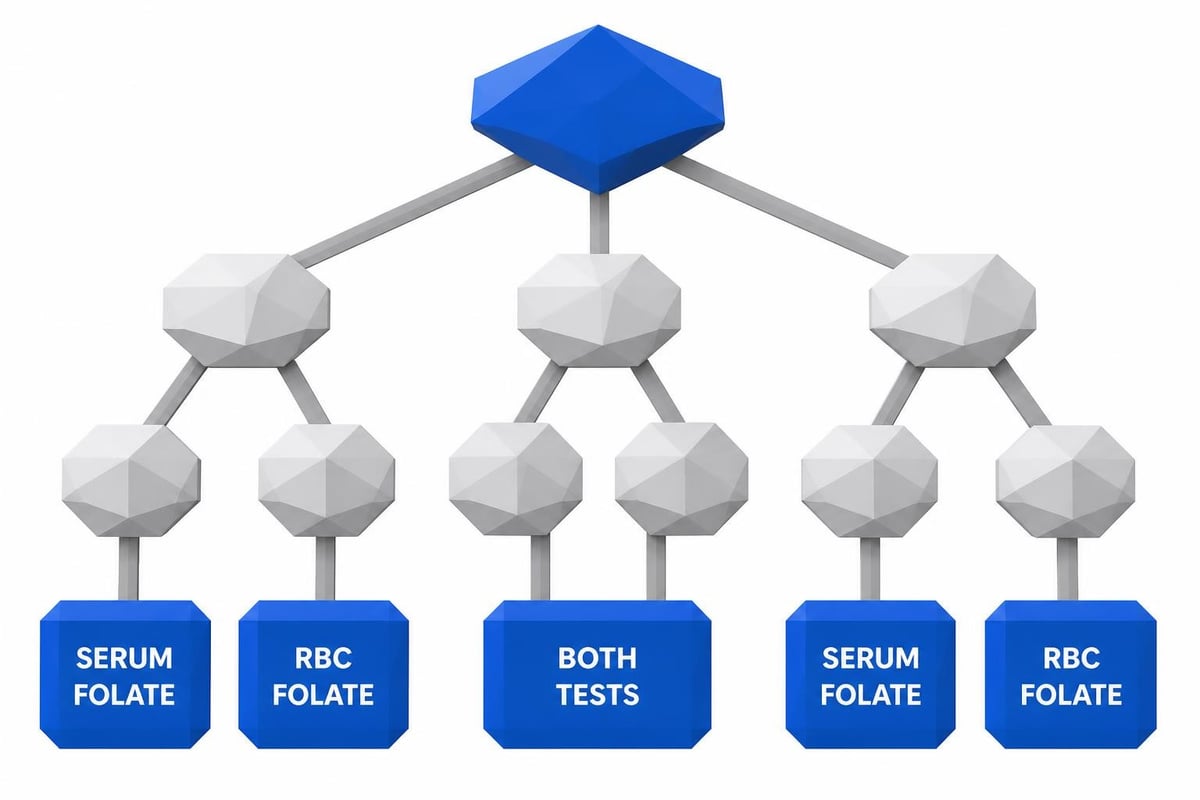
Many healthcare providers recommend ordering both tests simultaneously for the most complete picture, especially when investigating suspected deficiency or unexplained symptoms. The comprehensive approach to folate status assessment provides insights that neither test alone can offer, revealing both current availability and long-term stores.
| Clinical Scenario | Recommended Test | Reasoning |
|---|---|---|
| Suspected chronic deficiency | RBC Folate | Better reflects tissue stores |
| Recent supplement verification | Serum Folate | Shows immediate response |
| Pre-conception planning | Both | Complete status assessment |
| Anemia workup | RBC Folate | More specific for deficiency anemia |
| Malabsorption concerns | Both | Reveals absorption patterns |
Special Populations and Considerations
Certain groups have unique folate needs and testing considerations that influence which test provides the most valuable information.
Women Planning Pregnancy
Adequate folate status before conception is critical for preventing neural tube defects and supporting healthy fetal development. For women planning pregnancy, RBC folate testing offers the most relevant information because it reflects tissue stores available during early pregnancy when neural tube development occurs. The optimal target for women of childbearing age typically exceeds standard reference ranges, with many experts recommending RBC folate above 400 ng/mL.
Older Adults and Chronic Conditions
Elderly individuals and those with chronic health conditions may benefit from regular RBC folate monitoring. Age-related changes in absorption, medication use, and dietary patterns can gradually deplete folate stores without obvious symptoms. Learning how to improve folate levels becomes increasingly important with advancing age.
Individuals with Genetic Variations
People with MTHFR gene variations may process folate differently, potentially requiring higher intake or specific forms of supplementation. For these individuals, RBC folate testing helps determine whether their methylation support strategy adequately maintains tissue stores, regardless of serum levels.
Cost and Accessibility Considerations
The financial aspect of testing influences many people's decisions, particularly when paying out of pocket. Understanding how lab testing works without insurance helps you budget appropriately while getting the information you need.
Both serum and RBC folate tests are widely available through traditional healthcare channels and direct-access laboratory services. Prices vary significantly depending on whether you go through insurance or self-pay options. Direct-access testing often provides transparent pricing and faster results, with most folate tests returning within one to three days.
Practical considerations when choosing your testing approach:
- Self-pay options may cost less than insurance copays and deductibles
- Bundled vitamin panels sometimes include both folate measurements at reduced cost
- Repeat testing to monitor treatment may be more affordable through direct-access services
- Consider testing frequency needs when comparing total costs
Making the Most of Your Test Results
Getting tested represents just the first step in optimizing your folate status. The real value comes from understanding and acting on your results appropriately.
Working with Your Results
Once you receive your folate measurements, compare them not just to reference ranges but to optimal targets for your specific situation. If levels fall short, work with a healthcare provider to develop an appropriate intervention strategy. This might include dietary modifications, supplementation, addressing underlying absorption issues, or managing medications that interfere with folate metabolism.
Resources explaining optimal folate levels can help you interpret whether your results support your health goals or require attention. Remember that achieving optimal status often takes time, particularly when rebuilding depleted RBC folate stores.
Follow-Up Testing Timeline
If initial results show deficiency or suboptimal levels, appropriate follow-up testing helps verify that your intervention strategy works effectively. After starting supplementation or dietary changes:
- Retest serum folate after 4-6 weeks to confirm absorption and compliance
- Retest RBC folate after 3-4 months to assess tissue repletion
- Continue monitoring periodically if you have ongoing risk factors
- Consider annual screening for maintenance once optimal levels are achieved
Integrating Folate Testing into Comprehensive Health Management
Folate status doesn't exist in isolation but interacts with other nutrients and health markers. Vitamin B12, in particular, works closely with folate in methylation and DNA synthesis. Deficiency in one can mask or exacerbate deficiency in the other, making comprehensive nutritional assessment valuable.
When reviewing your available test options, consider panels that include multiple B vitamins, homocysteine, and other relevant markers. This broader perspective helps identify patterns and relationships that single measurements might miss.
The convenience of modern lab testing allows you to take a proactive approach to health monitoring without navigating complex insurance requirements or scheduling multiple doctor appointments. Understanding the distinction between serum folate versus RBC folate empowers you to select tests that provide meaningful information for your specific situation and health goals.
Understanding the difference between serum folate versus RBC folate helps you choose the right test for your needs, whether you're monitoring recent dietary changes or assessing long-term nutritional status. Both measurements provide valuable insights, with serum folate reflecting recent intake and RBC folate indicating tissue stores over several months. JustLabs makes it easy to access both types of folate testing with transparent pricing, no doctor's visit required, and results delivered within 1-3 days, giving you the information you need to optimize your health on your own terms.