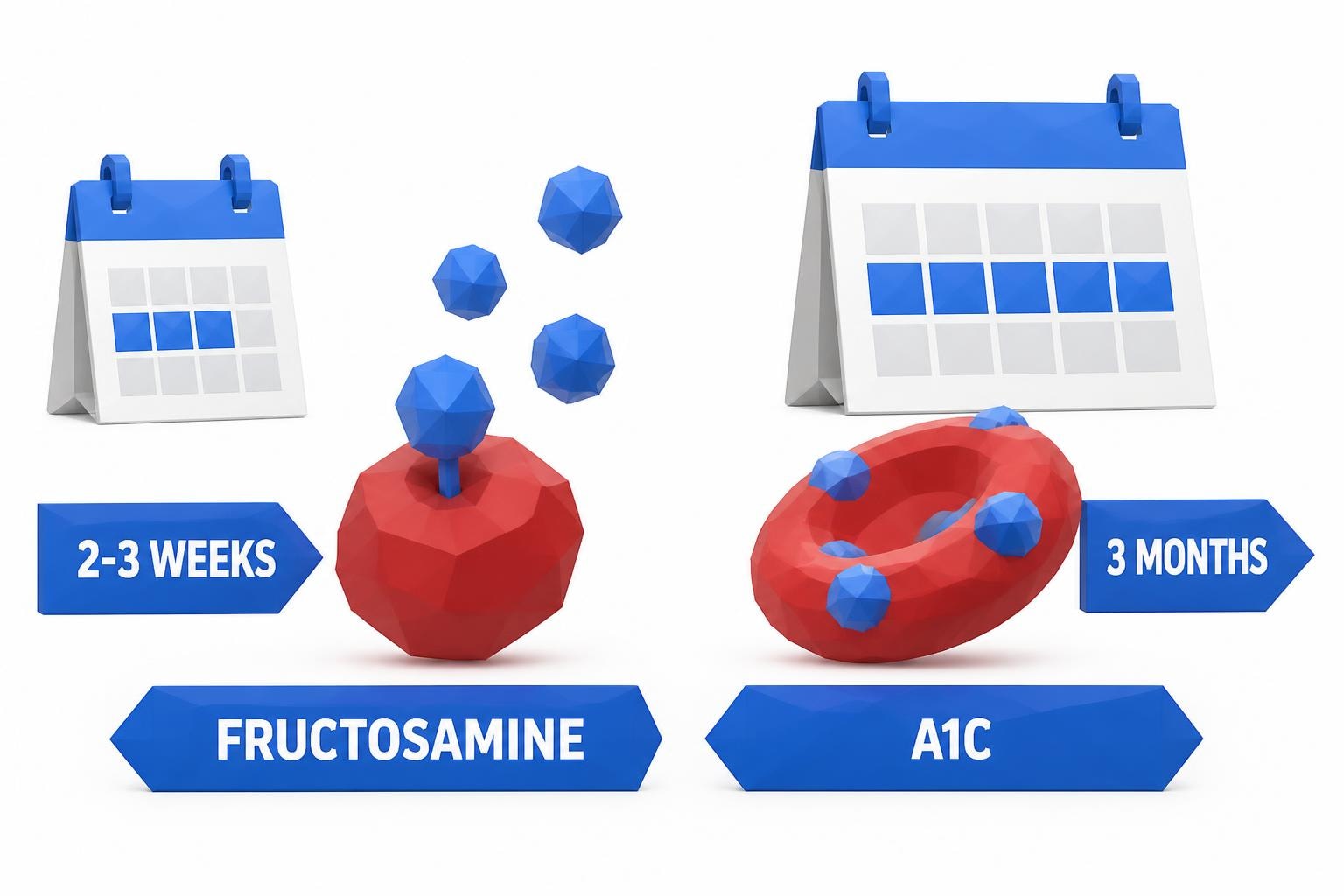
Monitoring blood sugar levels remains essential for people with diabetes and those at risk of developing metabolic conditions. While the A1C test has become the gold standard for assessing long-term glucose control, it doesn't work well for everyone. Fructosamine testing offers a valuable alternative, providing insights into glucose levels over a shorter timeframe of two to three weeks. This biomarker proves particularly useful when A1C results may be unreliable or when healthcare providers need to assess more recent changes in blood sugar management.
What Is Fructosamine and How Does It Form
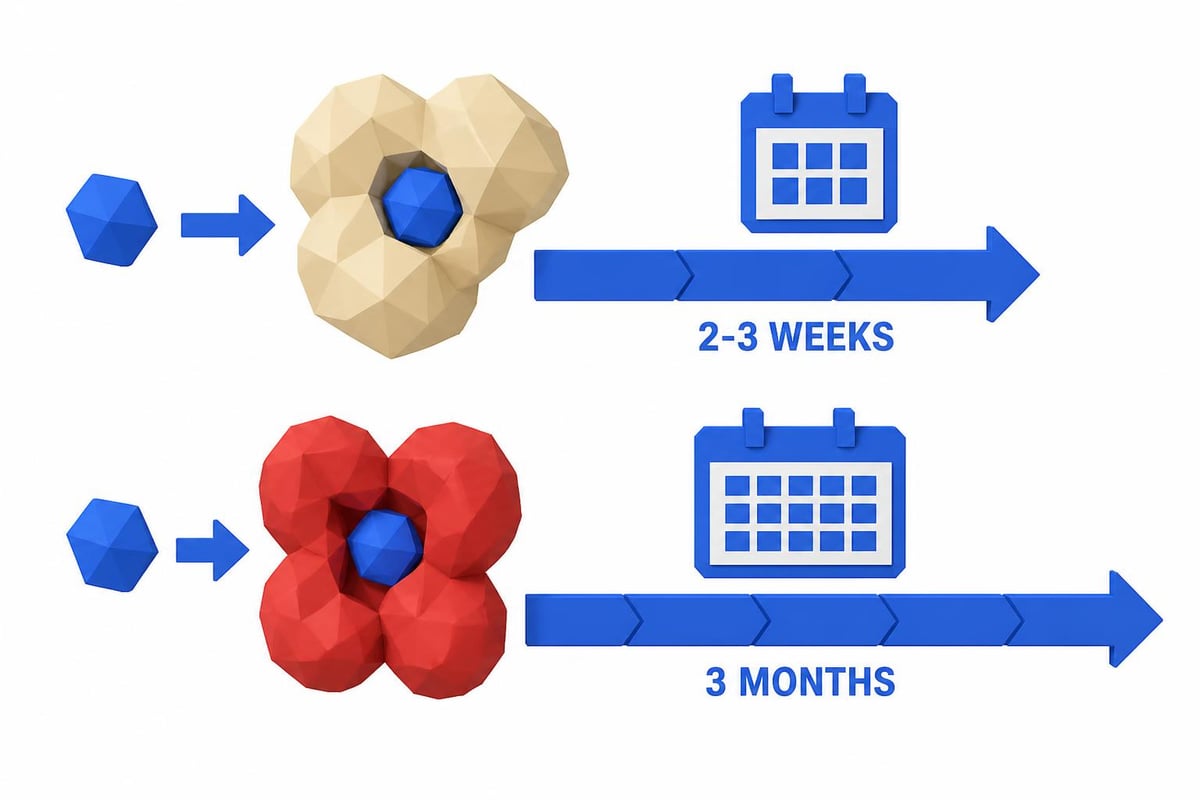
Fructosamine represents a group of compounds created when glucose molecules bind to proteins in the bloodstream through a process called glycation. Unlike hemoglobin A1C, which specifically measures glucose attached to hemoglobin in red blood cells, fructosamine primarily reflects glucose bound to albumin and other serum proteins.
The formation process occurs naturally and continuously in everyone's blood. When glucose concentrations rise, more sugar molecules attach to circulating proteins. This non-enzymatic reaction happens at a rate proportional to the average glucose concentration present in the blood.
The Chemistry Behind Protein Glycation
The glycation process begins with a reversible reaction between glucose and amino groups on proteins. Over time, this initial bond can rearrange into more stable compounds. According to research on the chemistry and biological properties of fructosamine, these glycated proteins serve as reliable markers of glucose exposure over specific timeframes.
Because albumin has a shorter half-life than hemoglobin (approximately 14-21 days versus 120 days), fructosamine levels reflect more recent glucose control. This shorter window makes the test responsive to changes in diabetes management or treatment adjustments.
When Fructosamine Testing Provides Better Information Than A1C
Several clinical scenarios make fructosamine the preferred biomarker for glucose monitoring. Understanding these situations helps patients and providers choose the most appropriate test.
Key situations favoring fructosamine testing:
- Anemia or blood disorders affecting red blood cell lifespan
- Recent blood transfusions that alter hemoglobin levels
- Hemoglobin variants that interfere with A1C measurement
- Pregnancy requiring tight glucose monitoring
- Rapid treatment adjustments needing short-term feedback
Conditions Affecting Red Blood Cell Turnover
Anything that shortens or extends red blood cell survival can make A1C results misleading. Iron deficiency anemia, hemolytic anemia, and chronic kidney disease all affect how long red blood cells circulate. When red blood cells live shorter than normal, A1C values appear falsely low. Conversely, conditions that prolong red blood cell survival can artificially elevate A1C results.
The clinical overview from Medscape emphasizes how fructosamine bypasses these complications entirely by measuring protein glycation rather than hemoglobin glycation. This makes it particularly valuable for patients with complex medical histories.
Reference Ranges and Interpreting Fructosamine Results
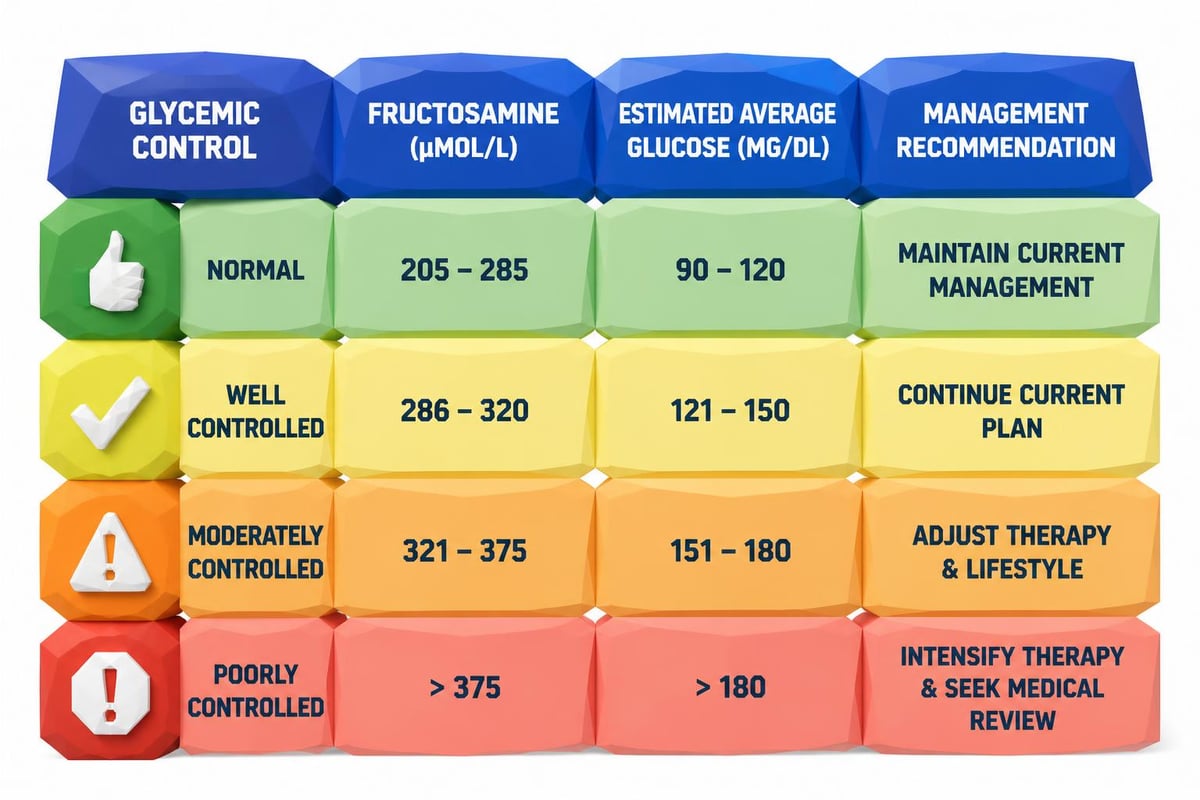
Standard reference ranges for fructosamine typically fall between 200-285 micromoles per liter (µmol/L) for adults without diabetes. However, laboratories may use slightly different ranges based on their testing methods and population studies.
Converting Fructosamine Values to Estimated Average Glucose
Healthcare providers often correlate fructosamine levels with estimated average glucose to help patients understand their results in familiar terms. While no perfect conversion exists, general patterns emerge:
| Fructosamine Level (µmol/L) | Glucose Control Status | Approximate Average Glucose |
|---|---|---|
| 200-285 | Normal/Good control | 70-155 mg/dL |
| 286-320 | Fair control | 156-210 mg/dL |
| 321-370 | Poor control | 211-270 mg/dL |
| >370 | Very poor control | >270 mg/dL |
Research establishing community-based reference intervals has refined our understanding of normal fructosamine ranges across different populations. These studies help laboratories provide more accurate interpretations.
Values above the normal range indicate higher average glucose levels over the preceding two to three weeks. Rising fructosamine suggests inadequate glucose control, while decreasing values indicate improvement in diabetes management.
Advantages of Short-Term Glucose Monitoring
The two to three week measurement window offers distinct benefits for specific monitoring needs. This timeframe fills an important gap between daily glucose checks and quarterly A1C testing.
Primary advantages include:
- Faster feedback on treatment changes - Adjustments to medication, diet, or exercise show results within weeks rather than months
- Pregnancy monitoring - Provides multiple assessments throughout each trimester when glucose control is critical
- Acute illness management - Tracks glucose during hospitalization or severe illness when rapid changes occur
- Initial diagnosis confirmation - Offers additional data points when establishing a diabetes diagnosis
Monitoring Treatment Adjustments in Real Time
When healthcare providers modify diabetes medications or insulin regimens, waiting three months for A1C results delays important decisions. Fructosamine testing allows assessment after just two to three weeks, enabling faster optimization of treatment plans.
For individuals ordering lab tests without insurance, fructosamine provides a cost-effective way to monitor recent changes without waiting for the next quarterly A1C check. This accessibility supports more proactive diabetes management.
Sample Collection and Testing Requirements
Understanding specimen requirements helps ensure accurate fructosamine results. The test requires a standard blood draw, similar to most routine lab work.
According to information from NHS testing protocols, the test typically uses serum samples collected in standard tubes. No special preparation or fasting is required, making it convenient for patients.
Factors That Can Affect Test Accuracy
Several conditions may influence fructosamine measurements and should be considered when interpreting results:
- Low albumin levels (hypoalbuminemia) can artificially lower fructosamine values
- Thyroid disorders may affect protein metabolism and glycation rates
- High doses of vitamin C can interfere with some testing methods
- Severe liver disease impacts albumin production and turnover
Patients should inform their healthcare providers about medications, supplements, and existing health conditions before testing. This context helps ensure appropriate interpretation of results.
Comparing Fructosamine with Other Glycemic Markers
Multiple biomarkers exist for monitoring glucose control, each with specific strengths and limitations. Understanding how fructosamine compares helps determine the best testing strategy.
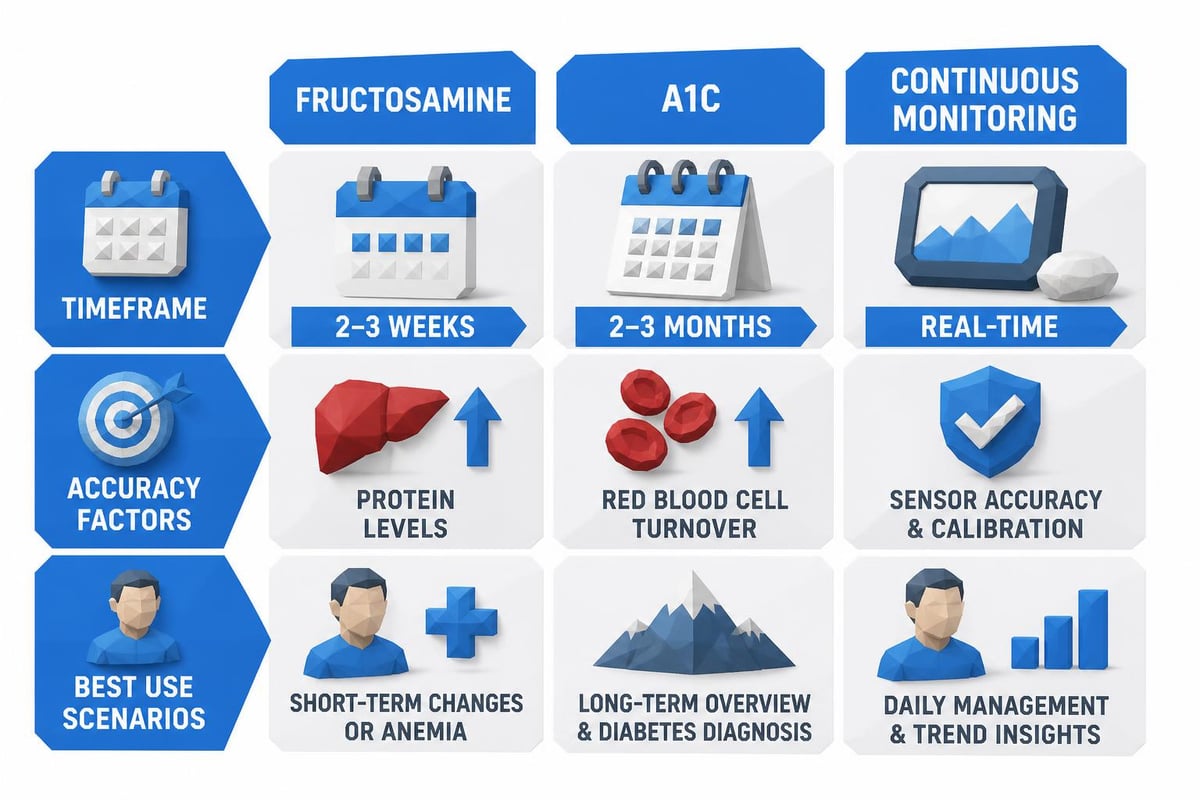
| Test | Time Period Measured | Best Use Cases | Limitations |
|---|---|---|---|
| Fructosamine | 2-3 weeks | Rapid treatment changes, pregnancy, anemia | Affected by albumin levels |
| A1C | 2-3 months | Long-term glucose control | Inaccurate with blood disorders |
| Glycated Albumin | 2-3 weeks | Similar to fructosamine | Less widely available |
| Continuous Glucose Monitoring | Real-time to weeks | Trend analysis, pattern recognition | Requires device, higher cost |
The choice between these options depends on individual circumstances, medical history, and monitoring goals. Recent studies on fructosamine and its derivatives continue to refine our understanding of how these markers complement each other in comprehensive diabetes care.
Cost Considerations and Accessibility
Cost often influences which tests people can access regularly. Understanding lab test pricing helps patients plan their monitoring strategy within budget constraints.
Many people find that alternating between different tests provides comprehensive monitoring at reasonable costs. For example, quarterly A1C testing supplemented with fructosamine checks when needed offers both long-term and short-term perspectives on glucose control.
Clinical Applications in Special Populations
Certain patient groups benefit particularly from fructosamine monitoring due to unique physiological circumstances or monitoring requirements.
Pregnancy and Gestational Diabetes
Pregnant women require careful glucose monitoring because even mild elevations can affect fetal development. The physiological changes of pregnancy, including increased red blood cell turnover, can make A1C less reliable.
Fructosamine testing every two to three weeks provides timely feedback on glucose control throughout each trimester. This frequent monitoring helps healthcare providers make rapid adjustments to maintain optimal glucose levels during this critical period.
Patients with Hemoglobin Variants
Genetic variations in hemoglobin structure affect how accurately A1C tests measure glucose. Common variants include hemoglobin S (sickle cell trait), hemoglobin C, and hemoglobin E.
Testing guidance from Leeds Teaching Hospitals notes that fructosamine provides reliable glucose monitoring for these individuals when A1C results may be falsely elevated or lowered due to their hemoglobin variant.
Understanding Test Limitations and Interpretation Challenges
No single test perfectly captures all aspects of glucose control. Recognizing fructosamine's limitations ensures appropriate use and interpretation.
Important limitations to consider:
- Cannot distinguish between fasting and post-meal glucose elevations
- Less standardized across laboratories compared to A1C
- Affected by conditions that alter protein metabolism
- May not correlate precisely with A1C in all individuals
When Multiple Tests Provide Conflicting Information
Occasionally, fructosamine and A1C results appear inconsistent. This discordance usually reflects the different timeframes measured or the influence of conditions affecting one test but not the other.
For individuals managing their health through self-directed lab testing, understanding these nuances helps avoid confusion. When results seem contradictory, consulting with a healthcare provider helps interpret the findings within the full clinical context.
Frequency of Testing and Monitoring Strategies
How often someone should test fructosamine depends on their specific situation and glucose management goals. No universal schedule fits everyone.
- New diabetes diagnosis - Monthly for the first three months while establishing treatment
- Stable, well-controlled diabetes - Every three to six months or as needed
- Treatment adjustments - Two to three weeks after changes
- Pregnancy with diabetes - Every two to four weeks throughout gestation
- Unstable control or complications - As frequently as weekly during intensive management
Creating a Comprehensive Monitoring Plan
Effective glucose monitoring often combines multiple approaches. Daily fingerstick checks or continuous glucose monitors track immediate patterns, while periodic lab tests like fructosamine and A1C assess broader trends.
Many people appreciate the convenience of understanding lab results independently, which empowers more active participation in their healthcare. This knowledge helps identify when results warrant discussion with healthcare providers versus when they confirm stable control.
Fructosamine Testing in Research and Future Developments
Scientific investigation continues to expand our understanding of fructosamine's role in diabetes care and metabolic health. Researchers explore how this biomarker might predict complications, guide personalized treatment, and improve outcomes.
Emerging applications include using fructosamine to assess diabetes risk in prediabetic individuals and monitoring glucose control in people using newer diabetes medications. Studies also investigate whether fructosamine measurements can help predict cardiovascular risk and other diabetes-related complications.
Integration with Digital Health Technologies
The growing availability of direct-to-consumer lab testing aligns with broader trends toward patient-centered care. People increasingly seek affordable and transparent lab services that don't require insurance authorization or physician orders for routine monitoring.
This democratization of health information enables more frequent monitoring when clinically appropriate. For those managing chronic conditions like diabetes, accessible testing supports better self-management and earlier detection of concerning trends.
Practical Considerations for Ordering Fructosamine Tests
Obtaining fructosamine testing has become more straightforward as awareness of this biomarker grows. Understanding the ordering process helps ensure timely access when needed.
Insurance Coverage and Out-of-Pocket Costs
Insurance coverage for fructosamine testing varies by plan and medical necessity. Some insurers require documentation showing why A1C is inappropriate before approving fructosamine tests. Others may classify it as experimental for certain indications.
For individuals with high-deductible health plans or those seeking testing outside insurance parameters, self-pay options provide an alternative. Many find that FSA and HSA eligible tests allow them to use pre-tax dollars for glucose monitoring, reducing effective costs.
Turnaround Time and Results Delivery
Most fructosamine tests provide results within one to three days after sample collection. This relatively quick turnaround supports timely clinical decisions, especially when monitoring treatment changes or pregnancy.
Understanding what to expect helps reduce anxiety while waiting for results. The faster turnaround compared to some specialized tests makes fructosamine practical for time-sensitive monitoring situations.
Combining Fructosamine with Other Health Assessments
Comprehensive metabolic health assessment often involves multiple biomarkers beyond glucose monitoring alone. Understanding how fructosamine fits within broader health screening provides valuable context.
People monitoring diabetes often benefit from periodic assessment of cholesterol levels through lipid panel testing, kidney function markers, and liver enzymes. These additional tests help identify diabetes-related complications early when intervention proves most effective.
Similarly, some individuals monitoring fructosamine also track vitamin D status, thyroid function, or hormone levels depending on their complete health picture. This integrated approach supports holistic health management rather than focusing narrowly on glucose alone.
Fructosamine testing provides valuable insights into short-term glucose control, filling an important gap when A1C proves unreliable or when rapid feedback on treatment changes is needed. This biomarker offers particular benefits for people with anemia, hemoglobin variants, pregnancy, or those requiring frequent monitoring. Whether you're managing diabetes, monitoring treatment adjustments, or seeking comprehensive metabolic assessment, Justlabs makes accessing fructosamine and other important lab tests simple and affordable, with transparent pricing and results delivered within days-no insurance or doctor's visit required.