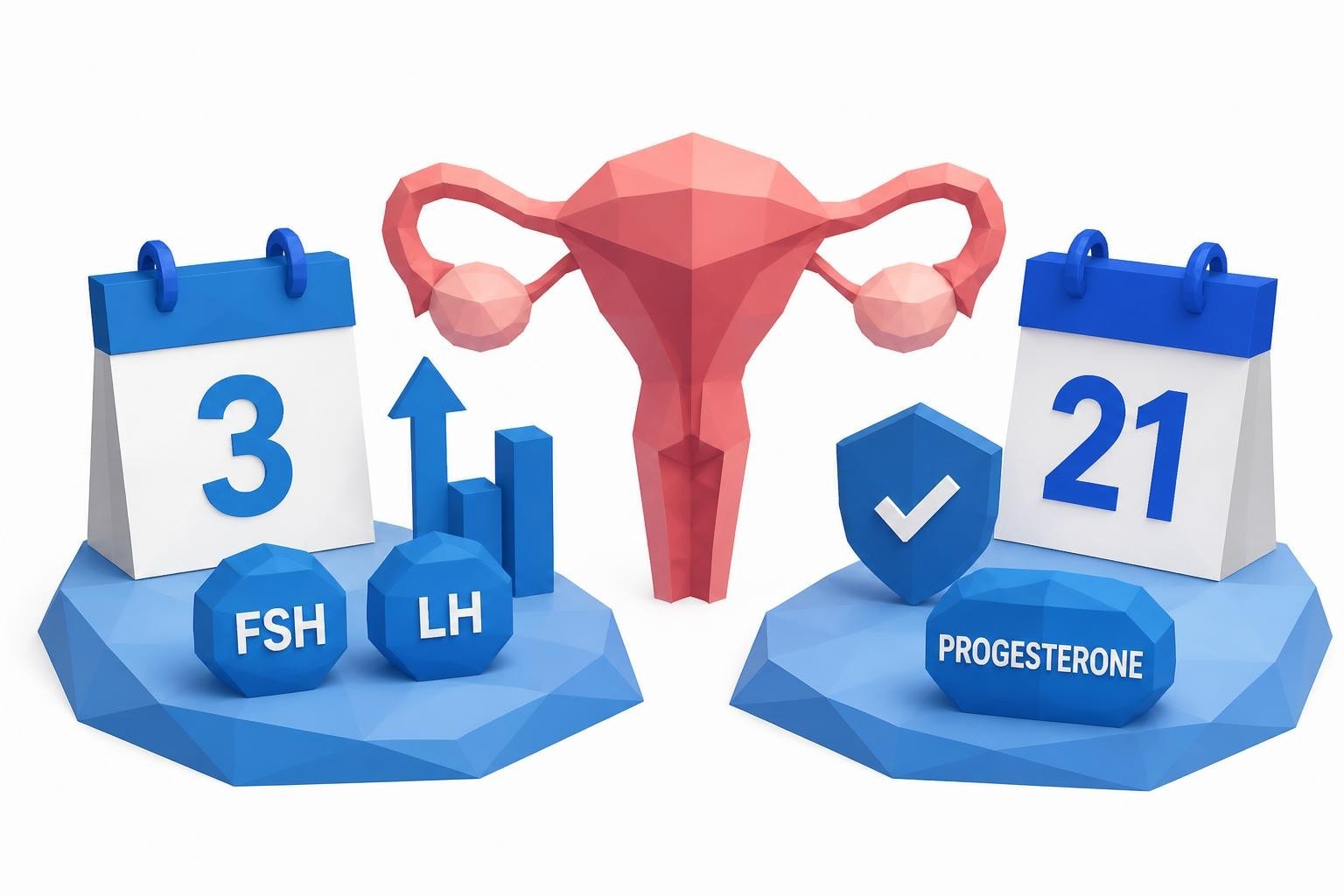
Understanding your hormone levels is essential for making informed decisions about your reproductive health, fertility, and overall wellbeing. A progesterone lab test measures the amount of this critical hormone in your bloodstream, providing valuable insights that can guide medical decisions and lifestyle changes. Whether you're tracking fertility, investigating menstrual irregularities, or monitoring pregnancy, progesterone testing offers actionable data without requiring a traditional doctor visit.
Big picture
- Progesterone is a hormone primarily produced by the ovaries that regulates the menstrual cycle, supports pregnancy, and plays roles in bone health and mood regulation
- Testing measures blood levels to evaluate ovulation, diagnose fertility issues, monitor pregnancy complications, assess menopause status, and investigate irregular periods
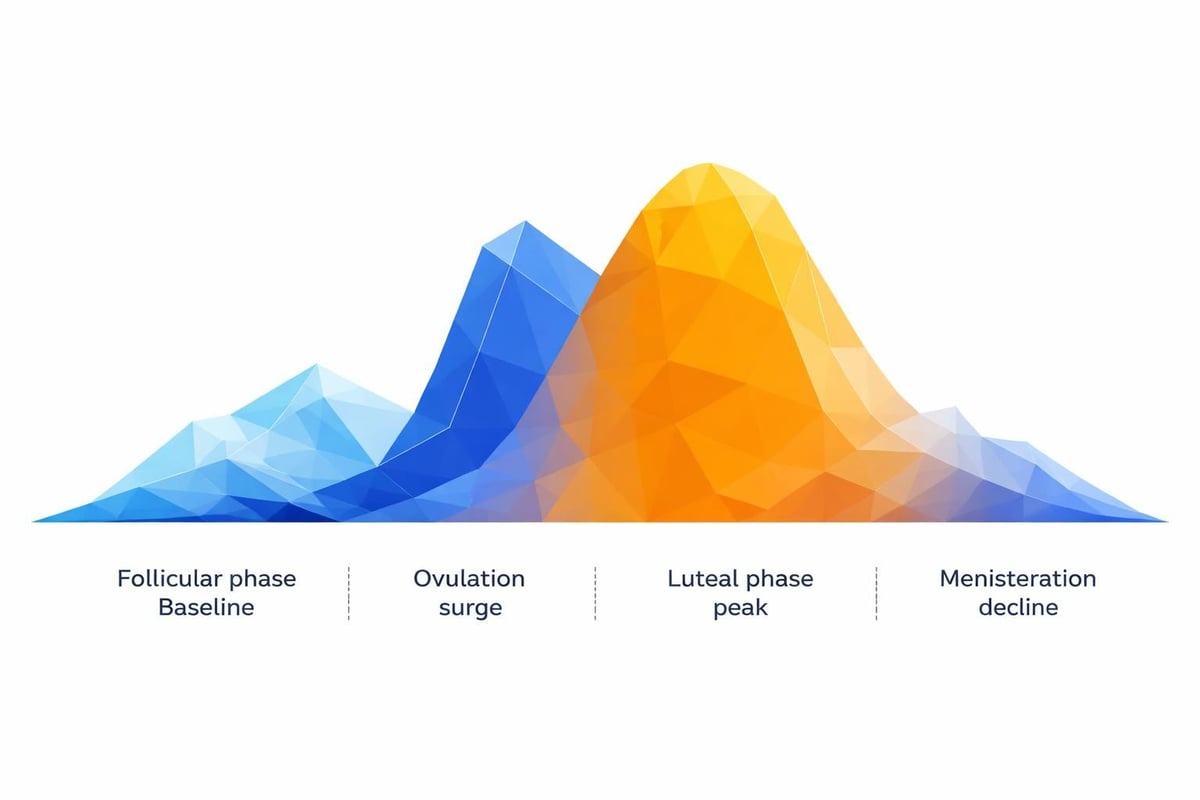
- Results vary by cycle timing with levels naturally lower during the follicular phase (before ovulation) and significantly higher during the luteal phase (after ovulation)
- Anyone experiencing reproductive concerns can benefit from testing, including those trying to conceive, experiencing irregular cycles, undergoing hormone therapy, or managing menopause symptoms
- Access is straightforward through self-pay lab testing services that deliver results within 1-3 days at transparent prices without insurance barriers
- Next step: determine your testing needs based on your cycle day, symptoms, or specific health questions to get the most meaningful results
What Progesterone Does in Your Body
Progesterone functions as one of the body's primary reproductive hormones, working in concert with estrogen to regulate the menstrual cycle and support pregnancy. After ovulation, the corpus luteum (the follicle that released the egg) produces progesterone to prepare the uterine lining for potential implantation.
Reproductive Functions
This hormone transforms the endometrium into a nutrient-rich environment where a fertilized egg can implant and develop. If pregnancy occurs, progesterone production continues and increases, preventing further ovulation and maintaining the uterine lining throughout gestation.
When pregnancy doesn't occur, progesterone levels drop sharply, triggering menstruation. This cyclical pattern repeats monthly during reproductive years, creating the regular menstrual rhythm most women experience.
Beyond Reproduction
Progesterone influences numerous body systems beyond the reproductive tract:
- Bone density maintenance through interactions with bone-building cells
- Mood regulation via effects on neurotransmitter production
- Sleep quality through its calming effects on the nervous system
- Breast tissue development in preparation for potential lactation
- Immune system modulation particularly during pregnancy

When to Consider Progesterone Testing
Understanding the right timing for a progesterone lab test maximizes the usefulness of your results. Different clinical situations call for testing at specific points in your cycle or health journey.
Fertility Assessment
Women trying to conceive often need progesterone testing to confirm ovulation is occurring. Testing typically happens around day 21 of a 28-day cycle (or 7 days after suspected ovulation). Our guide to day 3 vs day 21 hormone testing explains how to adjust that window for cycles that are not 28 days long. Adequate progesterone levels confirm that ovulation took place and that the body is producing enough hormone to support early pregnancy.
The progesterone test from Labcorp OnDemand represents one approach to confirming ovulatory function, though multiple options exist for accessing this testing.
Irregular Menstrual Cycles
If you experience unpredictable periods, absent menstruation, or abnormal bleeding patterns, progesterone testing helps identify hormonal imbalances. Low progesterone relative to estrogen can cause heavy periods, while absent progesterone suggests anovulation (cycles without ovulation).
The progestogen challenge test represents a specialized diagnostic approach where progesterone medication is administered to determine the cause of amenorrhea based on whether withdrawal bleeding occurs.
Pregnancy Monitoring
During early pregnancy, progesterone levels should rise steadily. Low levels may indicate risk of miscarriage or ectopic pregnancy. Healthcare providers often order serial progesterone tests to track trends rather than relying on a single measurement.
| Pregnancy Status | Typical Progesterone Range | Clinical Significance |
|---|---|---|
| Non-pregnant (follicular) | 0.1-0.9 ng/mL | Before ovulation occurs |
| Non-pregnant (luteal) | 2-25 ng/mL | After ovulation, confirms ovulation |
| First trimester | 10-44 ng/mL | Supports early pregnancy |
| Second trimester | 19-82 ng/mL | Maintains uterine environment |
| Third trimester | 65-229 ng/mL | Prevents premature labor |
Menopause Transition
As women approach menopause, progesterone production becomes erratic before eventually declining. Testing can help distinguish between perimenopause (irregular cycles with fluctuating hormones) and full menopause (consistently low hormone levels).
Understanding Your Test Results
Interpreting progesterone values requires context about timing, symptoms, and individual circumstances. Numbers alone don't tell the complete story without considering when the sample was collected.
Normal Ranges and Variables
Progesterone levels fluctuate dramatically throughout the menstrual cycle, making timing crucial for interpretation. A level that's normal on day 21 would be abnormally high on day 7. The clinical significance of progesterone testing extends across multiple diagnostic scenarios, each with different reference ranges.
Adult females (pre-menopause):
- Follicular phase: 0.1-0.9 ng/mL
- Luteal phase: 2-25 ng/mL
- Mid-luteal peak: 5-20 ng/mL (confirms ovulation)
Adult males: 0.1-0.5 ng/mL (progesterone plays a smaller role in male physiology)
Post-menopausal females: Less than 1.0 ng/mL
What High Levels Indicate
Elevated progesterone outside of pregnancy typically suggests:
- Successful ovulation when measured during the luteal phase
- Ovarian cysts that produce excess hormones
- Adrenal disorders affecting hormone production
- Pregnancy including early stages before confirmation via other methods
Some women taking progesterone supplementation for fertility treatment or hormone replacement therapy will naturally show elevated levels, which is expected rather than concerning.
What Low Levels Suggest
Insufficient progesterone can point to several conditions:
- Anovulation indicating eggs are not being released
- Luteal phase defect where the corpus luteum doesn't produce adequate progesterone
- Threatened miscarriage when levels drop during early pregnancy
- Approaching menopause as ovarian function declines
- Certain medications that interfere with hormone production
The progesterone test report format provides standardized guidelines for presenting results that facilitate proper clinical interpretation.
How the Testing Process Works
A progesterone lab test involves a straightforward blood draw that can be completed in minutes. Understanding the process helps you prepare appropriately and reduces anxiety about the procedure.
Sample Collection
Phlebotomists collect blood from a vein in your arm, typically using standard venipuncture technique. The procedure involves:
- Cleaning the collection site with antiseptic
- Applying a tourniquet to make veins more visible
- Inserting a small needle to draw blood into collection tubes
- Applying pressure and a bandage after needle removal
No special preparation is usually required, though your provider may specify fasting depending on whether other tests are being run simultaneously. When ordering labs without a doctor, you'll receive specific instructions about any preparation needed.
Laboratory Analysis
Once collected, your blood sample travels to a laboratory where technicians measure progesterone concentration using immunoassay techniques. Laboratory accreditation and quality assurance in progesterone testing ensures accurate, reliable results through validated methods and regular quality checks.
Most labs complete progesterone analysis within 24-48 hours, with results typically available to patients within 1-3 days depending on the testing service used.
Timing Considerations
For menstrual cycle evaluation, timing matters significantly. Healthcare providers typically recommend:
Day 21 testing (in a 28-day cycle): Captures peak luteal progesterone to confirm ovulation occurred
7 days post-ovulation: Adjusts timing for shorter or longer cycles by counting backward from expected period
Serial measurements: Multiple tests across several days provide more comprehensive data than single measurements
Random timing: Appropriate for pregnancy monitoring or certain diagnostic situations where cycle phase is less relevant
Cost and Access Considerations
Traditional progesterone testing through conventional healthcare channels often involves multiple appointments, insurance navigation, and unpredictable costs. Modern alternatives simplify this process substantially.
Traditional Healthcare Pathway
The conventional approach requires:
- Scheduling a doctor appointment (often weeks in advance)
- Discussing symptoms and receiving a test order
- Visiting a lab for blood draw
- Waiting for results to be sent to your doctor
- Scheduling a follow-up appointment to discuss results
- Managing insurance pre-authorizations and copays
This pathway can take weeks from initial concern to actionable information, with costs varying wildly depending on insurance coverage, deductibles, and network status.
Self-Pay Testing Options
Direct-access lab testing eliminates many barriers while providing transparent pricing. Through services offering labs without insurance, you can:
- Order tests online without a doctor's visit
- Select convenient appointment times at nearby facilities
- Receive results digitally within 1-3 days
- Access clear, upfront pricing without billing surprises
- Review comprehensive information about lab test pricing before ordering
This approach puts you in control of your health information while respecting your time and budget. The progesterone blood test from School Titers represents one example of direct-access testing available to consumers.
| Access Method | Time to Results | Typical Cost Range | Convenience Level |
|---|---|---|---|
| Traditional physician | 1-3 weeks | $50-$300+ (variable) | Low (multiple appointments) |
| Self-pay lab services | 1-3 days | $30-$100 (transparent) | High (online ordering) |
| Hospital labs | 3-7 days | $100-$500+ (variable) | Low (referral required) |
| At-home collection | 5-10 days | $75-$150 | Medium (shipping delays) |
Understanding these options helps you make informed decisions about where to get lab tests that align with your needs and circumstances.
Recommended Test
Progesterone
Progesterone is a key reproductive hormone that prepares the uterus for pregnancy and supports early pregnancy. This test helps evaluate ovulation, fertility, and hormonal balance.
Includes 1 biomarkers
$25
Additional Testing Often Paired with Progesterone
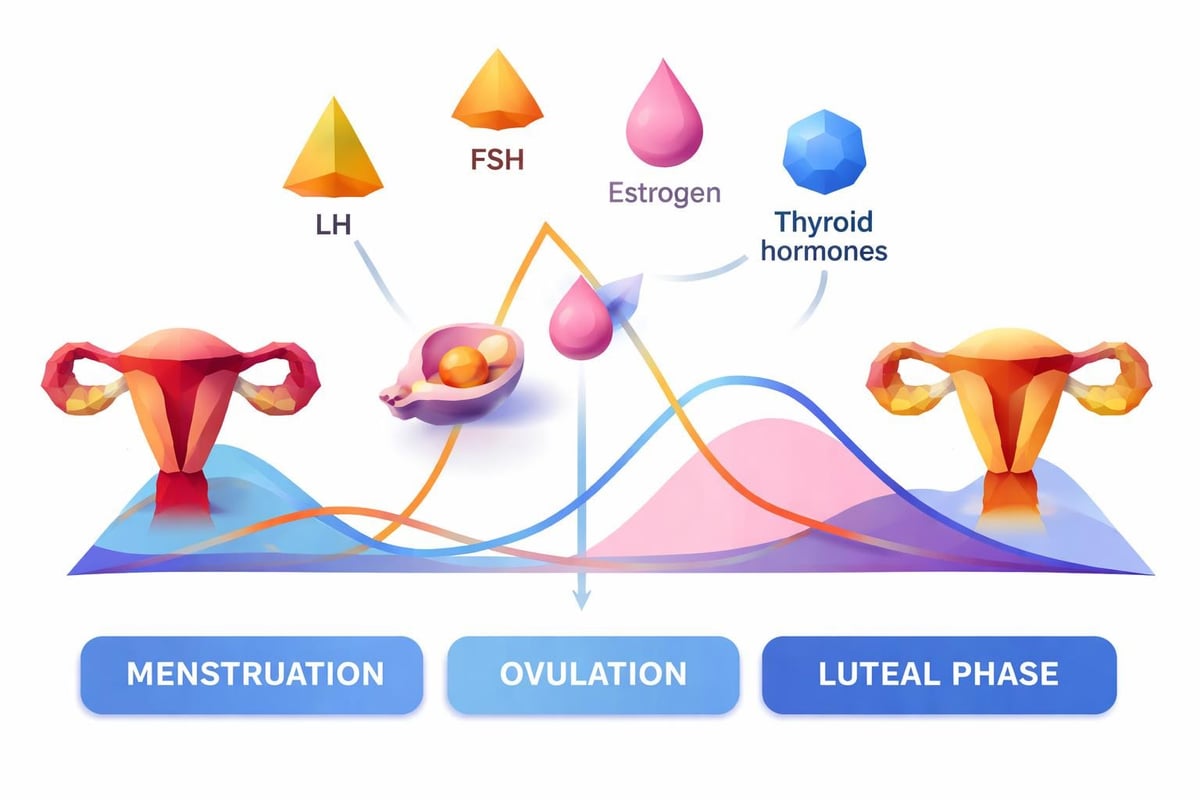
Hormones function as an interconnected system, so progesterone testing frequently occurs alongside other hormone measurements for a complete picture of reproductive health.
Complementary Hormone Tests
Estradiol (the primary estrogen): Evaluates the progesterone-to-estrogen ratio, which influences menstrual regularity, fertility, and menopause symptoms.
Luteinizing hormone (LH): Triggers ovulation and corpus luteum formation, directly affecting progesterone production.
Follicle-stimulating hormone (FSH): Works with LH to regulate ovarian function and egg development.
Testosterone: Can impact fertility and may be elevated in conditions like polycystic ovary syndrome (PCOS) that also affect progesterone levels.
Thyroid hormones: Thyroid disorders frequently coexist with reproductive hormone imbalances and can affect fertility outcomes.
Recommended Panel
Female Hormone Panel
Save $5This comprehensive panel measures all major female hormones: estrogen, progesterone, reproductive hormones (FSH/LH), and androgens (testosterone/DHEA-S) - essential for understanding hormonal balance.
Includes 7 biomarkers
$105
Comprehensive Panels
Rather than ordering individual tests, many people benefit from hormone panels that measure multiple markers simultaneously. These panels provide broader context for interpreting progesterone results and may identify issues that wouldn't be apparent from progesterone alone.
Common panel combinations include:
- Fertility assessment panels (progesterone, estradiol, LH, FSH, testosterone)
- Menopause evaluation panels (progesterone, estradiol, FSH)
- PCOS diagnostic panels (progesterone, testosterone, LH, FSH, glucose, insulin)
When you're ready to explore your testing options, reviewing the full range of available tests helps identify which combination best addresses your specific health questions.
Preparing for Your Progesterone Test
While progesterone testing requires minimal preparation, a few considerations can optimize your experience and results accuracy.
Before Your Appointment
Track your cycle: Note the first day of your last period so you can schedule testing at the appropriate cycle day. Apps or simple calendar tracking work equally well.
List your medications: Some drugs affect hormone levels, so provide complete information about prescriptions, supplements, and over-the-counter medications you're taking.
Stay hydrated: Drinking adequate water makes blood draws easier by keeping veins accessible.
Wear appropriate clothing: Short sleeves or loose sleeves that roll up easily facilitate arm access for the blood draw.
Bring identification: Photo ID and any necessary paperwork or confirmation numbers for your appointment.
Questions to Consider
Before testing, think through what you want to learn from your results:
- Are you trying to confirm ovulation occurred this cycle?
- Do you need baseline measurements for fertility treatment planning?
- Are you monitoring hormone replacement therapy effectiveness?
- Do your symptoms suggest possible progesterone deficiency?
Understanding your goals helps you select appropriate timing and determine whether additional tests might be valuable. The how it works information from testing services explains the step-by-step process from ordering through receiving results.
Key Takeaways
Progesterone measurement provides actionable data about ovulation, fertility potential, pregnancy health, and menopausal status that empowers informed health decisions.
Timing determines result interpretation, with levels varying dramatically across the menstrual cycle and requiring context about when samples were collected.
Multiple conditions affect progesterone including anovulation, luteal phase defects, pregnancy complications, PCOS, menopause, and certain medications.
Access has improved significantly through self-pay testing services that eliminate insurance barriers and provide rapid results without requiring doctor visits.
Comprehensive hormone assessment often proves more valuable than isolated progesterone measurement, identifying interconnected issues across the endocrine system.
Quality laboratory standards matter for accuracy, with accredited facilities using validated methods producing the most reliable results for clinical decision-making.
FAQ
How accurate is progesterone testing?
Modern immunoassay methods used in accredited laboratories provide highly accurate progesterone measurements with minimal variability. Accuracy depends on proper sample handling, appropriate timing relative to your cycle, and using laboratories with quality assurance programs. Results typically have less than 10% variation when samples are processed correctly.
Can I test progesterone at home?
Some companies offer at-home collection kits where you collect a blood sample via finger prick and mail it to a laboratory. While convenient, these methods may have slightly higher variability than traditional venipuncture. Standard blood draws at testing facilities generally provide the most accurate results with proper sample volume and handling.
What if my progesterone is low?
Low progesterone requires interpretation based on cycle timing and symptoms. During the follicular phase, low levels are expected and normal. Low luteal phase progesterone may indicate anovulation or luteal phase defect, potentially requiring progesterone supplementation, lifestyle modifications, or treatment of underlying conditions affecting ovarian function.
How often should I retest progesterone?
Retesting frequency depends on your specific situation. Women tracking fertility might test monthly to confirm ovulation. Those on hormone replacement therapy might test every 3-6 months to ensure optimal dosing. Pregnancy monitoring may require weekly or biweekly testing. Discuss appropriate intervals with your healthcare provider based on your goals.
Does progesterone testing require fasting?
Progesterone testing typically doesn't require fasting since food intake doesn't significantly affect progesterone levels. However, if you're having multiple tests drawn simultaneously (like glucose or lipid panels), fasting might be necessary for those other markers. Check specific instructions when ordering your test.
Can medications affect progesterone levels?
Yes, several medications influence progesterone measurements including birth control pills, hormone replacement therapy, fertility medications containing progesterone or affecting ovulation, and some medications that impact liver function. Always disclose all medications and supplements when ordering tests for accurate interpretation.
What's the difference between serum and saliva progesterone testing?
Serum (blood) testing measures total progesterone and represents the clinical standard for diagnostic purposes. Saliva testing measures free (unbound) progesterone and is sometimes used for monitoring hormone replacement therapy. Blood testing provides more standardized, reliable results for most clinical situations and is preferred for fertility and pregnancy evaluation.
Is progesterone testing covered by insurance?
Coverage varies significantly by insurance plan, indication for testing, and whether you've met your deductible. Many insurance plans cover progesterone testing when ordered by a physician for specific diagnostic purposes like infertility or abnormal bleeding. Understanding your FSA/HSA eligibility can help you use tax-advantaged funds for testing expenses.
Can men benefit from progesterone testing?
While progesterone plays a much smaller role in male physiology, testing can be relevant in certain situations including adrenal disorders, certain tumors, and when evaluating testosterone replacement therapy side effects. Normal male progesterone levels are quite low (0.1-0.5 ng/mL), and significant elevations warrant further investigation.
Progesterone testing provides essential insights into reproductive health, fertility, and hormonal balance that help you make informed decisions about your wellbeing. Whether you're trying to conceive, investigating irregular cycles, or monitoring menopause transition, understanding your progesterone levels creates a foundation for targeted interventions and peace of mind. Getting tested doesn't need to involve weeks of waiting, insurance hassles, or unpredictable costs. Justlabs offers convenient access to progesterone testing and comprehensive hormone panels with transparent pricing, online ordering, and results delivered within 1-3 days, putting you in control of your health information.