Hypertension is often called the “silent killer” because it affects nearly half of adults worldwide without obvious symptoms. Uncontrolled high blood pressure can quietly lead to heart attacks, strokes, and kidney failure, making early detection vital.
Lab tests for hypertension are essential tools that can uncover hidden risks, reveal organ damage before symptoms appear, and guide your treatment decisions. With the right information, you can take proactive steps to protect your health.
In this essential guide, you’ll discover everything you need to know about lab tests for hypertension in 2026. Learn which tests matter, how to interpret your results, and how to access convenient, affordable testing options.
Why Lab Tests Matter in Hypertension Management
Understanding the impact of lab tests for hypertension is crucial in managing this widespread condition. Many people are unaware that high blood pressure can silently damage organs for years. Lab tests for hypertension provide the clear, actionable data needed to prevent complications and guide effective treatment.

The Hidden Dangers of Hypertension
Hypertension is often called the "silent killer" because it can cause significant harm before any symptoms appear. Most patients do not realize the threat until organs such as the heart, kidneys, or brain are already affected. Lab tests for hypertension are essential for detecting these issues early.
Routine blood and urine tests can reveal subtle signs of damage, like elevated creatinine or protein in the urine, long before symptoms develop. For example, some individuals have discovered kidney or heart disease through standard labs, allowing them to seek timely intervention. According to the CDC, up to 20 percent of people with hypertension have underlying secondary causes that can be found only through appropriate lab testing.
Monitoring Disease Progression and Treatment Efficacy
Ongoing lab tests for hypertension are vital for assessing how well treatment plans are working. When starting or adjusting medications, regular lab checks track changes in kidney function, electrolytes, and blood sugar.
These tests help prevent both overtreatment and undertreatment. For instance, diuretics can lower potassium levels, which may lead to serious complications if not monitored. Lab results show how the body responds to medications and lifestyle changes, ensuring therapy remains safe and effective. Monitoring labs also helps detect side effects early, allowing for prompt adjustments and improved outcomes.
Identifying Secondary Hypertension
Not all high blood pressure cases are primary. In some patients, hypertension is secondary to another underlying condition, like kidney disease or hormonal disorders. Lab tests for hypertension are key to identifying these root causes.
Testing for hormones, kidney function, and specific blood markers helps doctors uncover secondary hypertension, which accounts for 5 to 10 percent of adults with high blood pressure. Early identification of these causes enables targeted treatment, often improving blood pressure control and reducing long-term risks.
Reducing Long-Term Complications
Lab markers can predict the likelihood of severe complications, such as heart attacks, strokes, and kidney failure. For example, high creatinine or the presence of albumin in urine signals early kidney damage, alerting both patients and clinicians to take action.
By regularly performing lab tests for hypertension, healthcare providers can identify people at higher risk and intervene before irreversible harm occurs. The Guideline for the Pharmacological Treatment of Hypertension in Adults emphasizes the importance of these tests in guiding therapy and detecting comorbidities.
Enabling Proactive and Preventive Care
Modern healthcare models focus on prevention and patient empowerment. Regular lab tests for hypertension provide individuals with the information needed to take control of their health.
Access to timely lab data helps patients and providers make informed decisions, track progress, and adjust treatment as needed. This proactive approach leads to better long-term outcomes and supports a shift toward preventive, rather than reactive, care.
Essential Lab Tests for Hypertension in 2026
Understanding which lab tests for hypertension are most important in 2026 can help you and your healthcare team detect risks early, personalize your treatment, and prevent complications. As testing technology advances, a core set of labs remains essential for nearly everyone with high blood pressure. These tests go beyond just measuring your blood pressure—they provide a window into organ health, cardiovascular risk, and underlying conditions that may be driving your hypertension.
Basic Metabolic Panel (BMP) and Comprehensive Metabolic Panel (CMP)
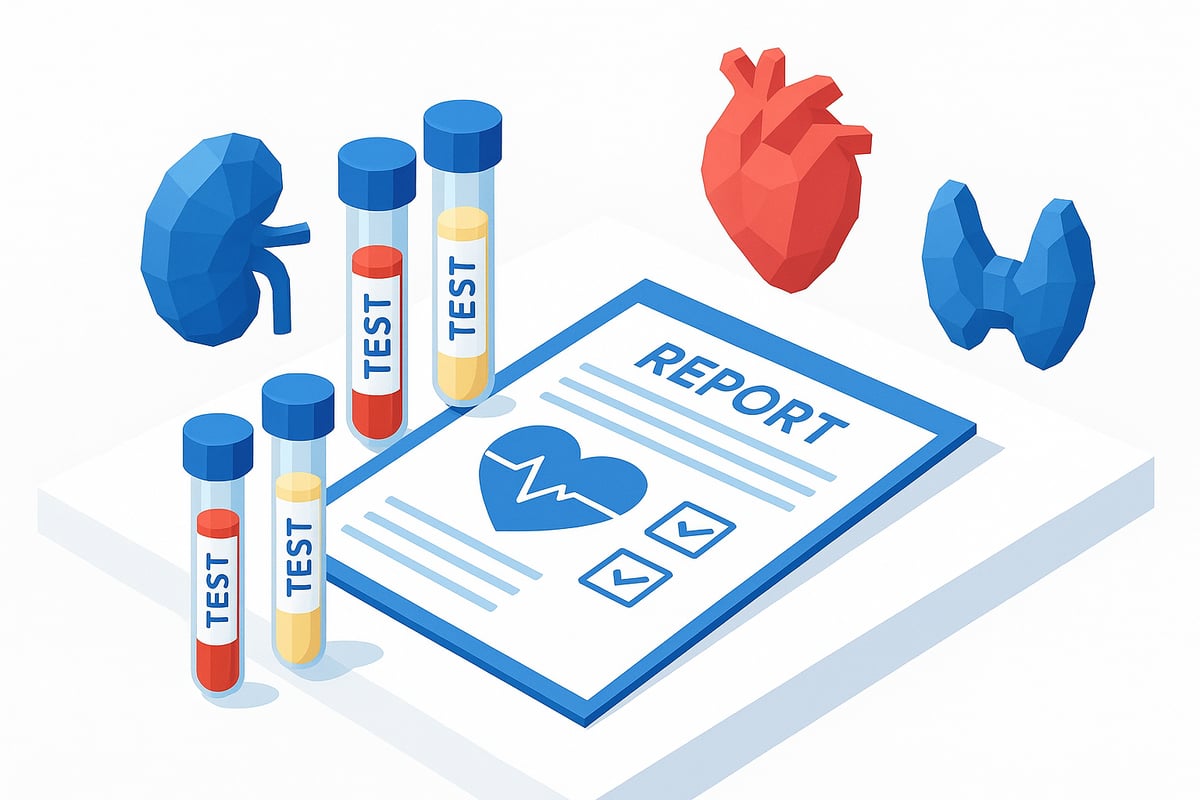
The BMP and CMP are foundational lab tests for hypertension. They measure key electrolytes like sodium and potassium, assess kidney function through creatinine and blood urea nitrogen, and check glucose levels.
Why are these tests critical? High blood pressure can silently damage the kidneys, sometimes before you feel any symptoms. Up to 30% of people diagnosed with hypertension already show signs of abnormal kidney function. Monitoring these labs helps spot early damage and guide medication choices, especially for those taking diuretics or ACE inhibitors.
The CMP expands on the BMP by adding liver function markers, which can also affect blood pressure control. Regularly reviewing your results ensures that treatment is both safe and effective.
Lipid Panel
A lipid panel is another key part of lab tests for hypertension. This test measures cholesterol types (LDL, HDL) and triglycerides, all of which play a major role in cardiovascular risk. People with high blood pressure often have abnormal lipid levels, increasing the risk for heart attack and stroke.
Combining blood pressure readings with cholesterol data allows your provider to calculate your overall risk and decide if medications like statins are needed. To learn more about what is measured and why it matters, visit the Lipid Panel for heart health page.
Urinalysis and Urine Albumin-to-Creatinine Ratio (ACR)
Urinalysis and urine ACR are frequently included in lab tests for hypertension because they detect protein in the urine (proteinuria) and microalbuminuria. Both are early signs of kidney stress or damage caused by high blood pressure.
Statistics show that up to 40% of people with hypertension develop some degree of kidney involvement. Early detection with these tests can prompt timely interventions to slow or prevent chronic kidney disease progression.
A simple urine sample can reveal a lot about your vascular and kidney health, making these tests a mainstay in hypertension monitoring.
Thyroid Function Tests (TSH, Free T4)
Thyroid disorders are a common but often overlooked cause of high blood pressure. Testing thyroid function—specifically TSH and free T4—is recommended in lab tests for hypertension, especially if your blood pressure is hard to control or there are other symptoms.
An underactive or overactive thyroid can both contribute to hypertension. Research shows that hypothyroidism is present in 10 to 15% of those with resistant hypertension. Identifying and treating thyroid issues can help bring blood pressure back under control.
Recommended Panel
Basic Thyroid Panel
Save $2This panel includes the 3 essential thyroid markers: TSH, Free T4, and Free T3. The perfect starting point for evaluating thyroid function without unnecessary tests.
Includes 3 biomarkers
$30
Blood Glucose and Hemoglobin A1c
Screening for diabetes and prediabetes is essential when ordering lab tests for hypertension. Blood glucose and hemoglobin A1c tests provide a snapshot of your blood sugar control over time.
Why does this matter? The CDC reports that 68% of adults with diabetes also have hypertension. Since these conditions often occur together, understanding your risk for metabolic syndrome or diabetes will influence both your treatment plan and your long-term health outlook.
Additional Tests for Secondary Hypertension
Sometimes, high blood pressure is caused by another medical condition. Specialized lab tests for hypertension can help identify secondary causes like kidney disease or hormonal disorders.
These may include aldosterone, renin, cortisol, and catecholamines. Testing is especially important for people with sudden or severe hypertension, those who are very young, or anyone whose blood pressure does not respond to standard treatments. Detecting a treatable secondary cause can dramatically change your management plan.
Advanced Cardiac and Inflammatory Markers (hs-CRP, BNP)
For those at higher risk, advanced markers are increasingly part of lab tests for hypertension. High-sensitivity C-reactive protein (hs-CRP) signals vascular inflammation, while B-type natriuretic peptide (BNP) can indicate early heart failure.
High-Sensitivity CRP
1 biomarkers
Elevated hs-CRP is linked to twice the risk of cardiovascular events in people with hypertension. These tests help providers stratify risk, monitor for complications, and tailor treatment more precisely.
Summary Table: Key Lab Tests for Hypertension
| Test Name | What it Assesses | Why it Matters |
|---|---|---|
| BMP/CMP | Electrolytes, kidney, glucose | Detects kidney damage, guides meds |
| Lipid Panel | Cholesterol, triglycerides | Assesses heart attack/stroke risk |
| Urinalysis/ACR | Protein in urine | Finds early kidney involvement |
| Thyroid Function (TSH) | Thyroid hormones | Identifies secondary hypertension |
| Blood Glucose/A1c | Blood sugar control | Screens for diabetes/metabolic risk |
| Hormonal Panels | Aldosterone, renin, cortisol | Detects secondary causes |
| hs-CRP, BNP | Inflammation, heart stress | Advanced risk stratification |
No matter your age or risk factors, regular lab tests for hypertension are the foundation of modern, proactive care. By understanding and tracking these results, you can work with your provider to stay ahead of complications and keep your blood pressure—and your health—on track.
How to Access Hypertension Lab Testing in 2026
Accessing lab tests for hypertension in 2026 is easier and more flexible than ever before. Patients can choose from multiple pathways to get critical health data, whether they prefer traditional healthcare settings or innovative online options. Understanding these choices helps you take control of your hypertension management with confidence.
Traditional Pathways: Doctor’s Office and Hospital Labs
Many people still access lab tests for hypertension through their primary care provider or specialist. In this pathway, your physician evaluates your risk and orders the necessary blood or urine tests. You then visit a hospital or clinic laboratory to provide samples.
Pros:
- Integrated care with your medical team
- Insurance often covers most tests
- Results are added directly to your health record
Cons:
- Delays in scheduling and obtaining results
- Higher out-of-pocket costs if insurance does not cover all tests
- Limited transparency in pricing
Traditional pathways remain essential for those who need close medical supervision, but they can sometimes be less convenient or more expensive for routine lab tests for hypertension.
Direct-to-Consumer and Online Lab Testing Options
The past few years have seen a surge in direct-to-consumer platforms, making lab tests for hypertension available without a doctor’s visit. Patients can now order panels online, pay upfront, and visit a partner laboratory at their convenience.
Benefits include:
- No need for an in-person appointment
- Transparent, upfront pricing
- Faster turnaround times for results
- Greater privacy and control over your health data
This approach is especially popular for individuals seeking routine monitoring or those with high-deductible insurance plans. As the direct-access lab testing market grows, more patients are choosing this route for their lab tests for hypertension.
Order Hypertension Lab Tests Online with JustLabs
One standout option for ordering lab tests for hypertension online is JustLabs. This platform allows you to select the tests you need, schedule an appointment at over 2,200 Quest Diagnostics locations, and receive results digitally within one to three days.
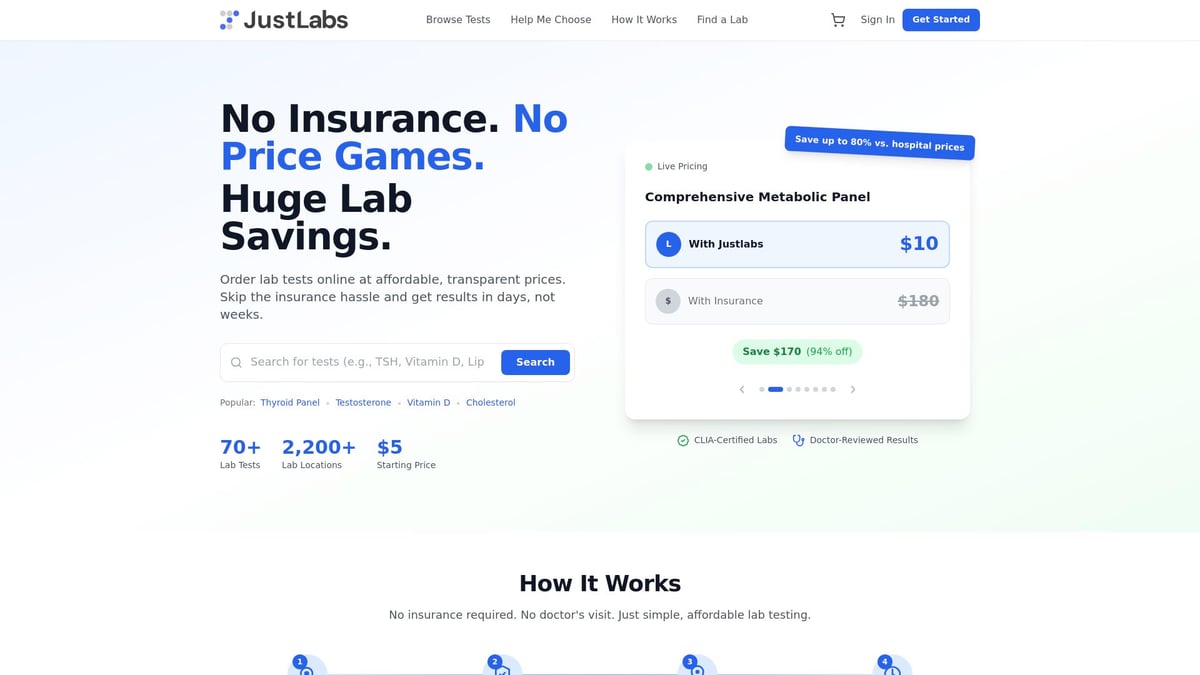
JustLabs eliminates the need for insurance or a doctor’s referral. Prices are often up to 80% lower than hospital rates. For example, a comprehensive metabolic panel costs just $9.50 at JustLabs (plus one $18 order fee per order, $27.50 all-in) compared to $180 at traditional providers. The process is secure, HIPAA-compliant, and reports are reviewed by clinicians for clarity. You can use FSA or HSA funds for payment, making lab tests for hypertension more affordable and accessible than ever.
At-Home Testing and Remote Monitoring
At-home sample collection kits are now available for some lab tests for hypertension, allowing you to collect blood or urine samples privately. These kits are shipped to your door, and you return samples to the lab by mail.
Remote blood pressure monitoring is also gaining traction. Devices sync data with your smartphone, giving you and your provider real-time updates. However, not all lab tests for hypertension can be performed at home, and some tests may require professional collection for accuracy.
Insurance, Pricing, and Transparency
Understanding the cost of lab tests for hypertension is crucial, especially for those managing a chronic condition. Insurance plans may cover some tests, but copays and deductibles vary. Direct-to-consumer options offer clear, upfront pricing, helping you avoid unexpected bills.
| Pricing Factor | Traditional Labs | Direct-to-Consumer Labs |
|---|---|---|
| Insurance Required | Yes | No |
| Upfront Pricing | Rarely | Always |
| Average Cost (CMP) | $180 | $9.50 + $18 order fee |
| Result Turnaround | 3–7 days | 1–3 days |
Transparent pricing empowers you to plan and budget for regular lab tests for hypertension, supporting proactive disease management.
Interpreting Your Lab Results: What They Mean for Hypertension
Understanding your lab results is essential for anyone managing high blood pressure. Lab tests for hypertension provide a window into how your body is coping and whether any silent complications are emerging. Let’s break down how to interpret your results so you can make informed decisions with your care team.
Understanding Reference Ranges and Flagged Results
Lab tests for hypertension typically come with reference ranges—these are the “normal” values used to interpret if your numbers are in a healthy zone. However, these ranges can shift based on age, sex, and medical history.
For example, a creatinine level that is normal for a 25-year-old may be flagged for a 70-year-old. If a value is outside the reference range, it is often highlighted or marked as abnormal. This does not always signal a crisis, but it does mean your provider will want to look closer.
Here’s a quick comparison of common reference ranges:
| Test | Typical Adult Range |
|---|---|
| Sodium | 135–145 mmol/L |
| Potassium | 3.5–5.1 mmol/L |
| Creatinine | 0.6–1.3 mg/dL |
| eGFR | >60 mL/min/1.73m² |
| Cholesterol | <200 mg/dL (total) |
Remember, lab tests for hypertension are just one piece of the puzzle. Always discuss flagged results in context with your provider.
Key Lab Markers and Their Implications
Some of the most important lab tests for hypertension include markers like creatinine, eGFR, sodium, potassium, and cholesterol. Each tells a different story about your health.
- Creatinine and eGFR reflect kidney function. Abnormal results could mean early kidney involvement.
- Sodium and potassium help monitor for medication side effects, especially with diuretics.
- Cholesterol and triglycerides indicate cardiovascular risk, which often goes hand in hand with high blood pressure.
For a deeper dive into what each value means and how they relate to your hypertension, see the Comprehensive Metabolic Panel (CMP) test overview.
Interpreting these values helps you and your provider tailor your care, ensuring lab tests for hypertension drive decisions, not guesswork.
Red Flags: When to Seek Immediate Medical Attention
Lab tests for hypertension sometimes reveal urgent issues that require prompt follow-up. Key red flags to watch for include:
- Creatinine rising rapidly or above 2.0 mg/dL
- Potassium below 3.0 or above 5.5 mmol/L
- Sodium less than 130 or greater than 150 mmol/L
- Severe drops in eGFR (<30 mL/min/1.73m²)
- Presence of significant protein or blood in urine
If you see these values flagged, contact your healthcare provider immediately. Lab tests for hypertension can sometimes be the first sign of a serious complication, so do not ignore critical results.
Trends Over Time: Why Serial Testing Matters
One isolated result does not tell the whole story. Tracking lab tests for hypertension over time reveals patterns that help you and your provider spot changes early.
For example, a slow rise in creatinine or a gradual increase in urine protein can signal worsening kidney function before you feel symptoms. Serial testing also helps determine if lifestyle changes or medications are working.
Keep a record of your results and compare them at each visit. Trends are often more important than one-off numbers when managing lab tests for hypertension.
Discussing Results with Your Healthcare Provider
Effective communication is key to turning lab tests for hypertension into actionable steps. When you receive your results, come prepared with questions such as:
- What do these abnormal values mean for my treatment?
- Are any of my medications affecting my kidney function or electrolytes?
- Should I repeat any tests soon, or see a specialist?
Bring a copy of your recent lab tests for hypertension to every appointment. This helps your provider see the bigger picture and make informed decisions about your care.
Using Lab Results for Personalized Hypertension Management
Personalizing your approach means using lab tests for hypertension to guide medication choices, lifestyle changes, and follow-up plans.
If your potassium is low, your provider may adjust your diuretic or recommend supplements. High cholesterol could lead to dietary changes or starting a statin. Abnormal kidney markers might prompt additional testing or a specialist referral.
By using lab tests for hypertension as a roadmap, you and your care team can proactively address risks, improve outcomes, and stay a step ahead of complications.
Next Steps After Receiving Your Hypertension Lab Results
Receiving your lab tests for hypertension can feel overwhelming at first, but it is the crucial first step to taking control of your health. With the right approach, these results become a powerful tool for guiding your next moves and improving outcomes.
Reviewing Your Results and Understanding What’s Next
Start by carefully reviewing your lab tests for hypertension. Compare your current values to previous results, noting any changes or trends. If you see new abnormalities, such as a rise in creatinine or new protein in your urine, mark these for discussion.
Pay close attention to flagged values. Some results, like very high potassium or a sudden increase in blood sugar, may require urgent follow-up. Always check the reference ranges, as "normal" can differ based on age, sex, or other health conditions.
Making Informed Decisions About Treatment
Your lab tests for hypertension are more than numbers—they are the foundation for shared decision-making with your healthcare team. Abnormal results may prompt medication adjustments or further diagnostic workups.
For example, a higher urine albumin-to-creatinine ratio could signal early kidney involvement, which may influence your treatment plan. According to the New High Blood Pressure Guideline Emphasizes Prevention, Early Treatment to Reduce CVD Risk, early recognition of such lab changes is vital for reducing long-term complications.
Lifestyle Modifications Based on Lab Findings
Lab tests for hypertension often shine a light on areas where lifestyle changes can make a difference. Elevated cholesterol may call for dietary adjustments, while high blood glucose could prompt a renewed focus on activity and weight management.
If your results show signs of kidney involvement, such as proteinuria, consider a lower-salt diet and regular kidney monitoring. For more on how urinalysis supports kidney health in hypertension, see this Urinalysis for kidney monitoring guide.
Monitoring and Follow-Up Testing
Ongoing monitoring is essential for anyone managing hypertension. Schedule repeat lab tests for hypertension as advised—this might be every few months or annually, depending on your risk factors and current control.
Tracking your numbers over time helps you and your provider spot trends, respond to medication side effects, and prevent complications. Use a notebook or digital tracker to record your results and set reminders for upcoming tests.
When to Seek Specialist Referral
Certain findings on lab tests for hypertension may indicate the need for specialist care. Persistent proteinuria, unexplained changes in kidney function, or abnormal thyroid results are common reasons for referral to nephrology, endocrinology, or cardiology.
If your blood pressure remains uncontrolled despite multiple medications, or if you develop new symptoms alongside abnormal lab results, ask your doctor about seeing a specialist for more advanced evaluation.
Empowering Yourself as a Patient
Understanding your lab tests for hypertension empowers you to set realistic health goals and track your progress. Use your results to guide discussions with your care team, ask informed questions, and make choices that support your long-term well-being.
Quick Steps After Receiving Your Results:
- Review and compare to previous labs
- Note any flagged or abnormal values
- Discuss results with your provider
- Adjust lifestyle and medication as needed
- Schedule follow-up testing
- Seek specialist input if necessary
With each cycle of testing, you gain knowledge and confidence to manage hypertension and protect your health.
The Future of Hypertension Lab Testing: Innovations and Trends
The landscape of lab tests for hypertension is undergoing rapid transformation. In 2026, breakthroughs in science and technology are reshaping how we detect, monitor, and manage high blood pressure. Patients now have more tools than ever to take charge of their health, with new tests, digital platforms, and smarter data integration driving progress.
Advances in Biomarkers and Precision Medicine
Recent years have seen major advances in lab tests for hypertension, especially with the development of novel biomarkers. These new tests can detect subtle signs of organ damage before symptoms appear, offering a critical window for early intervention. Genetic and molecular markers are now being used to personalize hypertension care, helping tailor treatment to an individual's unique biology.
For example, researchers are exploring markers that predict response to specific blood pressure medications. This precision approach to lab tests for hypertension allows for more effective, targeted therapies, reducing trial-and-error in management. As these innovations become mainstream, patients will benefit from truly individualized care options.
Integration of Lab Data with Digital Health Platforms
The integration of lab tests for hypertension with digital health platforms is revolutionizing disease management. Wearable devices, such as smartwatches and wireless blood pressure monitors, now sync directly with mobile apps that track and display lab results. This seamless data flow gives patients and providers a comprehensive view of blood pressure trends and lab values in real time.
Automated alerts can notify users of abnormal changes, prompting timely intervention. By combining lab tests for hypertension with digital tools, healthcare teams can identify patterns, adjust treatment plans, and improve outcomes. This approach fosters a holistic, proactive strategy for managing hypertension.
Artificial Intelligence in Lab Interpretation
Artificial intelligence is playing a growing role in interpreting lab tests for hypertension. AI-powered platforms analyze complex lab data, identifying subtle risk factors and predicting potential complications. These systems can flag concerning trends, suggest personalized recommendations, and support clinical decision-making.
Market research predicts that AI in healthcare diagnostics will grow by 40 percent annually through 2026. For patients, this means faster, more accurate insights from their lab tests for hypertension, and for clinicians, it offers a powerful tool for risk stratification and care optimization. As AI becomes more sophisticated, it will further enhance the value of laboratory data.
Expanded Access and Health Equity
Access to lab tests for hypertension is expanding rapidly, particularly through telehealth and online lab ordering platforms. Digital solutions are removing barriers for rural and underserved populations, who historically faced challenges accessing routine testing. According to the World Health Organization, over a billion people remain at risk due to uncontrolled high blood pressure, highlighting the urgent need for wider lab access.
Direct-to-consumer services and remote sample collection kits are making lab tests for hypertension more convenient and affordable. These innovations are narrowing health disparities and ensuring that more people can benefit from regular monitoring.
Regulatory and Privacy Considerations
As lab tests for hypertension become increasingly digital, protecting patient data is paramount. Regulatory frameworks, such as HIPAA, are evolving to address new risks associated with online lab services and mobile health platforms. Providers must ensure that all lab results and personal health data are transmitted and stored securely.
Patients should look for platforms that offer robust encryption, clear privacy policies, and transparent data management. Staying informed about regulatory changes helps patients make confident choices when accessing lab tests for hypertension in a digital landscape.
Patient Empowerment and Self-Management
The future of lab tests for hypertension is patient-driven. Easy access to transparent lab data empowers individuals to set health goals, track their progress, and make informed decisions. Digital dashboards and personalized reports turn complex results into actionable insights.
Patients can now collaborate more effectively with their healthcare team, using lab tests for hypertension as a foundation for shared decision-making. As these trends continue, individuals will take a more active role in managing their blood pressure, leading to better health outcomes and greater satisfaction with care.
Now that you understand how essential lab tests are for managing hypertension and protecting your health, you might be wondering how to take the next step with confidence. With JustLabs, you can access affordable and transparent self-pay lab testing—no insurance hassles or doctor visits required. It’s easy to explore the right tests, schedule at a convenient location, and get fast results so you can make informed health decisions. Ready to take control of your blood pressure and stay ahead in 2026?
Browse Tests
and see how simple proactive care can be.
Related Reading



References
Writing Committee Members*, Jones DW, Ferdinand KC, Taler SJ, Johnson HM, Shimbo D, Abdalla M, Altieri MM, Bansal N, Bello NA, Bress AP, Carter J, Cohen JB, Collins KJ, Commodore-Mensah Y, Davis LL, Egan B, Khan SS, Lloyd-Jones DM, Melnyk BM, Mistry EA, Ogunniyi MO, Schott SL, Smith SC Jr, Talbot AW, Vongpatanasin W, Watson KE, Whelton PK, Williamson JD. 2025 AHA/ACC/AANP/AAPA/ABC/ACCP/ACPM/AGS/AMA/ASPC/NMA/PCNA/SGIM Guideline for the Prevention, Detection, Evaluation and Management of High Blood Pressure in Adults: A Report of the American College of Cardiology/American Heart Association Joint Committee on Clinical Practice Guidelines. Circulation. 2025 Sep 16;152(11):e114-e218. doi: 10.1161/CIR.0000000000001356. PMID: 40811497. https://pubmed.ncbi.nlm.nih.gov/40811497/
Writing Group for the CKD Prognosis Consortium, Grams ME, Coresh J, Matsushita K, Ballew SH, Sang Y, Surapaneni A, Alencar de Pinho N, Anderson A, Appel LJ, Ärnlöv J, Azizi F, Bansal N, Bell S, Bilo HJG, Brunskill NJ, Carrero JJ, Chadban S, Chalmers J, Chen J, Ciemins E, Cirillo M, Ebert N, Evans M, Ferreiro A, Fu EL, Fukagawa M, Green JA, Gutierrez OM, Herrington WG, Hwang SJ, Inker LA, Iseki K, Jafar T, Jassal SK, Jha V, Kadota A, Katz R, Köttgen A, Konta T, Kronenberg F, Lee BJ, Lees J, Levin A, Looker HC, Major R, Melzer Cohen C, Mieno M, Miyazaki M, Moranne O, Muraki I, Naimark D, Nitsch D, Oh W, Pena M, Purnell TS, Sabanayagam C, Satoh M, Sawhney S, Schaeffner E, Schöttker B, Shen JI, Shlipak MG, Sinha S, Stengel B, Sumida K, Tonelli M, Valdivielso JM, van Zuilen AD, Visseren FLJ, Wang AY, Wen CP, Wheeler DC, Yatsuya H, Yamagata K, Yang JW, Young A, Zhang H, Zhang L, Levey AS, Gansevoort RT. Estimated Glomerular Filtration Rate, Albuminuria, and Adverse Outcomes: An Individual-Participant Data Meta-Analysis. JAMA. 2023 Oct 3;330(13):1266-1277. doi: 10.1001/jama.2023.17002. PMID: 37787795. https://pubmed.ncbi.nlm.nih.gov/37787795/
Claudel SE, Verma A. Albuminuria in Cardiovascular, Kidney, and Metabolic Disorders: A State-of-the-Art Review. Circulation. 2025 Mar 11;151(10):716-732. doi: 10.1161/CIRCULATIONAHA.124.071079. PMID: 40063723. https://pubmed.ncbi.nlm.nih.gov/40063723/
Chen TK, Knicely DH, Grams ME. Chronic Kidney Disease Diagnosis and Management: A Review. JAMA. 2019 Oct 1;322(13):1294-1304. doi: 10.1001/jama.2019.14745. PMID: 31573641. https://pubmed.ncbi.nlm.nih.gov/31573641/