Confused by your kidney tests blood results? You are not alone, as many people find these numbers difficult to understand at first. Blood tests play a crucial role in monitoring kidney function and can spot issues long before symptoms appear.
This article will help you unravel what kidney tests blood results mean, why these tests matter, and what steps to take next. We will cover how your kidneys work, introduce key blood tests like creatinine, BUN, eGFR, and electrolytes, and explain how to interpret your results.
You will also learn common reasons these tests are ordered and practical tips for preparing. By the end, you will feel more confident in understanding your results and taking charge of your kidney health in 2026.
Why Blood Tests Are Essential for Kidney Health
Understanding the importance of kidney tests blood is the first step in taking charge of your kidney health. These tests provide critical information about how well your kidneys are working, often revealing hidden problems before any symptoms develop.
The Role of Kidneys in the Body
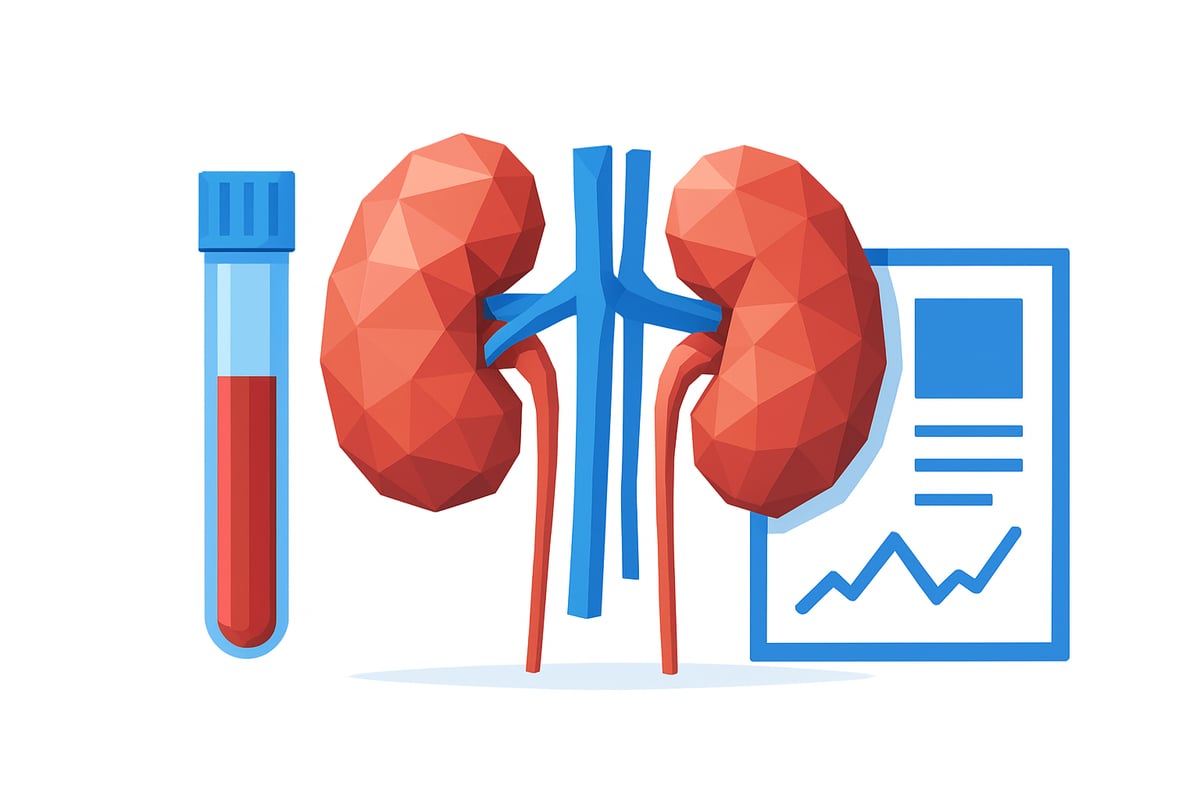
Your kidneys are remarkable organs with a wide range of responsibilities. They filter waste from your blood, balance fluids, regulate blood pressure, and keep electrolytes like sodium and potassium at healthy levels. When you get kidney tests blood, these functions are measured and tracked, making it easier to spot issues early.
| Kidney Function | What It Does |
|---|---|
| Waste Removal | Filters toxins from the blood |
| Fluid Balance | Controls body fluid levels |
| Blood Pressure | Regulates via hormone production |
| Electrolyte Balance | Maintains sodium, potassium, others |
Chronic kidney disease (CKD) is a silent threat, affecting over 37 million adults in the US. Many people do not feel any symptoms until the disease is advanced. Blood tests are essential because they can reveal signs of kidney stress or damage before you feel unwell. For those with diabetes, high blood pressure, or a family history of kidney problems, regular kidney tests blood are especially important.
Often, early detection means kidney problems can be managed or even reversed. Because these blood tests are non-invasive and reliable, they are usually the first step in checking kidney health. They help your doctor decide if more testing or treatment is needed.
Renal Function Panel
11 biomarkers
Common Reasons Your Doctor Orders Kidney Blood Tests
Doctors use kidney tests blood for several reasons, all aimed at keeping you healthy. Some common situations include:
- Routine health exams, especially if you have risk factors like diabetes or high blood pressure
- Monitoring chronic conditions to catch kidney changes early
- Investigating symptoms such as swelling, tiredness, or changes in urination
- Checking kidney function before surgery or when starting new medications
- If you have a family history of kidney disease
For example, a person with diabetes might get kidney tests blood each year to track any changes over time. These tests can help catch problems early, which is crucial. Research shows that early detection can delay or prevent kidney failure in up to 50 percent of people at high risk.
If your results are abnormal, your doctor may recommend follow-up testing to confirm the findings. Sometimes, simple factors like dehydration can affect your kidney tests blood, so staying hydrated and following any fasting instructions is important for accurate results.
Regular testing is a proactive way to protect your kidney health. Self-pay lab platforms like JustLabs make it easy and affordable to get the tests you need, even without insurance, thanks to transparent pricing.
Key Blood Tests for Assessing Kidney Function
If you have ever wondered what your kidney tests blood results mean, you are not alone. These tests help reveal how well your kidneys are working long before symptoms appear. Understanding each marker can empower you to make informed decisions about your health.
| Test | Normal Range (Adults) | What It Indicates |
|---|---|---|
| Serum Creatinine | Men: 0.7–1.3 mg/dL Women: 0.6–1.1 mg/dL | Kidney filtration of muscle waste |
| BUN | 7–20 mg/dL | Kidney filtration of nitrogen waste |
| eGFR | 90+ mL/min/1.73m² | Overall kidney function |
| Electrolytes | Varies by marker | Fluid, pH, and mineral balance |
| Cystatin C, NGAL, KIM-1 | Emerging markers | Early kidney injury detection |
Renal Function Panel
A comprehensive 11-biomarker panel that evaluates kidney health by measuring waste filtration, electrolyte balance, and mineral levels.
Includes 11 biomarkers
$11
Serum Creatinine: What It Measures and Why It Matters
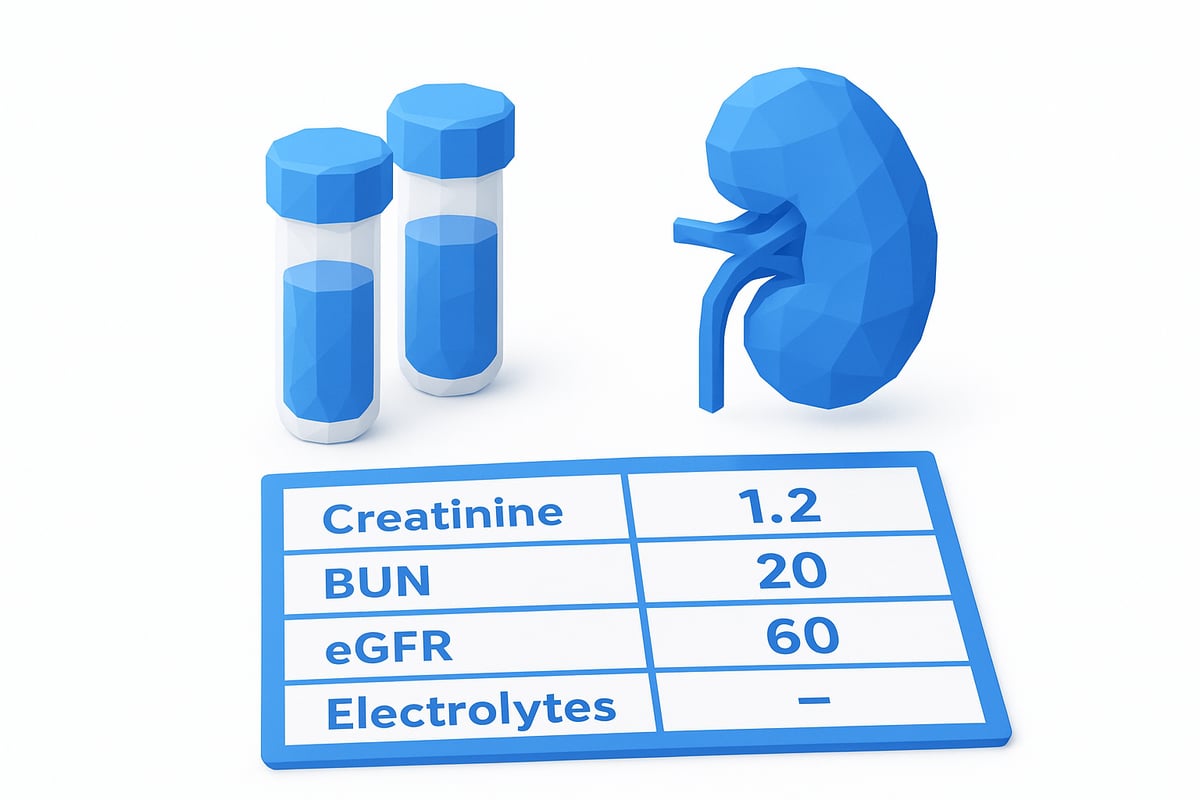
Serum creatinine is a waste product from muscle metabolism. Your kidneys filter it out of your blood. If your kidney tests blood show a creatinine level above the normal range—0.7 to 1.3 mg/dL for men and 0.6 to 1.1 mg/dL for women—it may suggest your kidneys are not filtering as efficiently as they should.
High creatinine can be caused by kidney impairment, dehydration, or even recent intense exercise. On the other hand, low creatinine may reflect low muscle mass, severe liver disease, or pregnancy. If your creatinine levels rise over time, it is a sign your kidney function could be declining.
It is important to remember that creatinine is only one piece of the puzzle. Doctors always interpret it alongside other kidney tests blood, such as BUN and eGFR, for a more complete picture. For a more detailed look at how creatinine and related markers are measured in a comprehensive panel, see this Understanding comprehensive metabolic panel resource.
Blood Urea Nitrogen (BUN): Understanding Nitrogen Waste Levels
Blood urea nitrogen, or BUN, measures the amount of nitrogen waste your kidneys remove from your blood. A typical range for adults is 7 to 20 mg/dL. When BUN is high, it can be due to kidney dysfunction, dehydration, a high-protein diet, or even heart failure.
If your kidney tests blood show a low BUN, it may be linked to liver failure, overhydration, or malnutrition. When both BUN and creatinine are elevated, it often points toward kidney issues. However, BUN is sensitive to your diet and hydration status, so values can fluctuate for reasons not related to your kidneys.
Doctors use BUN together with other kidney tests blood to determine if changes are due to kidney function or other factors. Always share any recent changes in your diet or fluid intake with your provider when reviewing your results.
Estimated Glomerular Filtration Rate (eGFR): The Gold Standard
Estimated glomerular filtration rate, or eGFR, is considered the gold standard for evaluating how well your kidneys filter waste. The eGFR is calculated using your creatinine level, age, sex, and sometimes race. A normal eGFR is 90 or higher, while a value below 60 for over three months may indicate chronic kidney disease.
Your kidney tests blood might show an eGFR of 55, which places you in stage 3 chronic kidney disease. This information helps your provider understand how advanced any kidney impairment may be and guides next steps for monitoring or treatment.
eGFR trends over time are more important than a single result. If your eGFR drops steadily, it is a sign your kidney health deserves close attention. Relying on eGFR, rather than creatinine alone, is now the preferred approach for assessing kidney function with kidney tests blood.
Electrolytes and Kidney Health: Sodium, Potassium, and More
Your kidneys help control the balance of electrolytes, including sodium, potassium, chloride, bicarbonate, calcium, and phosphorus. Abnormal levels can cause muscle weakness, heart rhythm changes, or bone problems.
If your kidney tests blood reveal high potassium, called hyperkalemia, it can be a medical emergency, especially in advanced kidney disease. Low sodium or calcium may also cause symptoms.
Electrolyte imbalances often signal more serious or advanced kidney dysfunction. By monitoring these values alongside other kidney tests blood, your doctor can help manage complications and adjust your care plan. Let your provider know about any symptoms like muscle cramps or irregular heartbeat.
Additional Markers: Cystatin C and New Biomarkers in 2026
Cystatin C is a newer blood marker used to assess kidney function. Unlike creatinine, it is less affected by muscle mass, making it valuable for elderly or very thin patients. If your kidney tests blood return borderline results, your doctor may order Cystatin C for a clearer answer.
In 2026, even more advanced tests such as NGAL and KIM-1 are emerging to detect kidney injury earlier than ever before. These new biomarkers can identify subtle kidney damage before it appears in traditional tests.
The combination of traditional and new markers in your kidney tests blood allows for more personalized and timely care. Discuss with your provider whether additional or repeat testing is needed, especially if your situation is complex.
Most kidney tests blood do not require fasting, but always follow your doctor's instructions. Drink water as usual before your test, and avoid overhydration. Some medications, like NSAIDs or diuretics, can affect your results, so share a complete medication list with your provider.
Remember, no single test tells the whole story. Your doctor looks at patterns, combinations, and trends in your kidney tests blood. If you need convenient testing, self-pay platforms like JustLabs offer transparent pricing and easy access to essential kidney blood tests.
Renal Function Panel
A comprehensive 11-biomarker panel that evaluates kidney health by measuring waste filtration, electrolyte balance, and mineral levels.
Includes 11 biomarkers
$11
Interpreting Your Kidney Blood Test Results
Understanding your kidney tests blood results can feel overwhelming, especially when you see numbers outside the normal range. It is important to remember that one abnormal result does not automatically mean you have kidney disease. Context, trends, and your overall health matter most when interpreting these labs.
What High or Low Values May Suggest
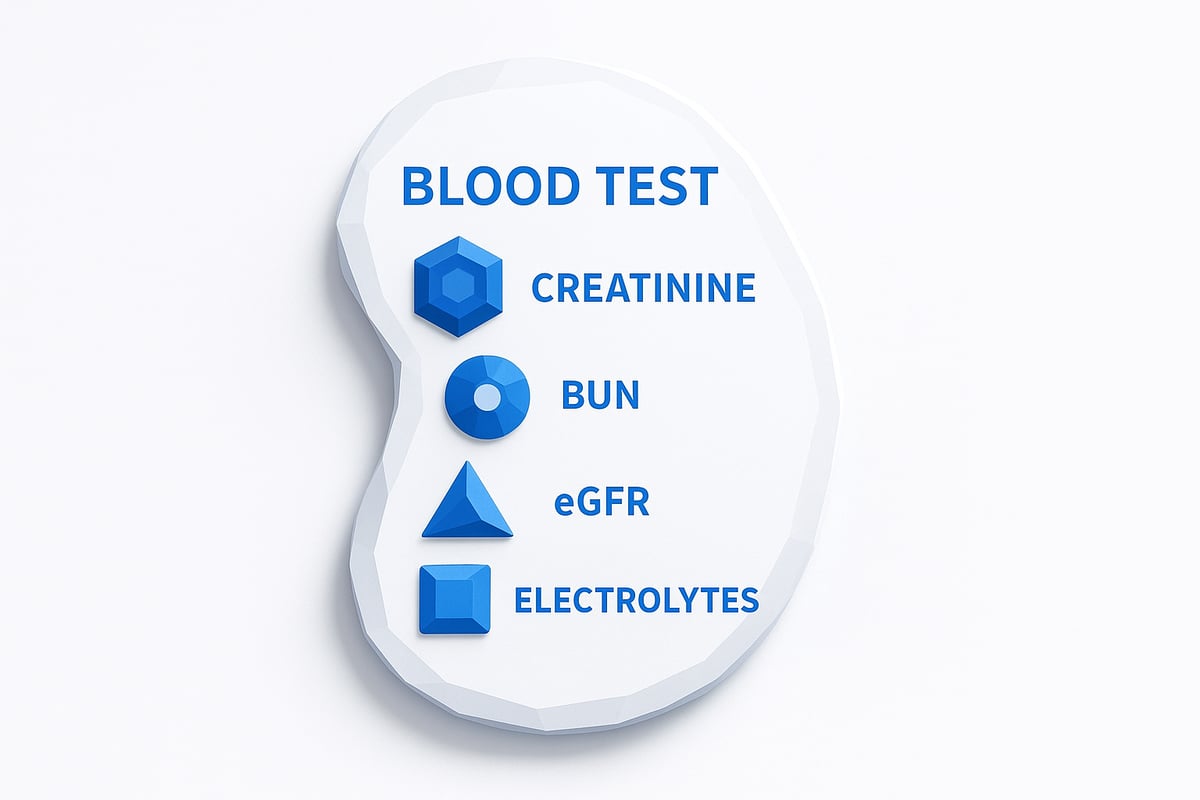
When reviewing your kidney tests blood results, you might notice some markers are higher or lower than the standard reference range. Here is a quick table summarizing common findings:
| Test | High Value Suggests | Low Value Suggests |
|---|---|---|
| Creatinine | Kidney impairment, dehydration, muscle injury | Low muscle mass, pregnancy, severe liver disease |
| BUN | Dehydration, high protein diet, kidney dysfunction | Malnutrition, liver issues, overhydration |
| eGFR | N/A | Reduced kidney filtration |
| Potassium | Kidney dysfunction, medication effect | Diuretics, poor intake |
For example, if your creatinine and BUN are both elevated, this may signal your kidneys are not filtering waste as well as they should. On the other hand, high BUN but normal creatinine could simply mean you are dehydrated. Low eGFR is a key marker for chronic kidney disease, but mild reductions can also occur with age.
Electrolyte imbalances, such as high potassium, can be serious and sometimes require urgent care. However, small changes in sodium or potassium can also result from diet or medications.
It is reassuring to know that up to 10 percent of adults may have mildly abnormal kidney tests blood results without underlying disease. Always discuss your results with a healthcare professional for context and next steps. For more details on what your numbers mean, you can consult this Guide to interpreting lab results.
How Tests Work Together for a Complete Picture
Kidney tests blood panels are designed to provide a comprehensive view of kidney health. No single test tells the whole story. Instead, doctors look for patterns across several markers.
For instance, a combination of high creatinine and low eGFR points more strongly to kidney dysfunction than either result alone. The BUN/creatinine ratio can help distinguish whether dehydration or true kidney damage is the cause. Electrolytes like potassium and sodium add further clues about how well your kidneys are balancing chemicals in your body.
Sometimes, all your values are normal except for one, such as a slightly high potassium. This could be due to a medication side effect rather than kidney disease. Trends over time are also important. Gradual increases in creatinine or decreases in eGFR suggest a need for closer monitoring.
Remember, kidney tests blood results are just one part of your health story. Your doctor will consider your symptoms, risk factors, and other exams when making recommendations.
When to Seek Follow-Up or Additional Testing
If your kidney tests blood results show persistent abnormalities over several checks, it is important to follow up with your provider. Rapid changes in your labs, even if they remain within normal ranges, can also signal a need for further evaluation.
Key reasons to seek additional testing or advice include:
- Ongoing swelling in your legs or around your eyes
- Fatigue that does not improve with rest
- Changes in urination, such as frequency, color, or foaming
- Confusion or difficulty concentrating
High-risk groups, such as those with diabetes, high blood pressure, or a family history of kidney disease, should be especially vigilant about regular monitoring.
If you were dehydrated or ill at the time of your test, your doctor may suggest repeating your labs after you are feeling better. Proper preparation, like staying hydrated and following instructions about fasting or medications, helps ensure accurate kidney tests blood results.
Self-pay platforms, such as JustLabs, make it easy to access kidney blood tests without insurance. Transparent pricing and convenient collection sites empower you to take charge of your kidney health.
Preparing for Your Kidney Blood Tests: Practical Tips
Getting ready for kidney tests blood can feel overwhelming, especially if you are unsure what to expect. A little preparation goes a long way toward ensuring your results are accurate and your experience is smooth. By knowing what to do before your kidney tests blood, you set yourself up for reliable results and peace of mind.

Fasting, Hydration, and Medication Considerations
For most kidney tests blood, fasting is not required. However, always follow your doctor’s specific instructions, as some tests may need you to avoid food or certain drinks. If you are unsure, ask your provider in advance to avoid confusion on test day.
Proper hydration is key. Drink your usual amount of water before your kidney tests blood. Being well-hydrated helps make your veins easier to find and supports accurate readings. Avoid drinking too much water, as overhydration can dilute your blood and affect the results.
Medications can influence kidney tests blood results. Some drugs, like NSAIDs, diuretics, or ACE inhibitors, may impact how your kidneys function or how the results are interpreted. Always tell your healthcare provider about all prescription medications, over-the-counter drugs, and supplements you are taking. In some cases, your doctor might ask you to pause certain medications before testing.
If you are using a self-pay lab testing service, check their preparation guidelines before your appointment. You can find step-by-step instructions on how self-pay lab testing works to ensure nothing is missed. Good preparation is the first step to getting the most accurate kidney tests blood results possible.
What to Expect During the Lab Visit
When you arrive for your kidney tests blood, you will be greeted by a lab professional who will confirm your information. The actual blood draw is quick and involves a small needle placed in your arm. You might feel a brief pinch, but discomfort is minimal and lasts only a few seconds.
Most kidney tests blood appointments take less than 15 minutes. After the blood draw, you might be asked to press on the site with gauze for a minute to prevent bruising. There is no downtime, so you can usually return to your normal routine right after.
Results for kidney tests blood are typically available within one to three days. Some labs provide secure online dashboards for viewing your results, making it easy to track changes over time. If you are new to self-pay lab testing, you will find the process straightforward and confidential, with clear communication at every step.
Preparing for kidney tests blood helps you feel in control and reduces anxiety. Whether you are monitoring a chronic condition or checking in on your health, following these practical tips ensures your results are accurate. Self-pay platforms like JustLabs make it easier than ever to access kidney tests blood with transparent pricing and simple instructions, so you can focus on your well-being.
Taking Control: Monitoring Kidney Health in 2026
Staying proactive about your kidney health has never been more important. With advances in kidney tests blood, patients now have the tools to spot issues early, track changes, and take action before symptoms appear. Understanding your test results can make a real difference in your long-term well-being.
The Value of Regular Testing and Early Detection
Routine kidney tests blood are a cornerstone of preventive health, especially for those with diabetes, high blood pressure, or a family history of kidney disease. These tests measure key markers such as creatinine, BUN, eGFR, and electrolytes. When checked regularly, they can reveal kidney problems before they become serious.
Early detection is powerful. According to the Kidney Fund, catching issues early and starting treatment can reduce the risk of kidney failure by up to 40%. For example, someone with diabetes may have annual kidney tests blood as part of their care plan. If a mild abnormality appears, a doctor can recommend changes to diet, medication, or lifestyle before complications develop.
Why is this so important? Chronic kidney disease often progresses silently, without obvious symptoms. Regular kidney tests blood can help spot trouble early, offering the best chance for effective treatment and a healthier life. By monitoring trends over time, you and your healthcare team can act quickly if something changes.
How Self-Pay Lab Testing Platforms Support Kidney Health
Access to kidney tests blood is easier than ever in 2026. Self-pay lab testing platforms, such as JustLabs, allow you to order tests directly online, no insurance or doctor referral needed. This approach makes routine monitoring affordable and convenient for everyone.
Transparent pricing means you know the cost upfront, so there are no surprises. With over 2,200 nationwide collection sites, you can schedule your kidney tests blood at a time and place that fits your routine. Results are typically available online in just a few days, helping you stay informed and in control.
If you are uninsured or prefer privacy, self-pay options bridge the gap in traditional healthcare. For instance, someone wanting an annual kidney panel can use lab tests without insurance information to get started quickly and confidently.
Taking charge of your kidney health is about having the right information at the right time. By combining regular kidney tests blood with accessible self-pay platforms, you can monitor your well-being, catch problems early, and make informed choices for your future.
Understanding your kidney blood test results is a powerful step in taking charge of your health, especially as early detection can make all the difference. If you’re ready to take the next step, you don’t have to wait for a doctor’s appointment or worry about insurance barriers. JustLabs offers you a simple, affordable way to monitor your kidney function with fast, reliable results you can trust. You deserve clarity and control over your health journey. If you’re curious about which tests are right for you or want to see your options, you can Browse Tests anytime.
Renal Function Panel
11 biomarkers