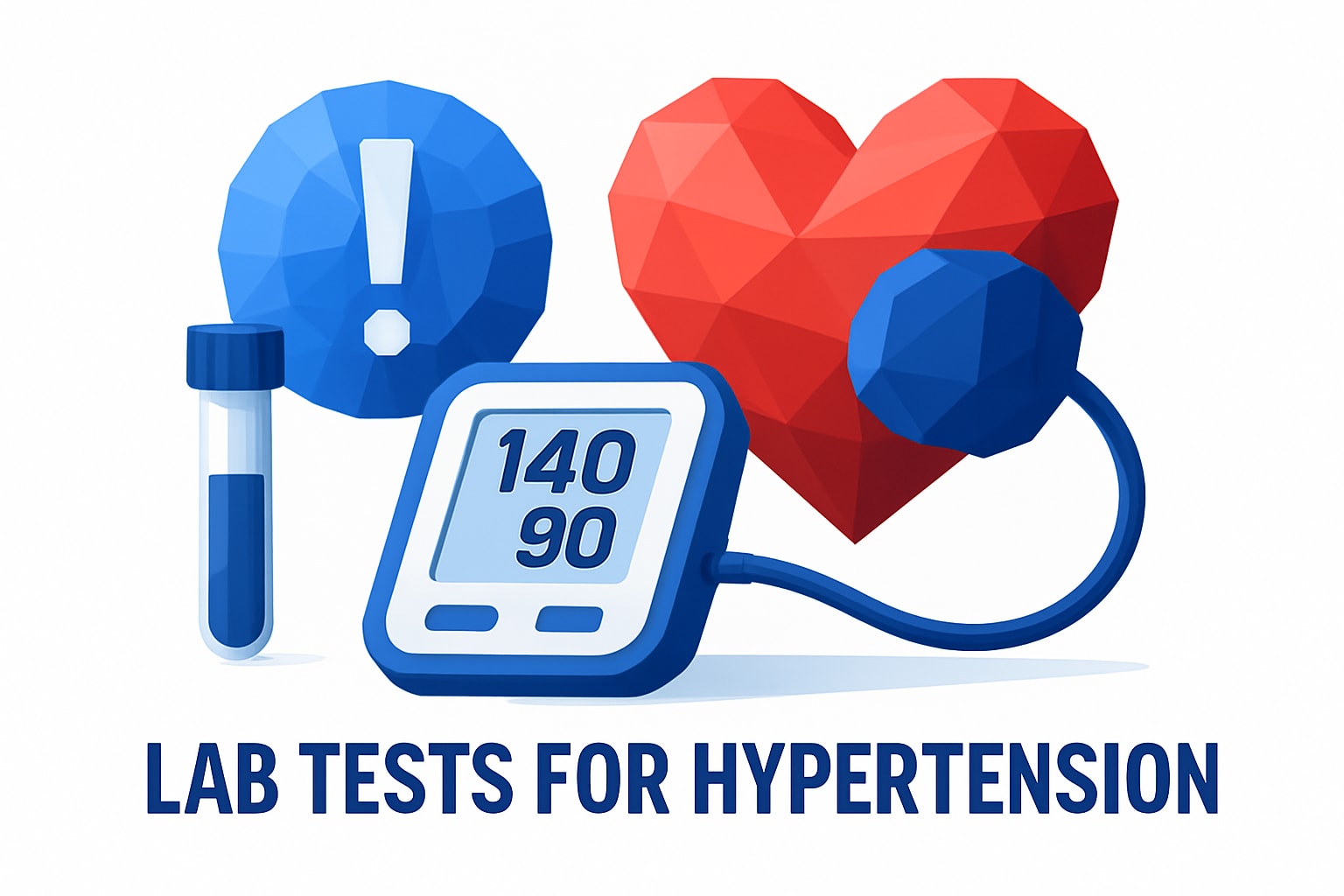
Managing high blood pressure requires more than occasional readings with a blood pressure cuff. Comprehensive hypertension lab work provides critical insights into how elevated blood pressure affects your organs and helps identify underlying causes that might be driving your condition. Cardiologists and primary care physicians rely on specific blood tests to assess organ damage, evaluate cardiovascular risk, and develop personalized treatment strategies. Understanding which tests matter and why they're ordered empowers you to take control of your cardiovascular health with informed decisions.
Why Hypertension Lab Work Matters for Your Long-Term Health
Blood pressure numbers tell only part of the story. The real concern with hypertension centers on what happens inside your body over time.
Elevated blood pressure silently damages vital organs including your kidneys, heart, blood vessels, and eyes. Laboratory testing reveals this damage before symptoms appear, when interventions are most effective. Regular hypertension lab work allows healthcare providers to track changes, adjust medications, and prevent serious complications like stroke, heart attack, kidney failure, and vision loss.
The Connection Between Lab Results and Organ Protection
Your kidneys filter waste from blood while maintaining fluid balance. Hypertension forces these organs to work harder, eventually causing scarring and reduced function. Blood tests detect early kidney damage through creatinine levels, estimated glomerular filtration rate (eGFR), and urinalysis findings.
The heart muscle thickens when pumping against high pressure, leading to heart failure over time. Certain biomarkers reveal cardiac stress before structural changes become irreversible.
Essential Blood Tests in Standard Hypertension Lab Work
When evaluating hypertension, baseline laboratory evaluations help establish your cardiovascular risk profile and screen for secondary causes.
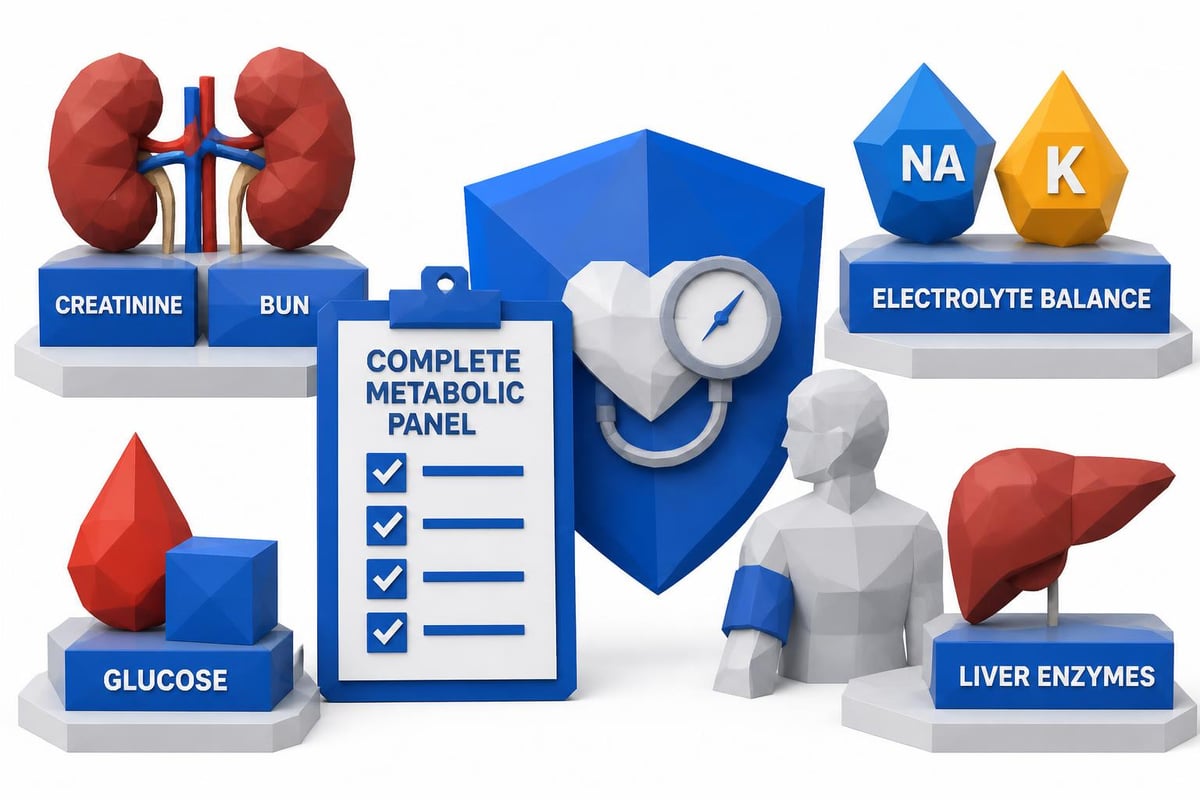
Complete Metabolic Panel (CMP)
This comprehensive test measures 14 different substances in your blood, providing crucial information about:
- Kidney function: Creatinine and blood urea nitrogen (BUN) levels indicate how well kidneys filter waste
- Electrolyte balance: Sodium, potassium, chloride, and bicarbonate levels affect blood pressure regulation
- Blood glucose: Elevated glucose increases cardiovascular risk and often coexists with hypertension
- Liver function: Enzyme levels help assess medication safety and identify contributing conditions
Abnormal potassium levels deserve particular attention. Low potassium (hypokalemia) may indicate excessive aldosterone production, a treatable cause of secondary hypertension. High potassium (hyperkalemia) can result from kidney dysfunction or certain blood pressure medications.
Lipid Profile
Cholesterol testing forms a cornerstone of cardiovascular risk assessment. This panel includes:
| Component | What It Measures | Target Range |
|---|---|---|
| Total Cholesterol | Overall cholesterol level | Below 200 mg/dL |
| LDL Cholesterol | "Bad" cholesterol that builds up in arteries | Below 100 mg/dL |
| HDL Cholesterol | "Good" cholesterol that removes LDL | Above 40 mg/dL (men), 50 mg/dL (women) |
| Triglycerides | Fat molecules in blood | Below 150 mg/dL |
Hypertension and high cholesterol together dramatically increase stroke and heart attack risk. Many patients require treatment for both conditions to achieve optimal cardiovascular protection.
Recommended Test
Lipid Panel (Standard)
The standard lipid panel measures your cholesterol and triglyceride levels - essential markers for assessing your risk of heart disease and stroke.
Includes 6 biomarkers
$8
Fasting required
Hemoglobin A1C
This test measures average blood glucose levels over the previous three months. Diabetes and hypertension frequently occur together, a combination that accelerates organ damage.
Identifying prediabetes or diabetes early allows for interventions that protect both blood vessels and kidneys. Values below 5.7% are considered normal, while 5.7% to 6.4% indicates prediabetes, and 6.5% or higher suggests diabetes.
Specialized Tests for Secondary Hypertension Screening
Most hypertension cases are primary (essential), meaning no single identifiable cause exists. However, about 10% of cases result from specific underlying conditions that require targeted treatment.
Thyroid Function Tests
Both overactive (hyperthyroidism) and underactive (hypothyroidism) thyroid conditions affect blood pressure. Thyroid-stimulating hormone (TSH) screening identifies these disorders, which respond well to specific treatments.
Hyperthyroidism typically elevates systolic blood pressure and increases heart rate, while hypothyroidism may raise diastolic pressure and contribute to elevated cholesterol.
Renin and Aldosterone Levels
These hormones regulate blood pressure through kidney function and fluid balance. The renin-aldosterone ratio helps diagnose primary aldosteronism, a condition where adrenal glands produce excessive aldosterone.
Primary aldosteronism accounts for 5-10% of hypertension cases. Identifying this condition matters because specific medications or surgery can cure or significantly improve blood pressure control.
Testing requirements include:
- Discontinuing certain blood pressure medications beforehand
- Collecting blood at specific times
- Maintaining normal sodium intake
- Testing in seated position after rest
Urinary Metanephrines
Pheochromocytomas are rare tumors that release excessive adrenaline and noradrenaline, causing severe, episodic blood pressure spikes. Twenty-four-hour urine collection or plasma testing detects these catecholamines.
Symptoms suggesting this condition include:
- Severe headaches during blood pressure episodes
- Excessive sweating
- Rapid heartbeat
- Anxiety or panic sensations
Kidney Function Monitoring Through Hypertension Lab Work
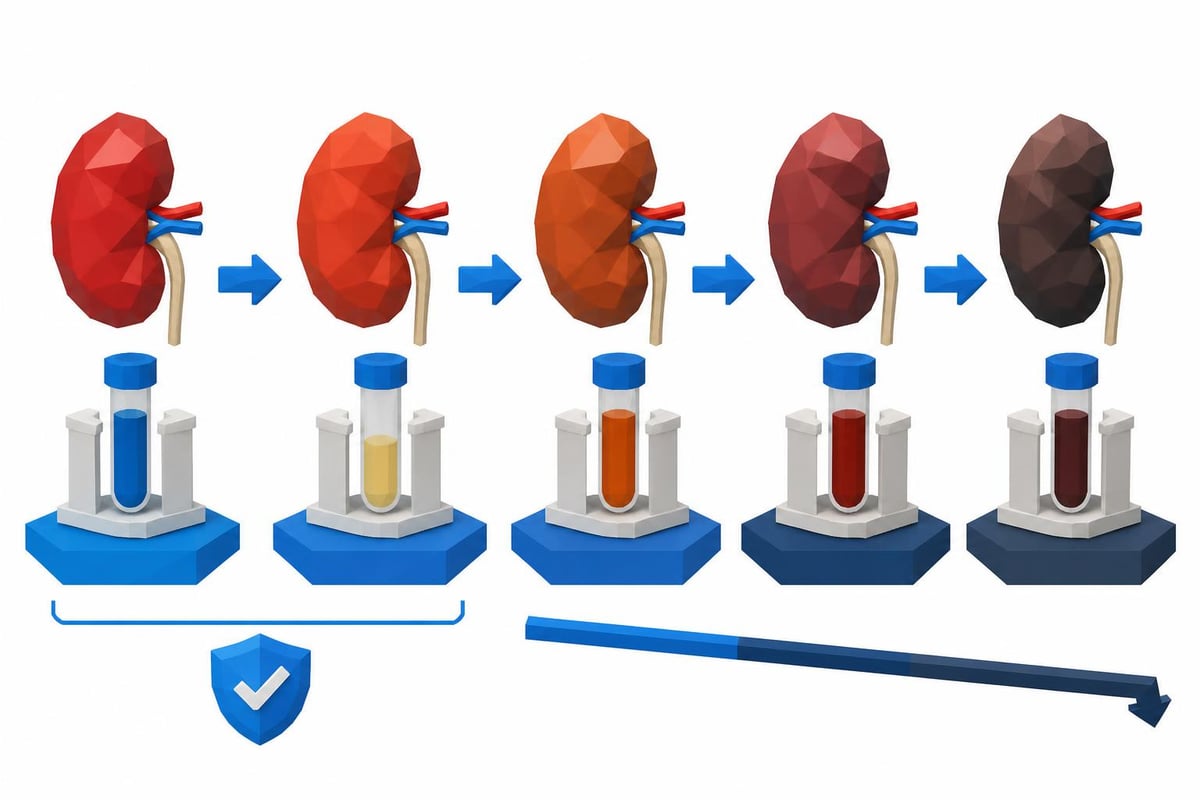
Kidneys represent both a cause and consequence of hypertension. Detailed kidney function assessment includes multiple components beyond basic metabolic panels.
Estimated Glomerular Filtration Rate (eGFR)
This calculation uses creatinine levels, age, sex, and race to estimate kidney filtering capacity. Values above 90 mL/min/1.73m² indicate normal function, while progressive decline signals worsening kidney disease.
Urinalysis and Microalbuminuria
Protein in urine indicates kidney damage. Standard urinalysis detects larger amounts, while specialized microalbuminuria testing identifies tiny quantities appearing early in kidney disease.
Finding even small amounts of protein prompts intensified blood pressure control to prevent progression. Accurate diagnostic methods help distinguish true hypertension from temporary elevations, ensuring appropriate treatment intensity.
Cardiac Biomarkers for Heart Damage Assessment
B-Type Natriuretic Peptide (BNP)
The heart releases BNP when stretched by increased pressure or volume. Elevated levels indicate heart strain and potential heart failure, even before symptoms develop.
This test helps determine whether shortness of breath results from heart problems or other causes. Rising BNP values over time suggest worsening cardiac function requiring treatment adjustment.
Troponin
While primarily used for diagnosing heart attacks, chronically elevated troponin levels indicate ongoing cardiac muscle damage from sustained hypertension. This finding suggests urgent need for better blood pressure control.
Understanding Your Test Results and Taking Action
Laboratory values provide objective data, but interpretation requires context. Several factors influence what results mean for you specifically.
Age, existing health conditions, medications, and family history all affect target ranges. A lipid profile showing LDL cholesterol of 110 mg/dL might be acceptable for someone with no other risk factors but concerning for someone with diabetes and hypertension.
When to Order Follow-Up Testing
Initial hypertension lab work establishes your baseline. Repeat testing schedules depend on:
- Blood pressure control status
- Presence of organ damage
- Medication changes
- Development of new symptoms
Well-controlled hypertension typically requires annual lab work. Poorly controlled blood pressure, kidney disease, or recent medication adjustments necessitate more frequent monitoring every 3-6 months.
Cost Considerations and Access to Testing
Traditional healthcare pathways for obtaining hypertension lab work involve multiple steps: scheduling doctor appointments, getting test orders, visiting labs, and paying fees that vary widely depending on insurance coverage.
Many people with high blood pressure benefit from regular monitoring but face barriers including cost, time constraints, and insurance limitations. Ordering lab tests without a doctor provides an alternative pathway that maintains testing quality while reducing complexity.
Transparent Pricing vs. Insurance-Based Testing
Insurance coverage for preventive lab work varies significantly. Some plans cover annual testing fully, while others require substantial copays or apply tests toward high deductibles. Understanding lab test pricing upfront eliminates surprise bills and allows informed decisions.
Self-pay options often cost less than insurance-based testing for people with high-deductible plans. Direct access also speeds the process, with results typically available within 1-3 days rather than waiting weeks for appointments.
Interpreting Results: What Numbers Mean
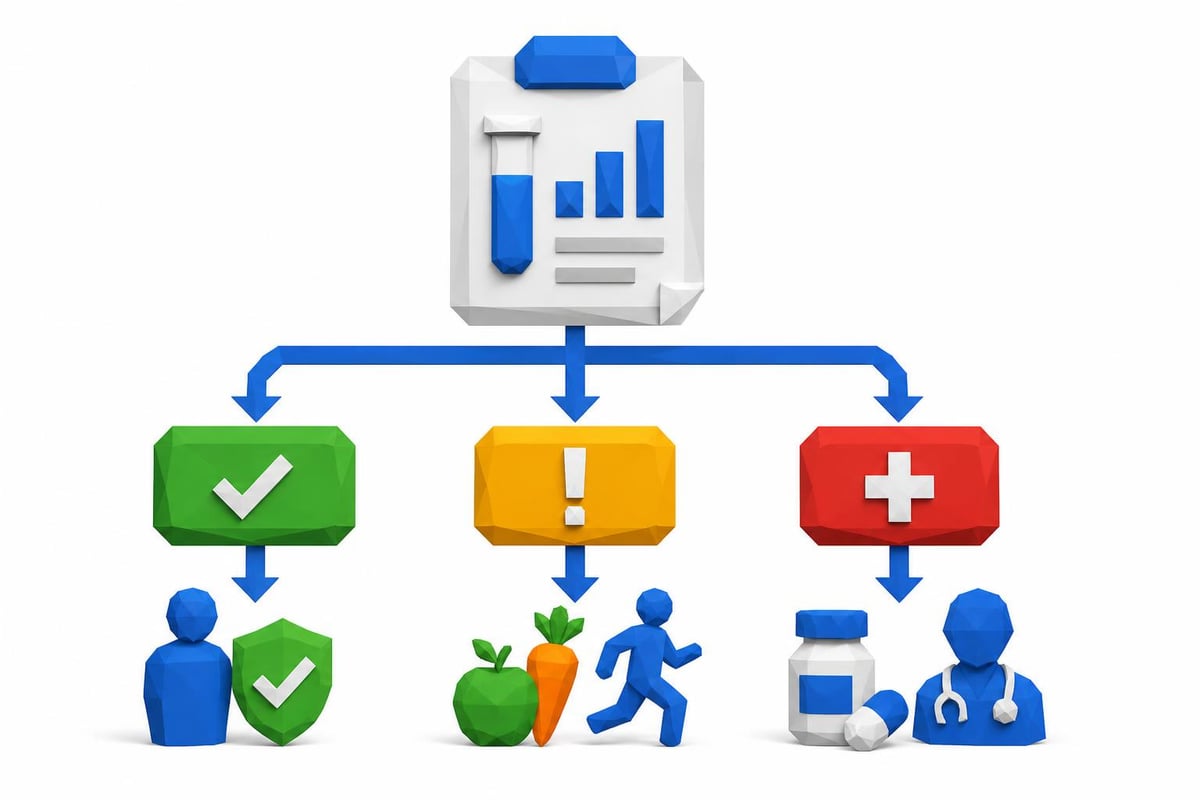
Raw numbers need translation into actionable information. Here's what common findings indicate:
| Test | Normal Result | Borderline | Action Needed |
|---|---|---|---|
| Creatinine (male) | 0.7-1.3 mg/dL | 1.3-1.5 mg/dL | Above 1.5 mg/dL |
| Creatinine (female) | 0.6-1.1 mg/dL | 1.1-1.3 mg/dL | Above 1.3 mg/dL |
| eGFR | Above 90 | 60-89 | Below 60 |
| Potassium | 3.5-5.0 mEq/L | 5.0-5.5 or 3.0-3.5 | Above 5.5 or below 3.0 |
| Hemoglobin A1C | Below 5.7% | 5.7-6.4% | 6.5% or higher |
Borderline results warrant lifestyle modifications and closer monitoring. Values requiring action typically prompt medication adjustment or additional diagnostic workup.
Tracking Trends Over Time
Single abnormal results sometimes reflect temporary conditions. Consistent patterns across multiple tests provide more reliable information about disease progression or treatment effectiveness.
Keep personal records of all lab results. Comparing current values with previous tests reveals whether kidney function is stable or declining, whether glucose control is improving, and whether lipid management strategies are working.
Lifestyle Factors That Influence Lab Results
Test preparation affects accuracy. Fasting requirements apply to lipid panels and glucose testing, typically requiring 9-12 hours without food or caloric beverages.
Hydration status influences creatinine levels and electrolyte balance. Dehydration can artificially elevate creatinine, suggesting worse kidney function than actually exists. Conversely, excessive fluid intake may dilute electrolyte concentrations.
Timing matters for certain tests. Cortisol and aldosterone levels vary throughout the day. Recent exercise, stress, or medication doses can skew results.
Integrating Lab Work With Blood Pressure Monitoring
Laboratory testing complements but doesn't replace regular blood pressure measurement. Various guidelines on hypertension screening emphasize accurate diagnosis before starting treatment.
Home blood pressure monitoring provides the most representative readings for many patients. Multiple measurements over several weeks characterize true blood pressure patterns better than isolated office readings, which may be artificially elevated due to "white coat" hypertension or reduced due to "masked" hypertension.
The combination of comprehensive hypertension lab work and reliable blood pressure data enables precise risk stratification and treatment optimization.
How Often Should You Update Your Hypertension Lab Work
Testing frequency depends on multiple variables. Newly diagnosed hypertension requires baseline labs followed by repeat testing after starting medications to assess tolerance and effectiveness.
Stable, well-controlled hypertension needs annual screening to detect emerging complications. Deteriorating kidney function, poorly controlled blood pressure, or medication changes justify testing every 3-4 months.
Diabetes combined with hypertension increases kidney disease risk, warranting at minimum twice-yearly kidney function assessment. Similarly, patients taking medications affecting potassium levels require more frequent electrolyte monitoring.
Special Populations and Testing Considerations
Pregnancy and Hypertension
Pregnant women with chronic hypertension or those developing preeclampsia require specialized monitoring including:
- Uric acid levels
- Liver enzymes
- Platelet counts
- Protein quantification in 24-hour urine collection
These tests help distinguish preeclampsia from chronic hypertension and guide treatment decisions protecting both mother and baby.
Older Adults
Age-related kidney function decline means elderly patients with hypertension need careful monitoring for medication-induced kidney injury. Lower creatinine production in older adults can mask declining kidney function, making eGFR calculation more important than creatinine alone.
Medication doses often require adjustment based on kidney function. Regular testing prevents accumulation of drugs cleared by kidneys, reducing side effect risk.
Athletes and Physically Active Individuals
Intense exercise increases muscle breakdown, temporarily elevating creatinine levels. Athletes should schedule testing during rest periods for accurate kidney function assessment.
Similarly, resistance training affects potassium distribution between muscle cells and bloodstream, potentially causing misleading results if tested immediately after workouts.
Accessing Convenient, Affordable Hypertension Lab Work
Modern healthcare delivery increasingly recognizes that traditional appointment-based testing doesn't serve everyone's needs. Work schedules, transportation challenges, and geographic limitations create barriers to regular monitoring.
Self-directed lab testing removes these obstacles while maintaining quality standards. Getting lab tests at convenient locations throughout your area eliminates travel burdens and scheduling conflicts.
For those managing healthcare costs directly, understanding insurance alternatives reveals options that provide necessary testing without coverage complications. Many preventive health services, including routine lab work, qualify for payment through health savings accounts, making FSA and HSA eligible tests an economical choice.
Recommended Panel
Advanced Heart Health Panel
Save $6Go beyond basic cholesterol testing. This advanced panel includes the markers cardiologists use to assess true cardiovascular risk: ApoB, Lp(a), homocysteine, and inflammation.
Includes 10 biomarkers
$86
Fasting required
Making Sense of Complex Results
Laboratory reports contain medical terminology and reference ranges that can feel overwhelming. Understanding lab results transforms raw data into meaningful health information you can discuss confidently with healthcare providers.
Focus on these key principles:
- Values slightly outside reference ranges aren't always concerning
- Trends matter more than isolated results
- Multiple abnormal findings together suggest greater concern than single outliers
- Reference ranges represent 95% of healthy people, meaning 5% of normal individuals fall outside ranges
Sharing results with your physician provides professional interpretation within your complete health context. However, understanding the basics helps you ask informed questions and participate actively in treatment decisions.
Connecting Lab Results to Treatment Decisions
Hypertension lab work directly influences medication selection. Kidney function affects which drugs are safe and appropriate doses. Potassium levels determine whether certain medication classes should be avoided or combined.
For example, ACE inhibitors and angiotensin receptor blockers (ARBs) protect kidneys in diabetes but can elevate potassium. Patients with already-high potassium levels might need different medication classes.
Diuretics lower blood pressure partly by removing sodium and fluid but also deplete potassium. Baseline electrolyte testing and periodic monitoring prevent dangerous imbalances.
Lipid results influence whether statin therapy should accompany blood pressure medication. The combination provides superior cardiovascular protection compared to blood pressure control alone in many patients.
Beyond Basic Panels: When Additional Testing Helps
Standard hypertension lab work addresses most patients' needs, but specific situations warrant expanded testing.
Sleep apnea frequently coexists with hypertension, particularly resistant hypertension that doesn't respond to multiple medications. While not a blood test, sleep studies identify this treatable contributor to elevated blood pressure.
Inflammatory markers like C-reactive protein (CRP) assess cardiovascular risk beyond traditional factors. Elevated CRP combined with hypertension may justify more aggressive risk factor modification.
Genetic testing rarely affects hypertension management currently but shows promise for identifying inherited conditions contributing to early-onset or severe blood pressure elevation.
Regular hypertension lab work transforms blood pressure management from simple number monitoring into comprehensive organ protection. These tests reveal silent damage, identify treatable underlying causes, guide medication selection, and track treatment success over time. Whether you're newly diagnosed or managing long-standing hypertension, consistent laboratory monitoring provides the data foundation for optimal health outcomes. Justlabs makes accessing essential testing straightforward and affordable, delivering results within 1-3 days so you can take prompt action on your cardiovascular health without the delays and complexity of traditional testing pathways.