Baseline Labs Before Starting TRT: Complete Guide
Starting testosterone replacement therapy (TRT) represents a significant medical decision that requires careful preparation and comprehensive evaluation. Before initiating treatment, establishing a complete baseline through laboratory testing provides essential information about your current health status, identifies potential contraindications, and creates reference points for monitoring therapy effectiveness and safety. Understanding which tests are necessary and why they matter empowers you to make informed decisions about your health journey.
Big picture
- Baseline labs before starting TRT establish your pre-treatment hormone levels, cardiovascular health, metabolic function, and organ status to ensure safe therapy initiation
- Multiple testosterone measurements (typically two morning samples) are essential because single tests can be unreliable due to natural fluctuations in hormone levels throughout the day and month
- Comprehensive screening includes total and free testosterone, complete blood count, prostate-specific antigen (PSA), lipid panel, liver function, and metabolic markers that identify contraindications
- Men with elevated hematocrit, active prostate cancer, uncontrolled heart failure, or untreated sleep apnea may not be candidates for TRT without addressing these conditions first
- These baseline values become your personal reference points for monitoring how your body responds to therapy and adjusting treatment protocols over time
- Ordering labs without insurance or lengthy doctor appointments is now possible through direct-access services, making comprehensive testing more accessible and affordable
Understanding the Foundation: Why Baseline Testing Matters
Testosterone replacement therapy affects multiple body systems beyond sexual function and muscle mass. The British Society for Sexual Medicine guideline emphasizes that proper baseline evaluation protects patient safety while optimizing treatment outcomes.
Establishing True Hormone Status
A single testosterone measurement rarely provides sufficient information for treatment decisions. Testosterone levels fluctuate based on time of day, stress levels, sleep quality, and recent illness. Morning levels are typically 20-30% higher than afternoon measurements.
Most clinical guidelines recommend obtaining at least two separate morning measurements to confirm low testosterone. The American Family Physician review outlines specific timing requirements for accurate diagnosis.
Key considerations for testosterone testing:
- Samples should be collected between 7:00 AM and 11:00 AM
- Tests should be separated by at least one week
- Avoid testing during acute illness or periods of extreme stress
- Both total and free testosterone provide different diagnostic information
Identifying Safety Concerns Before Treatment
Baseline labs before starting TRT reveal conditions that may worsen with testosterone therapy or require management before initiating treatment. Cardiovascular health, blood cell production, and prostate status all require evaluation.
Essential Hormone Panel Components
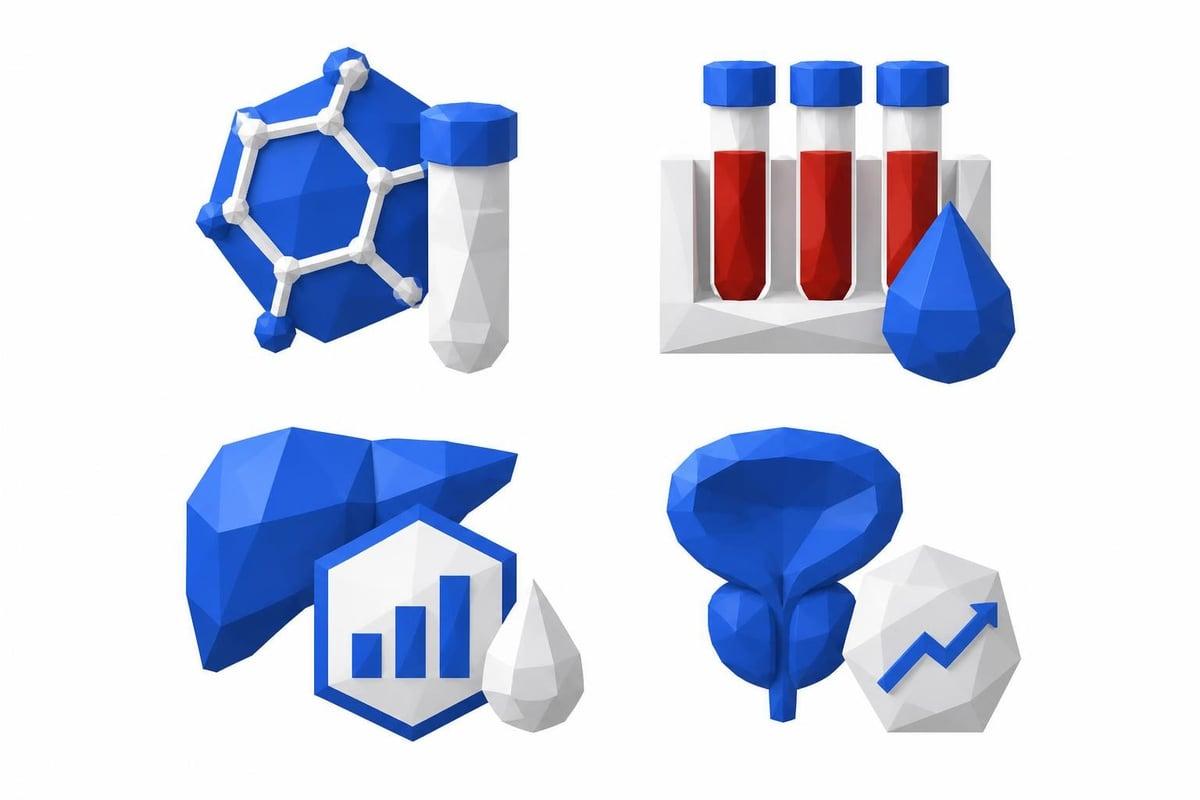
The hormone evaluation extends beyond simple testosterone measurement. A comprehensive baseline establishes how your endocrine system currently functions and identifies potential causes of low testosterone.
Testosterone Measurements
Total testosterone provides the screening value, but free testosterone often matters more for symptom correlation. According to MedlinePlus guidance on testosterone testing, approximately 98% of testosterone circulates bound to proteins, making only 2% biologically available.
| Test Type | What It Measures | Clinical Significance |
|---|---|---|
| Total Testosterone | All testosterone in blood | Initial screening value |
| Free Testosterone | Unbound, active hormone | Better symptom correlation |
| Bioavailable Testosterone | Free plus albumin-bound | Alternative activity measure |
| SHBG | Binding protein levels | Explains free/total relationship |
Pituitary and Supporting Hormones
Luteinizing hormone (LH) and follicle-stimulating hormone (FSH) reveal whether low testosterone originates from testicular failure (primary hypogonadism) or inadequate pituitary signaling (secondary hypogonadism). This distinction affects treatment decisions and fertility considerations.
Estradiol levels also warrant baseline measurement. Some men convert testosterone to estrogen excessively, which can cause side effects during therapy.
Additional hormone markers to consider:
- Prolactin (elevated levels suppress testosterone production)
- Thyroid-stimulating hormone (hypothyroidism mimics low testosterone symptoms)
- DHEA-sulfate (adrenal androgen production assessment)
Recommended Panel
Male Hormone Panel
Save $4This comprehensive panel measures testosterone (free and total), plus the supporting hormones that affect how testosterone works in your body: SHBG, estradiol sensitive, DHEA-S, and cortisol.
Includes 6 biomarkers
$105.50
Cardiovascular and Metabolic Screening
The Endocrine Society statement on testosterone replacement therapy emphasizes cardiovascular risk assessment as part of baseline evaluation. Several markers provide critical safety information.
Complete Blood Count and Hematocrit
Testosterone stimulates red blood cell production through increased erythropoietin. Men starting with elevated hematocrit (above 50-54%, depending on criteria) face increased risk of further elevation during therapy.
Elevated hematocrit increases blood viscosity, potentially raising risks for:
- Blood clots and deep vein thrombosis
- Stroke from reduced cerebral blood flow
- Heart attack from increased cardiac workload
- Pulmonary embolism
Baseline testing identifies men who require intervention before starting TRT or who need particularly careful monitoring.
Lipid Profile Assessment
Testosterone's effects on cholesterol remain complex and somewhat controversial. Some studies show neutral or beneficial effects, while others suggest potential HDL reduction. Establishing baseline lipid levels allows proper monitoring.
A complete lipid panel includes total cholesterol, LDL cholesterol, HDL cholesterol, and triglycerides. Men with significantly elevated cardiovascular risk may need risk optimization before initiating therapy.
Glucose and Metabolic Function
Low testosterone correlates with insulin resistance and diabetes risk. Many men beginning TRT have metabolic syndrome components. The EAU Guidelines on Sexual and Reproductive Health recommend baseline metabolic assessment.
Testing includes:
- Fasting glucose or hemoglobin A1c for diabetes screening
- Comprehensive metabolic panel for kidney and liver function
- Liver enzymes (ALT, AST) to establish baseline before therapy
- Creatinine and estimated GFR for kidney function assessment

Prostate Health Evaluation
Prostate-specific antigen (PSA) testing generates significant discussion in TRT protocols. While testosterone doesn't cause prostate cancer, it may accelerate existing malignancy growth.
PSA Baseline Requirements
The Urology Care Foundation guidance recommends baseline PSA for men over 40 before starting TRT. Significantly elevated PSA or rapid PSA rise requires urological evaluation before therapy initiation.
PSA interpretation considerations:
- Normal ranges vary by age and prostate size
- Values above 4.0 ng/mL typically warrant further investigation
- Velocity (rate of change) matters more than absolute values
- Digital rectal examination provides complementary information
Age-Specific Screening Protocols
Men under 40 without prostate cancer risk factors may not require routine PSA screening. Those with family history of prostate cancer need earlier and more frequent monitoring.
The Brazilian endocrine and urology societies position statement provides detailed guidance on risk-stratified approaches to prostate monitoring in TRT candidates.
Additional Screening Considerations
Beyond the core baseline labs before starting TRT, certain clinical situations require expanded testing panels based on individual health history and risk factors.
Fertility Assessment
Men desiring future fertility need baseline fertility evaluation before TRT. Testosterone therapy suppresses sperm production in most men, with recovery taking months to years after discontinuation.
Baseline semen analysis documents:
- Sperm count and concentration
- Motility (movement capability)
- Morphology (normal shape percentage)
- Volume and pH
LH and FSH levels provide additional fertility-related information about testicular function and reserve capacity.
Sleep Apnea Screening
Undiagnosed sleep apnea represents both a cause of low testosterone and a relative contraindication to therapy. Testosterone therapy can worsen sleep apnea in susceptible individuals.
Men with obesity, large neck circumference, loud snoring, or witnessed breathing pauses during sleep should undergo sleep study evaluation before starting TRT.
Bone Density Assessment
Long-standing testosterone deficiency leads to decreased bone mineral density and osteoporosis risk. Men with extended periods of untreated hypogonadism may benefit from baseline DEXA scanning to establish bone health status.
Timing and Logistics of Baseline Testing
Proper timing and test execution significantly impact result accuracy and clinical utility. Understanding optimal testing protocols ensures reliable baseline establishment.
Morning Collection Requirements
Most baseline labs before starting TRT require morning collection, particularly hormone measurements. Testosterone levels peak between 7:00 AM and 11:00 AM in most men, though this pattern may diminish with age.
Scheduling considerations include:
- Fasting for 8-12 hours for glucose and lipid accuracy
- Avoiding strenuous exercise for 24 hours before testing
- Adequate sleep the night before hormone testing
- Rescheduling if acutely ill or recovering from illness
Accessing Laboratory Services
Traditional laboratory testing typically requires physician orders and insurance coordination. However, ordering lab tests without a doctor through direct-access services provides an alternative pathway.
Services like JustLabs allow individuals to order comprehensive testing panels online with transparent, affordable pricing. Results typically return within 1-3 days, enabling faster treatment decision-making.
Recommended Panel
Comprehensive Wellness Panel
Save $4.50Our most thorough health screening covers blood cells, organ function, cholesterol, thyroid, blood sugar, vitamin D, inflammation, and iron - everything you need for a complete health picture.
Includes 44 biomarkers
$94
Fasting required
Interpreting Your Baseline Results
Understanding what baseline values mean provides context for treatment discussions with healthcare providers. Reference ranges offer guidelines, but individual context matters significantly.
Testosterone Reference Ranges
Laboratory reference ranges for total testosterone typically span 300-1000 ng/dL, though exact ranges vary by laboratory and measurement method. However, normal for the population doesn't necessarily mean optimal for an individual.
| Age Group | Typical Lower Limit | Typical Upper Limit | Clinical Considerations |
|---|---|---|---|
| 20-29 years | 400-500 ng/dL | 900-1000 ng/dL | Peak physiologic levels |
| 30-39 years | 350-450 ng/dL | 800-900 ng/dL | Gradual decline begins |
| 40-49 years | 300-400 ng/dL | 750-850 ng/dL | Symptoms may emerge |
| 50+ years | 300-350 ng/dL | 700-800 ng/dL | Age-related decrease |
Men with symptoms of hypogonadism despite "normal" results may still be candidates for therapy if levels represent significant decline from previous individual baseline.
Red Flag Values Requiring Attention
Certain baseline results require addressing before TRT initiation:
Hematocrit above 50-52%: Requires investigation for underlying causes (sleep apnea, dehydration, lung disease) and potential intervention before therapy.
PSA above 4.0 ng/mL or rapid rise: Warrants urological evaluation to exclude prostate cancer before testosterone administration.
Severe liver dysfunction: Oral testosterone formulations are contraindicated; injectable forms require careful monitoring.
Uncontrolled heart failure: Fluid retention from testosterone may worsen symptoms; cardiac optimization needed first.
Creating Your Testing Strategy
A systematic approach to baseline laboratory evaluation ensures comprehensive assessment while managing costs and time investment effectively.
Selecting the Right Test Panel
Rather than ordering individual tests, comprehensive panels often provide better value and complete information. The typical baseline evaluation includes:
- Hormone panel: Total testosterone, free testosterone, LH, FSH, estradiol, SHBG
- Complete blood count: Hemoglobin, hematocrit, white blood cells, platelets
- Comprehensive metabolic panel: Glucose, kidney function, liver enzymes, electrolytes
- Lipid panel: Total cholesterol, LDL, HDL, triglycerides
- Prostate marker: PSA for appropriate age groups
Checking transparent lab test pricing helps budget for comprehensive evaluation without surprise costs.
Follow-Up Testing Timeline
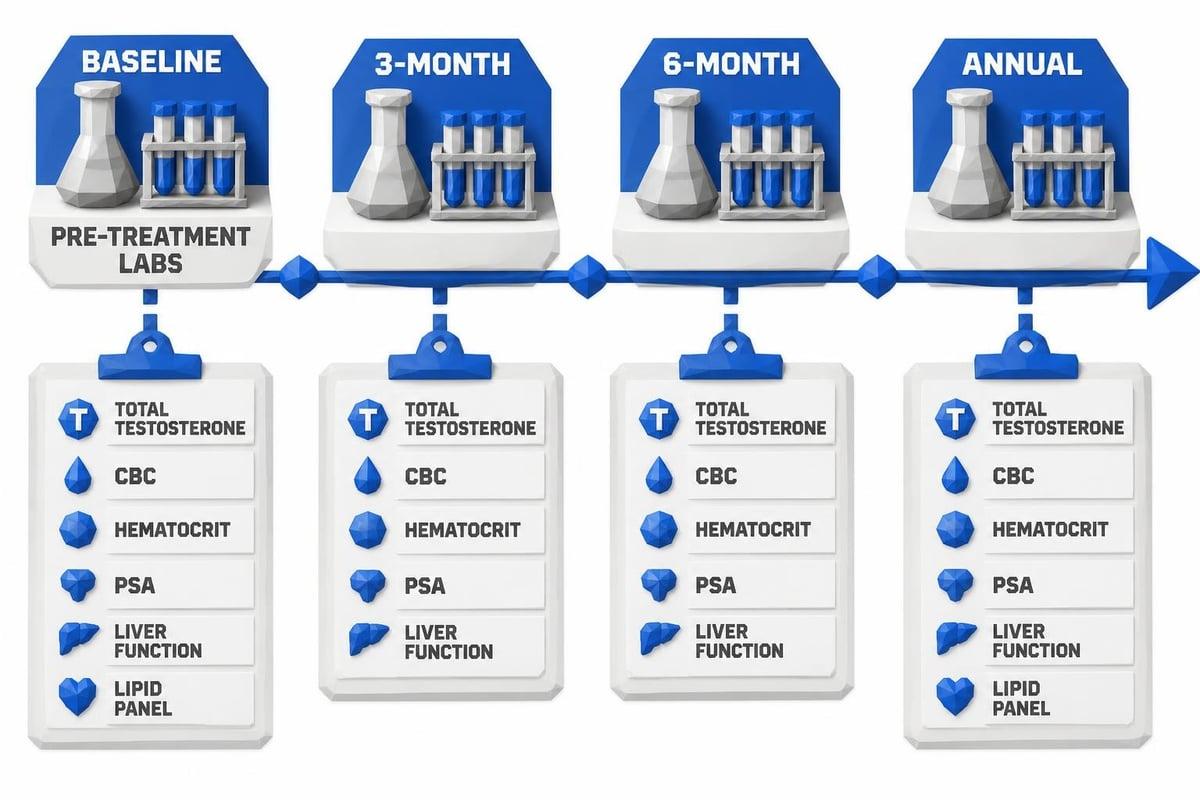
Baseline labs before starting TRT establish your starting point, but ongoing monitoring remains essential. Typical follow-up schedules include:
- 3 months after initiation: First reassessment of testosterone levels, hematocrit, and symptom response
- 6 months: Comprehensive panel including PSA and metabolic markers
- Annually: Complete baseline panel repetition for long-term monitoring
Key Takeaways
Proper baseline laboratory evaluation before initiating testosterone replacement therapy protects your health while establishing reference points for monitoring treatment effectiveness. Comprehensive screening should include multiple testosterone measurements, complete blood counts, metabolic panels, lipid profiles, and prostate-specific antigen for appropriate age groups. Understanding which tests matter and why they're necessary empowers informed decision-making about TRT candidacy. Morning collection timing, fasting requirements, and proper test interpretation all contribute to accurate baseline establishment. Direct-access laboratory services now make obtaining these critical baseline labs before starting TRT more convenient and affordable than traditional pathways requiring insurance authorization and multiple doctor visits.
FAQ
How many testosterone tests do I need before starting TRT?
Clinical guidelines recommend at least two separate morning testosterone measurements to confirm low levels. Single measurements can be unreliable due to natural hormone fluctuations. Tests should be separated by at least one week and collected between 7:00 AM and 11:00 AM for accuracy.
What is considered low testosterone that qualifies for TRT?
Most guidelines define low testosterone as total levels below 300 ng/dL confirmed on two separate morning measurements, accompanied by symptoms of hypogonadism. However, men with symptoms and levels in the low-normal range (300-400 ng/dL) may also be candidates depending on individual circumstances and symptom severity.
Do I need a doctor's order to get baseline labs for TRT?
While traditional laboratory testing requires physician orders, direct-access services allow you to order comprehensive baseline testing independently. You can review results with your healthcare provider to discuss TRT candidacy and develop an appropriate treatment plan.
How much do baseline labs cost without insurance?
Costs vary significantly depending on which tests are included and where testing occurs. Direct-access laboratory services typically offer transparent pricing ranging from $100-$400 for comprehensive baseline panels, often less expensive than insurance copays and deductibles through traditional medical channels.
Can elevated PSA prevent me from starting TRT?
Elevated PSA requires urological evaluation to exclude prostate cancer before TRT initiation. Significantly elevated values or rapidly rising PSA represents a relative contraindication until proper investigation occurs. Once prostate cancer is ruled out or treated, TRT may still be possible with appropriate monitoring.
What happens if my hematocrit is too high at baseline?
Baseline hematocrit above 50-54% requires investigation for underlying causes like sleep apnea, chronic lung disease, or dehydration. These conditions need addressing before TRT initiation. Some men may require therapeutic phlebotomy (blood donation) to reduce hematocrit to safer levels before beginning therapy.
How long do baseline lab results remain valid?
Most providers consider baseline labs valid for 3-6 months if clinical status remains stable. Results older than six months typically require repeat testing before TRT initiation, as health status and hormone levels can change over time. Acute illnesses or significant health changes necessitate new baseline establishment.
Comprehensive baseline laboratory testing establishes the foundation for safe and effective testosterone replacement therapy while identifying potential contraindications that require management. When you're ready to obtain your baseline labs before starting TRT, JustLabs provides convenient online ordering with transparent pricing, quick results delivery, and no insurance requirements, making it simple to take the first step toward optimizing your hormonal health.