Autoimmune hepatitis is a chronic liver disease where the body's immune system attacks liver cells, causing inflammation and potential long-term damage. Diagnosing this condition relies heavily on laboratory testing, as autoimmune hepatitis labs provide critical information about liver function, immune activity, and disease severity. Understanding which tests are necessary, what they measure, and how to interpret results empowers patients to take control of their health journey.
Big picture
- Autoimmune hepatitis is a condition where your immune system mistakenly attacks your liver, causing inflammation that can progress to cirrhosis if untreated
- Laboratory testing is essential because autoimmune hepatitis often develops gradually with minimal symptoms until significant liver damage occurs
- Key autoimmune hepatitis labs include liver enzymes (ALT, AST), autoantibodies (ANA, SMA, LKM-1), and immunoglobulin levels, particularly IgG
- This condition affects approximately 100,000-200,000 Americans, with women being diagnosed three to four times more frequently than men
- Early detection through lab testing can prevent serious complications like cirrhosis, liver failure, and the need for transplantation
- You can access testing without insurance through services that offer transparent lab pricing and direct-to-consumer options
Understanding Autoimmune Hepatitis Laboratory Tests
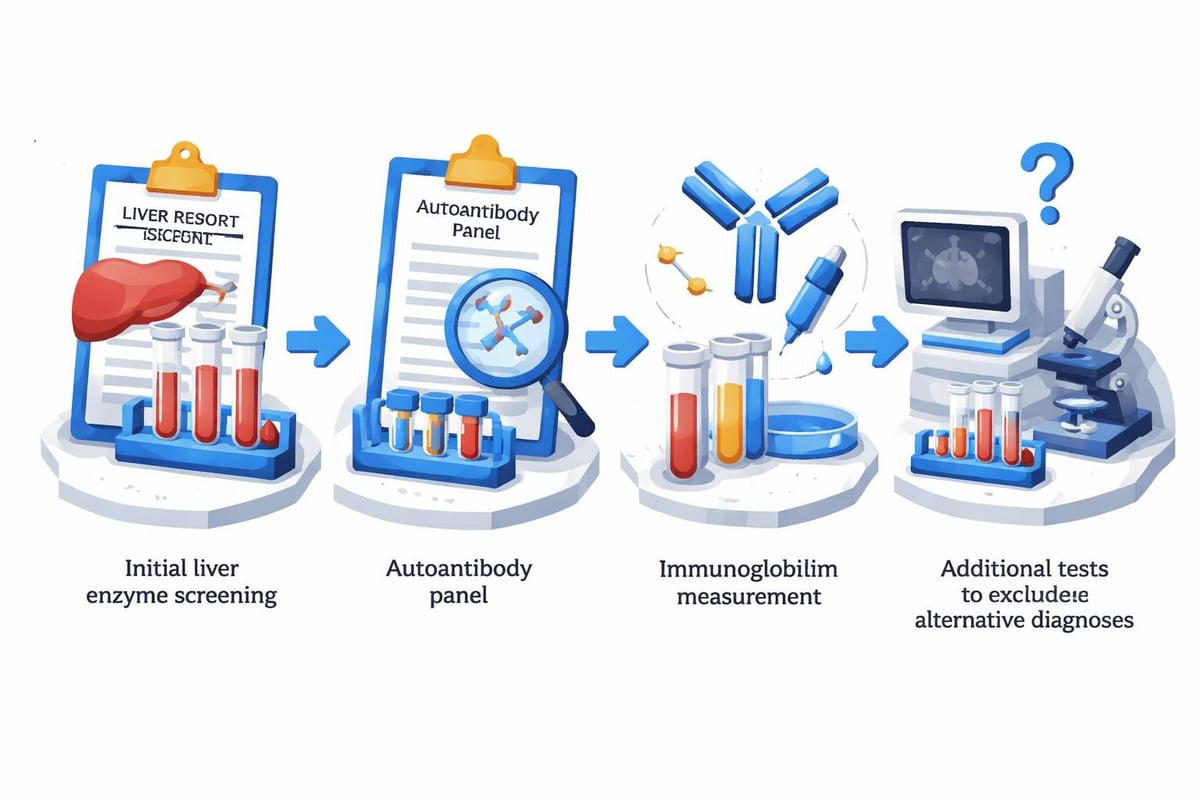
Autoimmune hepatitis labs encompass several categories of blood tests that work together to establish a diagnosis. No single test confirms autoimmune hepatitis, which is why physicians typically order a comprehensive panel to evaluate multiple markers simultaneously.
Liver Enzyme Tests
The foundation of autoimmune hepatitis labs starts with liver enzyme measurements. These tests detect cellular damage and inflammation within the liver tissue.
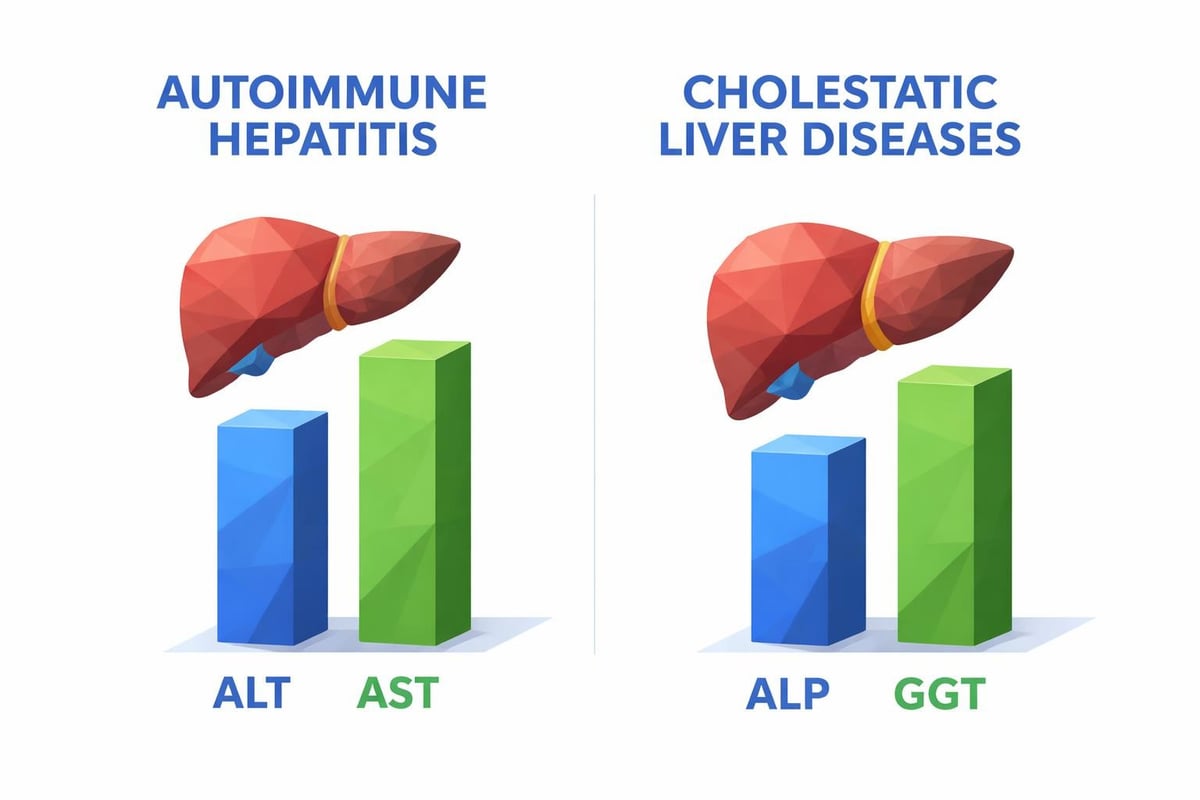
Alanine aminotransferase (ALT) and aspartate aminotransferase (AST) are the primary enzymes evaluated. When liver cells become damaged, these enzymes leak into the bloodstream, causing elevated levels. In autoimmune hepatitis, ALT and AST typically rise to levels 5-10 times above the normal range, though some patients show more modest elevations.
Alkaline phosphatase (ALP) and gamma-glutamyl transferase (GGT) provide additional context. While these enzymes can be elevated in autoimmune hepatitis, they're typically less dramatically increased compared to ALT and AST. This pattern helps distinguish autoimmune hepatitis from other liver conditions like primary biliary cholangitis.
| Enzyme | Normal Range | Typical AIH Pattern | What It Indicates |
|---|---|---|---|
| ALT | 7-56 U/L | 5-10x elevated | Liver cell damage |
| AST | 10-40 U/L | 5-10x elevated | Liver inflammation |
| ALP | 44-147 U/L | Mildly elevated | Bile duct involvement |
| GGT | 9-48 U/L | Moderately elevated | Biliary system stress |
Autoantibody Testing
Autoantibodies represent the hallmark of autoimmune hepatitis labs. These are proteins produced by the immune system that mistakenly target the body's own tissues.
Antinuclear antibody (ANA) testing identifies antibodies that attack components within cell nuclei. Approximately 70-80% of type 1 autoimmune hepatitis patients test positive for ANA, typically at titers of 1:80 or higher. The autoimmune liver disease panel routinely includes this test as a primary screening tool.
Smooth muscle antibody (SMA) targets proteins in smooth muscle cells. This antibody appears in 60-70% of type 1 autoimmune hepatitis cases. When both ANA and SMA are positive, the likelihood of autoimmune hepatitis increases significantly.
Liver kidney microsomal type 1 antibody (LKM-1) defines type 2 autoimmune hepatitis, which primarily affects children and young adults. The anti-LKM antibody is highly specific for this variant, though it's less common overall. Patients with type 2 autoimmune hepatitis are typically ANA and SMA negative but LKM-1 positive.
Additional autoantibodies include:
- Soluble liver antigen (SLA) antibody: Associated with more severe disease
- Antimitochondrial antibody (AMA): Usually negative in autoimmune hepatitis, helping exclude primary biliary cholangitis
- Atypical perinuclear antineutrophil cytoplasmic antibodies (p-ANCA): Present in some cases, though less specific
Recommended Panel
Autoimmune Screening Panel
Save $4Our most thorough initial autoimmune workup covers systemic autoimmune markers (ANA, Rheumatoid Factor), thyroid autoimmunity (TPO & TG Antibodies), inflammation (hs-CRP), and blood cell analysis (CBC) — 5 tests in one panel.
Includes 21 biomarkers
$63
Immunoglobulin Testing in Autoimmune Hepatitis
Immunoglobulin G (IgG) elevation is a characteristic finding in autoimmune hepatitis labs. The immune system produces excessive amounts of this antibody class during active disease.
Total IgG levels typically exceed the upper limit of normal, often by 1.5 times or more. This polyclonal hypergammaglobulinemia distinguishes autoimmune hepatitis from other liver conditions and supports the diagnosis when combined with positive autoantibodies.
Why IgG matters:
- Reflects overall immune system activation
- Correlates with disease activity and severity
- Helps monitor treatment response
- Differentiates autoimmune hepatitis from viral hepatitis and other liver diseases
When evaluating autoimmune hepatitis labs, physicians look for the combination of elevated transaminases, positive autoantibodies, and increased IgG levels. This triad forms the cornerstone of laboratory diagnosis.
Additional Laboratory Markers
Beyond the core autoimmune hepatitis labs, several supporting tests provide valuable diagnostic and prognostic information.
Liver Function Tests
Bilirubin measures the liver's ability to process waste products. While typically normal in mild autoimmune hepatitis, elevated bilirubin indicates more advanced disease or acute exacerbations. Total bilirubin above 3 mg/dL suggests severe inflammation.
Albumin and prothrombin time (INR) assess the liver's synthetic function. The liver produces albumin and clotting factors, so decreased albumin or prolonged INR signals significant liver dysfunction. These markers help stage disease severity and guide treatment decisions.
Complete Blood Count
A complete blood count (CBC) can reveal complications related to advanced liver disease. Thrombocytopenia (low platelet count) may indicate portal hypertension and cirrhosis development. Anemia sometimes occurs due to chronic disease or autoimmune hemolysis.
Viral Hepatitis Serology
Excluding viral hepatitis is essential when interpreting autoimmune hepatitis labs. Tests for hepatitis A, B, and C ensure that liver inflammation isn't due to infectious causes. The diagnostic process for autoimmune hepatitis emphasizes ruling out alternative explanations before confirming the diagnosis.
Interpreting Your Test Results
Understanding autoimmune hepatitis labs requires looking at the complete picture rather than individual values in isolation. Physicians use diagnostic scoring systems that incorporate multiple laboratory findings along with clinical features.
The Simplified AIH Score
This scoring system assigns points based on:
| Criterion | Points |
|---|---|
| ANA or SMA ≥1:40 | 1 |
| ANA or SMA ≥1:80 | 2 |
| LKM-1 ≥1:40 | 2 |
| SLA positive | 2 |
| IgG >1.1x upper limit | 1 |
| IgG >upper limit of normal | 2 |
| Liver histology compatible | 1 |
| Liver histology typical | 2 |
| Absence of viral hepatitis | 2 |
A score of 6 or higher indicates probable autoimmune hepatitis, while 7 or more suggests definite disease. However, liver biopsy remains the gold standard for confirmation.
When Results Are Borderline
Not all cases present with clearly positive autoimmune hepatitis labs. Some patients have:
- Mildly elevated enzymes with negative autoantibodies
- Positive autoantibodies with normal liver enzymes
- Atypical antibody patterns
- Overlap syndromes combining features of multiple liver diseases
These scenarios require follow-up testing, potentially including understanding lab results with medical guidance, repeat measurements, and sometimes liver biopsy for definitive diagnosis.
Monitoring Disease Activity and Treatment Response
Once diagnosed, autoimmune hepatitis labs serve as tools for ongoing disease management. Regular monitoring helps assess treatment effectiveness and detect disease flares.
Frequency of Testing
During initial treatment: Monthly autoimmune hepatitis labs track response to immunosuppressive therapy. ALT, AST, and IgG should gradually normalize over 3-6 months.
After remission: Every 3-6 months testing maintains surveillance for disease reactivation. Even with well-controlled disease, periodic monitoring catches early signs of relapse.
During medication adjustments: More frequent testing ensures safety and efficacy when changing immunosuppressive regimens.
What Changes Mean
- Declining transaminases: Indicates successful treatment response
- Normalizing IgG: Reflects reduced immune system activity
- Rising enzymes during treatment: May signal inadequate medication dose or poor adherence
- Persistently elevated values: Could suggest treatment resistance or incomplete response
For those managing autoimmune hepatitis, knowing how to order labs without a doctor can facilitate more frequent monitoring and quicker detection of changes.
Cost Considerations for Autoimmune Hepatitis Labs
Laboratory testing for autoimmune hepatitis can be expensive, particularly when monitoring requires frequent blood draws. Traditional healthcare routes often involve multiple appointments, insurance authorization delays, and unexpected bills.
Breaking Down Testing Costs
The comprehensive autoimmune hepatitis labs panel typically includes 10-15 individual tests. When billed through insurance, patients may face:
- Deductibles that must be met before coverage begins
- Co-pays for each laboratory visit
- Out-of-network charges if using specific laboratories
- Balance billing for services deemed "not medically necessary"
Self-pay options often provide more predictable pricing. Services offering labs without insurance display upfront costs, eliminating surprise bills and providing budget certainty.
| Test Component | Typical Hospital Price | Self-Pay Price Range |
|---|---|---|
| Liver enzyme panel | $150-$300 | $25-$50 |
| Autoantibody screen | $200-$400 | $75-$150 |
| Immunoglobulin panel | $100-$200 | $40-$80 |
| Complete panel | $500-$1,000+ | $150-$300 |
Accessing Autoimmune Hepatitis Laboratory Testing
The traditional healthcare model requires a physician visit before obtaining autoimmune hepatitis labs. However, direct-to-consumer laboratory services have transformed access to testing.
Benefits of Direct Access Testing
Convenience: Order tests online without scheduling multiple appointments or taking time off work.
Speed: Results typically available within 1-3 days, compared to potentially weeks through traditional channels.
Transparency: Know exactly what you're paying before testing occurs, with no hidden fees or surprise bills.
Empowerment: Take control of your health monitoring, especially valuable for chronic conditions requiring frequent surveillance.
Privacy: Some patients prefer the discretion of self-directed testing, particularly for sensitive health matters.
Services like those available through Justlabs streamline the entire process from test selection to result delivery.

When to Seek Medical Interpretation
While direct access to autoimmune hepatitis labs offers convenience, professional medical interpretation remains important, especially for:
- Initial diagnosis of suspected autoimmune hepatitis
- Significant changes in previously stable test results
- Decisions about starting or modifying treatment
- Coordinating liver biopsy when needed
- Managing complications or overlapping conditions
Consider laboratory testing as one component of comprehensive care rather than a replacement for medical guidance from specialists familiar with hepatology and autoimmune liver disease.
Special Populations and Testing Considerations
Autoimmune hepatitis labs may show different patterns or require modified interpretation in certain populations.
Pediatric Patients
Children with autoimmune hepatitis more frequently have type 2 disease with positive LKM-1 antibodies. They may present with more acute symptoms and higher enzyme elevations. Age-appropriate reference ranges must be used when interpreting results.
Pregnancy
Autoimmune hepatitis can flare during pregnancy or the postpartum period. Monitoring becomes especially critical, though some immunosuppressive medications require adjustment for fetal safety. Liver enzyme elevations during pregnancy necessitate distinguishing autoimmune hepatitis from pregnancy-related liver conditions.
Elderly Patients
Older adults may have more subtle presentations with lower enzyme elevations. Co-existing conditions and medications can complicate interpretation of autoimmune hepatitis labs. Lower autoantibody titers don't necessarily indicate less severe disease in this population.
Drug-Induced Autoimmune Hepatitis
Certain medications can trigger autoimmune-like hepatitis with positive autoantibodies. Distinguishing true autoimmune hepatitis from drug-induced liver injury requires careful medication history review and sometimes discontinuation trials.
Key Takeaways
Autoimmune hepatitis labs provide the foundation for diagnosing and managing this chronic liver condition. The essential tests include liver enzymes (ALT and AST), autoantibodies (ANA, SMA, and LKM-1), and immunoglobulin G levels. Interpreting these tests together, rather than individually, gives the most accurate picture of disease presence and activity. Regular monitoring through laboratory testing helps track treatment response and catch disease flares early. Modern direct-access testing services make it easier and more affordable to obtain necessary autoimmune hepatitis labs without the traditional barriers of insurance authorization and multiple doctor visits.
FAQ
What are the most important autoimmune hepatitis labs?
The essential autoimmune hepatitis labs include ALT and AST to measure liver inflammation, autoantibodies (ANA, SMA, or LKM-1) to detect immune system activity against liver tissue, and immunoglobulin G levels to assess overall immune activation. Additional tests like bilirubin, albumin, and prothrombin time help evaluate liver function and disease severity.
How often should I get autoimmune hepatitis labs checked?
Testing frequency depends on disease stage and treatment status. During initial treatment, monthly autoimmune hepatitis labs help monitor response to therapy. Once in remission, testing every 3-6 months maintains adequate surveillance. During medication changes or suspected flares, more frequent monitoring may be necessary.
Can autoimmune hepatitis labs be normal even with active disease?
Early autoimmune hepatitis can occasionally present with only mildly elevated enzymes or even normal values during quiescent periods. However, most active cases show clearly abnormal autoimmune hepatitis labs with elevated transaminases, positive autoantibodies, and increased immunoglobulin levels. Borderline or fluctuating results may require repeat testing and liver biopsy for confirmation.
What autoantibody titer is significant for diagnosis?
ANA and SMA titers of 1:40 or higher are considered potentially significant, though 1:80 or above carries more diagnostic weight. LKM-1 antibodies at any detectable level are highly suggestive of type 2 autoimmune hepatitis. Higher titers generally correlate with greater likelihood of disease, but diagnosis requires evaluating all autoimmune hepatitis labs together with clinical findings.
Do I need a doctor's order for autoimmune hepatitis labs?
Traditional laboratory testing requires a physician's order. However, direct-to-consumer services now allow individuals to order comprehensive autoimmune hepatitis labs independently. Understanding how the testing process works helps patients access necessary monitoring without navigating insurance pre-authorization or scheduling multiple appointments.
What if my autoantibodies are negative but liver enzymes are elevated?
Approximately 10-20% of autoimmune hepatitis cases are seronegative, meaning standard autoantibodies are negative despite having the disease. Additional testing for less common antibodies (like SLA) or liver biopsy may be needed. Alternative liver diseases should also be excluded through comprehensive evaluation including viral hepatitis testing and metabolic workups.
How long does it take to get autoimmune hepatitis labs results?
Through traditional healthcare channels, results typically take 3-7 days or longer depending on which tests require specialized processing. Direct-access laboratory services often provide results within 1-3 days, with some basic tests available even sooner. Specialized autoantibody tests may take slightly longer regardless of the testing route.
Are autoimmune hepatitis labs covered by insurance?
Most health insurance plans cover medically necessary autoimmune hepatitis labs when ordered by a physician for diagnostic or monitoring purposes. However, coverage varies by plan, and patients may face deductibles, co-pays, or pre-authorization requirements. Self-pay options through transparent pricing services can sometimes cost less than insurance-based testing, especially for those with high deductibles.
Autoimmune hepatitis labs are essential tools for diagnosing and managing this chronic liver condition, providing insights into disease activity and treatment effectiveness. Regular monitoring helps prevent serious complications while ensuring therapy remains optimized. If you need accessible, affordable autoimmune hepatitis laboratory testing with transparent pricing and quick results, Justlabs offers convenient self-pay options that eliminate insurance hassles and provide results within days, empowering you to take control of your health monitoring.