
In 2026, staying on top of your metabolic health is more important than ever. The glucose metabolic panel has become a cornerstone for anyone who wants to take charge of their wellness.
This essential guide will walk you through every aspect of the glucose metabolic panel—what it measures, why it matters, and how you can use your results to make informed decisions. Whether you are managing a health condition or simply aiming for optimal well-being, you will find practical advice and the latest insights here.
You will learn how to confidently order a test, interpret your results, and take actionable next steps. Let’s unlock the knowledge you need for a healthier future.
Big picture
Understanding your metabolic health starts with the glucose metabolic panel, a blood test that gives a snapshot of how your body manages sugar and related functions.
- The glucose metabolic panel measures several markers, including fasting glucose and HbA1c, to assess blood sugar control and metabolic function.
- Early detection matters. This panel helps identify risks for diabetes, insulin resistance, and other metabolic disorders before symptoms appear.
- It is recommended for anyone with risk factors like family history, weight concerns, or a sedentary lifestyle, and for those interested in proactive health tracking.
- The panel often includes multiple tests for a comprehensive view. For a deeper dive, see this Comprehensive Metabolic Panel Overview to understand how broader panels fit into metabolic health assessment.
- Taking action is simple. If you have risk factors or want a baseline, consider scheduling a glucose metabolic panel to guide your health decisions.
- These results empower you to make informed choices about lifestyle, diet, and medical care, supporting long-term wellness.
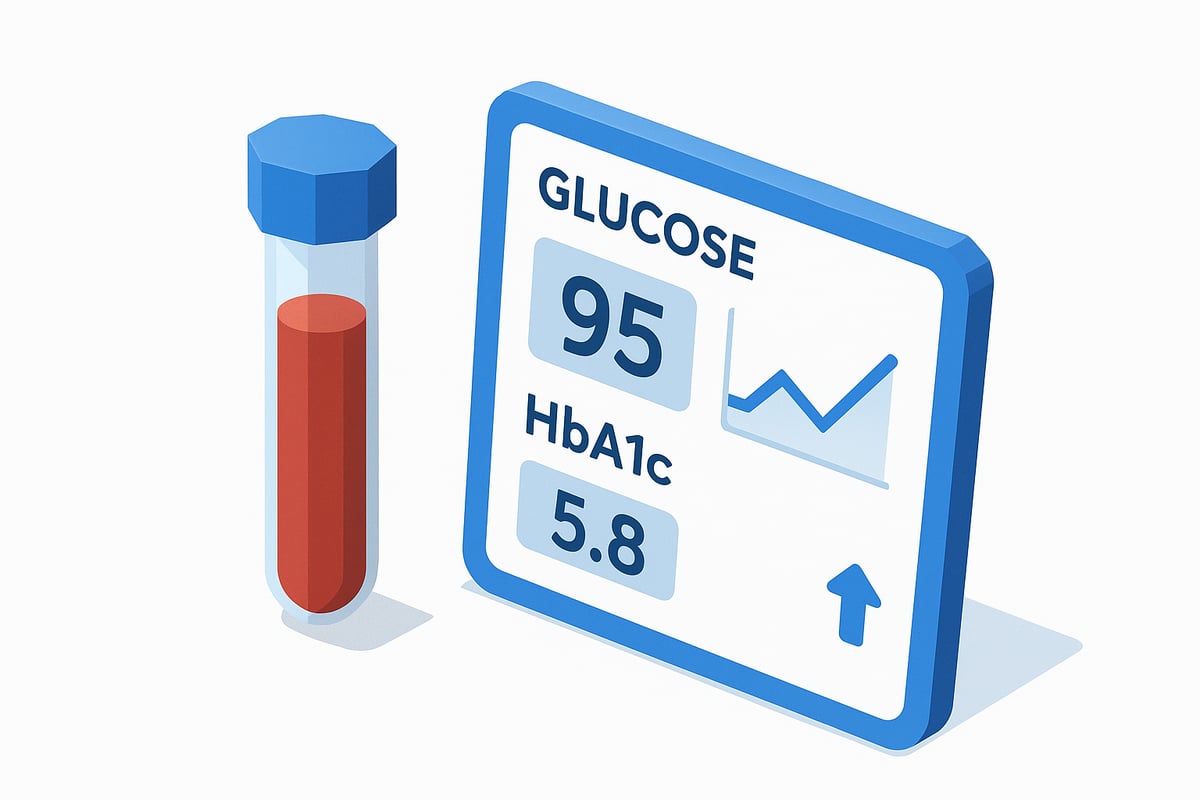
What is a Glucose Metabolic Panel?
Glucose, Fasting
The fasting glucose test measures your blood sugar level after not eating for at least 8 hours. It's the standard screening test for diabetes and prediabetes.
Includes 1 biomarkers
$6
Fasting required
Understanding the glucose metabolic panel is the first step toward proactive metabolic health. This essential blood test provides a clear window into how your body manages blood sugar, helping you stay ahead of common health risks.
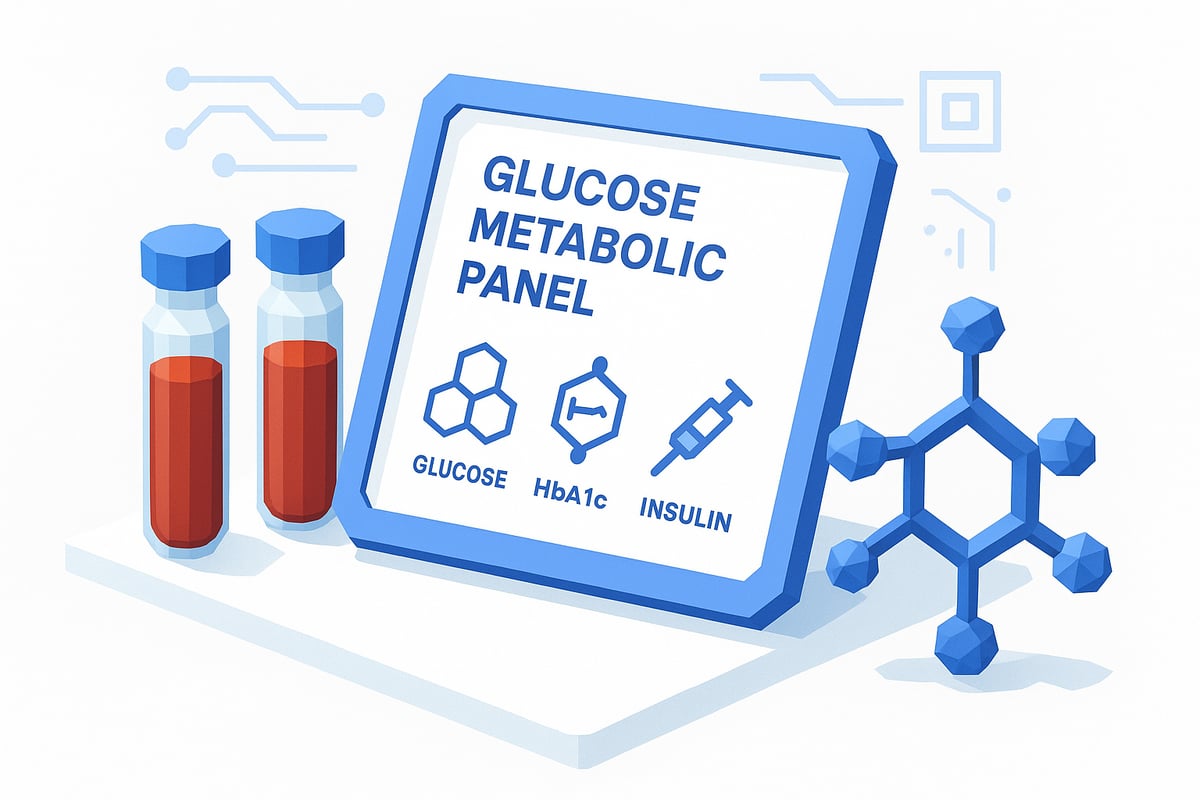
Overview and Components
A glucose metabolic panel is a specialized blood test designed to assess your body's glucose regulation and overall metabolic health. Unlike a simple glucose test, which measures blood sugar at a single moment, this panel evaluates multiple markers for a comprehensive view.
The core components include fasting glucose, Hemoglobin A1c (which reflects average blood sugar over the past three months), and insulin levels. Some panels also measure C-peptide, which helps distinguish between different types of diabetes. Major labs in 2026 often standardize these markers, though slight variations exist. For example, Lab A may include only fasting glucose and HbA1c, while Lab B adds insulin and C-peptide for a broader assessment.
The Centers for Disease Control and Prevention (CDC) reports that over 37 million Americans have diabetes, highlighting the importance of early detection. Standardization across labs ensures that results are accurate and comparable. For more on Hemoglobin A1c, see Understanding Hemoglobin A1c Testing.
Why It Matters in 2026
Globally, the prevalence of metabolic syndrome and diabetes is rising rapidly. Early detection through a glucose metabolic panel enables timely interventions that can significantly improve long-term health outcomes.
In 2026, digital health tools and remote monitoring have become integral. These technologies allow patients and providers to track trends and respond to changes in real time. Preventive care now often includes regular metabolic panel testing, especially for those at risk.
According to the World Health Organization, metabolic disorders are projected to contribute to one in four adult deaths by 2030. By catching issues early, the glucose metabolic panel empowers individuals to make informed choices and reduce risk.
Who Should Consider This Test?
A glucose metabolic panel is recommended for individuals with risk factors such as family history of diabetes, obesity, sedentary lifestyle, or high blood pressure. It is also important for those experiencing symptoms like fatigue, frequent urination, or unexplained weight changes.
Glucose, Fasting
1 biomarkers
Women with a history of gestational diabetes or polycystic ovary syndrome (PCOS) should consider routine screening. The American Diabetes Association advises adults over 45 to get regular testing, even if they have no symptoms. Notably, some patients discover early-stage diabetes or prediabetes during routine checks, well before symptoms develop.
Types of Glucose-Related Panels
There are several types of glucose-related panels available. A fasting glucose test measures your blood sugar after an overnight fast. The oral glucose tolerance test (OGTT) assesses how your body handles glucose over time. HbA1c testing provides a long-term average, while a full glucose metabolic panel combines these with additional markers for a thorough picture.
Comprehensive Diabetes Panel
This panel detects diabetes and prediabetes at every stage. Includes lipids because diabetes dramatically increases heart disease risk.
Includes 10 biomarkers
$35
Fasting required
Choosing a comprehensive panel over individual tests is ideal for those seeking a detailed metabolic assessment. In 2026, advanced panels may include genetic or biomarker profiling for even deeper insights. Costs, accuracy, and turnaround times can vary, but comprehensive panels generally offer the best value and depth of information.
How the Glucose Metabolic Panel Works: Step-by-Step
Understanding how a glucose metabolic panel is performed helps you prepare, reduces anxiety, and ensures accurate results. Here is a step-by-step breakdown to help you navigate the process confidently.

Preparing for the Test
Before your glucose metabolic panel, fasting for 8 to 12 hours is usually required. This means no food or drink except water, which ensures your blood sugar levels are not affected by recent meals. Some medications and supplements can influence your results, so always consult your provider about what to pause.
At the lab, expect a standard blood draw, which takes only a few minutes. Proper preparation is crucial: up to 15 percent of abnormal readings result from not fasting correctly. If you want to learn more or order a fasting glucose test directly, visit the Order Glucose Fasting Test page for details.
The Testing Process
During the glucose metabolic panel, a technician collects a blood sample, usually from your arm. In 2026, labs use advanced, more accurate assays, so results are reliable and turnaround times are faster. Some labs offer home collection kits, which provide convenience but require careful handling.
Comparing home kits to in-lab testing, both options generally offer results within one to three days. Most patients now prefer online scheduling and digital lab access, making the process smoother than ever. Technology has made it easier to fit a glucose metabolic panel into your routine.
Understanding Your Results
Your glucose metabolic panel will include several markers, each providing insight into your metabolic health. Common markers are glucose, HbA1c, insulin, and C-peptide. Reference ranges help identify normal, prediabetic, or diabetic levels.
Below is a simple table summarizing typical reference ranges:
| Marker | Normal Range | Prediabetic | Diabetic |
|---|---|---|---|
| Glucose | 70–99 mg/dL | 100–125 mg/dL | 126+ mg/dL |
| HbA1c | <5.7 percent | 5.7–6.4 percent | 6.5 percent+ |
The American Diabetes Association defines prediabetes as fasting glucose between 100 and 125 mg/dL. Understanding each number in your glucose metabolic panel empowers you to make informed decisions.
Glucose, Fasting
1 biomarkers
Common Pitfalls and How to Avoid Them
External factors can skew your glucose metabolic panel results. Stress, illness, or recent intense exercise can temporarily raise blood sugar. If your results are borderline or unexpected, repeating the test is important for accuracy.
Misinterpreting results is a common risk, so always consult a healthcare professional for context. In some cases, a minor illness can cause a false positive that normalizes on repeat testing. About 10 percent of initial abnormal results return to normal on retest, highlighting the value of professional guidance with your glucose metabolic panel.
Interpreting and Acting on Your Results
Understanding your glucose metabolic panel results is a crucial step toward proactive health management. Clear interpretation empowers you to take meaningful action, whether through lifestyle changes or working with your healthcare team.
Decoding Key Markers
When you review your glucose metabolic panel, focus on the main markers: fasting glucose, HbA1c, and insulin. Each provides a unique perspective on your blood sugar control and metabolic health.
- Glucose reflects your current blood sugar level.
- HbA1c shows your average glucose over the past three months.
- Insulin levels can indicate early insulin resistance, even before glucose rises.
Here is a quick summary of common reference ranges:
| Marker | Normal Range | Prediabetes Range | Diabetes Range |
|---|---|---|---|
| Glucose | 70-99 mg/dL | 100-125 mg/dL | 126+ mg/dL |
| HbA1c | <5.7% | 5.7-6.4% | 6.5%+ |
| Insulin | 2-20 uIU/mL | — | — |
Sometimes, you may see normal glucose but an elevated HbA1c, which suggests hidden blood sugar spikes. For deeper details on interpreting these markers, see this Comprehensive Metabolic Panel Components and Interpretation guide.
What If Your Results Are Abnormal?
If your glucose metabolic panel comes back with abnormal findings, do not panic. The first step is to confirm the results with repeat testing, especially if you were ill or stressed at the time.
Glucose, Fasting
1 biomarkers
Common causes of abnormal results include recent dietary changes, acute illness, or certain medications. In some cases, an unexpected high glucose in a healthy adult may be due to temporary stress or lab error.
Schedule a follow-up with your healthcare provider to discuss your glucose metabolic panel in detail. They can help identify underlying causes and recommend next steps.
Lifestyle and Dietary Adjustments
Your glucose metabolic panel provides actionable insights for improving your health. If results show early signs of insulin resistance or prediabetes, focus on proven lifestyle changes.
- Adopt a balanced eating pattern, such as Mediterranean or plant-forward diets.
- Incorporate regular physical activity, aiming for at least 150 minutes per week.
- Aim for modest weight loss if overweight. Research shows that losing just 5-7 percent of body weight can cut diabetes risk by over half.
Many people in 2026 use intermittent fasting or low-carb plans, but the right approach depends on your preferences and medical needs. Even small adjustments can produce significant improvements in your glucose metabolic panel results.
Medical Management and Next Steps
Sometimes, lifestyle changes alone are not enough. If your glucose metabolic panel consistently shows abnormal values, your provider may discuss medications like metformin or newer options such as GLP-1 agonists, which come with their own lab monitoring schedule.
Regular monitoring is key. Most adults with risk factors should repeat the glucose metabolic panel every six to twelve months, or as advised. Digital health tools and remote glucose monitors make it easier to track progress and share data with your care team.
Ask about telemedicine options for ongoing support. In 2026, many patients use remote monitoring devices that sync directly with their medical records, streamlining care.
Partnering with Health Professionals
A glucose metabolic panel is a powerful tool, but interpreting and acting on results is best done with a team. Collaborate with your primary care provider, endocrinologist, and a registered dietitian when needed.
Bring your results to appointments and ask questions. Effective communication ensures your concerns are addressed and your care is personalized.
Shared decision-making leads to better outcomes. By partnering with your health professionals, you can use your glucose metabolic panel as a roadmap to long-term wellness.
Ordering a Glucose Metabolic Panel in 2026: Options & Innovations
Accessing a glucose metabolic panel has never been easier or more flexible. In 2026, you can choose from a wide range of testing options that fit your lifestyle, budget, and privacy preferences. Whether you want a traditional doctor-guided experience or a self-directed approach, there is a solution designed for you.
Glucose, Fasting
The fasting glucose test measures your blood sugar level after not eating for at least 8 hours. It's the standard screening test for diabetes and prediabetes.
Includes 1 biomarkers
$6
Fasting required
Where and How to Order the Test
In 2026, you can order a glucose metabolic panel through several convenient channels. Traditional doctor’s offices still offer in-person testing, which is ideal if you need comprehensive guidance or insurance billing. However, direct-to-consumer (DTC) labs and online platforms are rapidly gaining popularity, letting you schedule tests from your home.
Pricing has become more transparent, with panels ranging from $10 to $100, depending on the provider and complexity. Many platforms offer bundled panels for broader health insights. For those at higher risk or seeking a more detailed assessment, the Diabetes Comprehensive Panel Information page offers details on expanded testing options.
With a 35 percent increase in self-ordered lab tests since 2022, accessibility and control are now in your hands.
Recommended Panel
Complete Metabolic Health Panel
Save $3.50This comprehensive panel evaluates all aspects of metabolic health: organ function, cholesterol, blood sugar, insulin resistance, and inflammation - the key drivers of chronic disease.
Includes 26 biomarkers
$50
Fasting required
Comprehensive metabolic panels, such as the Complete Metabolic Health Panel, are now widely available for consumers who want a full picture of their metabolic health. These panels typically include all core markers found in a glucose metabolic panel, plus additional analytes like kidney and liver function markers.
Choosing a bundled panel can provide cost savings and broader insights into your overall health. Many labs in 2026 display clear breakdowns of what is included, turnaround time, and pricing. If you are looking for a more holistic health snapshot, opting for a comprehensive panel may be the most effective choice.
The Role of Direct-to-Consumer Lab Testing
Direct-to-consumer lab testing has transformed the way people access a glucose metabolic panel. DTC platforms let you bypass insurance, avoid lengthy appointments, and keep your health data private. You can order tests online, visit a nearby lab location for a sample, and receive your results in a secure digital dashboard.
Benefits include affordability, convenience, and rapid turnaround. For routine monitoring, many patients now rely on DTC labs as part of their wellness strategy. The DTC lab market is projected to reach $4.8 billion by 2026, reflecting the growing demand for accessible, patient-driven testing.
Order Glucose Metabolic Panels Online with JustLabs
JustLabs makes ordering a glucose metabolic panel simple, whether you have insurance or not. You can select your panel online, pay with FSA or HSA funds, and visit one of over 2,200 lab locations nationwide. Results are typically ready in 1 to 3 days and are reviewed by clinicians for accuracy.
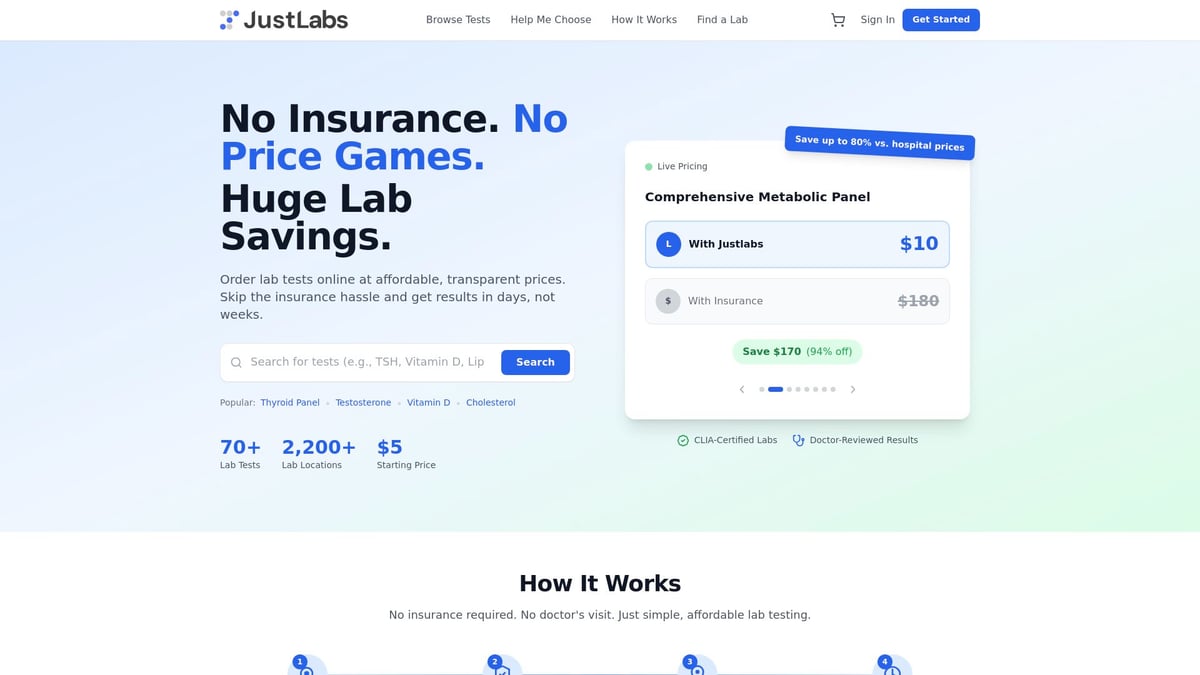
Transparent pricing starts at just $6 for a fasting glucose test, and the Comprehensive Diabetes Panel is $35, plus one $18 order fee per order, often up to 80 percent less than hospital rates. JustLabs provides a secure dashboard where you can access your reports, receive clear explanations, and get AI-powered recommendations tailored to your health profile. This approach streamlines the testing process and puts you in control of your metabolic health journey.
Key Takeaways
Understanding your glucose metabolic panel is a powerful step toward proactive health in 2026. This test offers essential early detection of metabolic risks, empowering you to make informed lifestyle and medical choices.
- The glucose metabolic panel provides a comprehensive snapshot of your blood sugar and metabolic function, supporting early identification of diabetes and related conditions.
- Accessibility continues to improve, with direct-to-consumer testing making it easier and more affordable than ever to monitor your health.
- Advances in technology and market growth have expanded access, with comprehensive metabolic panel testing now serving a wider population.
- Global trends highlight the importance of early screening, as the prevalence of impaired glucose tolerance rises worldwide.
- Regular review of your glucose metabolic panel results, in partnership with healthcare professionals, leads to the best outcomes and long-term wellness.
- Ongoing monitoring is strongly recommended for those at risk or managing chronic metabolic conditions.
By staying informed and taking action, you can use your glucose metabolic panel as a foundation for lasting health.
Related tests on JustLabs: CMP test
FAQ
Get fast answers to the most common questions about the glucose metabolic panel. Whether you are new to testing or want to maximize your results, these FAQs provide practical, up-to-date guidance.
What is the difference between a glucose test and a glucose metabolic panel?
A glucose test measures your blood sugar at a single point in time, usually after fasting. In contrast, a glucose metabolic panel includes multiple markers such as fasting glucose, HbA1c, and insulin. This panel offers a comprehensive assessment of your metabolic health and risk factors.
How often should I get a glucose metabolic panel?
The recommended frequency for a glucose metabolic panel depends on your age, risk factors, and any existing health conditions. Most adults benefit from yearly testing, though those with risk factors or previous abnormal results may require more frequent panels as advised by a healthcare provider.
Can I order a glucose metabolic panel without a doctor’s referral?
Yes, you can now order a glucose metabolic panel on your own through direct-to-consumer lab platforms. These services allow you to access testing without a doctor’s referral, making it easier to monitor your metabolic health proactively and at your convenience.
What should I do if my results are abnormal?
If your glucose metabolic panel results are outside the normal range, consult a healthcare professional for confirmation and further guidance. They may recommend additional testing or suggest lifestyle, dietary, or medical interventions to address your results and reduce health risks.
Are at-home collection kits as accurate as in-lab testing?
Most at-home collection kits for the glucose metabolic panel use lab-grade technology and are highly reliable when instructions are followed. For the latest in non-invasive monitoring, see the Non-Invasive Glucose Prediction System Study for emerging advancements in glucose tracking accuracy and accessibility.
How much does a glucose metabolic panel cost?
The cost of a glucose metabolic panel varies by provider and complexity. At JustLabs, a fasting glucose test is $6 and the Comprehensive Diabetes Panel is $35, plus one $18 order fee per order ($24 or $53 all-in). These self-pay options are often much more affordable than traditional hospital-based pricing.
What lifestyle changes can improve glucose metabolism?
To support healthy results on your glucose metabolic panel, focus on a balanced diet, regular physical activity, and maintaining a healthy weight. Managing stress and getting enough sleep also play an important role in optimizing your glucose metabolism and reducing long-term risks.
As you’ve seen, understanding your glucose metabolic panel is a powerful step toward maintaining your health and preventing future issues. With the clarity and convenience that direct access to lab testing now offers, you don’t have to wait for answers or navigate complicated processes. If you’re ready to take control and see where you stand, it’s easier than ever to get started. You can review detailed test options, compare pricing, and choose the right panel for your needs—all from the comfort of your home. Take the next step on your health journey and Browse Tests.